The Hidden Engineering Principle That Will Revolutionize How We Build with Dry Concrete Batching Plants
Why Most Construction Leaders Fail to Recognize the Real Heart of Batch-Plant Efficiency
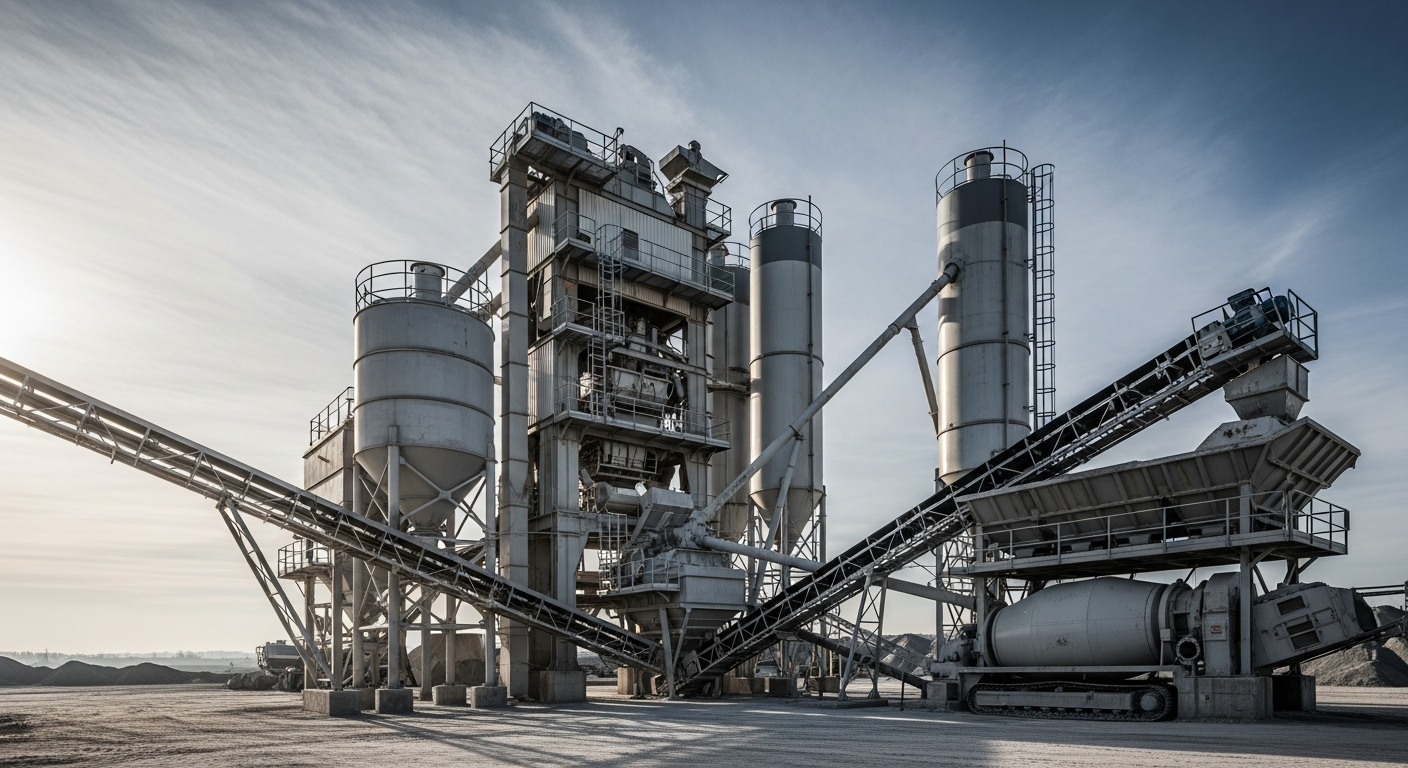
In the whirlwind of construction innovation, there's a common misconception that optimizing throughput hinges primarily on advanced automation, innovative mixers, or larger capacity. While these elements are vital, many overlook an overlooked yet fundamental aspect: the subtle yet powerful influence of *material flow dynamics* within the dry batch plant. This hidden engineering principle governs not only the speed but also the consistency and durability of the concrete produced, especially in high-demand projects and harsh climates. Understanding this concealed element can turn a good batch plant into a game-changing asset, drastically reducing downtime, maintenance costs, and environmental impact. For professionals involved in manufacturing or designing dry concrete batching plants, recognizing and optimizing internal flow can be the key to unlocking unprecedented levels of performance, all while maintaining economic efficiency.
Unmasking the Power of Flow Path Optimization in Batch-Plant Design
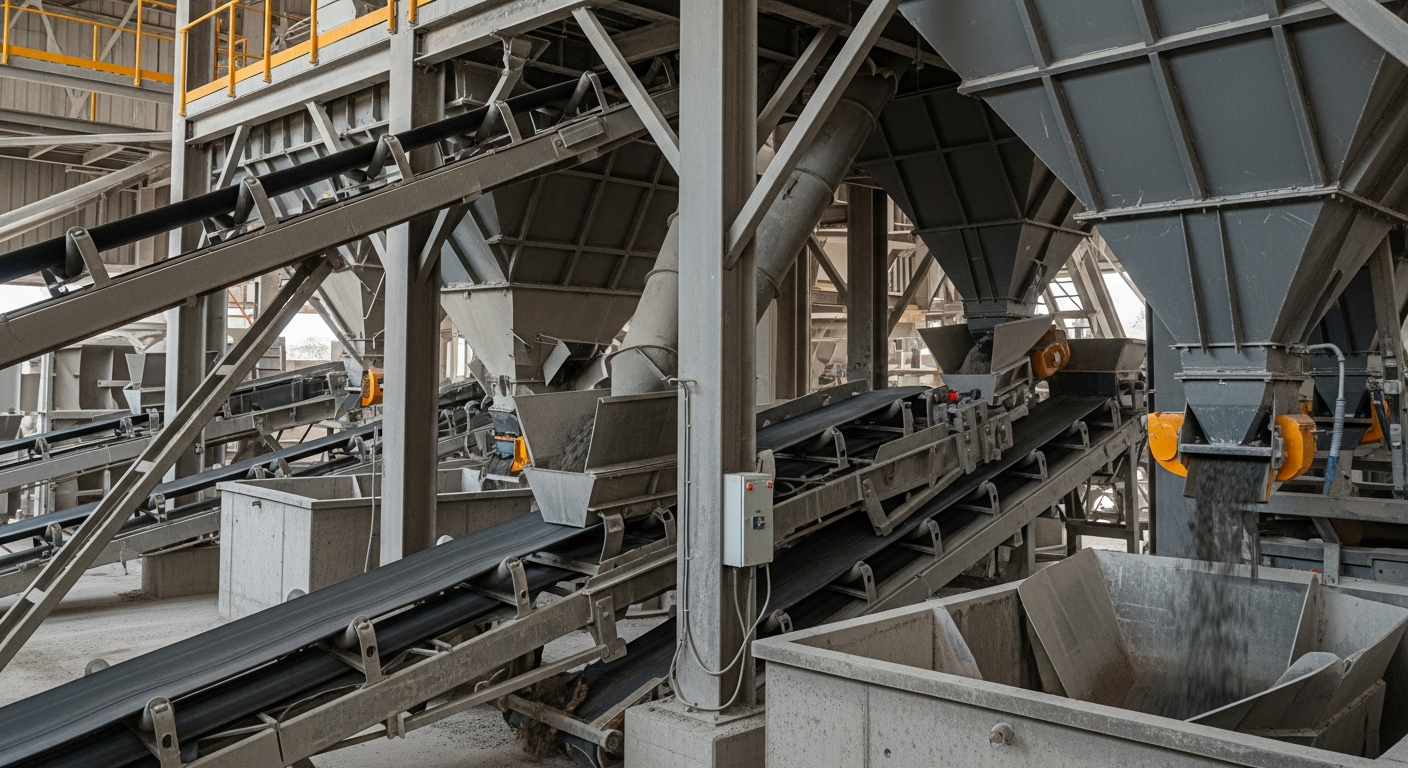
Most manufacturing engineers and plant designers tend to focus heavily on the external variables—capacity, automation, or layout—yet the internal flow pathways often remain a black box. This oversight can result in uneven material distribution, blockages, and increased wear-and-tear on crucial components. By carefully analyzing and designing the internal pathways—such as the routing of aggregates, cement, and water—engineers can significantly improve the uniformity and consistency of the mixture. This isn’t just about keeping the plant running smoothly; it’s about enhancing the quality of every batch with minimal energy expenditure. Moreover, optimizing these pathways reduces dead zones and material stagnation, which in turn extends the lifespan of critical parts like screws and conveyors, lowering maintenance and replacement costs over the long term. It turns out, the secret to high-performing dry batch plants isn't just in their raw capacity but in the finesse of their internal choreography.

Myth Busting: Bigger Is Not Always Better in Batch Plant Capacities
A prevalent misconception is that increasing a plant’s capacity automatically results in better productivity. While larger capacity is advantageous for bulk projects, it often introduces complexities that, if unaddressed, diminish performance. Larger plants tend to have more convoluted material flow paths, leading to imbalances and delays that offset potential gains. The real breakthrough comes from strategic internal flow management—ensuring that even in modestly sized plants, the material moves smoothly and uniformly. This approach debunks the myth that bigger is inherently better, emphasizing instead that efficiency truly depends on how well the internal pathways are designed and maintained. Intelligent dosing of capacity paired with optimized internal flow can outperform larger but poorly designed plants every time.

Insider Perspective: The Unsung Role of Maintenance in Preserving Flow Efficiency
Behind the seamless performance of world-class batch plants lies a critical, often neglected factor: maintenance focused on internal flow systems. Regularly inspecting and cleaning chutes, conveyors, and feeders prevents buildup and blockages that disrupt material movement. An insider’s secret is that a well-maintained internal flow pathway reduces energy consumption, avoids costly downtimes, and prolongs equipment life. Many companies overlook this essential routine, believing that capacity upgrades or software updates will do the trick. In reality, the real luxury is a plant that maintains optimal internal conditions—clean, aligned, and free of obstructions. It’s the unsung hero in the story of quality, efficiency, and longevity, turning routine maintenance into a strategic advantage in construction manufacturing.

Conclusion: Rethinking Batch Plant Success by Focusing on the Invisible but Critical Details
In the end, transforming a good dry concrete batching plant into a top-tier operation hinges on understanding and mastering the unseen — the internal flow pathways and maintenance routines that silently govern performance. By shifting focus from the flashy features to the subtle engineering truths, manufacturers can achieve superior quality, lower operational costs, and a longer lifespan for their equipment. This paradigm not only challenges conventional thinking but also unlocks a new era of efficiency where the invisible becomes the most valuable aspect of plant design. For professionals aiming to stay ahead in construction innovation, embracing these hidden yet critical principles will ensure their facilities perform at peak levels regardless of external pressures or market fluctuations.
Internal flow pathways determine how evenly materials are distributed and prevent blockages, directly impacting the consistency, efficiency, and lifespan of the plant. Proper design minimizes downtime and enhances product quality.
Regular inspections and cleaning of internal channels prevent buildup and obstructions that impair material flow, ensuring sustained plant performance and reducing costly repairs.
Increasing capacity alone doesn't guarantee better performance. Optimized internal flow and maintenance are essential for true efficiency, regardless of size, debunking the size-is-everything myth.
Comments ()