Leveraging Design Flexibility in Dry Concrete Batching Facilities
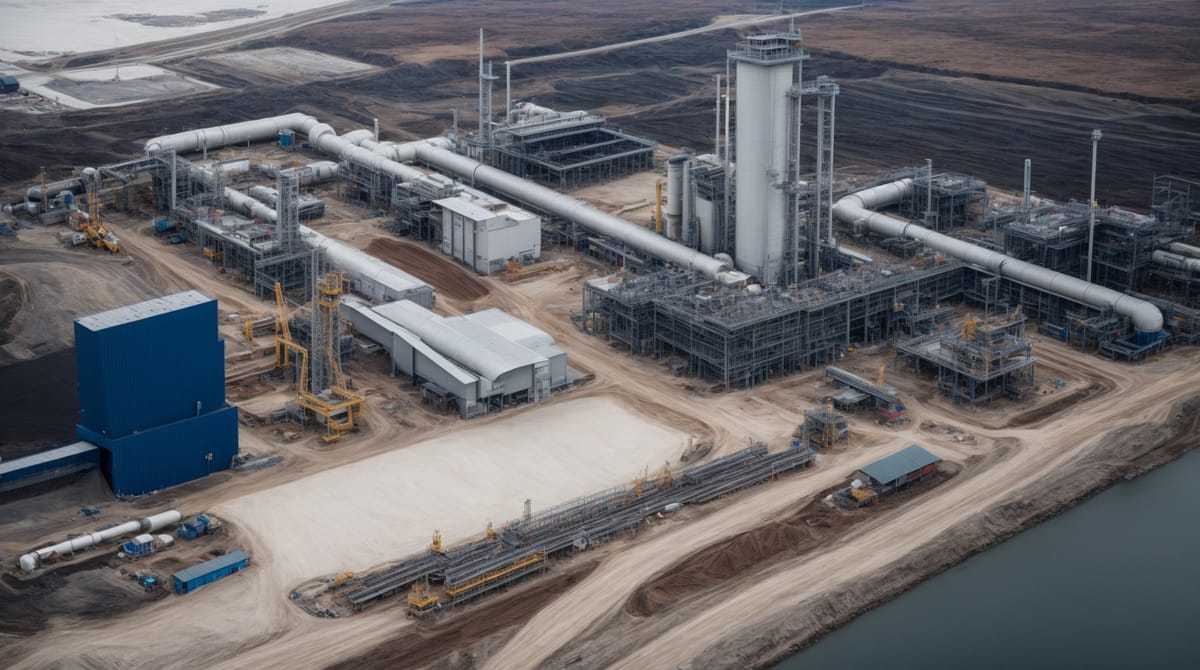
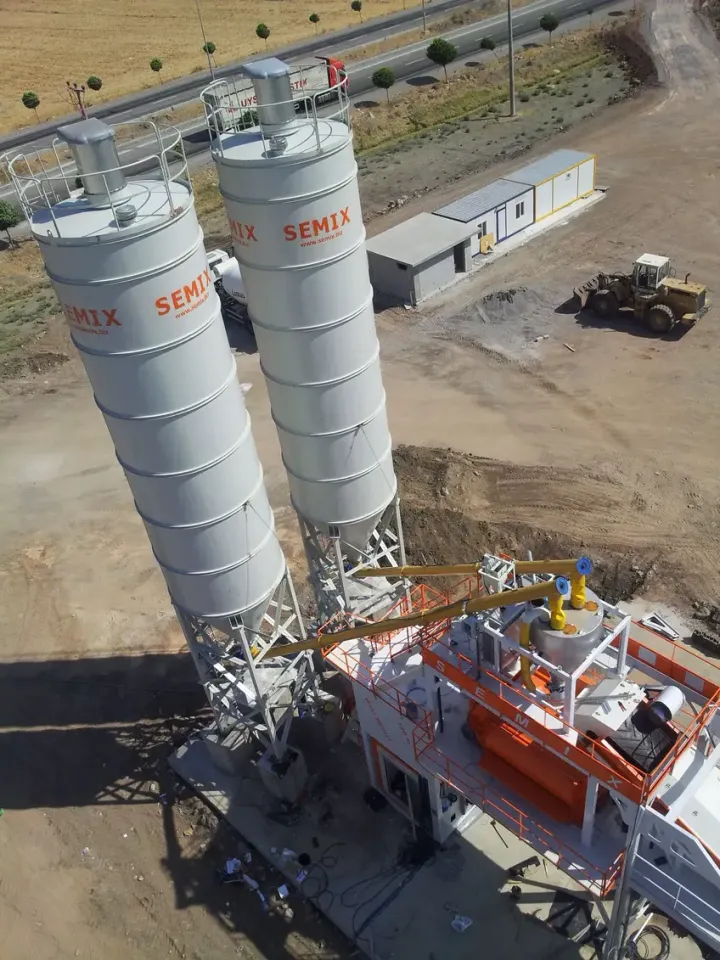
So you want to know about concrete batching plants. Lets start with the basics. A dry concrete batching plant is pretty straightforward. It's a facility that measures and mixes the ingredients for concrete, without adding water to the mix. The name "dry" already gives it away. What happens in a plant is that the ingredients, like cement, sand and gravel are weighed and combined, but not mixed with water. This dry mix is then transferred to a truck, which adds the water on site. It's a no frills way to get the job done.
Dry concrete batching plants are a staple, in the construction world. They're where you mix aggregates, cements and water in a recipe to churn out batches of concrete. What sets them apart from batching is that all the dry stuff gets combined first and then water is added later. Either at the mixer or when its being poured onsite. This approach has some perks. For one it helps the mixed concrete longer. It also cuts down on transportation costs.. You get more control over how much water is added, which can be a game changer for the quality of the concrete. It's pretty straightforward. It makes a difference, in the end result.
When it comes to getting things done a smart design can make all the difference. Certain features are really good, at helping us work efficiently. Lets take a look at what makes them tick. Basically it's all, about simplicity and ease of use.
To get the most, out of concrete batching plants some clever design features have been added. These include layouts, advanced metering and automated control systems. The modular layouts are really handy because they can be rearranged to suit the needs of a project or if the operation needs to be scaled up. Advanced metering is also a plus as it ensures that all the components are measured precisely cutting down on mistakes and waste.. Then there's the automation, which ties everything together by managing all the activities, at the plant and keeping track of data. This helps with quality control. Makes the whole process more efficient.
Case Studies of Effective Dry Batch Plant Design
Take the case of an infrastructure project, in Southeast Asia, where they built a dry batch plant. This thing was a game changer. The project team had to tweak the mix because of changing weather and material availability. But the plants flexible design made it easy to adapt so they could keep producing without a hitch. And, in construction projects time is money. You can't afford to be stuck in neutral for long. The modular design really paid off helping them stay on schedule and maintain a level of productivity.
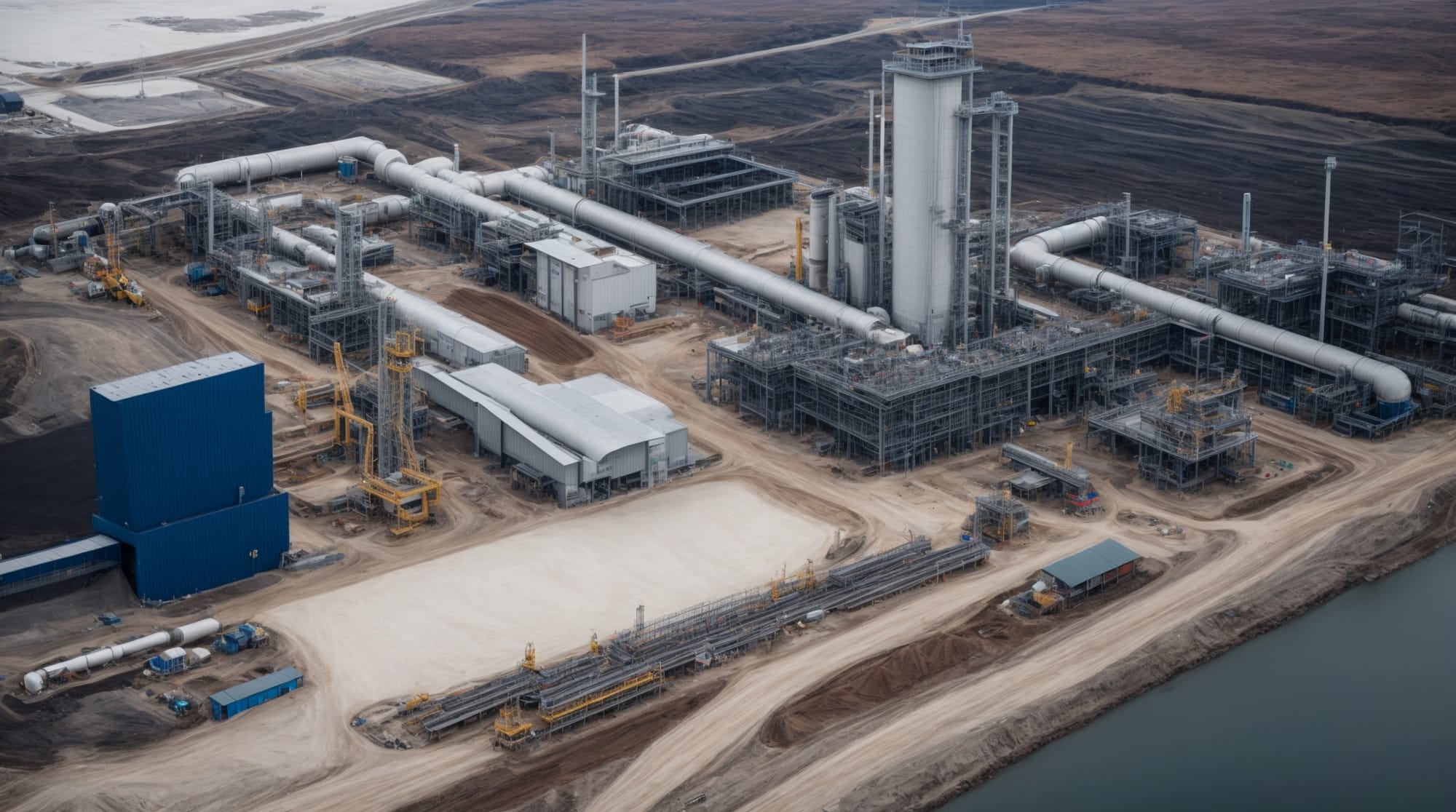
What's next, for concrete batching plants? When it comes to designing these plants there are some trends on the horizon. For years manufacturers have been working to improve efficiency and productivity. Now we're seeing some innovations. What can we expect from the dry concrete batching plants of the future? Bigger advancements, in tech improved mix consistency and better environmental controls. The traditional models are getting an overhaul. Its going to change the way we think about concrete production.
The dry concrete batching plant industry is, on the cusp of some changes. As technology keeps improving and people become more concerned about the environment we can expect to see some advancements. For instance using intelligence to predict when maintenance is needed and adjust the mixing process on the fly could be a game changer.. Eco friendly technologies that cut down on energy consumption and reduce carbon emissions are going to play a role. This isn't about making the industry more efficient. It's also about being more responsible, with our resources. All everyones talking about going green these days. The concrete industry is no exception.