Optimizing Design Strategies for Dry Concrete Batching Plants
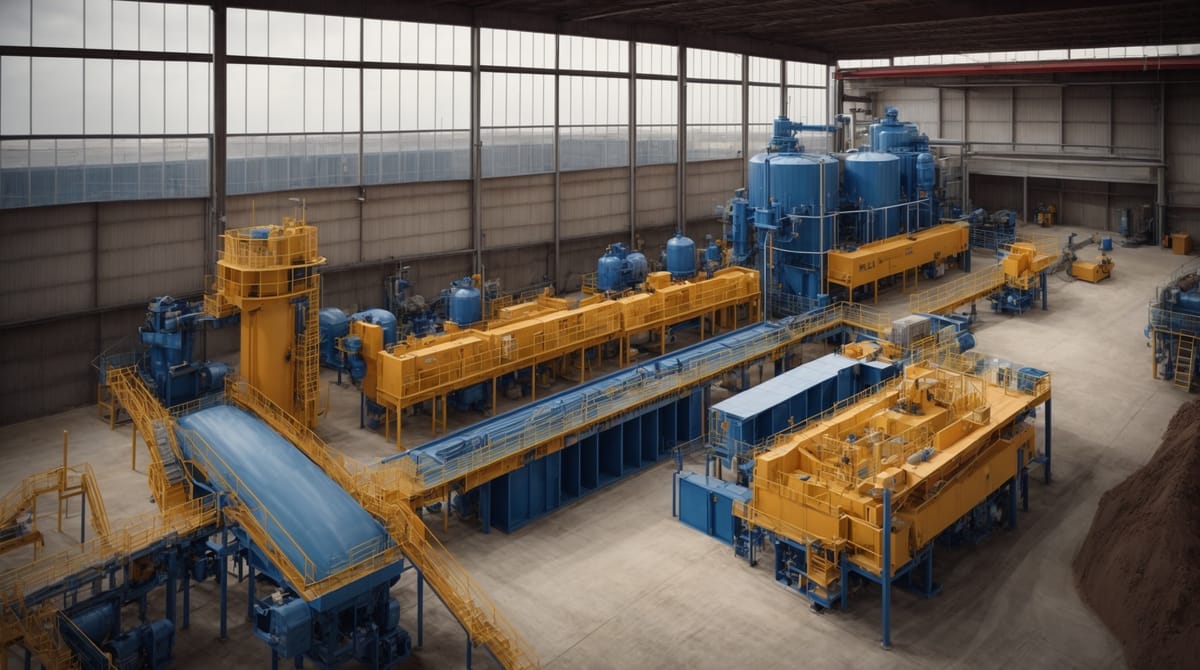
Essential Elements, in the Design of a Dry Concrete Batching Plant
Planning a concrete batching facility requires planning to enhance efficiency and minimize costs while ensuring durability is not compromised in the process of mixing technology and environmental control integration. Choosing the blending technology like a twin shaft mixer or a planetary mixer can impact both the uniformity of the mixture and the efficiency of production.
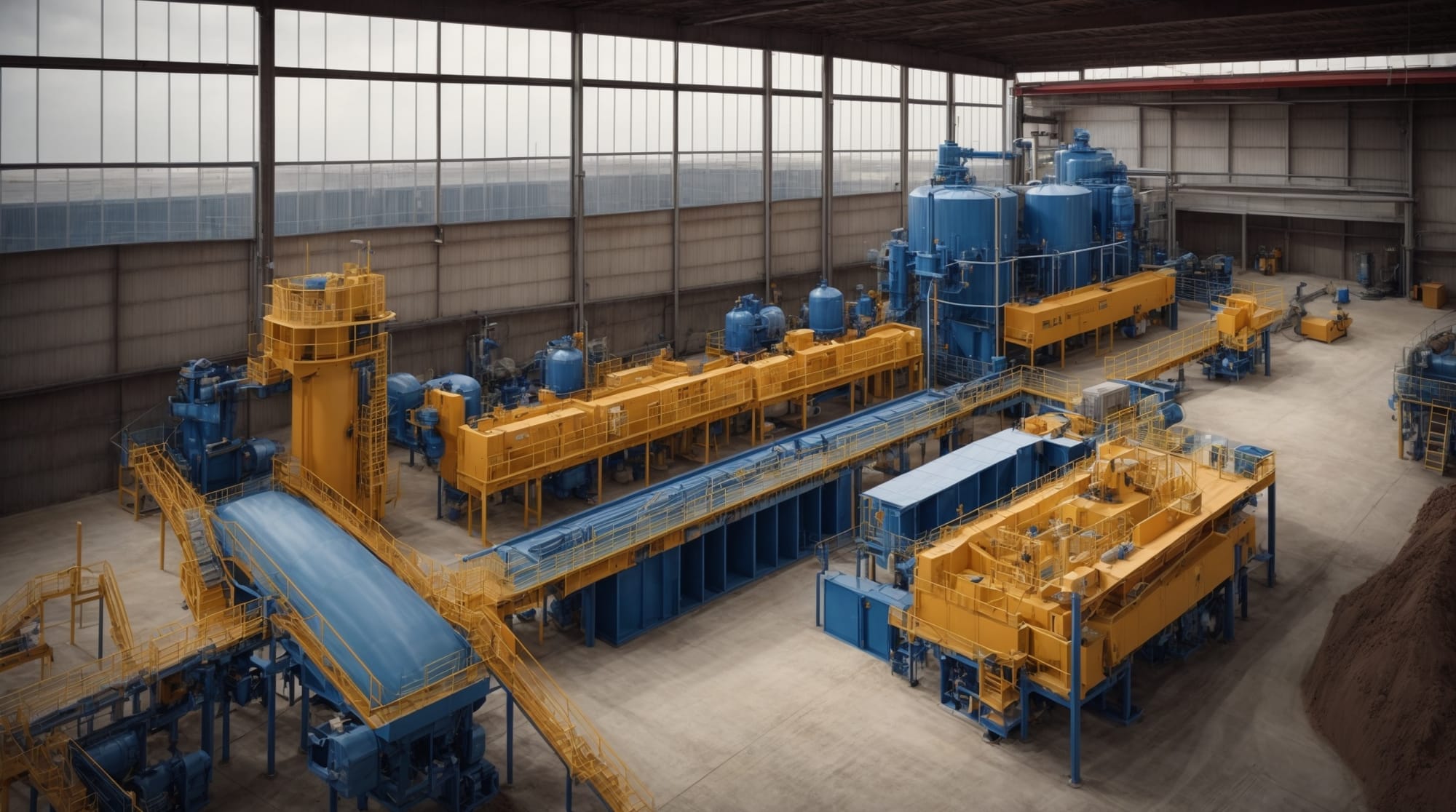
Cutting edge Mixing Techniques, in Contemporary Batch Plants
Todays dry concrete batching plants are using cutting edge mixing technologies to improve the consistency and quality of blends. Innovations such, as mixing blades and real time monitoring systems adjust the mix based on factors like size and moisture content. These advancements not guarantee better quality concrete. Also speed up the mixing process to boost overall plant productivity. Moreover; incorporating automated systems for ingredient dosing and mixing can streamline operations further by reducing errors and maintaining standards, in every batch created.
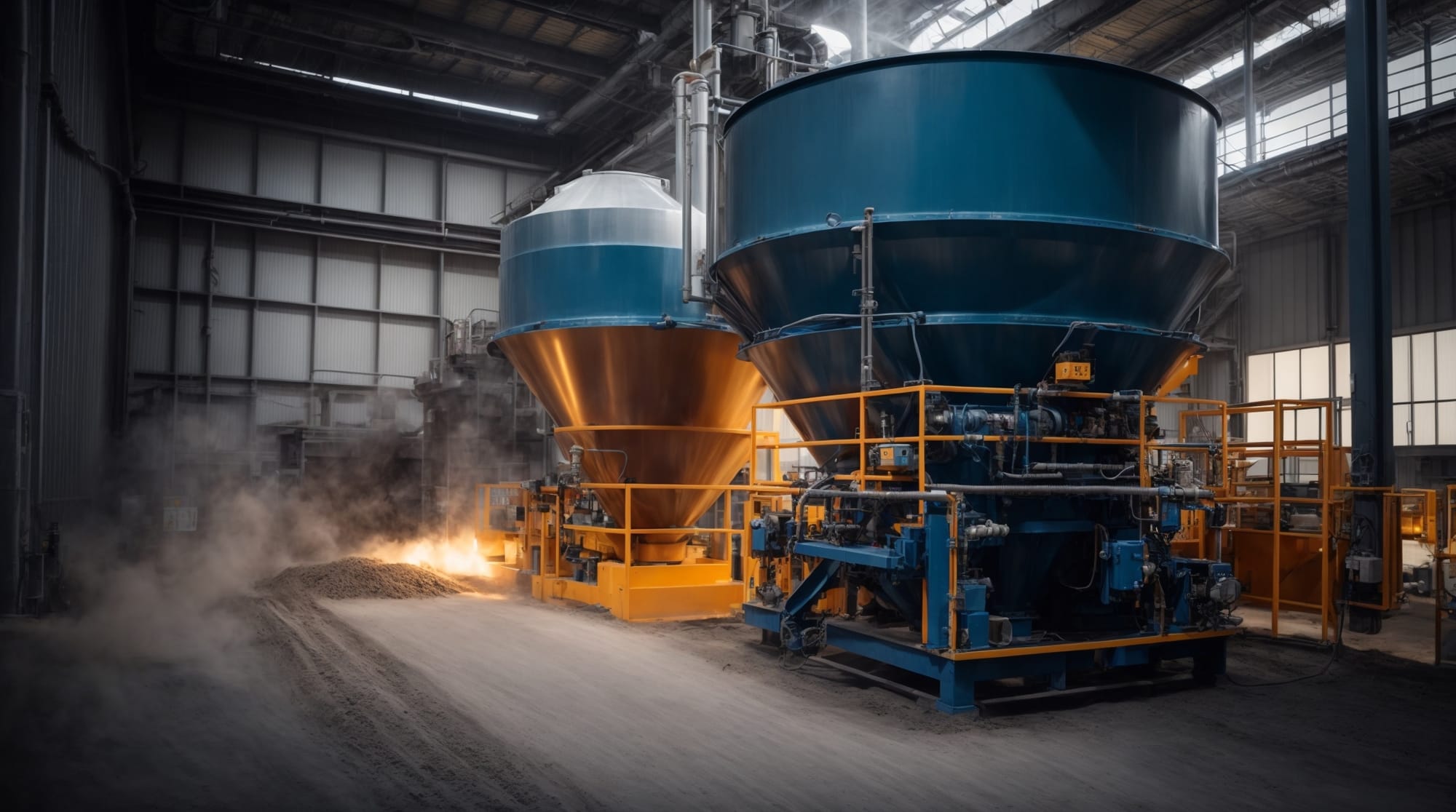
Sustainable Practices and Energy Efficiency
In concrete batching operations sustainability entails cutting down on energy consumption and lessening harm through measures, like using energy efficient motors and solar power solutions while incorporating recycled water and materials to decrease the ecological impact of the batching process in line with global environmental regulations while also bringing about substantial cost savings in the long run making sustainable practices a wise investment, for securing the future of dry concrete batching plants operations.
Handling. Resolutions, in Operating a Dry Batching Plant
Running a concrete batching plant poses difficulties such, as preserving the accuracy of mix ratios amidst environmental variables like humidity and temperature while upholding uniform quality standards is key to success in this field.A vital strategy involves implementing automated control systems that meticulously handle ingredient measurements and ratios.Training programs for operators and ongoing efforts to enhance processes are steps, in addressing these obstacles.Routine equipment upkeep and calibration play a role in guaranteeing the dependability and effectiveness of the plants operations.