The Real Reason Pharma Is Ditching Water For Cleaning Equipment
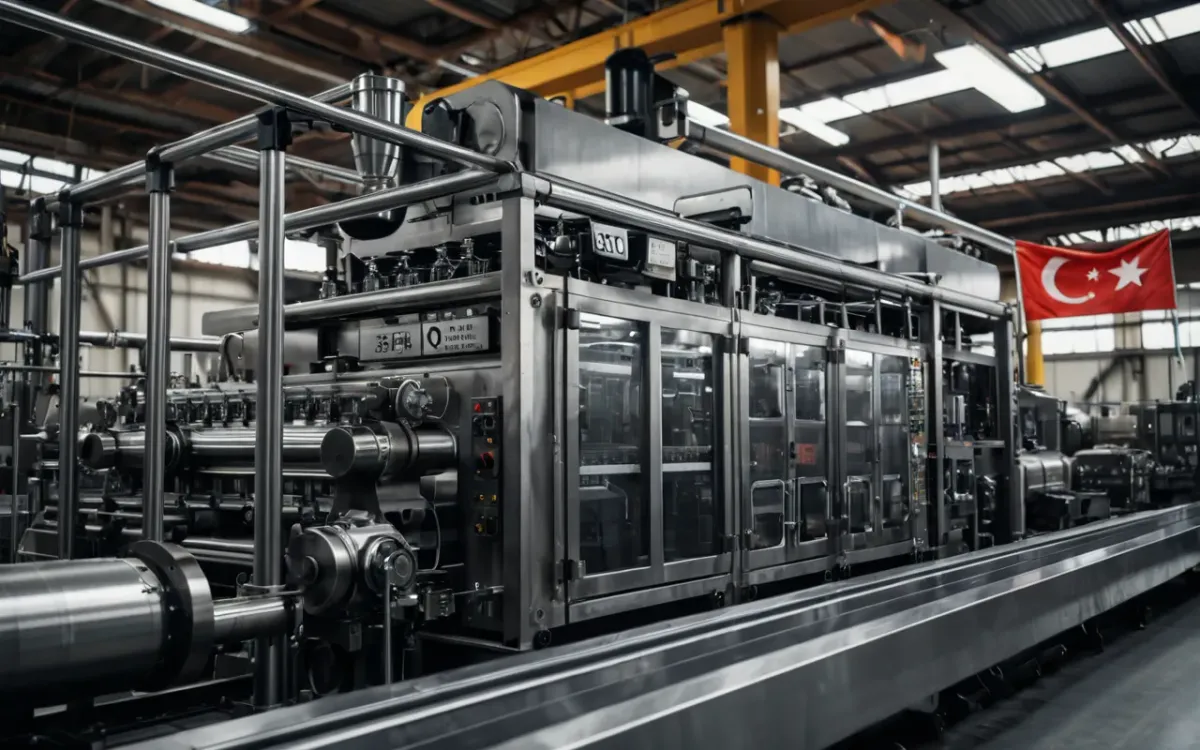
The Waterless Revolution in Pharma Manufacturing
Picture a massive pharmaceutical factory humming with activity. For decades, the sound of high-pressure water jets blasting pipes and machinery was the soundtrack of every production shift. Water was king. It cleaned everything.
But something is shifting beneath the surface. The industry is quietly pivoting away from that wet approach, embracing a starkly different method for maintaining pristine conditions in continuous manufacturing lines. This isn't just a minor tweak.
Dry cleaning technology is emerging as the heavyweight contender. We're talking about water-free systems that strip away residues without using a single drop of liquid solvent or tap water. It sounds counterintuitive, but it actually makes perfect sense.
Let's be honest. The old ways are expensive and slow. Waiting hours for equipment to dry after a wash cycle kills productivity. It also drains resources at an alarming rate.
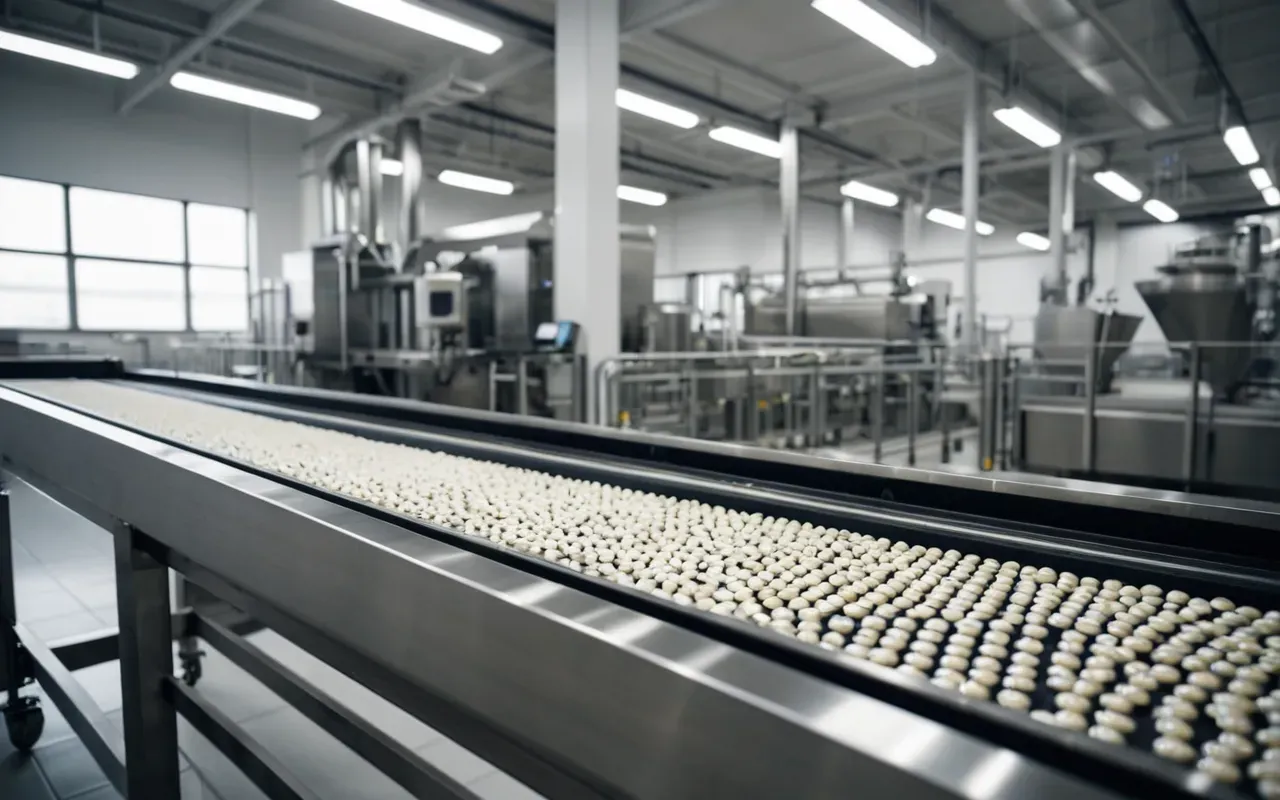
Why The Industry Is Finally Waking Up To This Shift
Continuous manufacturing is not a new concept. It's been around for years in various forms across different sectors. But pharma has always been notoriously cautious about adopting it fully.
Why the hesitation? Fear of failure. Regulatory scrutiny is intense. One contamination event can shut down a multi-million dollar production line for months.
However, the economic pressures are becoming impossible to ignore. Margins are shrinking everywhere. Supply chains face constant disruptions that threaten global drug availability.
So companies look for ways to do more with less. Dry cleaning offers a direct path to higher throughput without the massive downtime inherent in traditional wet wash cycles.
Think about it. If you can clean a mixing vessel or compression table in minutes rather than hours using specialized dry methods, your entire output scales up dramatically.
The Regulatory Hurdle Nobody Talks About Enough
Here is where things get messy. Just because the technology works brilliantly in practice does not mean regulators are immediately comfortable with it.
The FDA has issued guidance supporting continuous manufacturing initiatives. They recognize the potential benefits for public health and product quality consistency.
But specific rules around equipment cleaning remain rooted in older paradigms. Standard operating procedures often default to wet validation studies because that is what everyone knows.
Navigating Title 21 of the Code of Federal Regulations requires meticulous documentation. Every single step must be proven effective beyond a reasonable doubt.
When you introduce a novel dry cleaning protocol into an established framework designed for wet systems, the burden of proof shifts significantly onto the manufacturer.
It demands rigorous testing. You have to demonstrate that dry methods remove every trace of the previous active pharmaceutical ingredient down to microscopic levels.
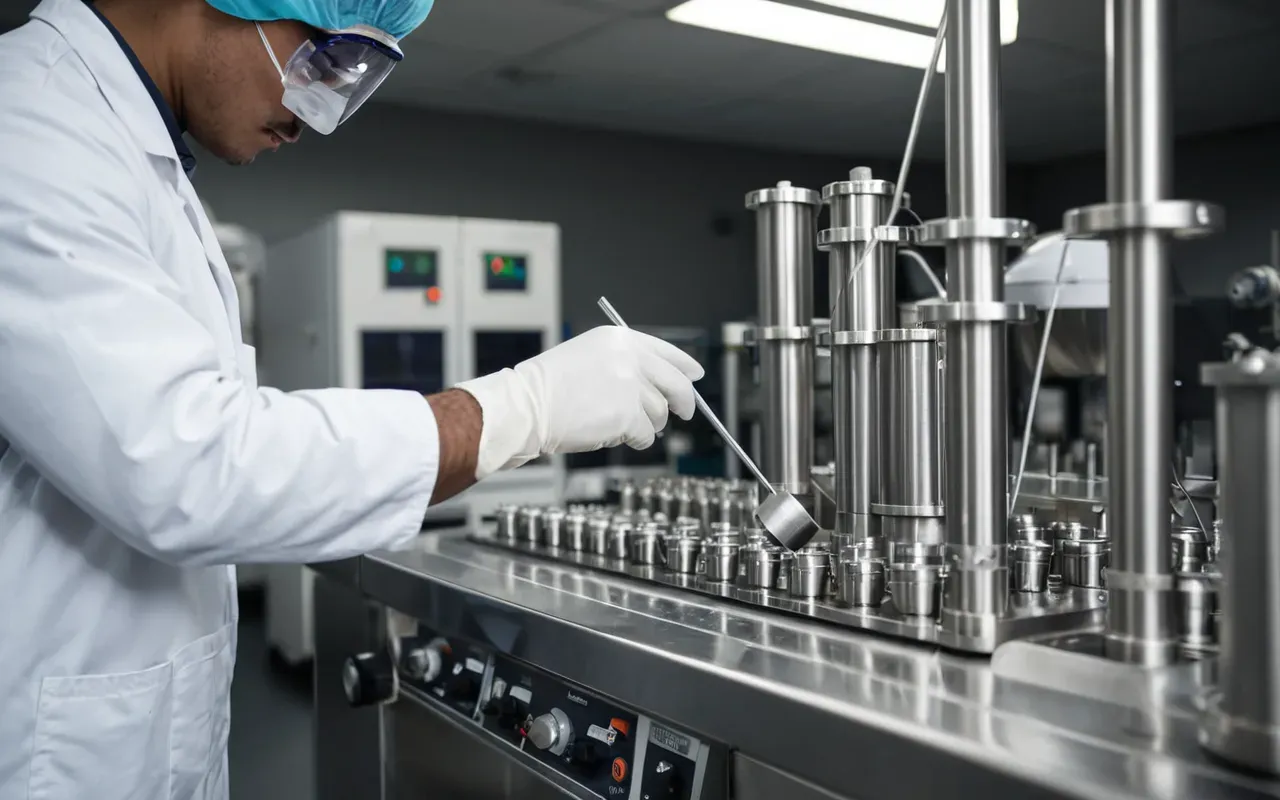
Who Actually Wins And Who Gets Left Behind?
Let's play this out. Early adopters of dry cleaning technologies gain a massive operational edge. They produce faster while spending significantly less on utilities and disposal.
Water consumption drops drastically. Waste water treatment costs vanish completely. Energy usage plummets because there is no need to heat vast quantities of cleaning fluid.
The environmental impact alone is staggering. Pharma facilities are notoriously resource-heavy due to their stringent hygiene standards.
By switching to water-free processes, companies can genuinely claim a greener footprint without sacrificing the uncompromising purity standards patients depend on.
Conversely, late movers risk falling dangerously behind. As competitors slash their operational costs using dry systems, those sticking to legacy wet methods face mounting financial pressure.
Is This Really The Future Of Drug Production?
I believe it absolutely is. We are witnessing a fundamental restructuring of how solid oral dosage forms get manufactured.
Over sixty percent of global drug sales come from pills and capsules. That represents a colossal market segment ripe for technological disruption.
The infrastructure exists. The regulatory pathways are slowly opening up thanks to collaborative programs like the Emerging Technology Program mentioned by FDA officials.
What is missing now is widespread industry confidence. It takes courage to dismantle old habits and invest heavily in unproven-at-scale methodologies.
Yet the incentives are undeniable. Speed matters more than ever in a world demanding rapid responses to evolving health crises.
Quality cannot be compromised under any circumstances. Dry cleaning actually enhances quality control by eliminating moisture-related degradation risks entirely.
Think about moisture sensitive compounds. Water can cause premature degradation or unwanted crystallization changes during prolonged wash cycles.
Removing water from the equation solves that problem elegantly. It preserves ingredient integrity right up until packaging.
And let us not forget about labor savings. Automated dry cleaning systems require minimal manual intervention compared to traditional methods.
Workers can be redeployed to higher value tasks instead of scrubbing tanks for hours on end.
The human element remains critical. Technology assists humans; it does not replace their judgment completely.
This transition will take time. Expect resistance from conservative quarters within major organizations.
But momentum is building steadily. Pilot projects are proving successful across multiple continents.
Investors are taking notice. They see the long term financial implications clearly.
Those who adapt early secure their dominance for the next decade. Those who wait pay a heavy price.
Dry cleaning is not merely an operational choice anymore. It represents a strategic imperative for survival.
The question is no longer if the shift will happen. The real debate centers entirely on how fast companies move to embrace it fully.
I keep seeing reports highlighting minor improvements here and there. That is exactly how major transformations begin.
Small efficiencies compound over time into massive competitive advantages that reshape entire markets.
It feels inevitable now. The waterless era of pharma manufacturing is already upon us whether everyone realizes it yet or not.
Comments ()