Efficiency and Innovation in Batch Plant Designs
Getting the most out of batching is a priority, for many construction projects. The process can be a bit tricky. Making it more efficient can save time and money in the run. To really optimize batching it's essential to get the basics right. Figuring out the balance of ingredients and timing is crucial. When all the pieces fall into place the result is an operation that can handle jobs without breaking a sweat.
The construction industry is going through a change now driven by new and improved batch plant designs. These updated facilities are designed to handle the growing need, for construction projects that can be completed quickly and without breaking the bank. One way they're doing this is by cutting down on wasted materials and streamlining every part of the process from when the raw materials come in to when the concrete's poured. This approach is making building projects efficient overall which is a major plus for the industry. Dry batching plants in particular are playing a role, in this shift helping to get projects done faster and with waste.The addition of cutting edge automation has an impact, on these plants allowing them to run with a level of accuracy that was previously unattainable. By doing they're able to minimize mistakes and produce consistent results. But whats really noteworthy is how these upgrades to the plants design and technology are not making them more efficient they're also helping to reduce the footprint by using fewer resources and lowering emissions. A major win, for sustainable building methods.
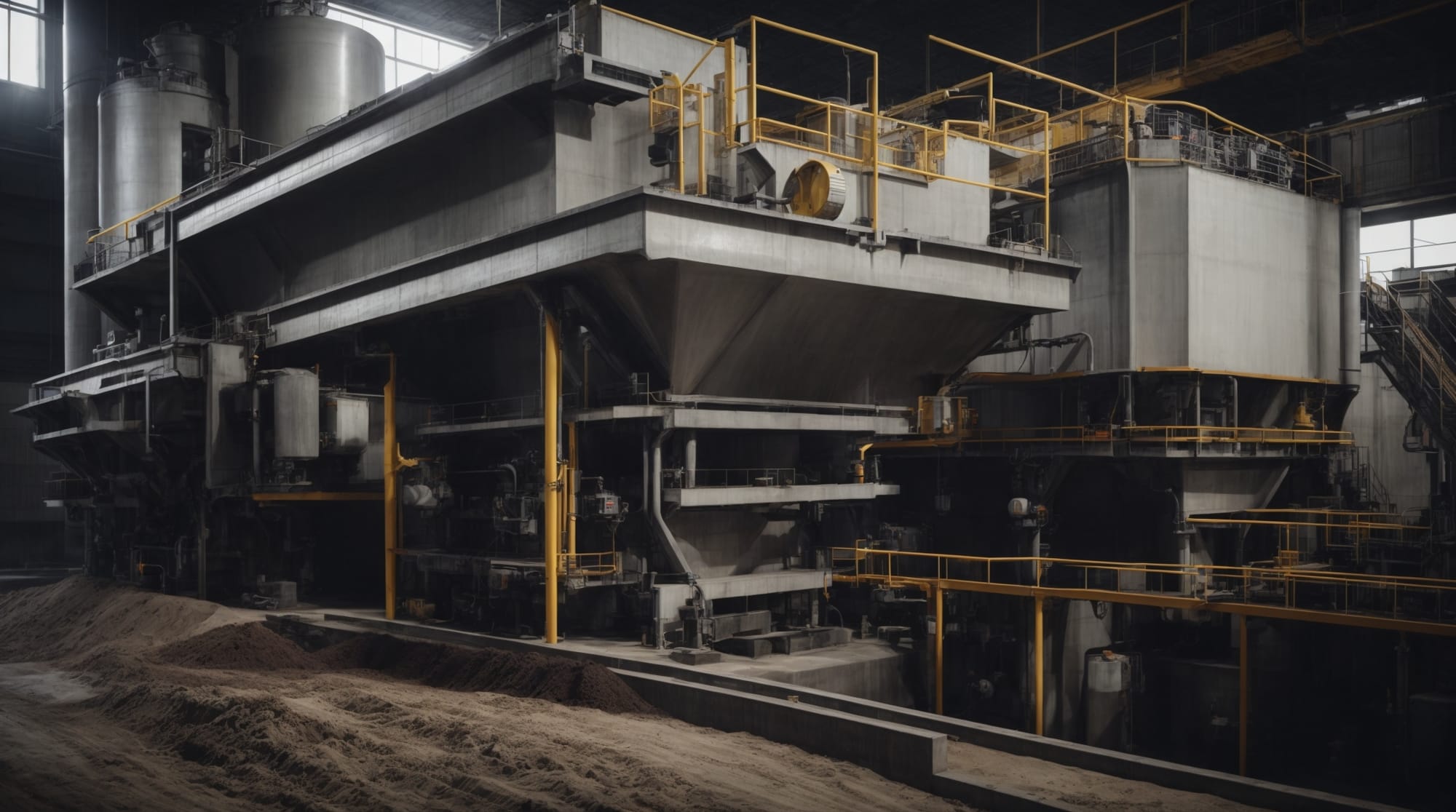
Time is money, in construction and delays can be incredibly costly. That's why modern building projects rely on state of the art concrete batching plants. These plants use designed systems to mix and deliver materials quickly and efficiently. At the heart of these systems are algorithms that figure out exactly how much of each material is needed. This precision prevents waste. Guarantees top notch building materials. By getting the mixing process companies can meet their tight deadlines and get more work done which means fewer hold ups and a faster turnaround, on projects. It all adds up to a build.
Making batching systems better for the planet is a part of designing them today. When it comes to building these systems one thing thats really important is making sure they can withstand the test of time while also being kind, to the environment. This means using materials and techniques that not make the system durable but reduce its impact, on the earth. By doing modern batching systems can be both functional and eco friendly.
Concrete batching is much, about durability as it is about mixing robust concrete. The equipment itself has to withstand the elements and harsh conditions of a construction site. These days batching plants are being designed with materials and technologies that can handle all thats thrown at them. To make them last longer manufacturers are using materials that can resist wear and tear well as technologies that prevent corrosion. They're also finding ways to make the whole process more sustainable like using recycled materials andadvanced systems, for managing water. All of which helps reduce the impact construction has on the environment. This approach not helps the environment. Also ensures that the batching equipment remains in good working order for a long time.These kinds of efforts don't just help achieve sustainability goals. They also cut down on operating costs by reducing the need, for resources.
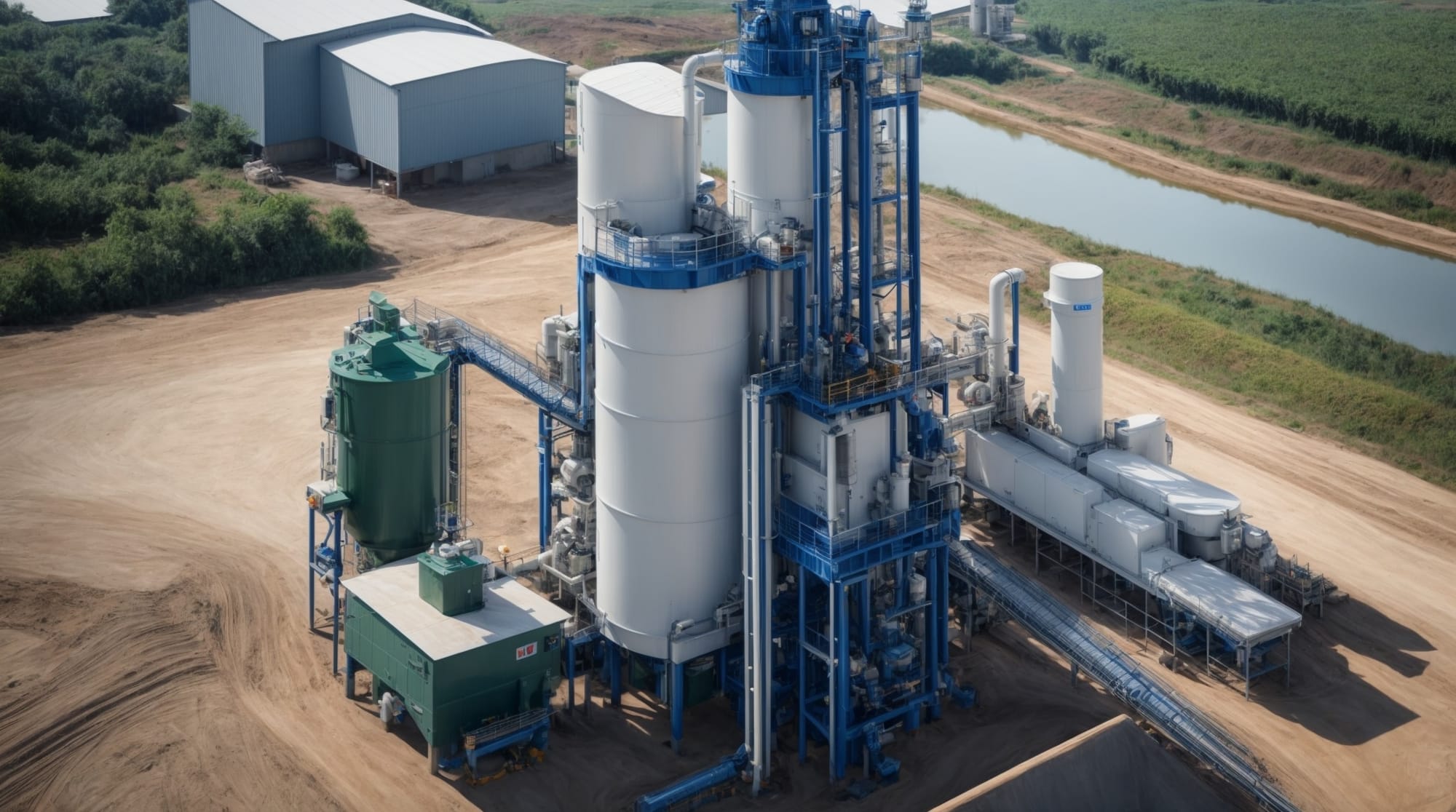
The use of Internet of Things technology, in concrete batching plants is changing how these plants work. With sensors and connected devices collecting data as things happen operators can keep an eye on things. Make changes on the spot. This setup also helps with maintenance. Problems can be flagged and fixed before they cause issues, which makes the whole batching process more reliable. By staying on top of things plants can run smoothly. Avoid costly shutdowns.In data analysis there's a big plus. It helps with improvements, in batch processing. This means plants can always tweak and refinement their systems to run smoothly which in turn helps them meet efficiency standards over time.
Looking ahead the batch plant industry is, on the cusp of some developments. As technology continues to advance we can expect to see some changes, in how these plantsre designed. What might the future hold for batch plant design. Which technologies are likely to have the impact? The coming years will be interesting to watch as new ideas and innovations start to take shape.
As we move forward it's probable that the development of autonomous batch plants will keep gaining momentum. The role of AI algorithms will likely expand, helping to fine tune mix designs and streamline logistics, which should make plants run efficiently and reduce the need, for human oversight. One interesting development, on the horizon is twinning. A technology that allows for modeling of batching processes. This will enable companies to test and optimize their systems in an environment before putting them into practice, which could lead to some improvements.New technologies, on the horizon are likely to revolutionize the construction material industry making it possible to build in ways that haven't been feasible, until now. This could lead to buildings that're better equipped to withstand the test of time and also make the construction process more efficient.