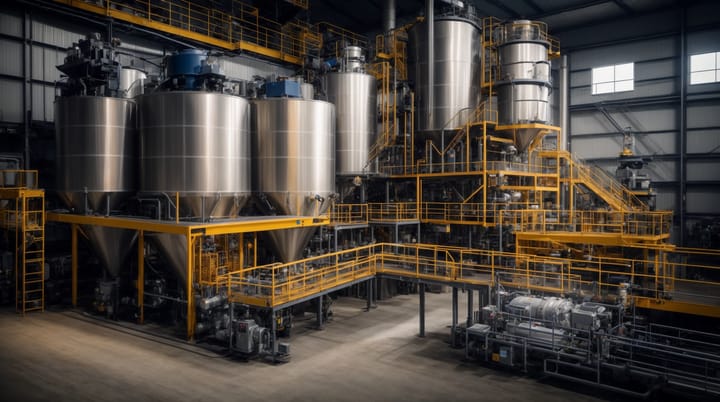
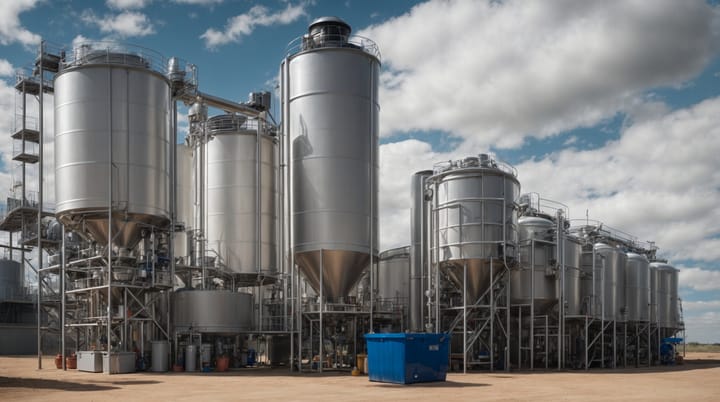
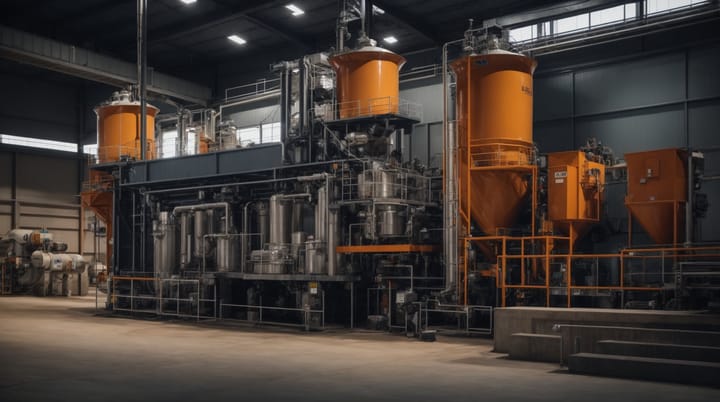
Exploring Efficient Concrete Mixing Techniques for Dry Batching Plants
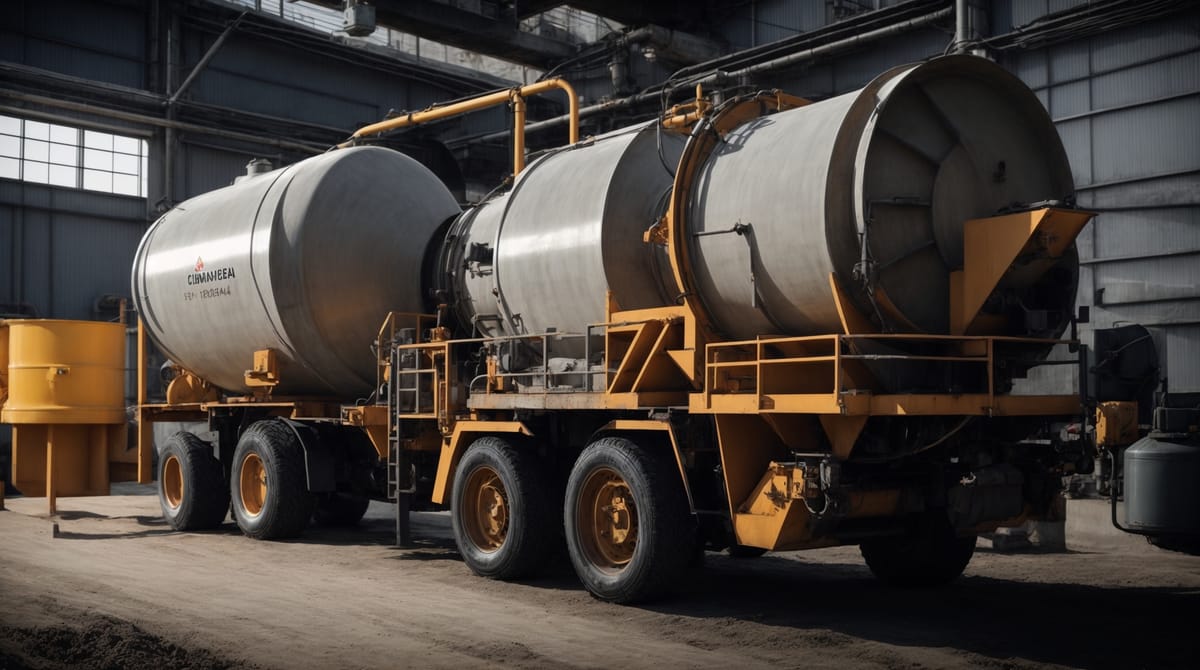
Understanding Concrete Mixing in Dry Batching Plants
Concrete mixing methods differ significantly between various types of batching plants. In dry batching plants, where concrete components are combined without prior water addition, in contrast to wet batching, precision and timing become especially vital. This approach not only guarantees optimal material utilization but also affects the durability and strength of the finished product. By grasping how materials like cement, aggregates, and additives interact during the dry mix process, engineers can enhance the quality and consistency of concrete. Moreover, improvements in mixing equipment and techniques can lead to more efficient operations and reduced costs.
Key Technologies in Modern Concrete Mixers
The progress of mixing technologies is vital for the efficiency of dry concrete batching plants. Contemporary concrete mixers come with features like programmable logic controllers and automated dosing systems, which aid in accurately regulating the quantity and blend of input materials. Moreover, utilizing robust, high-performance materials in the construction of mixers improves durability and minimizes maintenance needs. Grasping these technologies enables plant operators to make educated choices regarding equipment investments and operational strategies.
Benefits of Automated Mixing Systems
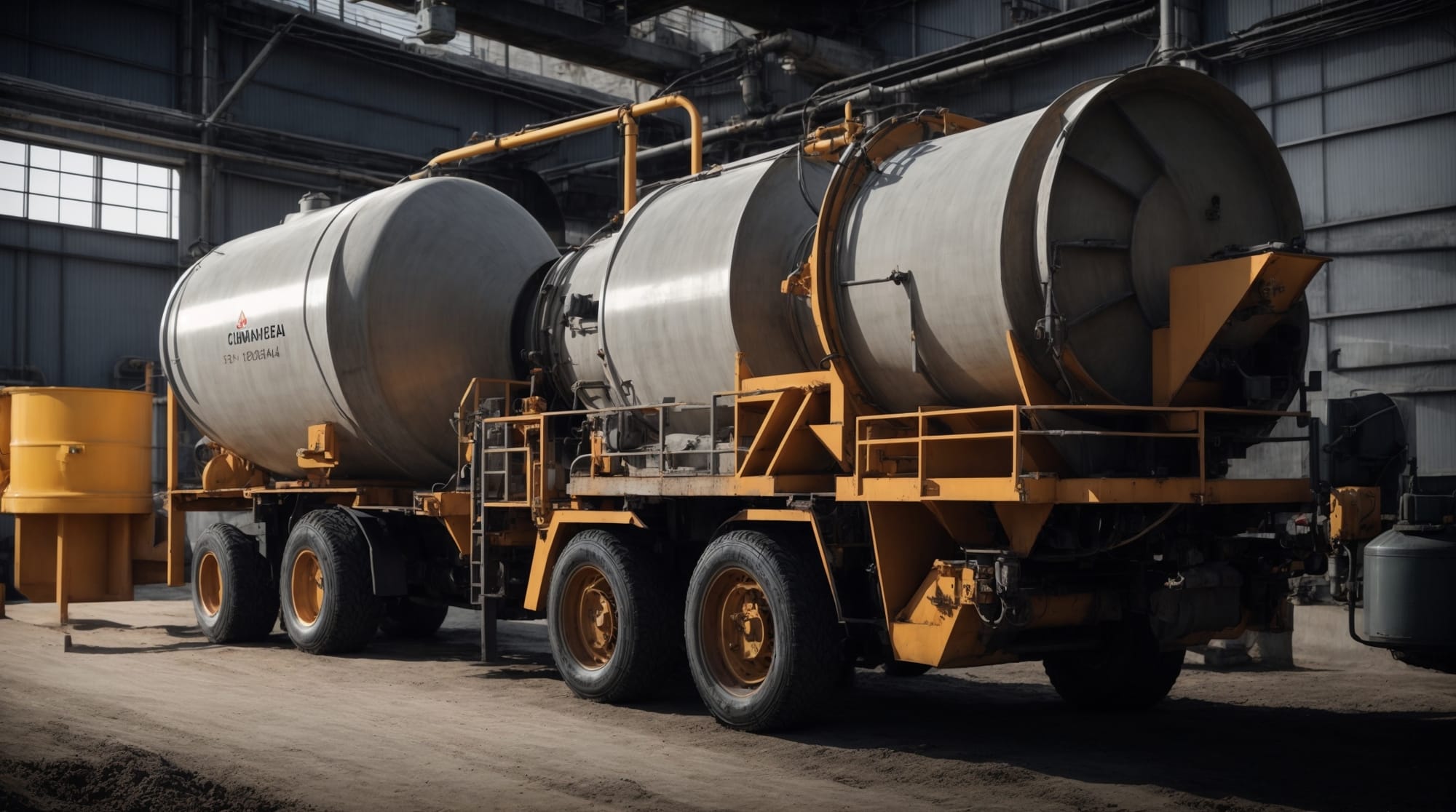
Automated mixing systems provide numerous advantages for dry concrete batching plants, including improved consistency in concrete quality and decreased human error. By automating concrete mixers, production speeds are increased, and each batch of concrete is mixed to the precise specifications needed for the project. This level of accuracy is crucial for projects that demand high-quality standards, such as skyscrapers and bridges. Additionally, automation lowers labor costs and enhances worker safety by reducing the need for manual involvement in the mixing process.
Challenges in Dry Concrete Mixing
Despite its benefits, dry concrete mixing encounters various challenges. The lack of water during the initial mixing phases can result in dust problems, which impact both the health of workers and the surrounding environment. Furthermore, achieving a uniform mix can be more difficult in dry conditions, potentially compromising the structural integrity of the concrete. Developers and engineers need to tackle these issues by introducing effective dust management systems and consistently monitoring the quality of the concrete mix.
Future Trends in Concrete Mixing for Dry Batching
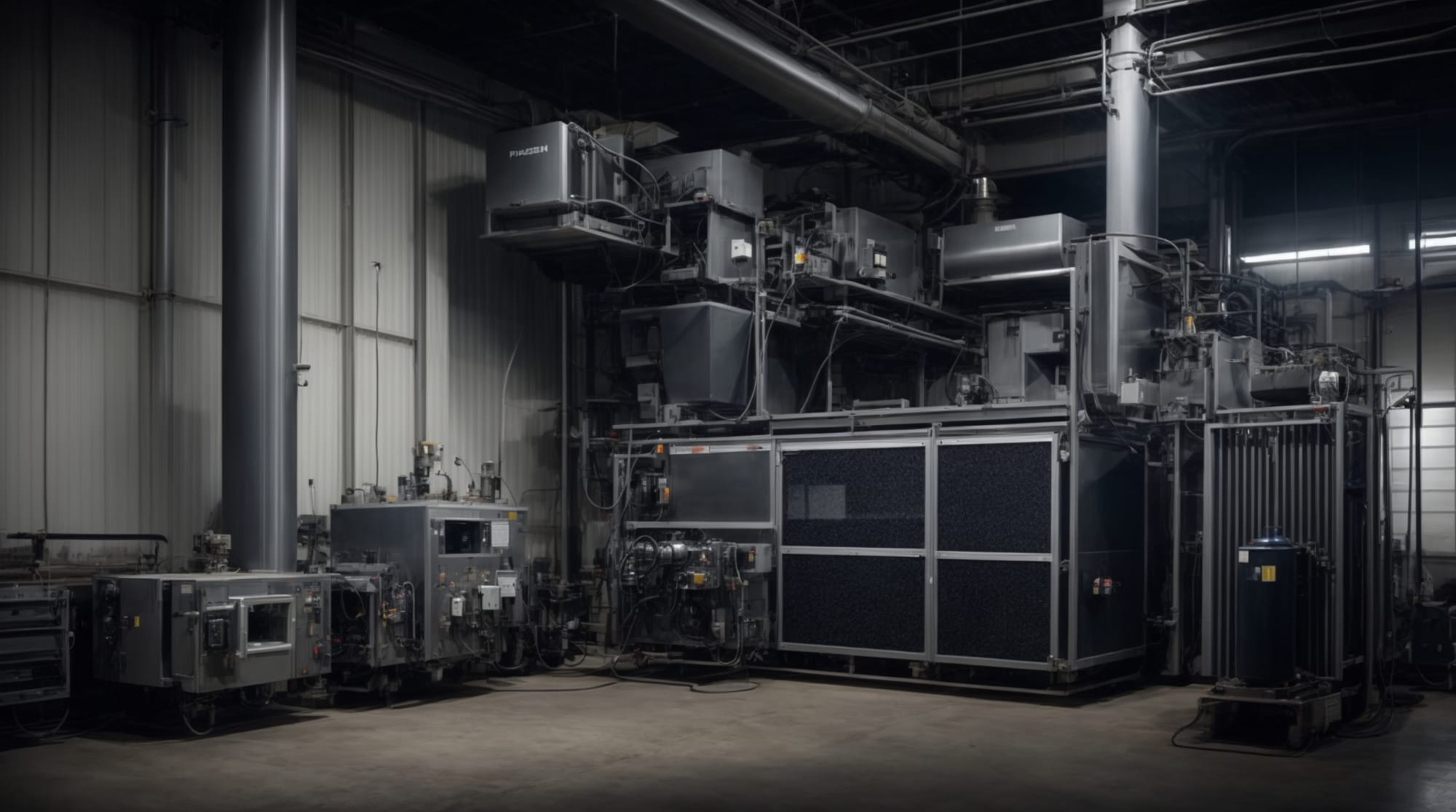
Looking ahead, the future of concrete mixing in dry batching plants hinges on technological advancement and environmental sustainability. As the construction sector shifts towards more sustainable practices, the emergence of eco-friendly mixing methods that minimize waste and energy consumption will become increasingly common. These innovations will not only guarantee adherence to global environmental standards but also enhance cost-effectiveness over time. Adopting these trends will be essential for companies aiming to remain competitive in a swiftly changing industry.