Exploring the Role of Eco-Friendly Concrete in Sustainable Construction
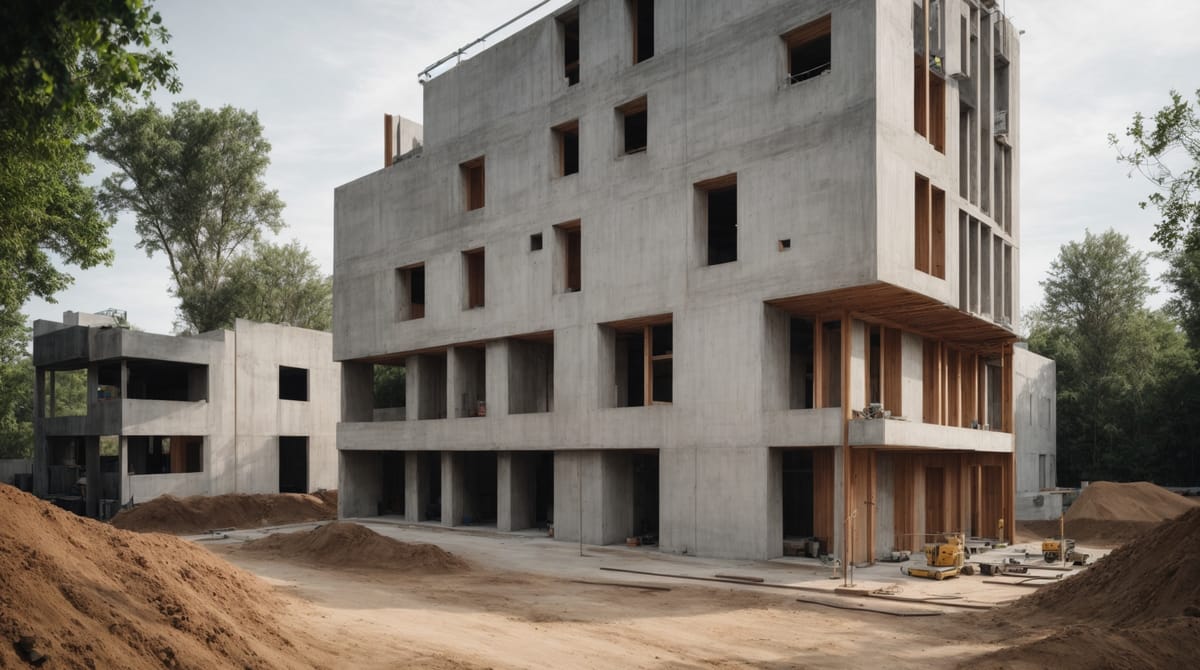
The construction industry is currently at a pivotal point, with the growing demand for sustainable practices driving innovations in building materials. Among these, eco-friendly concrete stands out as a crucial component. Historically, concrete production has been linked to high carbon emissions and a considerable environmental impact due to the extraction and processing of raw materials. Nevertheless, the emergence of eco-friendly concrete options presents the opportunity to significantly lessen these effects. By integrating recycled materials, decreasing dependence on virgin resources, and utilizing energy-efficient manufacturing methods, this modern form of concrete not only promises a reduced environmental footprint but also excels in durability and cost-effectiveness.
Beneficial Features of Eco-Friendly Concrete
Eco-friendly concrete provides numerous advantages that position it as a favored option for sustainable building. Firstly, its minimized carbon footprint plays a crucial role in combating climate change. Components such as fly ash, slag, and recycled aggregates, commonly incorporated in eco-friendly concrete, help achieve this reduction in carbon emissions. Moreover, the increased durability of eco-friendly concrete ensures that structures endure longer, lessening the necessity for regular repairs or replacements. This kind of concrete also demonstrates superior resistance to various environmental challenges, such as extreme weather and chemical interactions, making it an adaptable choice for diverse construction endeavors.
Case Studies: Successful Implementation of Eco-Friendly Concrete
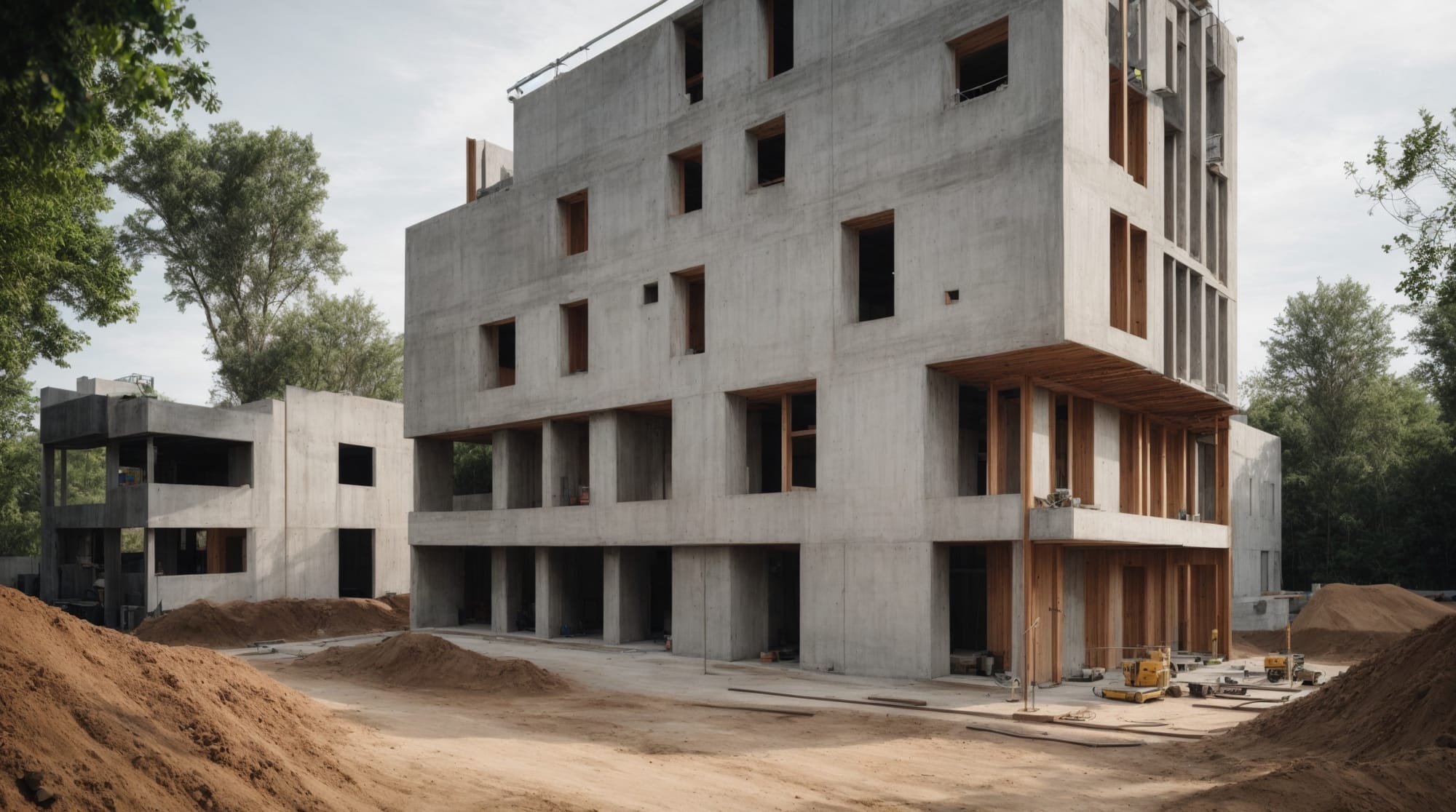
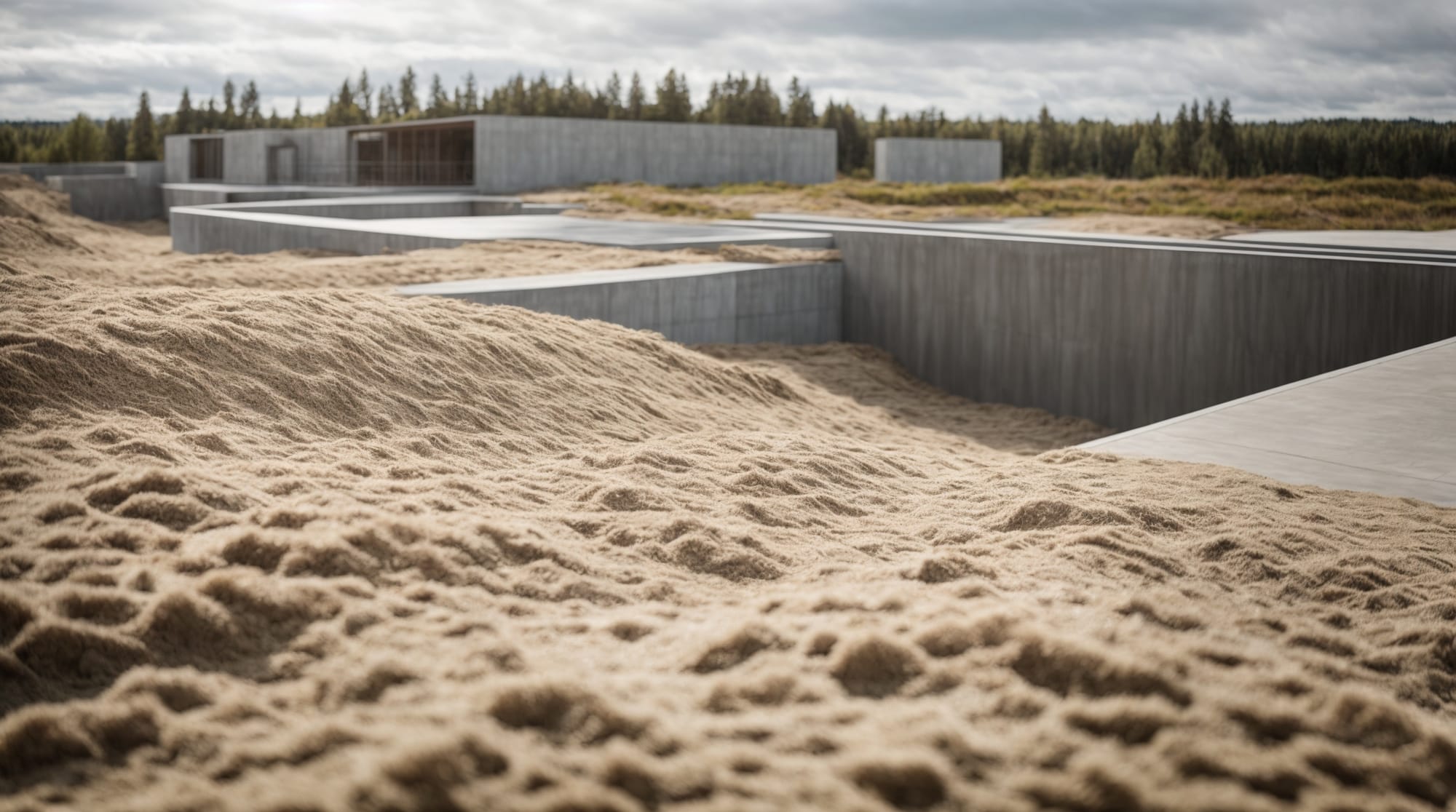
Several case studies showcase the effective use of eco-friendly concrete in various projects. For example, a recent initiative in the Pacific Northwest employed eco-friendly concrete for constructing a large commercial complex. The project made use of local recycled materials, which notably lowered transportation emissions and construction costs. Another instance comes from a residential project in Scandinavia where builders implemented a specially designed type of eco-friendly concrete that included seaweed and other organic materials, thereby advancing sustainable building by utilizing local, renewable resources.
The use of eco-friendly concrete comes with its own set of challenges. Factors like the initial costs associated with material research and development, along with the regulatory approval process, can create obstacles. Additionally, there is a pressing need for extensive education and training for builders and contractors to embrace these new materials. Despite these hurdles, the movement towards eco-friendly materials is anticipated to increase, fueled by stricter environmental regulations and a changing market demand from consumers who emphasize sustainability in their building decisions.