Why The Hidden Design Flaw in Standard Dry Concrete Batching Plants Could Be Sabotaging Your Construction Projects

The Overlooked Flaw That Could Be Costing Your Construction Efficiency
In the vast landscape of construction automation and equipment innovation, a startling revelation is emerging among industry insiders: many dry concrete batching plants are designed with a fundamental flaw that subtly sabotages the very efficiency they aim to maximize. This flaw, often hidden beneath layers of conventional design principles, revolves around the inconsistent distribution of materials within the plant's batching system. While most engineers focus on automation enhancements, material flow dynamics that dictate the consistency and quality of concrete are frequently overlooked. Addressing this overlooked design flaw isn't just a matter of marginal improvements; it’s a game-changer for reducing waste, accelerating throughput, and ensuring reliable product quality across projects. Recognizing and rectifying this flaw requires a deeper understanding of how material flow and aggregate segregation directly impact operational performance, something that many manufacturers and engineers remain unaware of despite its critical importance.

Most conventional dry concrete batching plants are optimized for speed and automation, but their core issue lies in how materials—aggregates, cement, and additives—are fed and mixed. When the design neglects the intricacies of flow behavior, it leads to uneven distribution of ingredients, which can cause inconsistency in concrete strength and appearance. This process involves complex physics including particle segregation and flow stratification, which, if unaccounted for, inevitably results in material clumping, inconsistent batching, and ultimately, compromised construction quality. The key is to engineer systems that balance throughput with controlled flow patterns, ensuring homogeneous mixing from the initial feed to final discharge. This nuanced approach reflects a departure from traditional designs that prioritize volume over material behavior, a mistake that few manufacturers recognize amid the race for higher capacity and automation.
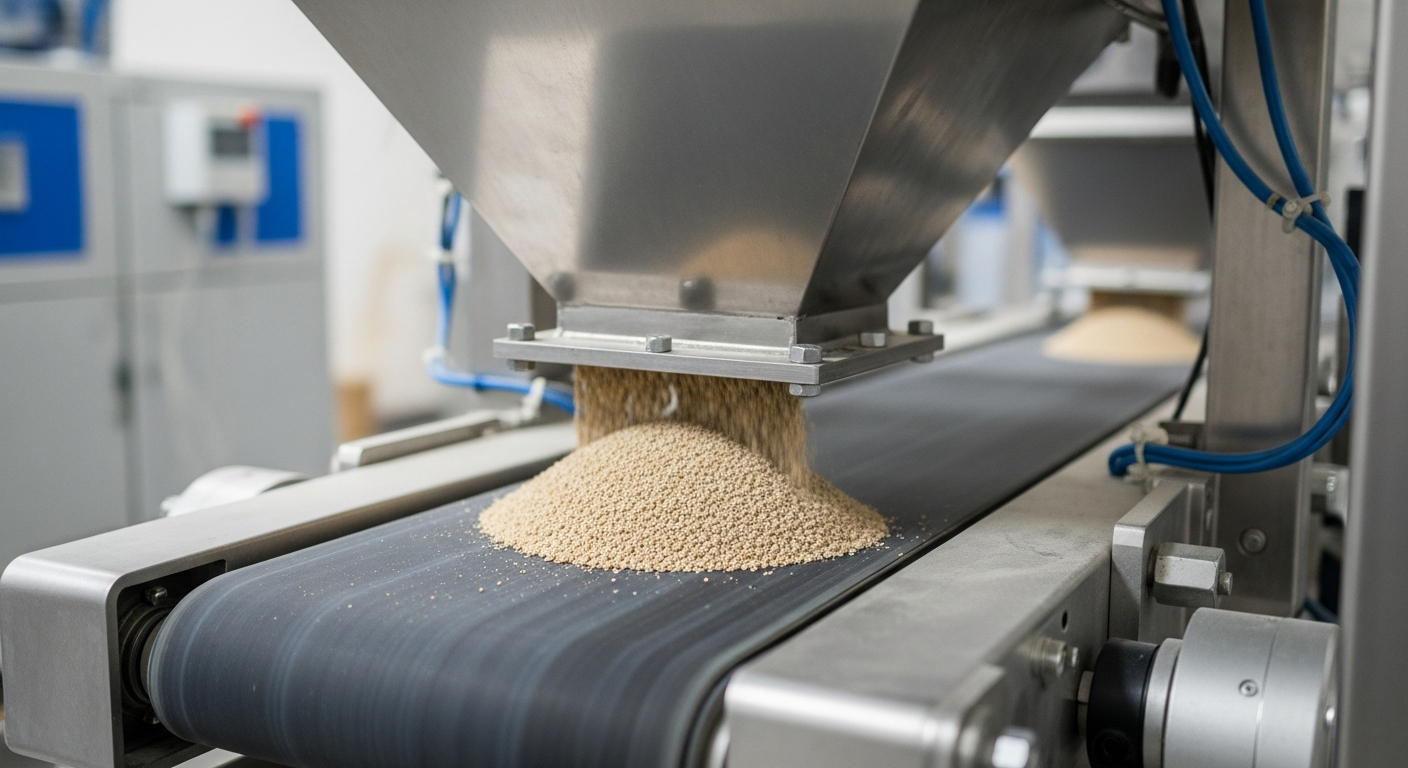
Addressing this subtle yet critical flaw calls for a paradigm shift in batch plant design: integrating advanced flow modeling and adaptive material handling technologies. Engineers are now exploring innovative solutions such as dynamically adjustable feeders, fluidized silos, and real-time flow sensors that monitor and correct segregation as it occurs. These upgrades, often overlooked in traditional models, enable plants to maintain a consistent blend ratio directly from the storage phase through to the batching process, eliminating the variability caused by particle segregation. Such design innovations are not merely theoretical—they are increasingly being implemented by forward-thinking manufacturers aiming to produce high-quality, durable concrete while maximizing operational uptime. Recognizing and correcting this overlooked flaw directly contributes to smarter, more sustainable construction practices that align with modern demands for precision and efficiency.

The future of dry concrete batching plants is increasingly centered around intelligent design that minimizes material segregation and maximizes efficiency. Advanced digital twins and simulation software now enable engineers to model material flow before physical construction, pinpointing potential dead zones or segregation hotspots. Additionally, innovations such as modular flow control units and integrated sensors allow ongoing adjustments that compensate for variations in raw material characteristics. These technological strides point towards an era where batching plants are not static entities but adaptive systems capable of self-optimization in real time. Such evolution promises not only enhanced concrete quality but also significant reductions in waste and energy consumption, aligning with global sustainability goals and redefining industry standards.

In conclusion, recognizing the overlooked internal design flaw rooted in material flow dynamics is essential for progressive construction companies committed to quality and efficiency. As the industry advances, those who fix these subtle issues unlock the potential to produce more durable, consistent, and cost-effective concrete. Whether you’re selecting a new dry batching plant or upgrading existing systems, embracing innovative flow management techniques will ensure your projects meet modern standards. For a comprehensive understanding of how cutting-edge design can be integrated into your operations, exploring modern techniques in dry concrete batching plant design offers valuable insights. Staying ahead of these critical issues ultimately elevates your construction outcomes, making you a leader in sustainable, high-performance infrastructure development.
Material flow behavior determines how evenly ingredients are distributed during batching. Proper design ensures homogeneity, consistent concrete quality, and reduces waste, directly affecting project success.
Innovations like real-time flow sensors, adaptive feeders, and digital modeling help monitor and adjust material flow, ensuring consistent batching and reducing segregation issues.
If inconsistent concrete quality, excessive waste, or frequent maintenance issues persist, upgrading with advanced flow management systems can resolve these problems and improve project outcomes.
Comments ()