The 5 Billion Tonnes of Red Mud Sitting Behind Dams Is Finally Being Turned Into Concrete
The Billion Tonnes Problem Nobody Wants to Discuss
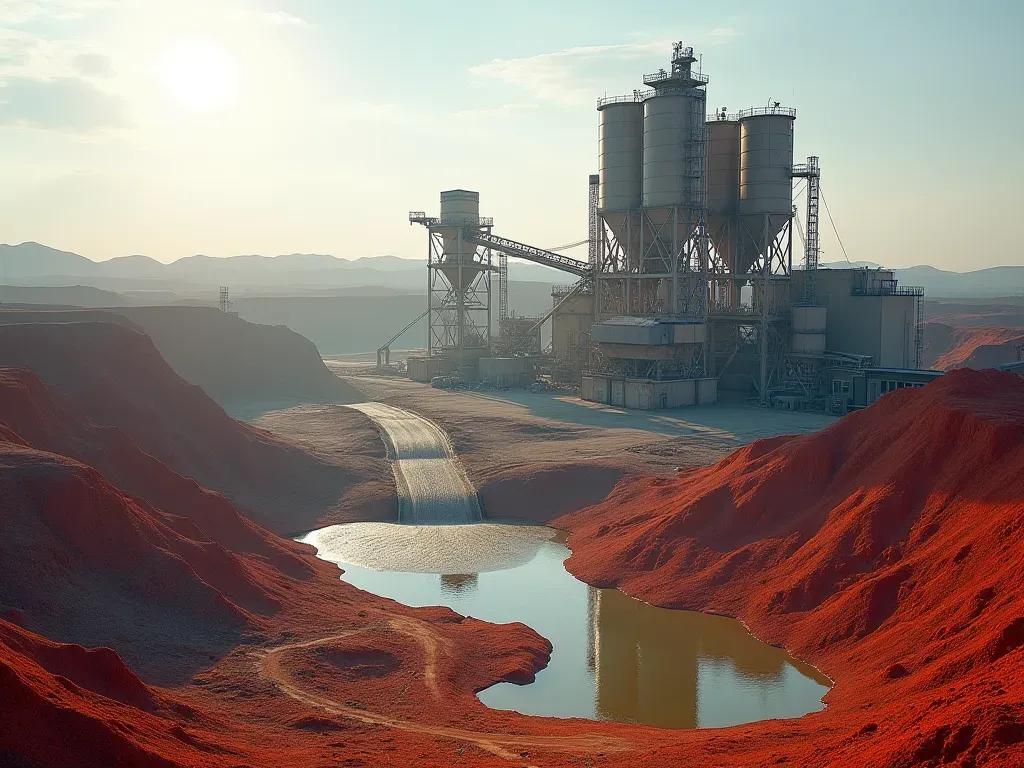
Most people figure concrete is just grey rock. The real story, though, is the red sludge sitting behind dams — the waste left over from making aluminium. We've got roughly five billion tonnes of it stacked up right now. And it grows by two hundred million tonnes every single year. That's a massive environmental liability, and nobody seems to have cracked it.
What struck me is how little attention this gets. We talk about carbon emissions from cement factories. We argue about electric trucks. Meanwhile this toxic, alkaline mud just accumulates. It eats land. It threatens water tables. For every refinery producing alumina, it's a ticking clock. The solution finally arrived from an unlikely place: a university lab in Dublin.
Trinity College Dublin teamed up with local firms. And they didn't just make a lab sample. They pushed the material through real industrial batching equipment. That's the detail most articles miss. Factory proof, not beaker proof. It's the critical step that separates hype from reality.
Why the Dry Binder Format Changes Everything
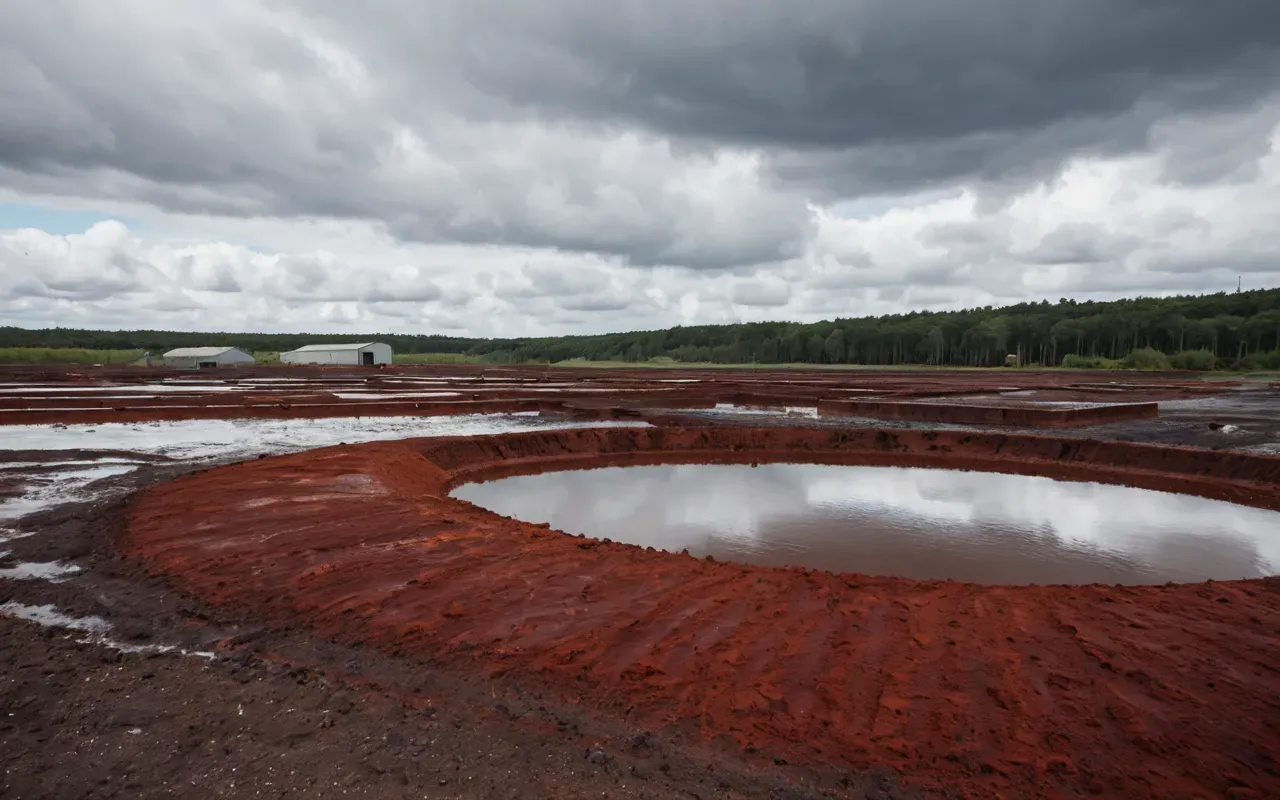
Here's the thing. Most low-carbon cements fail in the field. They work in the lab because the conditions are perfect. But on a job site you need speed. You need reliability. You need a mix that flows out of the truck easily. The new Irish geopolymer is a dry powder. It mixes with water just like standard cement.
That compatibility is huge. Existing plants don't need a total overhaul. They can use their current silos. Their existing trucks. It removes a massive barrier to adoption. Manufacturers like Gannon Eco and McGrath Quarries ran these mixes through their standard lines — and the fact that it worked is the quiet victory here.
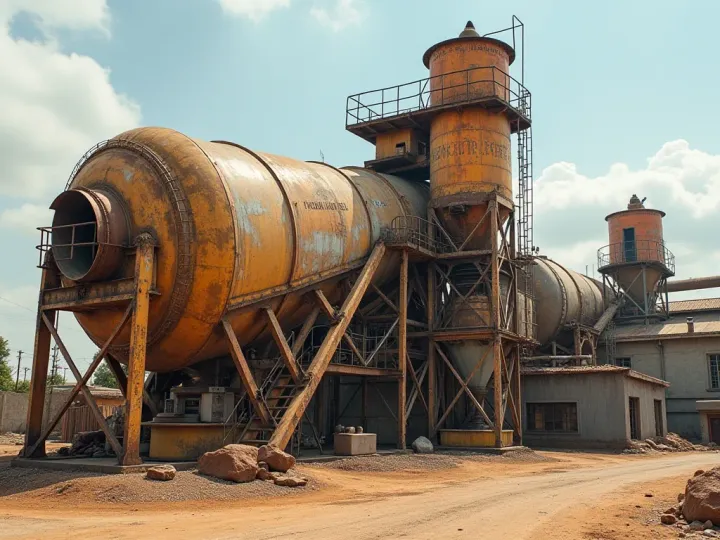
If you've ever wondered what actually happens inside a concrete batching plant before the mix leaves, this innovation fits right into that workflow. No new dosing systems for liquid activators. The process stays simple. And in construction, simplicity is the enemy of failure.
The Carbon Numbers That Make Engineers Pause
The reported carbon cuts range from . percent to . percent. Not a typo. Nearly percent less carbon than standard cement. Put it this way: if standard cement is a -kilometre drive, this material is a -kilometre trip. On a building project, that's a massive reduction in the carbon ledger.
But let's be honest. These are early assessments. They cover supply, transport, and manufacturing. Not yet the full lifecycle of the building. We need independent verification. We need real-world data. Still, the direction is clear. The cement industry has been stuck in a carbon rut for decades, and this breaks the rut.
The baseline here is standard CEM II-A/L cement, widely used across Europe. So the comparison is fair. Not apples to oranges — a new binder against the current standard. And the drop in emissions is significant enough to change procurement decisions. Enough to make buyers ask questions.
Durability Tests That Surprised the Research Team
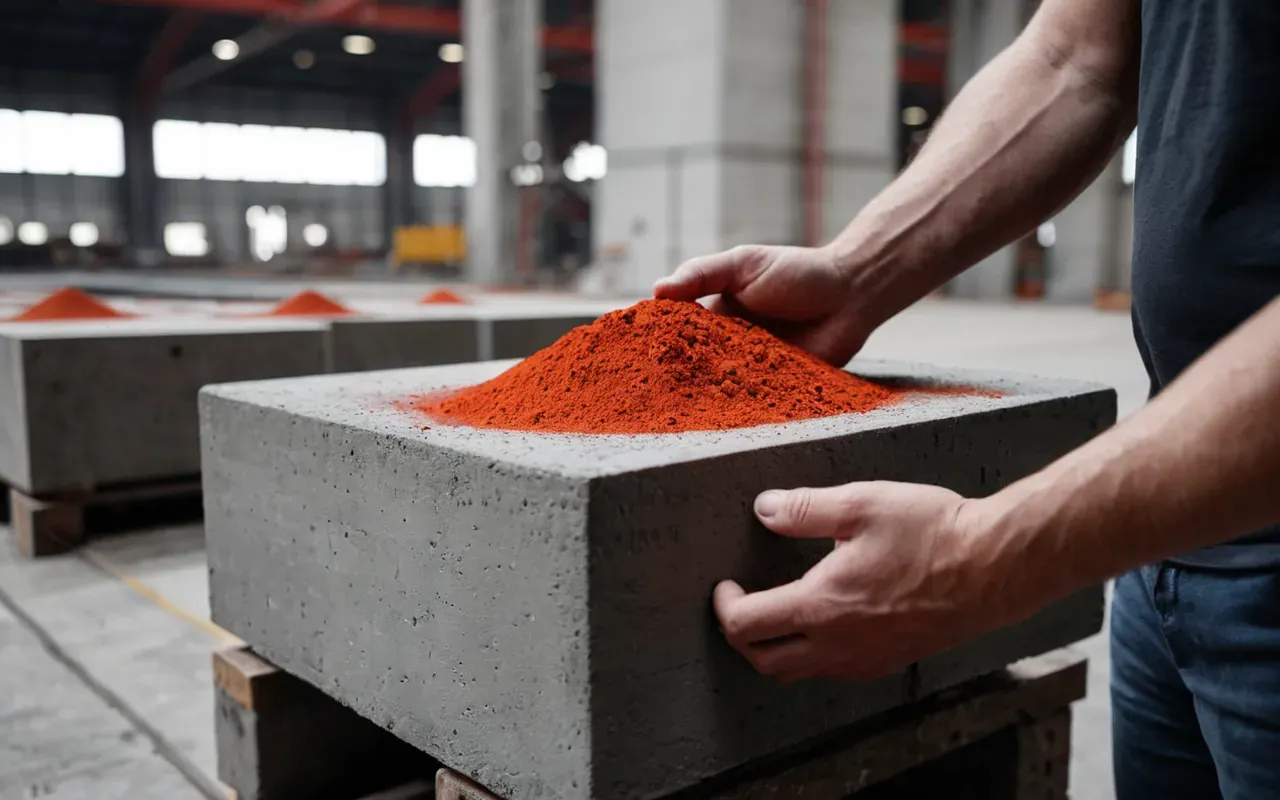
Strength is one thing. Durability is another. Concrete lives for decades. It faces frost. It faces salt. It faces wet and dry cycles. The Irish team tested their geopolymer under all of them, and the results were surprising. After freeze-thaw cycles, the material retained . percent of its strength. It actually got stronger.
How? The binder reactions keep going during the test. The material keeps curing even under stress. That's not standard behaviour for many low-carbon mixes — usually they lose a bit of strength. This one gained it. It suggests a very stable chemical structure, which is a strong sign for long-term performance in cold climates.
Sulphate resistance was a key metric too. Lots of alternative binders fail here. They crumble when exposed to sulphates in soil or water. This mix matched conventional concrete. Held its shape. Held its strength. For foundations and infrastructure, that's critical. It means the material can be used where it matters most.
The Real Barrier Is Not Chemistry but Cost
Now, money. Activators are expensive — the alkaline ingredients that make geopolymers harden cost a lot, and transport from the refinery adds more. Those are the real hurdles. The chemistry works. The durability works. But if it isn't cheaper than standard cement, it won't win. It has to be competitive.
Here's the good news: red mud costs nothing. It's waste. It's already produced. The only cost is processing and transport. Reduce those and the price drops. Some of the current high cost is just low volume, and as demand grows, prices will fall. Classic market dynamic. We saw it with solar panels. We'll see it here.
Regulatory approval is the final gate. Builders need certifications. They need standards. They need proof the material is safe. That takes time — years, honestly. But the process has started, and the industrial trials are a step toward that approval. It's not there yet. But it's moving. And that's all we can ask for now.
What This Means for the Batching Plant Industry
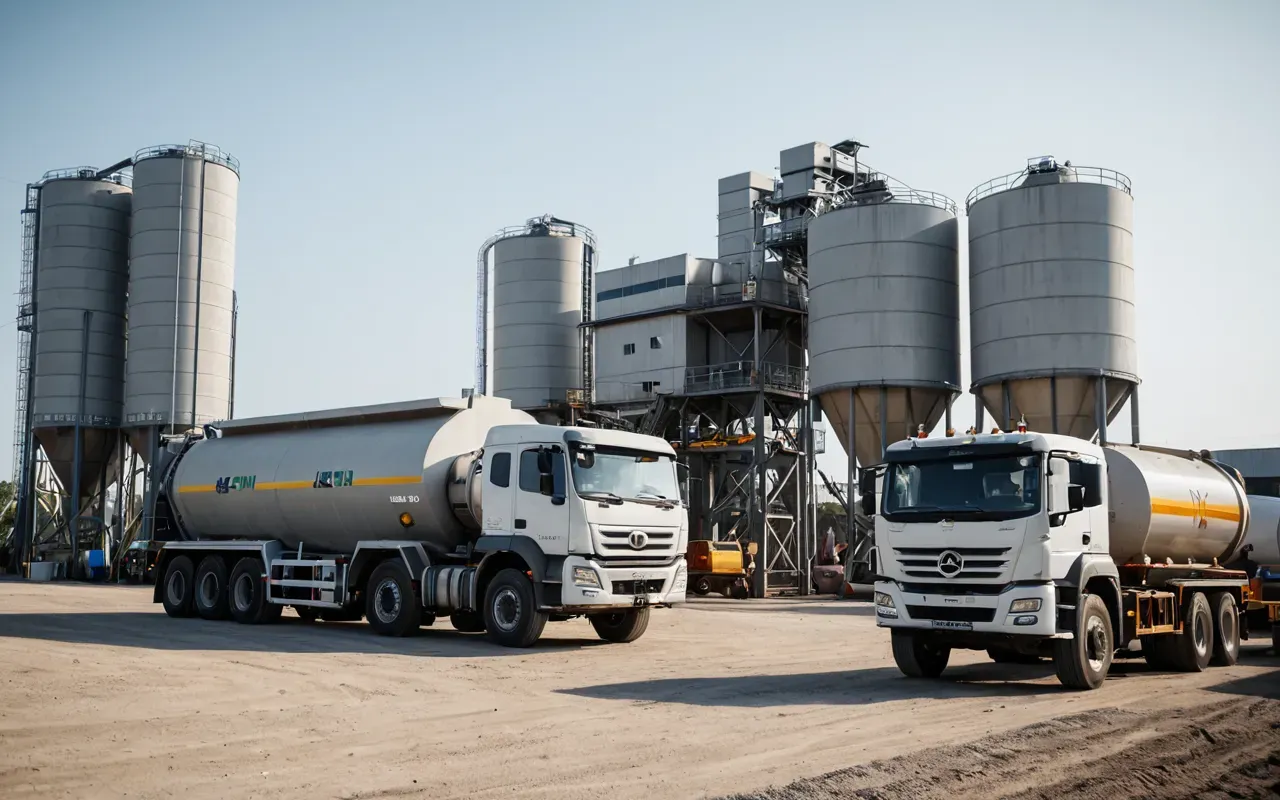
For plant manufacturers, this is a signal. The market is shifting toward dry, low-carbon binders. Plants must be flexible. They must handle different powders. They must dose accurately. The new requirements are subtle but important. A plant that can't handle this mix is already behind. Time to adapt.
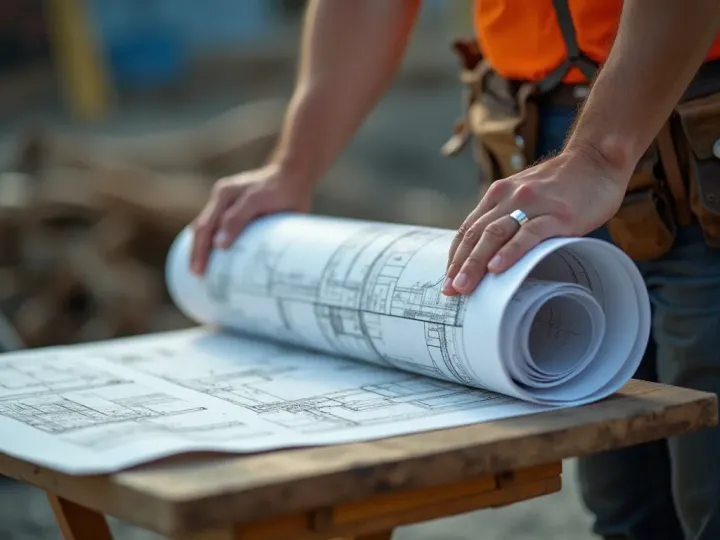
If you're looking at why your concrete plant drawings are likely lying to you about capacity, this is a good moment to review. The new materials have different flow properties. Different setting times. Your plant has to be able to handle them. Check your dosing systems. Check your mixers.
The industry is moving fast. That percent carbon cut is just the start. The real win is using waste. It closes the loop. Turns a liability into an asset. This is the future of construction — not new materials, but smart use of existing ones. And that's a story worth telling.
The Next Steps Are Boring But Essential
We need more data, though. Long-term field tests. Independent audits. The lab results are strong, but the real world is harsh. Wind, rain, and time will test this material. We need to see how it holds up after five years. Ten years. Twenty years. That's the only proof that matters.
So watch for the next milestone. It won't be a press release. It'll be a building. A bridge. A foundation. If we see those structures standing strong, we'll know. The red mud story has just begun. A small step for waste, a giant leap for construction. And I'm watching closely.

Comments ()