The 37 Year Old Machine That Proves Cheap Concrete Is Actually Expensive
A Machine Sits in Illinois While the Industry Shifts
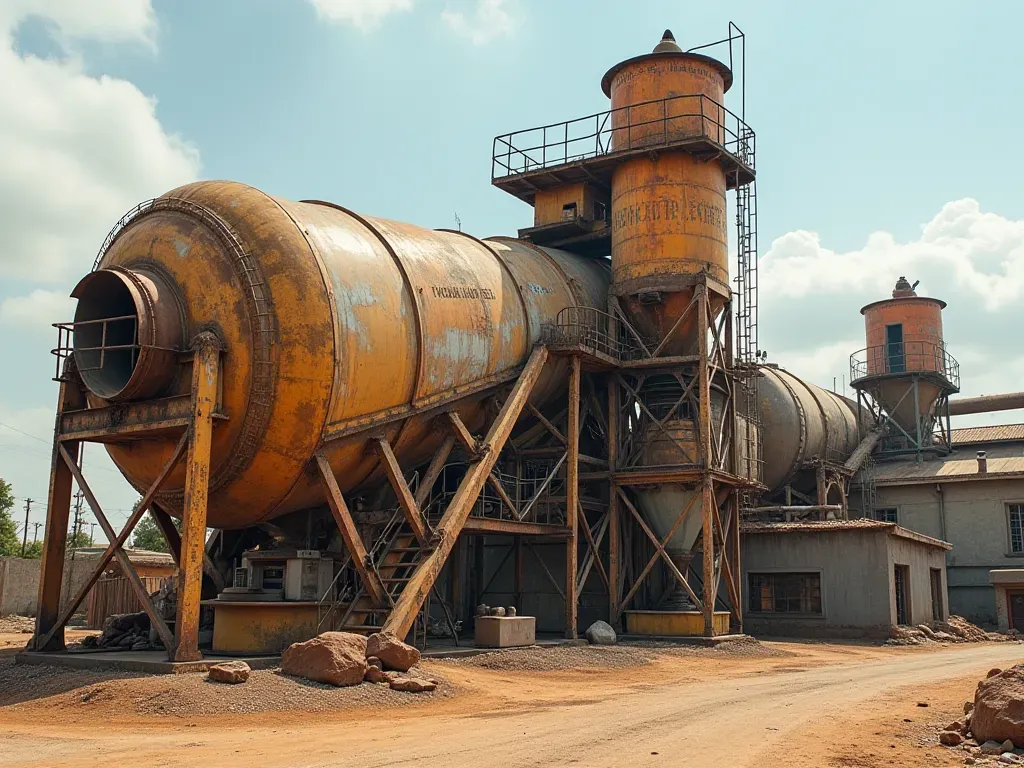
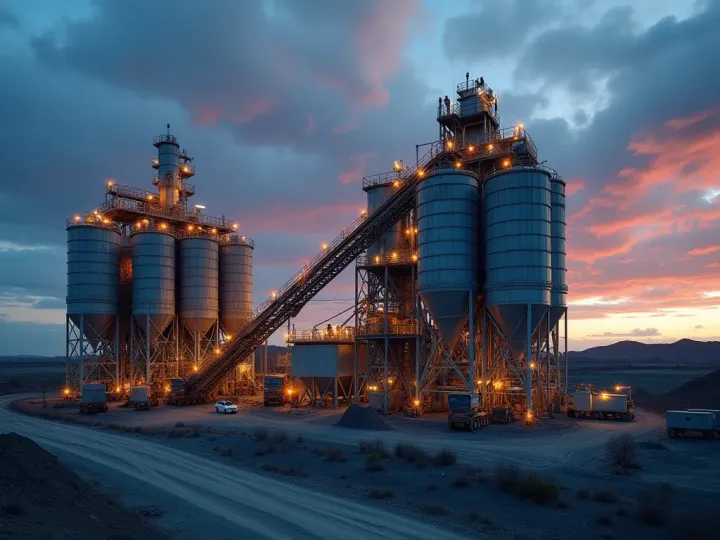
Look at this listing. A Johnson Ross YD plant, sitting in East St. Louis, Illinois. No price listed — you have to call. That one detail says more about the market for legacy heavy machinery than any spec sheet could.
Nobody's claiming the machine is broken. It probably runs fine. But it's thirty-seven years old, and in concrete production that counts as ancient history. I've watched modern dry batching plants hit a level of precision this vintage unit simply can't touch. And that gap widens every year.
The Hidden Cost of Buying Cheap Equipment Today
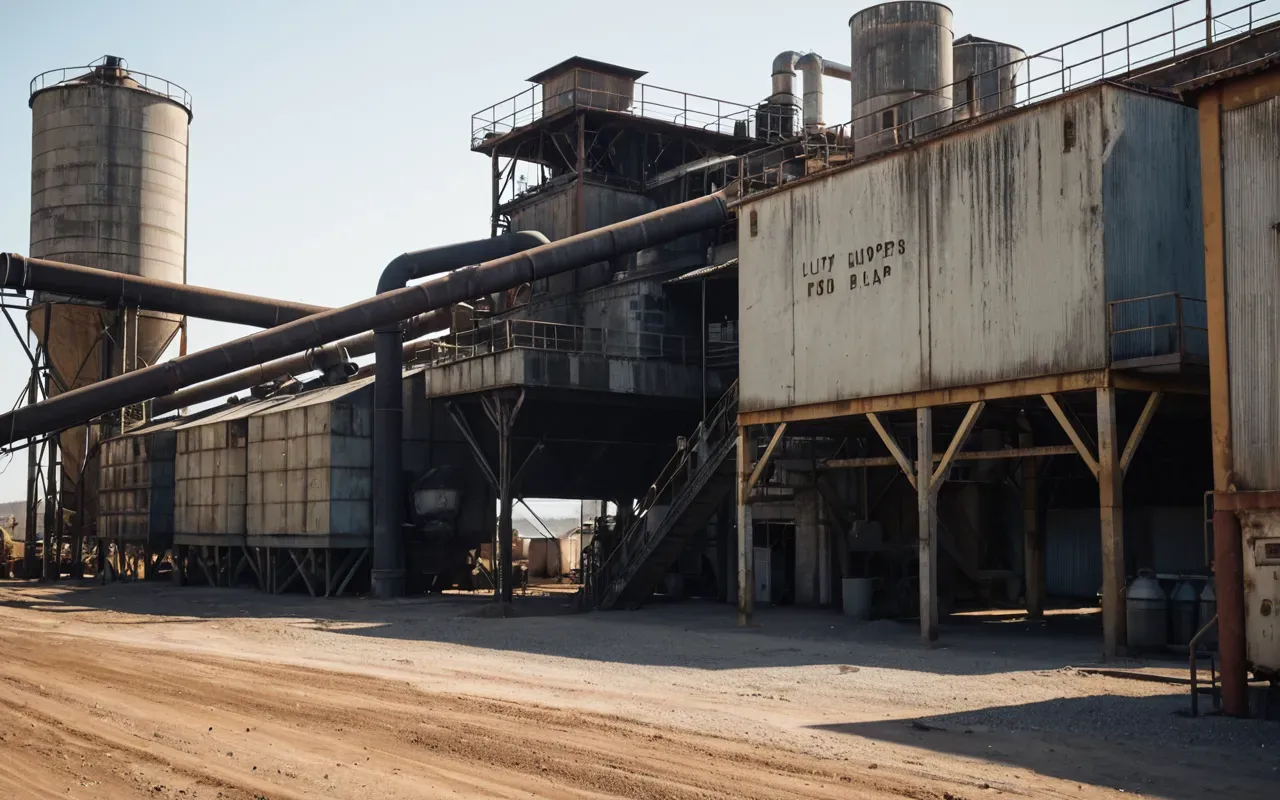
Here's what nobody tells you when you buy used heavy iron: the sticker price is the least of your problems. A system has no modern sensor integration. It struggles to hold a consistent water-cement ratio. One bad batch ruins an entire pour — and the financial damage from a single error dwarfs whatever you saved on the purchase.
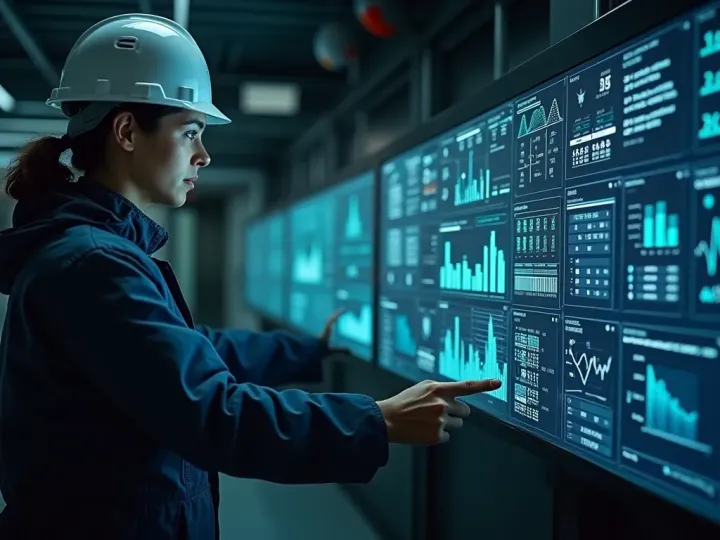
I talked to a plant manager last month. His old unit needed constant manual adjustment, he said. Operators had to eyeball the moisture in the aggregate. Modern systems measure it in real time. That shift — from guessing to knowing — is where the real money sits. Not the steel. The data.
Why Precision Matters More Than Throughput
Most buyers fixate on yards per hour. Wrong metric. Consistency is king. Produce fifty yards an hour and lose five to failed quality checks, and you've bought yourself a liability. A smaller, precise system usually out-earns a big inconsistent one. New operators learn that lesson the hard way.
The Johnson Ross was built for a different era — mechanical timers, basic weight sensors. Those parts wear out. And replacements for vintage models? Scarce. You might track down a used hopper online, but shipping it across the country is a nightmare. Maintenance turns into a part-time job just to keep the thing running.
The Dry Batching Revolution Is Eating Wet Plants Alive
The industry is moving away from traditional wet mixing, and the reason is logistics. Dry batching lets you ship mix to the site and add water there. The concrete stays workable longer. Less risk of it setting in the truck. It rewires the whole supply chain — a quiet shift with massive implications.
Stick with wet delivery and you're playing a losing game. Expensive trucks. Drivers you can't find. Fuel costs that swing wild. Dry systems take those variables off the table. Control is the point. You can serve remote sites without sweating whether the load sets before it arrives. That's the future of distribution.
Who Wins and Who Loses in This Equipment Shift
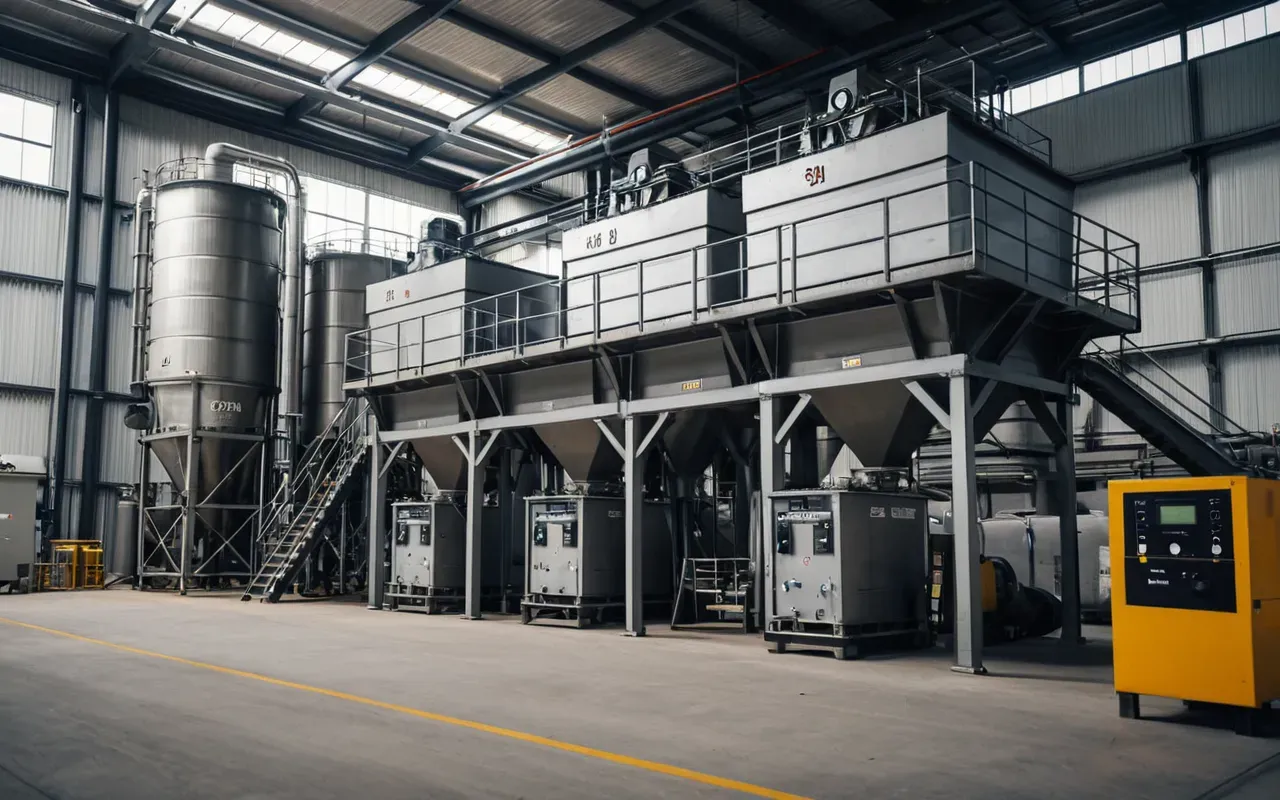
The losers are the companies stuck with legacy hardware — high maintenance costs, inconsistent output, bids lost to competitors who guarantee quality. The winners saw it coming and invested in modern dry systems: lower labor costs, fatter margins. A two-tier industry is forming.
I've watched this trend build for five years now. It's accelerating. The plant in Illinois is a relic, a holdover from an era of manual labor and guesswork. The new players run on data — optimizing every batch, cutting waste. That's not just technology. It's a different business model.
The Backstory of the Johnson Ross Brand
Johnson Ross was a respected name for decades. Sturdy, reliable machines. But the market's focus moved from durability to intelligence, and the old hardware can't be retrofitted with modern sensors. Physical limitation. You can't bolt a brain onto a body that was never designed to have one. That's the core problem.
Plenty of buyers get drawn in by the low entry cost. Feels safe. Feels conservative. Honestly, it's the riskiest move on the board. You're betting the machine lasts another decade, betting parts stay available, betting your operators can keep it alive. That's a lot of bets. The odds aren't with you.
Why Modern Dry Systems Are the Only Rational Choice
So let's be direct. Starting a new concrete business today? Don't buy a plant. Look at modern dry batching. Remote monitoring. Automated quality control. Predictive maintenance. Thirty years ago none of that existed. None of it is a luxury now — the cost of failure in construction is too high to skip these tools.
I've seen companies transform their numbers by switching to dry systems. Waste down nearly twenty percent. Labor costs cut in half. Bigger contracts won because they could guarantee delivery times. The math is undeniable. The plant is a curiosity, a museum piece. It doesn't belong in a modern, competitive supply chain.
The Supply Chain Reality Check for
Global supply chains are under pressure. Materials are volatile. Labor is scarce. In that environment, efficiency is survival — and a machine is inefficient by modern standards. More energy. More wasted material. More attention. Every hour spent fixing a broken sensor is an hour not producing. That's the hidden tax on legacy equipment.
Now consider the alternative. A modern plant runs quietly, reports its own status, flags potential issues before they turn into failures. That proactive approach saves thousands a year in downtime and keeps the line moving. When margins are tight, reliability is the difference between profit and loss. Simple as that.
What This Means for Your Next Purchase Decision
Before you sign a check for that Johnson Ross, ask yourself a few questions. Can you afford the maintenance? Do you have the technical skills to troubleshoot it? Is the location convenient? If any answer is no, walk away. Better options exist — modern plants that give you the reliability without the vintage-hardware headache.
The market is full of options. New and used dry batching plants from a range of manufacturers. Compare the features. Check the support network. Look hard at energy efficiency. Those factors matter more than the initial price tag. You're buying a tool for your business — make sure it's the right one for the job.
The Final Verdict on Legacy Concrete Equipment
The plant in Illinois is a symbol of a changing industry, the end of an era. Relying on manual skill and basic mechanics is over. The future is automated. Precise. Efficient. If you want a place in it, you need the right equipment. Don't be the one still holding onto the past.
Make the smart choice. Invest in technology that works for you, not against you. The concrete industry expects quality, speed, and reliability — and only modern dry batching plants deliver on all three. The machine can only hope. Choose the machine that delivers.
Comments ()