Essential Components of a Dry Batch Plant Setup
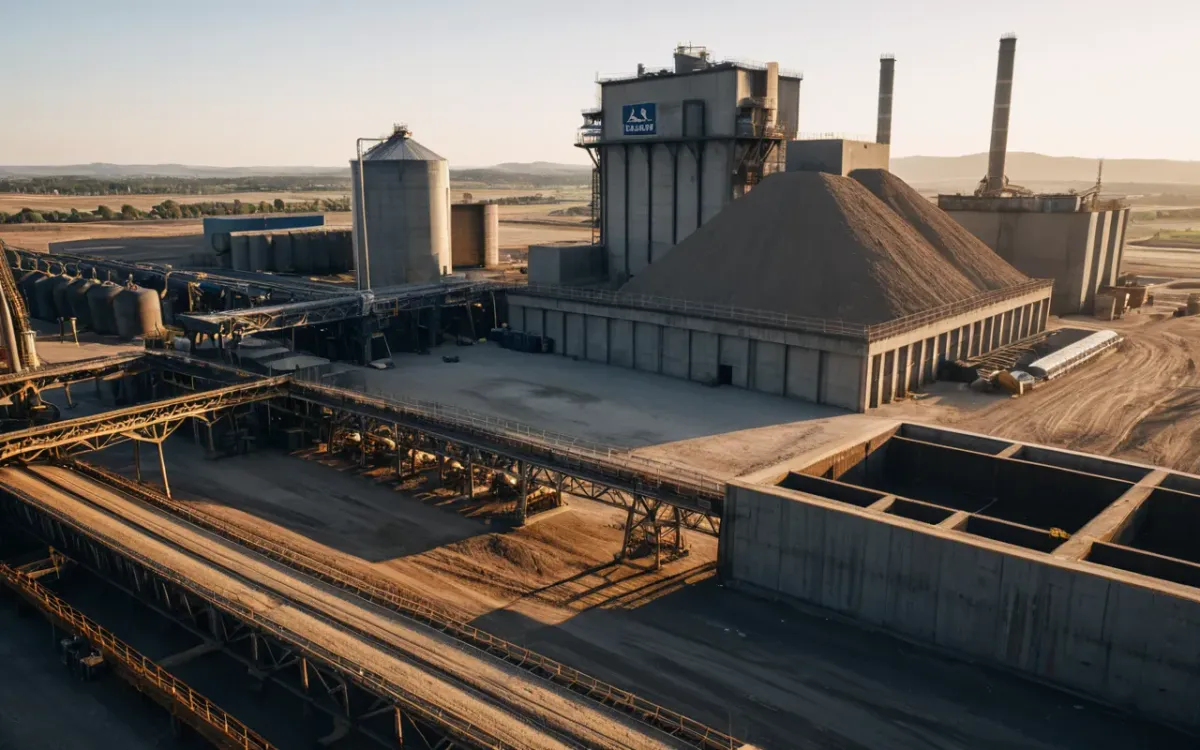
Essential Components of a Dry Batch Plant Setup
I just spent 6 hours playing a popular construction simulator game. The concrete looked perfect. The trucks arrived on time. The pours went smoothly. It felt like a dream. Real life is nothing like that. Concrete production is messy. It is also highly technical. Games smooth out the friction. They ignore the real variables that determine success on site.
Here is the thing. If you rely on games to understand how batching plants work, you will be unprepared for actual construction projects. The gap between simulation and reality is wide. And it matters. A single wrong mix can cost thousands. It can also delay a whole project. I have seen it happen. Multiple times.
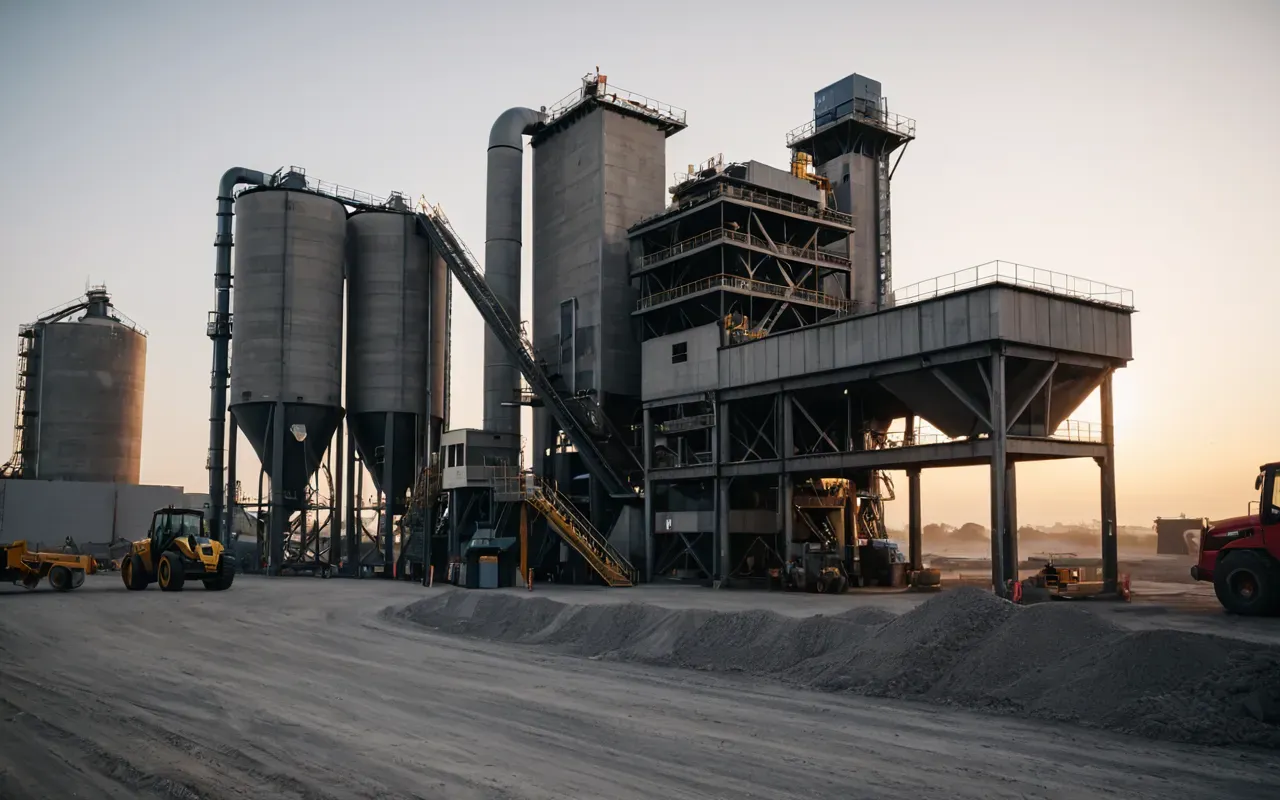
The First Lie About Concrete Production
Games treat concrete like a simple liquid. You pour it. It sets. Done. That is not how it works. Concrete is a composite material. It requires precise ratios of cement, aggregates, water, and admixtures. Even small changes affect strength and workability. Real batching plants measure every component with high precision. They do not guess.
I have visited plants that produce over 200 cubic meters per hour. They track moisture in aggregates. They adjust water content automatically. They run quality tests on every batch. Games skip all of that. They make it look effortless. It is not. Real production demands constant attention to detail. That is the first lie.
The Second Lie About Timing And Logistics
In games, trucks arrive exactly when you need them. Traffic does not exist. Delays are random and short. Real sites face constant logistical challenges. A delayed truck can stop an entire pour. Weather changes can ruin a mix. Equipment breakdowns happen without warning. You cannot simulate that chaos accurately. Not yet.
I worked on a project in 2024 where a single truck delay cost 12 hours of labor. The concrete had to be re-mixed. The schedule slipped. The client was unhappy. Games do not show that pressure. They remove the stress. That makes them entertaining. It also makes them unrealistic. Real construction demands resilience. Games do not teach that.
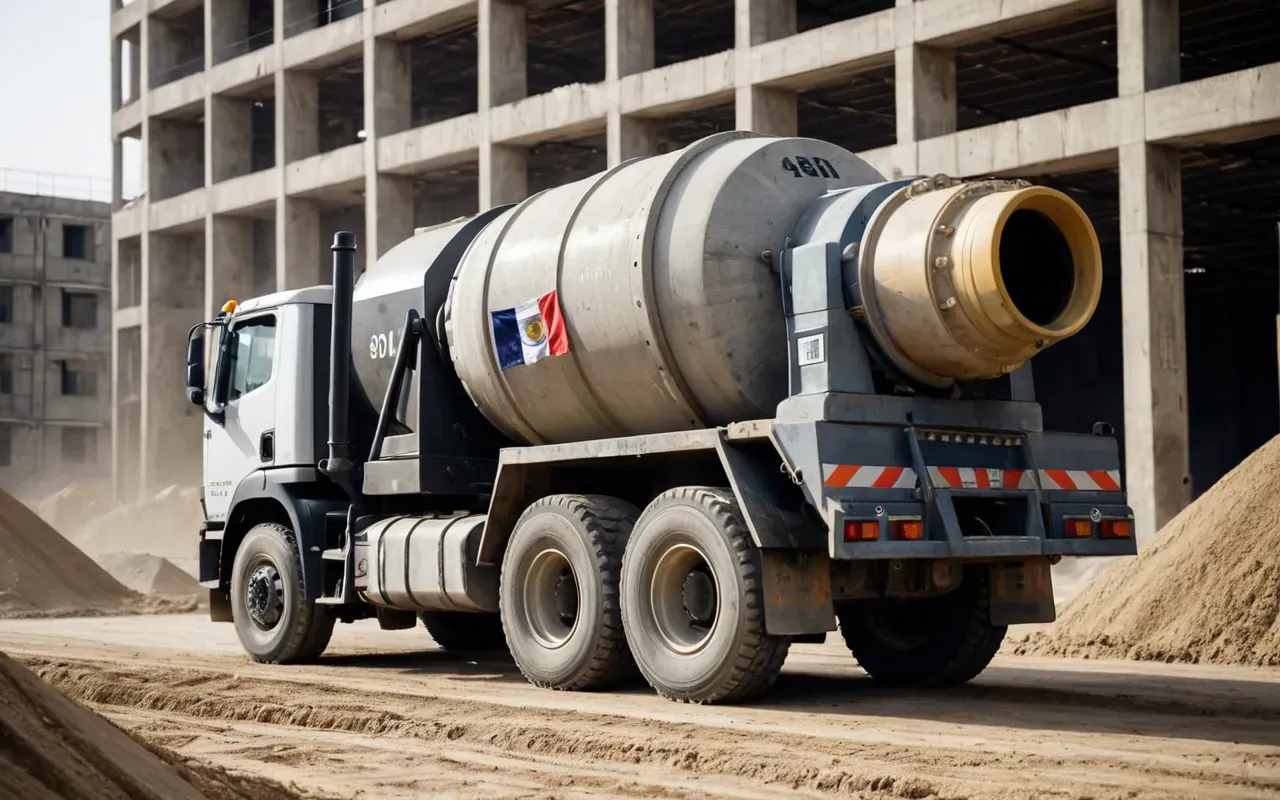
The Third Lie About Equipment Complexity
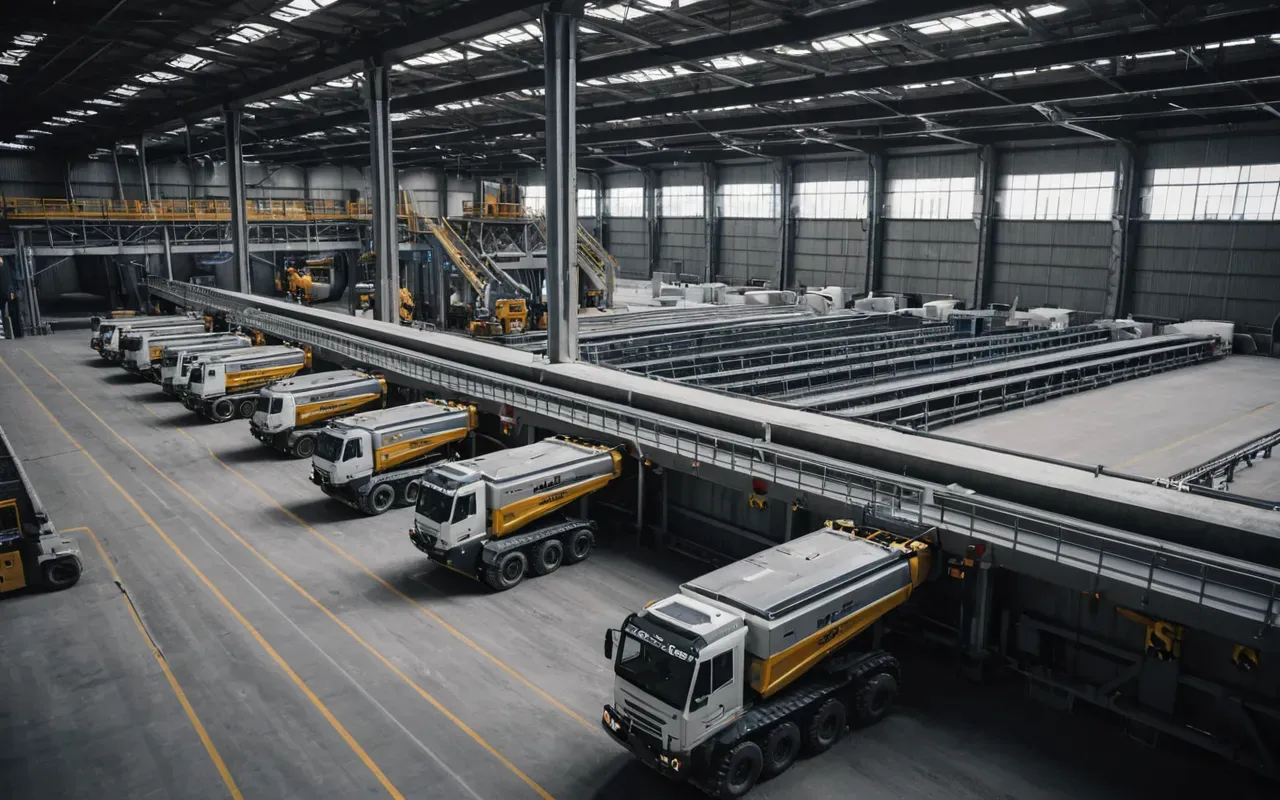
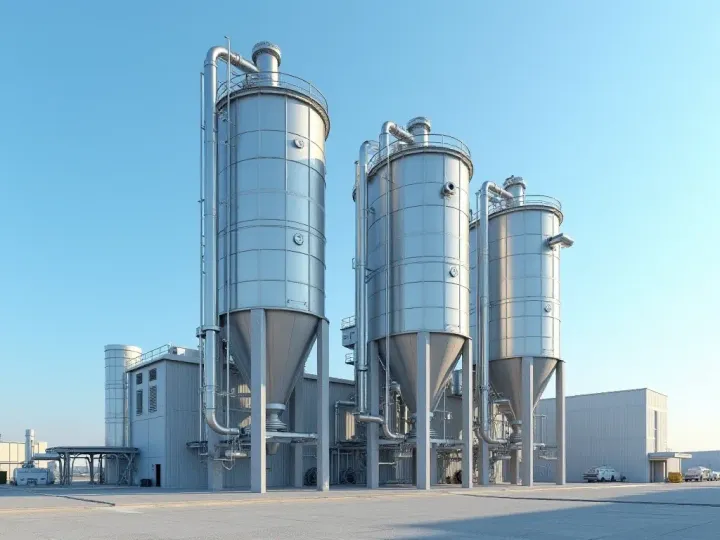
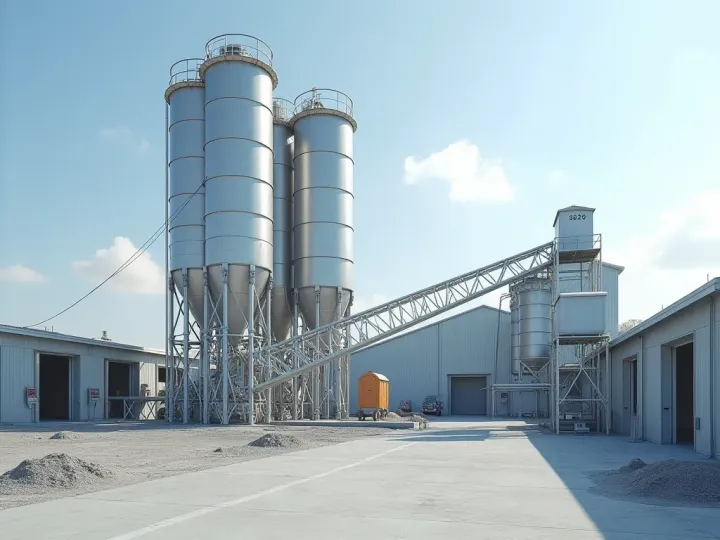
Games simplify machinery into buttons and levers. Press a key and the plant runs. Real dry concrete batching plants are complex systems. They include conveyors, silos, mixers, scales, and control panels. Each part must work in sync. Calibration is critical. Maintenance is constant. Neglect one component and the whole system fails. That is not fun to play. It is essential to understand.
I inspected a plant last month that required 3 hours of daily calibration. The operators ran diagnostics before each shift. They checked sensors. They verified scale accuracy. They inspected wear parts. Games skip all of that. They make machinery look plug and play. It is not. Real equipment demands respect. Games do not show that reality.
How Real Dry Batching Plants Actually Work
Let me explain what really happens. Dry batching plants mix cement and aggregates first. They add water later. Usually during transport or on site. This method allows for precise control. It also reduces waste. The process requires strict sequencing. Aggregates are weighed first. Cement is added. Then mixing occurs. Water is introduced last. That order matters. Games ignore it completely.
We manufacture dry concrete batching plants for global markets. I have seen how they perform in different climates. In hot regions, water addition timing is critical. In cold climates, heating systems are added. Custom solutions matter. One size does not fit all. Games treat every environment the same. That is a major oversight. Real engineering adapts to conditions.

Why Custom Solutions Beat Generic Games
Games offer a single template for every job. Real projects require tailored approaches. A high-rise needs different mixes than a road. A bridge demands higher durability. A residential build prioritizes cost efficiency. Custom concrete solutions address these differences. They adjust mix designs. They modify plant configurations. They optimize logistics. Games cannot do that. They are limited by code.
I have worked with clients who needed specialized mixes for coastal projects. Salt resistance was critical. We adjusted the cement type. We added admixtures. We tested extensively. The result was a durable structure. Games do not simulate chemistry. They simulate aesthetics. That is a key difference. Real construction prioritizes performance. Games prioritize visuals.
What You Can Learn From Construction Simulator Games
Do not misunderstand me. Games have value. They teach spatial reasoning. They improve hand-eye coordination. They can inspire interest in construction careers. I have seen students try games before visiting real sites. The transition is jarring. But the games spark curiosity. That is useful. Curiosity leads to questions. Questions lead to learning. Just do not confuse entertainment with education.
The best use of these games is as a supplement. Pair them with real site visits. Add training modules. Include safety briefings. Show actual mix designs. Demonstrate calibration procedures. That combination works. Games alone do not. They are a starting point. Not the destination. Real expertise comes from hands-on experience. Games cannot replace that.
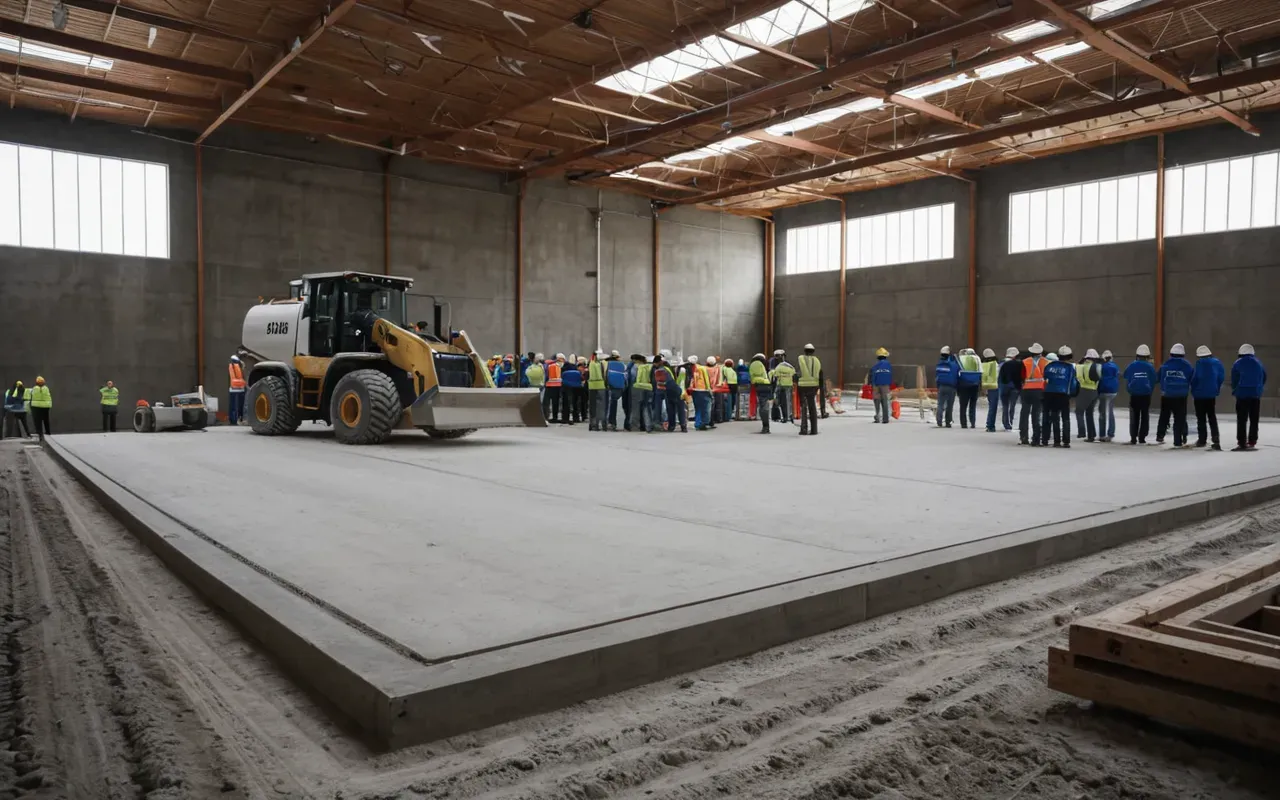
Why Real Training Matters More Than Games
Real training includes safety protocols. It covers emergency procedures. It teaches equipment handling. It explains quality control measures. Games skip safety. They do not show consequences. In reality, a mistake can cause injury. It can damage equipment. It can ruin a project. Training prepares workers for those scenarios. Games do not. That is a critical gap.
I recommend combining simulation with field experience. Use games to introduce concepts. Then take trainees to actual plants. Let them operate equipment under supervision. Show them calibration records. Explain mix adjustments. That approach builds competence. Games alone build false confidence. Confidence without skill is dangerous. Real training prevents that.
The Hidden Flaw In Standard Batching Designs
Many plants follow outdated templates. They assume uniform material quality. They ignore local variations. That is a mistake. Aggregates differ by source. Cement properties change by batch. Water quality varies by region. Custom concrete solutions address these differences. They adapt designs to local conditions. Standard templates fail to do that. That is why some projects underperform.
I have analyzed plants that ignored local material tests. They experienced inconsistent strength. They faced rework costs. They lost client trust. The fix was simple. Test materials regularly. Adjust mixes accordingly. Update plant settings. That approach improved results. It also reduced waste. Standard designs cannot do that. They are too rigid. Custom solutions win.
How To Fix The Design Problem
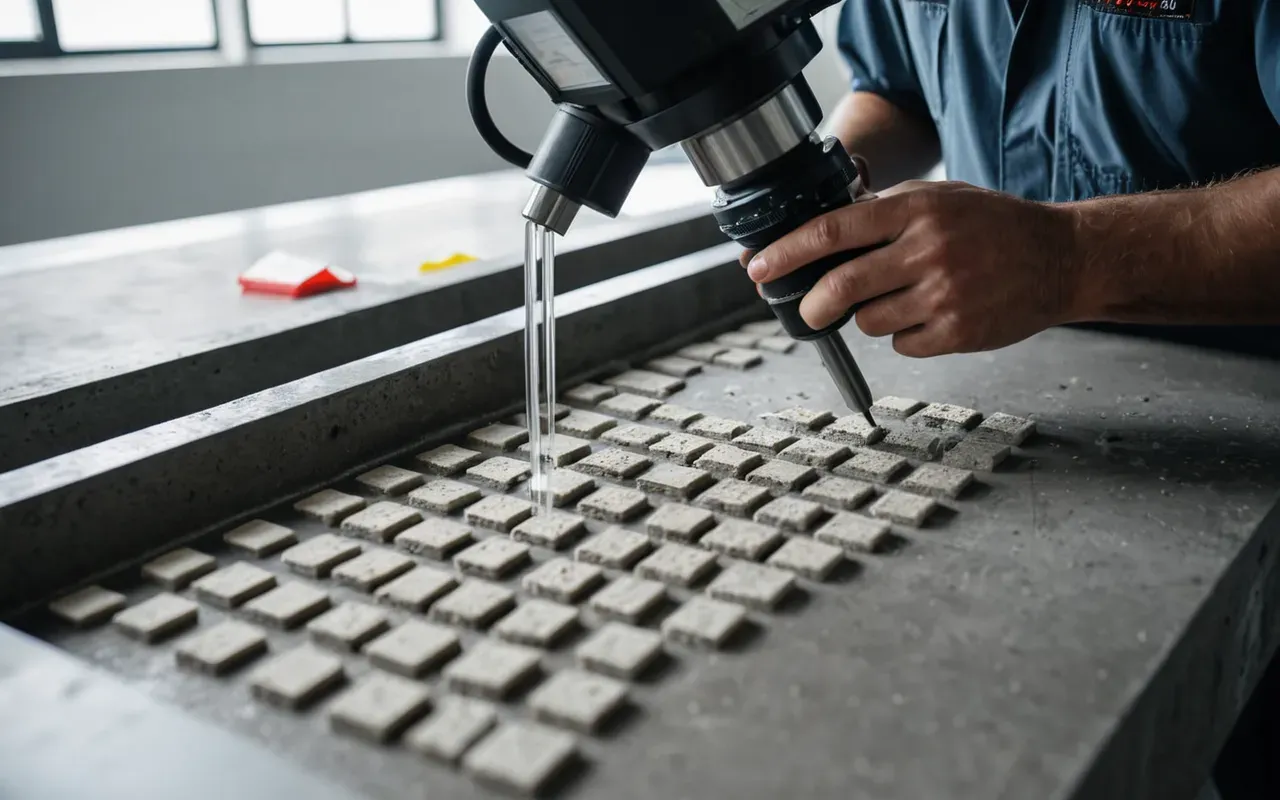
Start with material testing. Run tests on every delivery. Track moisture content. Verify aggregate gradation. Check cement consistency. Use that data to adjust mixes. Update plant settings automatically. That creates a feedback loop. It improves quality. It reduces errors. Games do not simulate feedback loops. They simulate linear progress. Reality is cyclical. Design for that.
Next, train operators thoroughly. They must understand mix chemistry. They must recognize early warning signs. They must adjust settings confidently. That requires hands-on practice. It also requires documentation. Keep records. Review them weekly. Identify patterns. Fix issues before they escalate. Games skip documentation. Real sites cannot. That is another key difference.
Why Automation Changes Everything
Automation reduces human error. It speeds up production. It improves consistency. Modern plants use sensors to monitor every variable. They adjust settings in real time. They log data for analysis. That level of precision was impossible 10 years ago. Now it is standard. Games lag behind. They still rely on manual controls. Real plants do not. That is a major gap.
I visited a fully automated plant last year. It required only 2 operators. It produced 150 cubic meters per hour. Quality was consistent. Waste was minimal. The control system handled all adjustments. Operators monitored screens. They intervened only when alerts appeared. That efficiency cannot be simulated. Not yet. Games are still catching up.
The Future Of Construction Simulation
Games will improve. They will add more variables. They will simulate material testing. They will include safety protocols. But they will never replace real experience. The physical demands are too great. The consequences are too high. The learning curve is too steep. Simulation can supplement training. It cannot replace it. That will not change.
The best future combines both approaches. Use games for initial exposure. Then transition to real sites. Pair virtual practice with hands-on training. That builds competence faster. It also reduces risk. New workers gain familiarity before touching equipment. They learn procedures safely. Then they apply them in reality. That is the winning formula. Games alone are not enough.
Frequently Asked Questions
Can construction simulator games teach real batching plant operations?
No. Construction simulator games simplify complex processes for entertainment. They ignore material testing, calibration, safety protocols, and real-time adjustments. Real batching plant operations require hands-on training with actual equipment. Games can introduce basic concepts but cannot replace field experience or technical skill development.
What is the difference between dry and wet concrete batching?
Dry batching mixes cement and aggregates first without water. Water is added later during transport or on site. Wet batching combines all ingredients including water at the plant. Dry batching offers more control over final mix properties. It also reduces waste and allows transport over longer distances without quality loss.
Why do custom concrete solutions matter for construction projects?
Custom concrete solutions adapt mix designs to specific project requirements. They account for local material variations, climate conditions, and structural demands. Standard mixes often fail to meet durability or strength targets. Custom approaches improve performance, reduce waste, and prevent costly rework or structural failures.
How long does it take to train operators for real batching plants?
Training typically takes 4 to 8 weeks depending on experience and plant complexity. It includes safety protocols, equipment operation, calibration procedures, and mix adjustment techniques. Supervised practice is essential. Certification often follows. Ongoing training is recommended to maintain skills and adapt to new technologies or material changes.
What is the biggest mistake beginners make with concrete batching?
The biggest mistake is ignoring material variability. Beginners assume consistent quality across deliveries. They skip regular testing. They fail to adjust mixes accordingly. This leads to inconsistent strength, increased waste, and potential structural issues. Regular testing and adaptive mixing prevent these problems and ensure reliable production results.
For the full overview, see concrete batching systems.
Related in this series: dry mix concrete benefits.
Comments ()