The nuclear concrete factory hiding in plain sight at Sizewell is about to break your supply chain assumptions
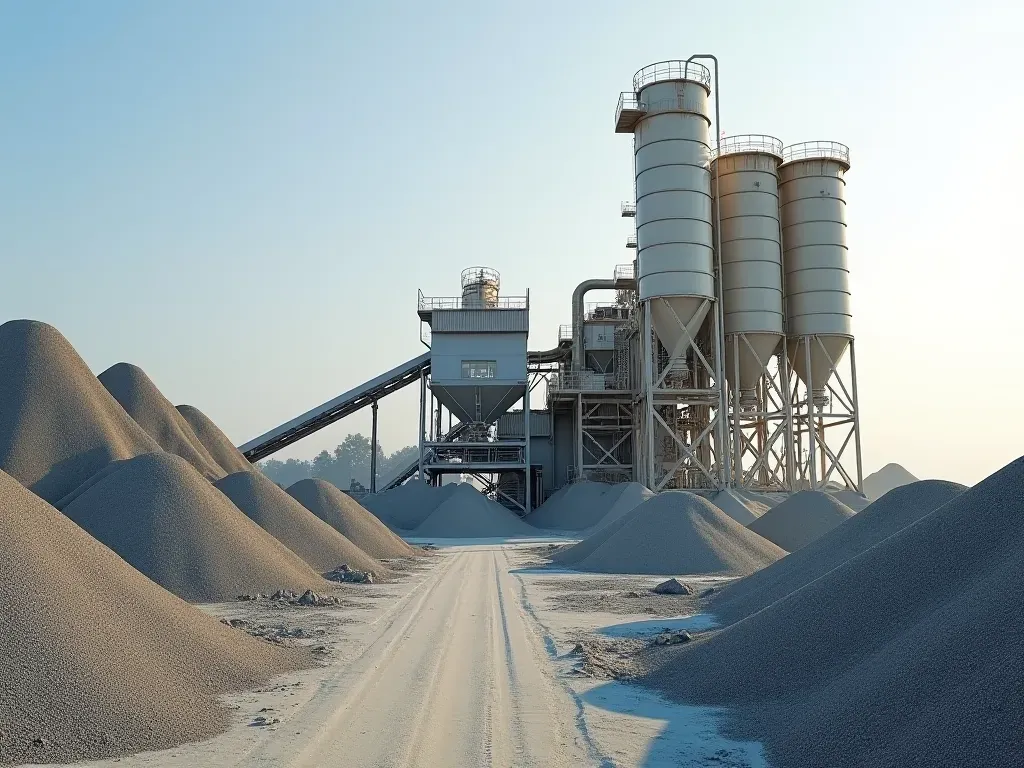
The Concrete Factory You Are Not Seeing Yet
Most people assume concrete gets bought from some distant depot and trucked in. For the biggest projects in Britain right now, that assumption is flat wrong.
Heidelberg Materials UK just installed a full on-site batching plant at Sizewell C in East Suffolk. And no — this isn't a small mobile mixer parked in a corner.
This setup produces high specification nuclear grade concrete right where it's needed. The implication for the wider industry? Massive.
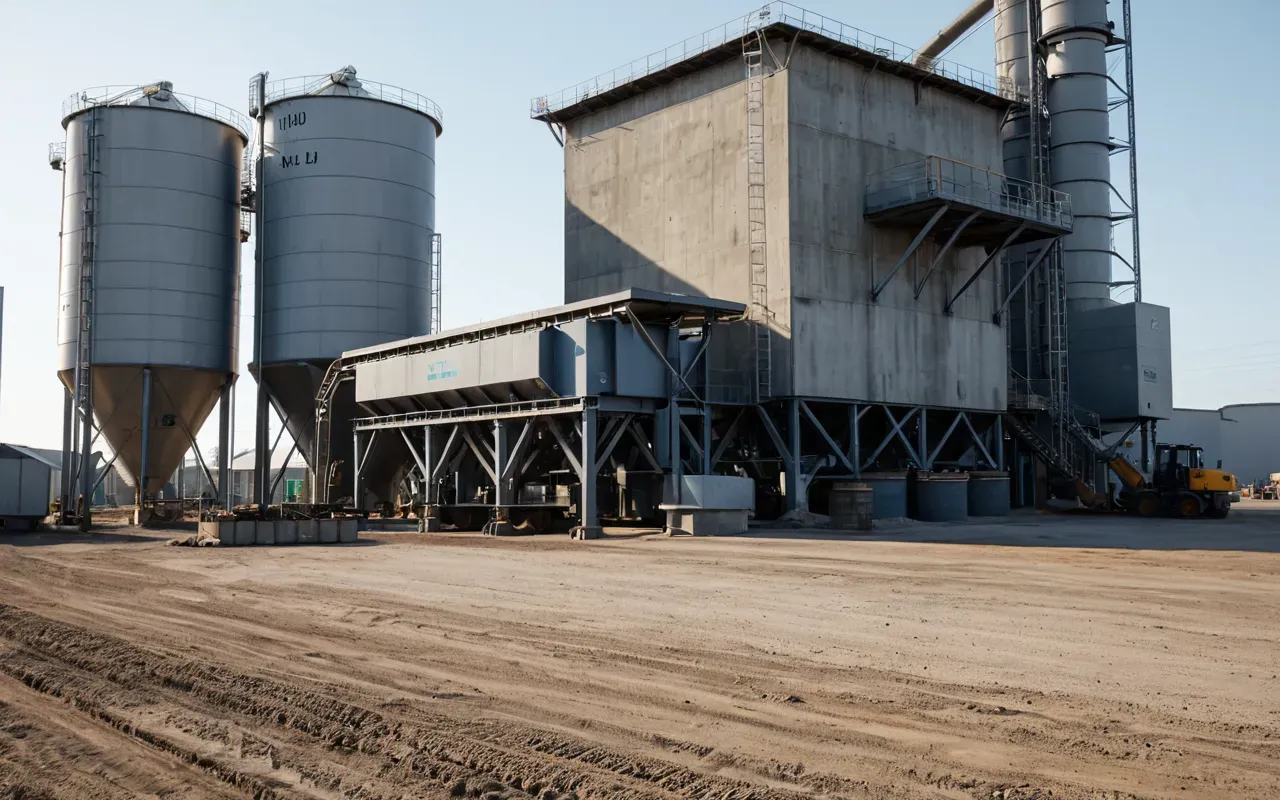
Why Nuclear Grade Concrete Is Different From Your Local Mix
Standard construction concrete is fine for most buildings. Nuclear facilities demand a completely different level of control and precision.
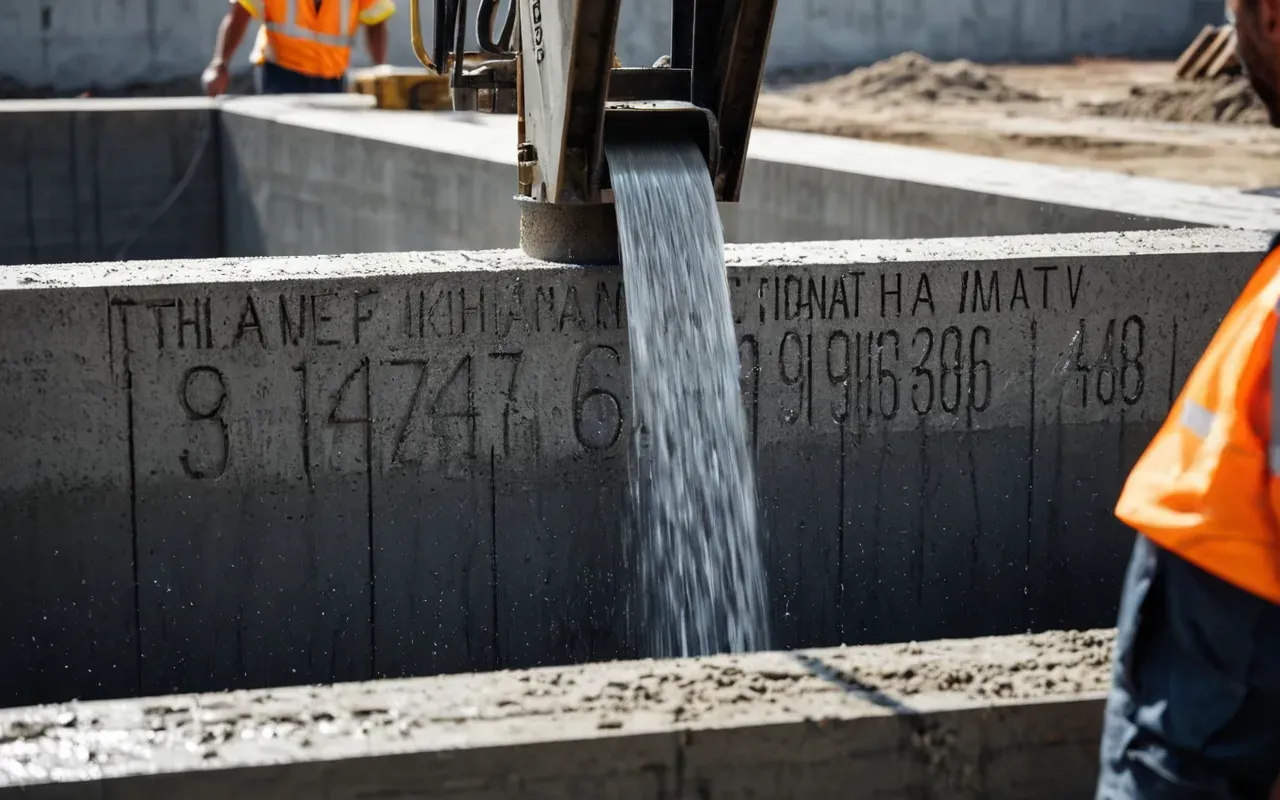
The plant at Sizewell is currently building the cut-off wall. That structure will create a watertight barrier around the new power station perimeter.
Which then allows for the excavation of four million cubic metres of earth. Four million. That is a staggering amount of material to move and manage.
Heidelberg Materials was the first company in the UK certified to produce this specific type of concrete. Their certification under BS EN is a huge barrier to entry for competitors.
The Quality Control Nightmare Avoided By On Site Production
Transporting wet concrete over long distances introduces risks. Temperature changes and vibration can alter the mix consistency before it even arrives on site.
By producing it locally, Heidelberg eliminates the transit time. This ensures the material meets the strict quality and health and safety documents required by regulators.
Sean Hunter, major projects director at Heidelberg Materials UK, highlighted their experience. They previously supplied Hinkley Point C using intelligent replication methods.
The Workforce Scale That Changes Local Economies
At Hinkley Point C in Somerset, Heidelberg employed over eighty people at peak times. At Sizewell, that number could reach two hundred.
This is not just about moving concrete. It is about creating a local ecosystem of skilled labor and specialized services around the project site.
The Civil Works Alliance is collaborating with Heidelberg on this megaproject. The synergy between these specialists is what makes such complex structures possible.
Who Wins In This New Model Of Construction Supply
Large-scale infrastructure projects win. They get faster delivery and higher quality assurance without the logistics headache of long haul transport.
Local suppliers who can adapt to on-site production demands also win. They become integral parts of the nuclear construction value chain.
Traditional ready-mix distributors who rely solely on long-distance transport might find themselves squeezed out of high-value contracts.
The Hidden Implication For Dry Batching Plant Manufacturers
This news is a direct signal to manufacturers of dry concrete batching plants. The demand for high-precision on-site mixing equipment is rising sharply.
As more nuclear and critical infrastructure projects come online globally, the need for reliable batching systems becomes non-negotiable.
If you are in the business of manufacturing or selling batching plants, this is a clear market opportunity. The specifications required for nuclear sites set a new benchmark.
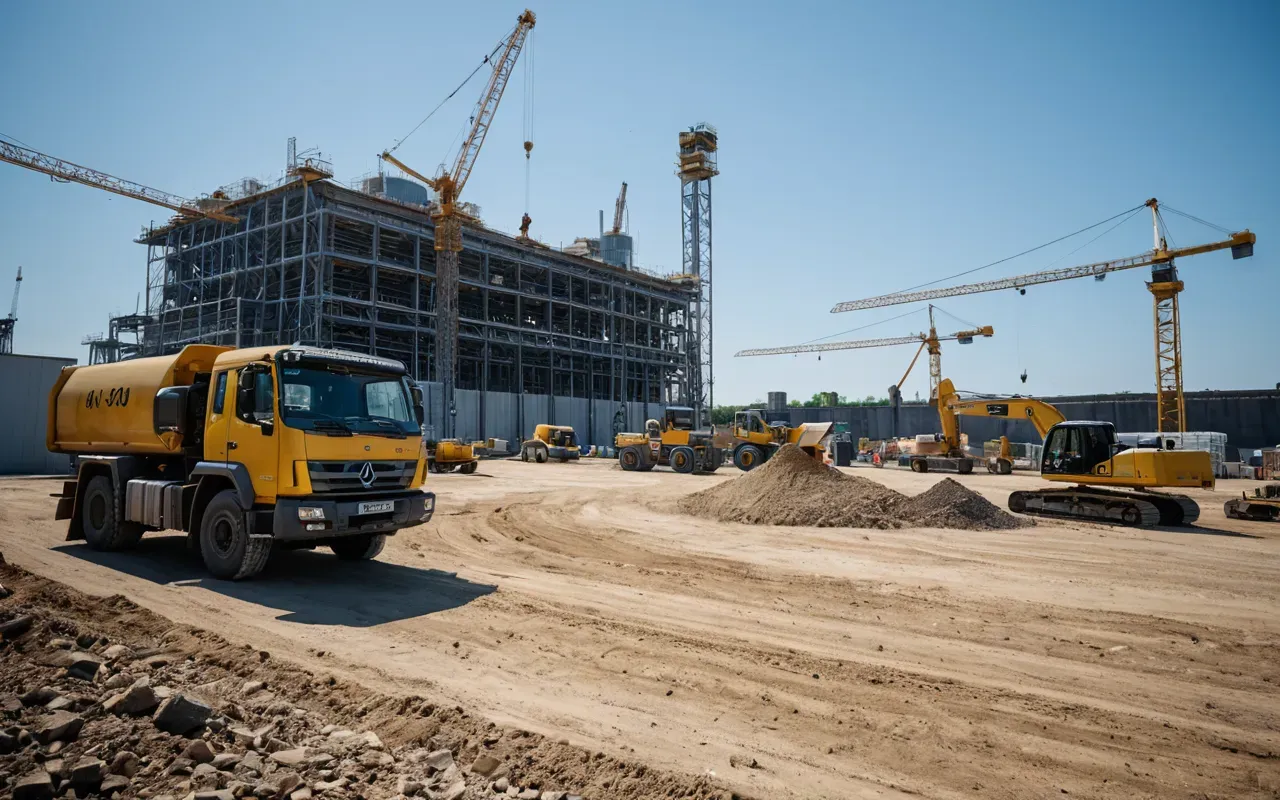
Why This Changes More Than Just Nuclear Construction
The techniques used at Sizewell C will likely be replicated in other high-stakes sectors. Think data centers, bridges, and offshore wind foundations.
The ability to produce high-performance concrete on-site reduces the carbon footprint associated with transport. This aligns with global low-carbon energy infrastructure goals.
Heidelberg Materials sees this as a way to reinforce their leading position in the growing nuclear sector. They are uniquely placed to help deliver these critical assets.
The Practical Takeaways For Industry Professionals
First, recognize that on-site production is becoming a standard for high-value projects. It is not just an option anymore.
Second, invest in understanding the specific requirements of regulated industries. The quality control documentation alone is a significant hurdle.
Third, look at the supply chain as a whole. The integration of batching plants with earthworks and civil engineering is key to success.
If you want to understand the mechanics of how these plants operate efficiently, check out how the mix is prepared before it leaves for a deeper technical look.
The Future Of Concrete In Critical Infrastructure
Sizewell C is just one project. But it represents a shift in how we think about material delivery for megaprojects.
The combination of local production and high-precision mixing is the new normal for critical infrastructure. Those who adapt will thrive.
The concrete industry is evolving rapidly. Staying ahead requires understanding these new operational models and their implications for your business.
For those looking to understand the broader market dynamics affecting these decisions, reading about the time pressures facing the industry provides valuable context.
Final Thoughts On The Sizewell C Development
This is not just a news item. It is a strategic move by a major player to secure its position in the future of energy infrastructure.
The installation of this batching plant signals that the era of relying solely on off-site production for critical structures is ending.
The future belongs to those who can deliver quality and reliability directly at the point of use. Sizewell C is proving that concept right now.
Keep an eye on how this model spreads to other sectors. The implications for construction supply chains will be profound and far-reaching.
If you are involved in manufacturing or selling batching equipment, this is your moment to step up and meet the new standards of quality and precision.
What This Means For Your Concrete Batching Plant Strategy
The trend toward on-site production is accelerating. If your equipment cannot meet the demands of high-stakes projects, you are at risk.
Consider upgrading your systems to handle the precision required by nuclear and other critical infrastructure projects.
The market is rewarding those who can provide reliable and high-quality mixing solutions. Do not be left behind by this shift.
For insights into how modern plants are being redesigned for efficiency and precision, explore the reasons your 3D models might be misleading about performance.
The Bottom Line For Construction Supply Chain Leaders
Heidelberg Materials has set a new benchmark. The on-site batching plant at Sizewell C is more than just equipment.
It represents a fundamental shift in how critical infrastructure is built. It prioritizes quality control and local integration over distance.
As the demand for nuclear and other critical infrastructure grows, this model will become increasingly common.
The leaders in the concrete industry are already adapting. The rest of the market will need to follow suit or risk being left behind.
The future of concrete production is local, precise, and highly controlled. Sizewell C is just the beginning of that transformation.
Comments ()