What actually happens inside a concrete batching plant before the mix leaves
The five seconds that decide your strength
Most job sites tell the same story: a truck rolls in with grey slurry, and the operators figure the magic happened somewhere upstream. It didn't. They're wrong about where.
The real action hides behind a chain of sensors and timers, long before you ever see the finished product. That's exactly where errors like to camp out.
Over the last decade I've walked plants on several continents. On paper, the hardware looks identical. And yet some turn out consistent slabs day after day while others fail inspection on what feels like a loop.
The mixer isn't the difference. It's how the system runs a specific sequence of actions when the pressure's on.
Why this matters more than you think
Miss a single ingredient by two percent and your compressive strength drops. Two percent sounds tiny — right up until you remember it applies to thousands of tons.
So the working principle isn't some technical footnote. It's your primary quality control mechanism.
The core sequence of operations
Every plant follows a strict order. It opens with material verification and closes when the discharge gate swings open.
Most people assume mixing is one step. It's really three distinct phases, and they have to happen in the right order.
Phase one is weighing and dosing
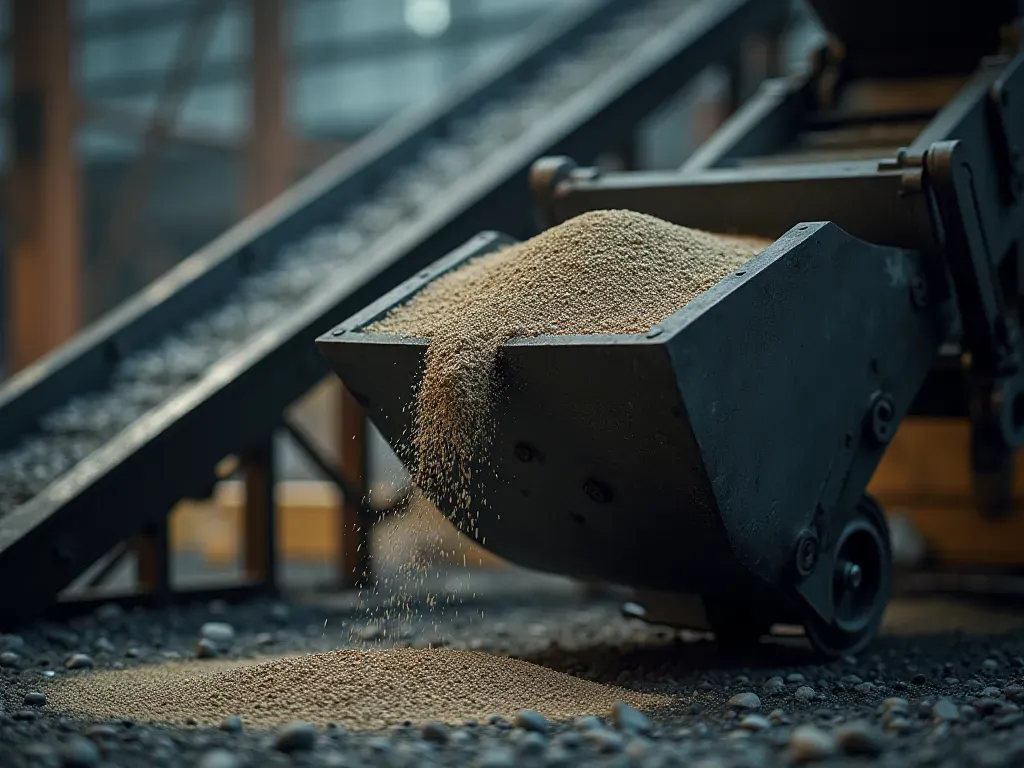
Aggregates are the heaviest part of your mix. Sand and gravel make up roughly eighty percent of the total weight.
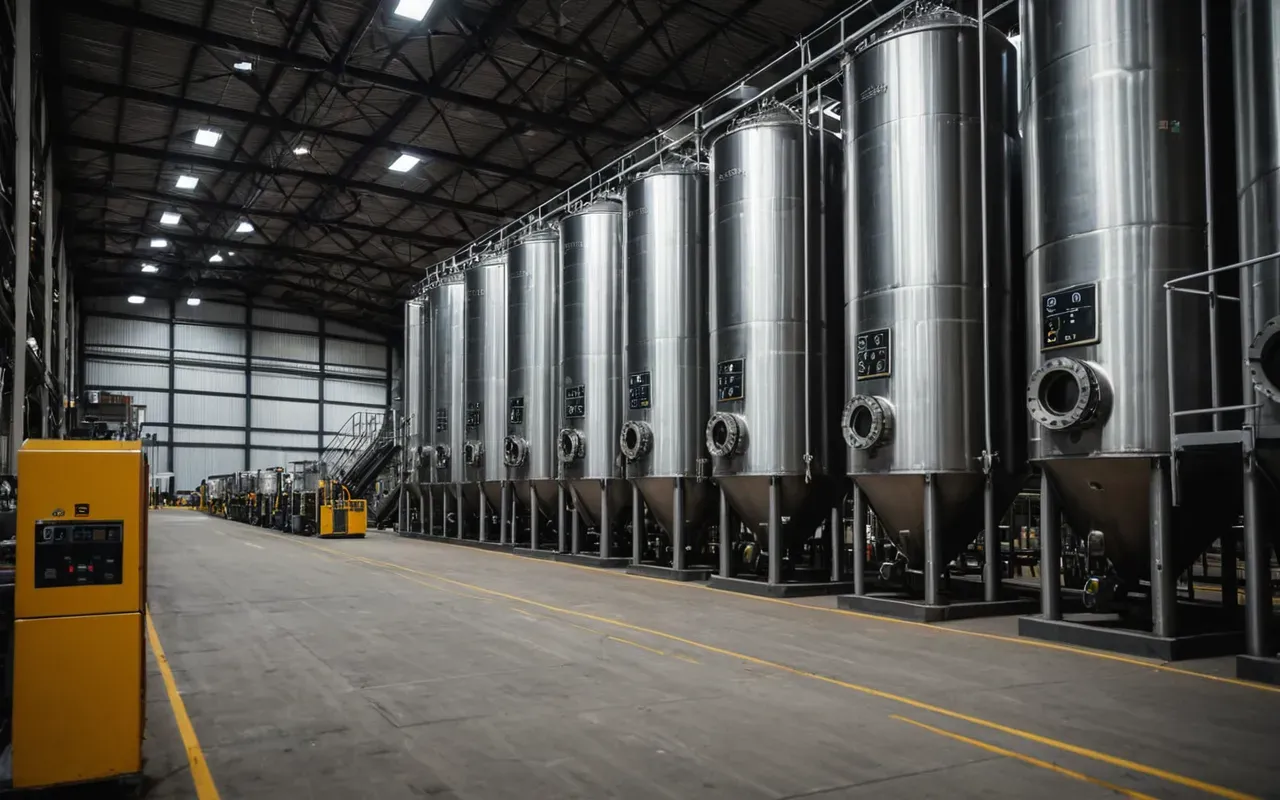
The system uses load cells under each bin. As material flows down, those sensors measure the exact mass.
This is where most errors begin. Skip the zeroing at the start of every cycle — or do it sloppily — and your entire batch comes out skewed.
I've watched plants lose thousands because one load cell sat slightly loose. The system believed it had the right amount. Gravity disagreed.
Phase two is adding binders and water
Cement comes from sealed silos. It travels through pneumatic lines into a separate weighing hopper.
Water gets metered by volume or weight. Modern systems lean on electromagnetic flow meters for precision.
Critical step, this one — water content dictates your workability. Too much and the mix washes out. Too little and it turns unworkable.
Phase three is the mixing process itself
Here the material becomes a homogeneous mass. The mixer drum or pan rotates to blend everything together.
Duration matters more than speed. Every particle needs enough time to contact the binder.
Standard practice runs two to three minutes for a typical mix. But that depends on the aggregates you're using.
The control system is the brain of it all
Strip the smart controller away and a plant is just expensive hardware. The logic inside decides what happens next.
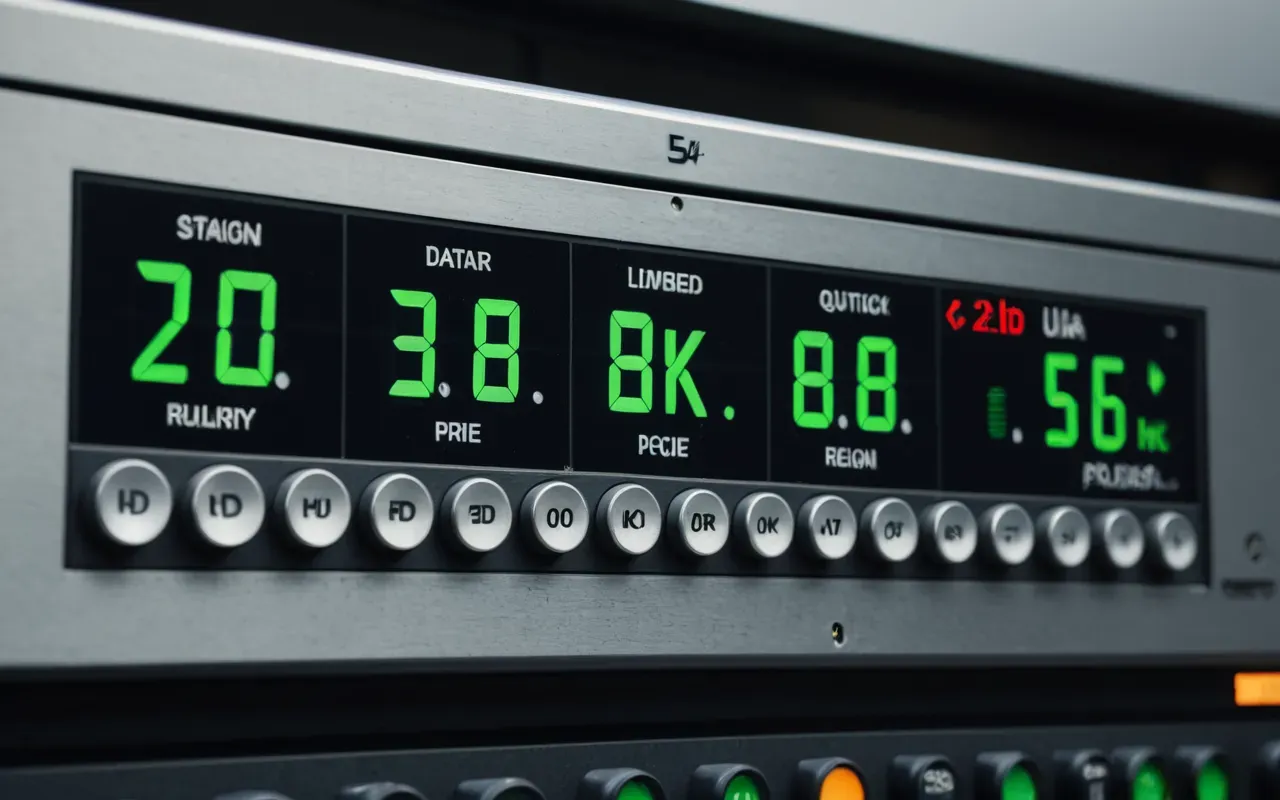
Modern systems rely on programmable logic controllers to manage the flow. They read sensor data and adjust valve positions in real time.
How the software decides your mix ratio
Operators punch in a target strength. The system works out how much cement and water it takes to hit it.
Sounds simple. It isn't — it demands accurate material data. If your cement has changed suppliers, the old ratio might be wrong.
I've seen plants struggle badly when they switched cement brands. Same mix design, different results, because the chemistry had shifted a hair.
Which is why the concrete industry is quietly abandoning wet delivery and you are probably losing money because of it. Control is everything.
Where most plants go wrong in daily operations
And most problems aren't mechanical at all. They're procedural. Human.
The moisture trap in aggregate storage
Rain changes the density of sand. A tonne of wet sand takes up more space than a tonne of dry sand.
If your system doesn't account for moisture content automatically, you'll add too much water trying to compensate.
Classic failure point. We talk about the moisture trap killing your mortar business in another post, but the principle applies to all batching.
Sensor drift over time is invisible until it is too late
Load cells can shift slightly after months of vibration. They still read as normal — except the actual weight is off.
No error message will warn you. The system thinks it's doing its job perfectly.
That's why regular calibration checks aren't optional. They're your first line of defense against silent failures.

The difference between dry and wet batching logic
Plenty of people assume they're the same thing. They're not even close.
Dry batching is about precision dosing without water initially
In a dry system, all ingredients are weighed and blended in their solid state. Water goes in later, or on site.
You get better control over the final mix. Water content can be adjusted to match local conditions.
For large projects where consistency beats speed, that's a major advantage. See our post on advantages of dry mix vs wet batching systems for a deeper comparison.
Wet batching mixes everything together in one step
Water goes straight into the dry ingredients. What comes out is a ready-to-use slurry.
Faster for small jobs, harder to control over long distances. The mix can start setting right there in the truck.
What you should check before buying a new plant
Don't just look at the price tag. Look at the control system and the sensor quality.
Verify the load cell brand and accuracy rating
Cheap sensors fail fast. Good ones last years on minimal maintenance.
Ask about the software update policy and support
The control system is only as good as its updates. Check that the manufacturer ships regular patches and security fixes.
If they won't support their own platform after the sale, you're on your own. I've seen that red flag far too often.
Frequently Asked Questions
What is the main purpose of a concrete batching plant?
A concrete batching plant mixes cement aggregates water and admixtures in precise ratios to create a consistent structural material. It automates the weighing dosing and mixing steps that would otherwise be done manually.
How long does the mixing cycle typically take?
Standard cycles last between two and four minutes depending on the mix design and plant capacity. The total batch time including loading weighing and discharging is usually ten to fifteen minutes.
Why do some plants produce inconsistent results despite same inputs?
Sensor drift material moisture changes and operator error are the most common causes. Without automatic compensation for aggregate dampness the water cement ratio shifts leading to variable strength.


Comments ()