The secret cost of your batching plant is hiding in plain sight
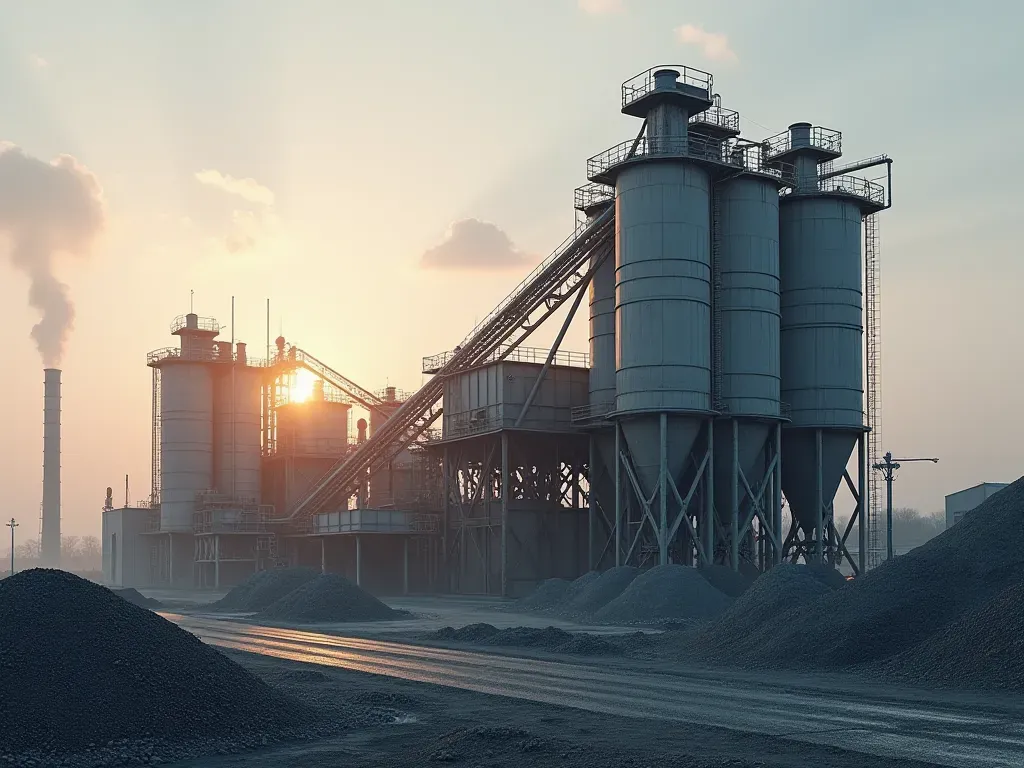
The silent thief in your production line
You think you know exactly how much concrete leaves the plant. But that number is likely a lie.
Most operators trust their scales completely. Yet, tiny calibration drifts accumulate over weeks.
This invisible error bleeds money from your concrete business every single day. It is not a dramatic failure.
It is a quiet bleed. I have seen plants lose over ten percent of their theoretical yield just from this issue.
Why the green cement boom is a trap for traditional plants
Everyone talks about sustainable concrete. But the real threat is not environmental regulation.
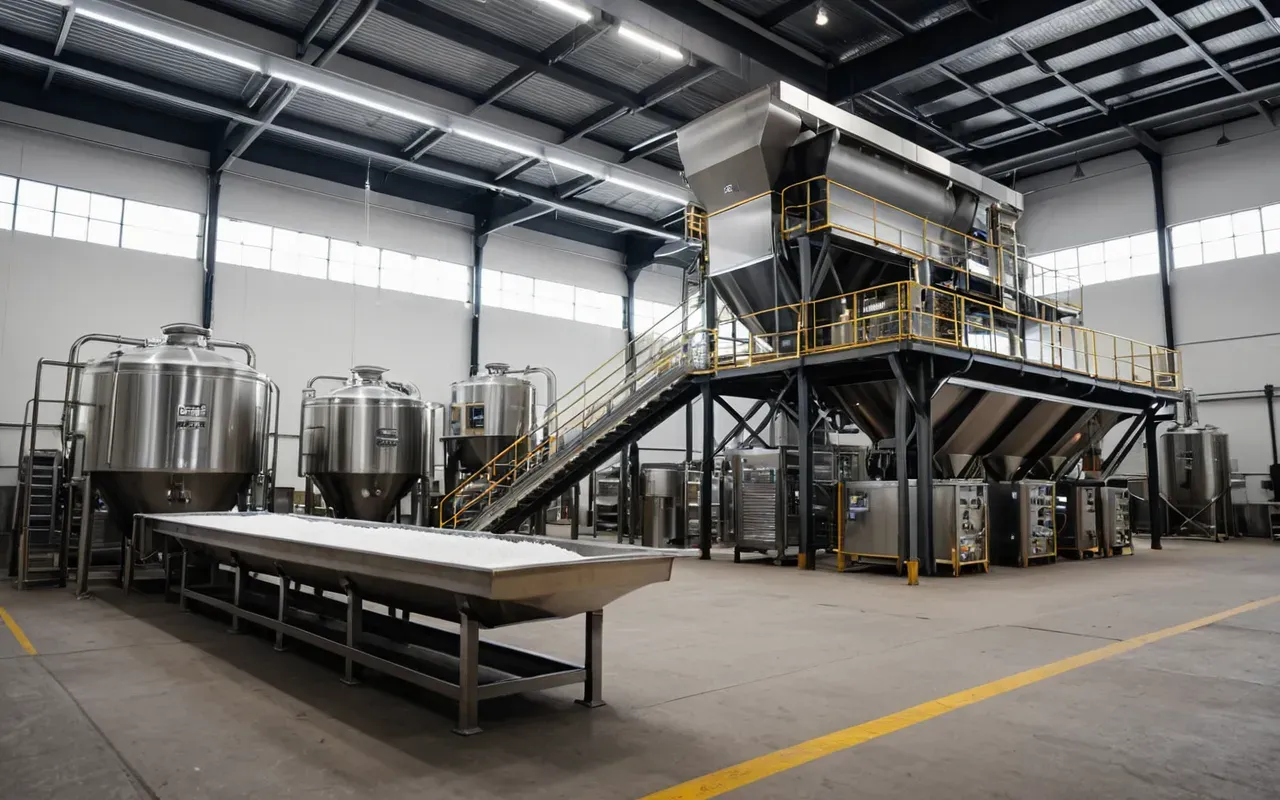
It is economic displacement. New players are entering with lower overheads and better data analytics.
Traditional plants rely on manual oversight. This creates a blind spot for efficiency gains that competitors exploit.
You are competing against algorithms now. If your plant cannot adjust mix ratios in real time you lose.
The sensor error costing thousands in dry concrete output
A single faulty load cell can skew your entire production count. The system reports success while losing material.
This specific sensor error costs you thousands in dry concrete output. It goes unnoticed for months.
I once audited a facility where the feed rate sensor was off by just two percent. That small gap destroyed profitability.
The fix was simple. A recalibration and a software update solved the problem overnight.
Dust control is not just about compliance it is about profit
Operators often view dust suppression as a regulatory headache. This is the wrong mindset.
Excessive dust means material loss. Every particle escaping the system is money leaving your pocket.
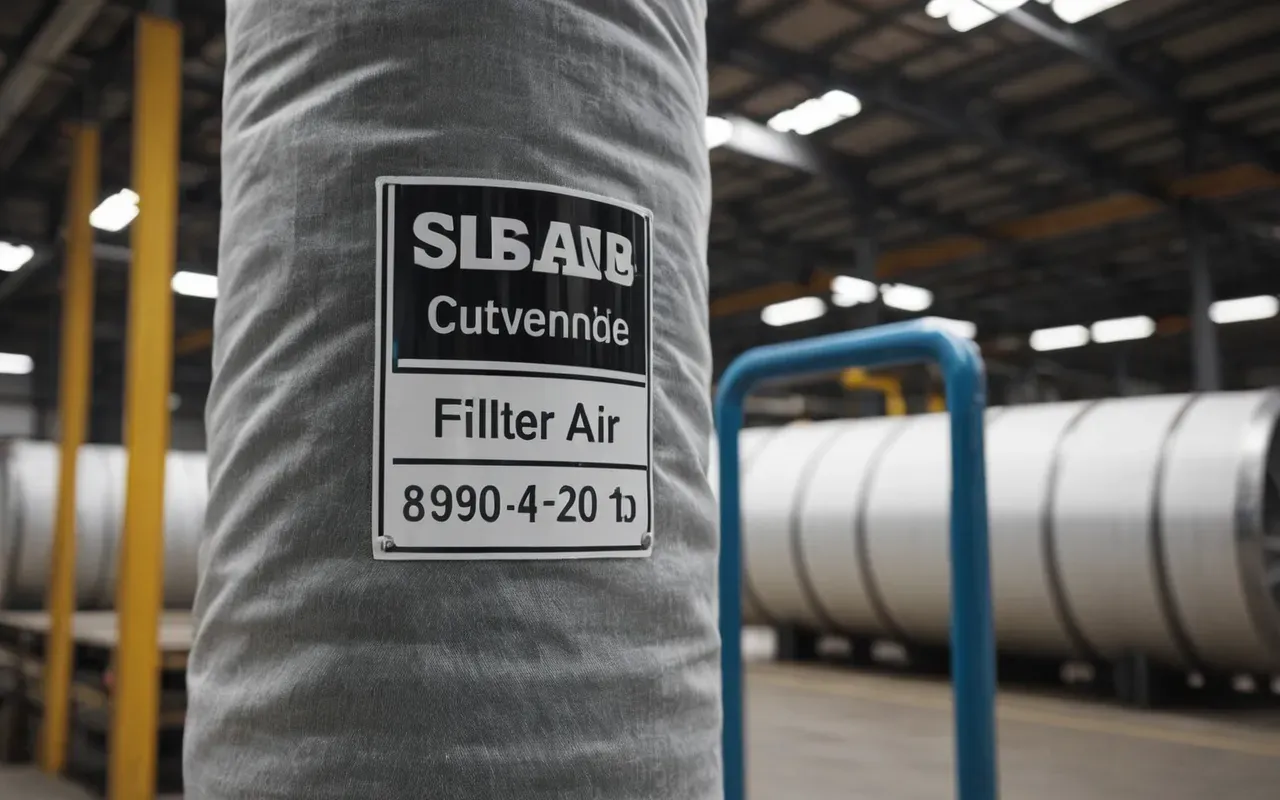
Modern plants use high efficiency bag filters. These capture over ninety nine percent of particulates.
But only if they are maintained properly. Clogged filters cause back pressure issues that reduce throughput.
The real reason your batching plant manufacturer matters more than the machine
Buying a cheap unit saves money upfront. But it locks you into inferior support and parts availability.
A reputable manufacturer provides software updates that fix the hidden flaws most concrete batching plant manufacturers ignore.
They understand the physics of powder flow. This expertise prevents clogs and ensures consistent output.
Why a sixty cubic meter plant is actually a threat to your existing suppliers
Smaller plants are gaining ground. They offer faster delivery times and lower minimum order quantities.
Large suppliers struggle to match this agility. The result is a fragmented market with shifting power dynamics.
You must adapt your strategy. Focus on precision and service to retain your key accounts.
The invisible error that bleeds money from your concrete business every single day
It is rarely a catastrophic breakdown. It is the slow accumulation of small inefficiencies.
Think about your downtime. Every minute the plant stops for cleaning is lost revenue.
Automated cleaning systems reduce this time significantly. They allow continuous operation with less labor.
Your batching plant is likely wasting fifteen percent of its daily output right now
This statistic shocks most plant managers. They assume their systems are optimized.
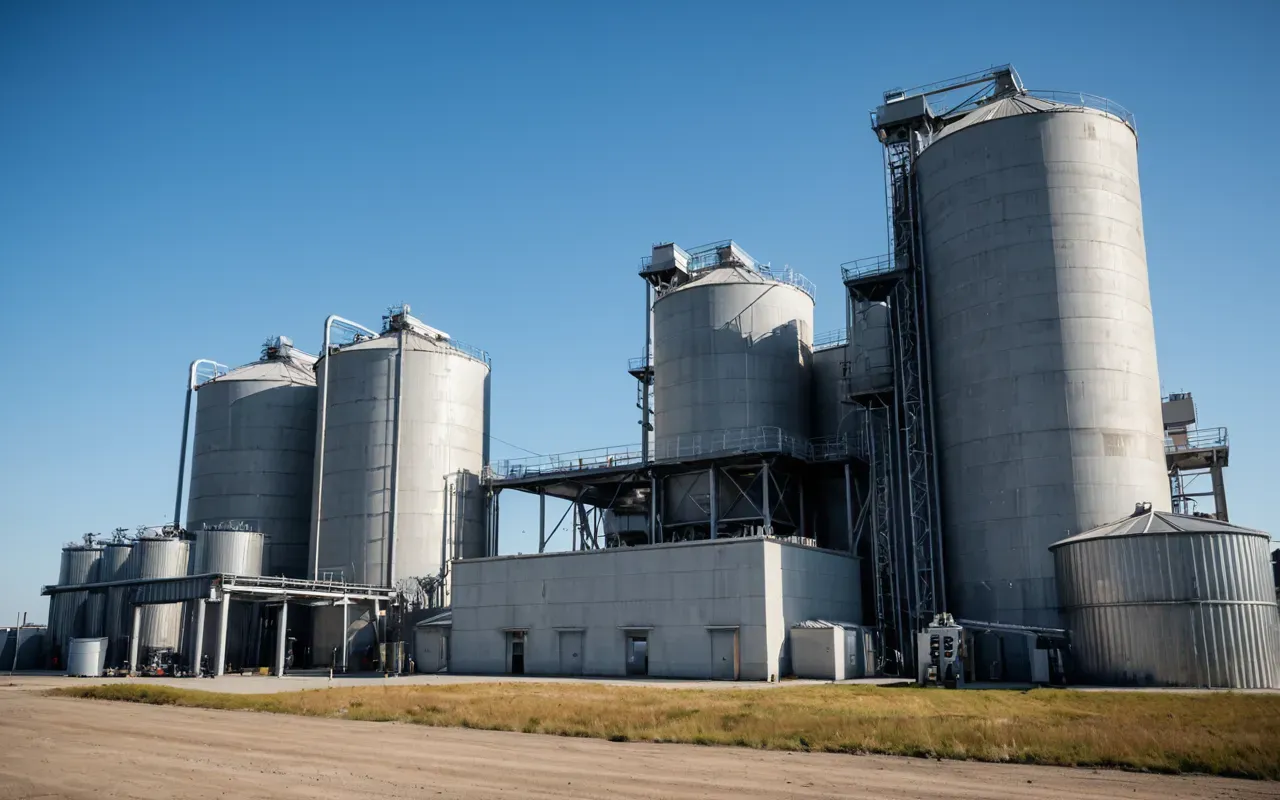
The waste comes from imperfect mixing and residual material in hoppers. These are avoidable losses.
Implementing advanced weighing systems can recover this lost material. It is a direct boost to margins.
The real reason your concrete batching plant manufacturer matters more than the machine
Machines break down. But good manufacturers prevent them from breaking in the first place.
They offer predictive maintenance insights. This keeps your uptime high and costs low.
This partnership is the difference between a profitable operation and a money pit. Choose wisely.
Builders are rushing back but the data is hiding a massive problem
The construction sector sees growth. But underlying operational efficiency is stagnating.
Demand is up but supply chains are fragile. This mismatch creates volatility for suppliers.
You need resilience in your production process. Dry batching offers this stability and control.
Why Texas concrete plants are suddenly being treated like polluters
Environmental standards are tightening. This affects not just Texas but the entire industry.
Compliance requires investment in cleaner technology. This raises operational costs for older plants.
New dry batching systems are designed to meet these standards easily. They give you a competitive edge.
The five thousand dollar mistake you are making with your concrete mix right now
Using inconsistent aggregate sizes causes segregation. This leads to quality complaints and returns.
Standardizing your input materials solves this. It ensures uniformity in every batch produced.
It is a simple fix. Yet many operators overlook it because they focus on the mixing phase only.
The two billion dollar gap is real but the bigger threat to your concrete business is sitting on a scale
The global market gap reflects growing demand. But your local profit margin depends on precision.
If your scales are off you overcharge or underdeliver. Both scenarios damage trust and revenue.
Regular calibration is non-negotiable. It protects your brand and your bottom line simultaneously.
Why a small Cebu town is becoming the hidden engine of Philippine construction
Regional hubs are emerging with specialized facilities. They serve local needs more efficiently than giants.
This decentralization reduces transport costs. It also allows for faster response times to site demands.
You should consider this model. It aligns perfectly with the agility of modern dry batching systems.
Texas lawmakers just forced a change that could make every concrete plant rethink its dust control forever
New laws mandate stricter emission limits. This forces a technological upgrade across the sector.
Plants that ignore this risk heavy fines. They also face public backlash from local communities.
Proactive investment in dust control saves money and reputation. It is a win-win strategy for operators.
Burleigh concrete plant dust war hides a tech secret everyone ignores
The conflict is over visibility. But the real issue is data collection from dust particles.
Analyzing dust composition reveals mix inconsistencies. It is a free quality control tool.
Most operators discard this data. They miss a valuable opportunity to optimize their production process.
The interior finishing industry is quietly abandoning dry powder and here is why it will completely rewrite your project timelines
Wet methods are making a comeback. But dry systems offer speed that wet cannot match.
The key is in the application technique. Proper dry mixing ensures faster drying times.
This changes project scheduling significantly. You can deliver finished surfaces in half the time.
Three hidden flaws most concrete batching plant manufacturers ignore
First is poor hopper geometry. It causes material bridging and flow stops.
Second is inadequate cleaning ports. They make maintenance slow and labor intensive.
Third is weak software integration. It prevents real time monitoring and automated adjustments.
Why the new building law is a silent death sentence for on site concrete batching
Stricter safety rules increase operational costs. They also limit where plants can be installed.
Centralized facilities become more attractive. They spread compliance costs over larger volumes.
This shift favors established manufacturers. It makes entry barriers higher for new competitors.
Comments ()