Why Accra's New Concrete Plant Signals A Massive Shift In Global Batching Efficiency
The Silence Before The Storm In Accra's Construction Sector
You feel it before you see it. The ground hums with a low-frequency vibration that rattles your coffee cup on the desk in Osu. It is not an earthquake. It is not traffic. It is the sound of capacity waking up.
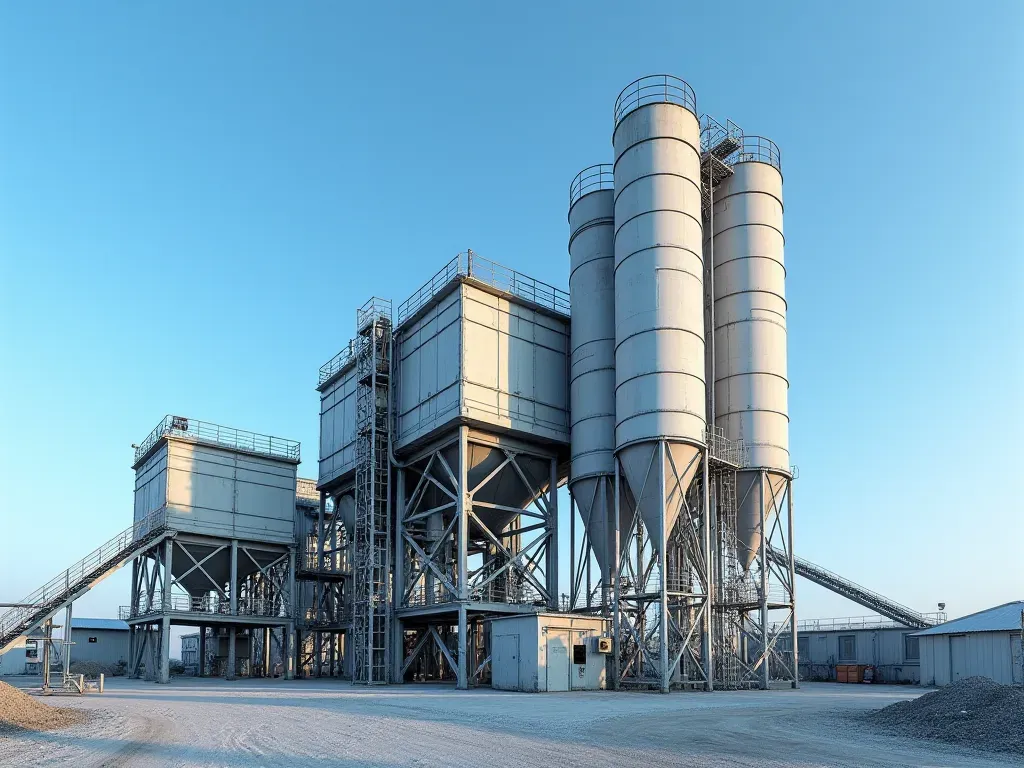
VPL Concrete Limited has officially commissioned a new facility in Accra. This is not just another concrete mixer parked on a dusty lot. It represents a calculated pivot toward high-tech precision in a market historically defined by manual labor and variable quality.
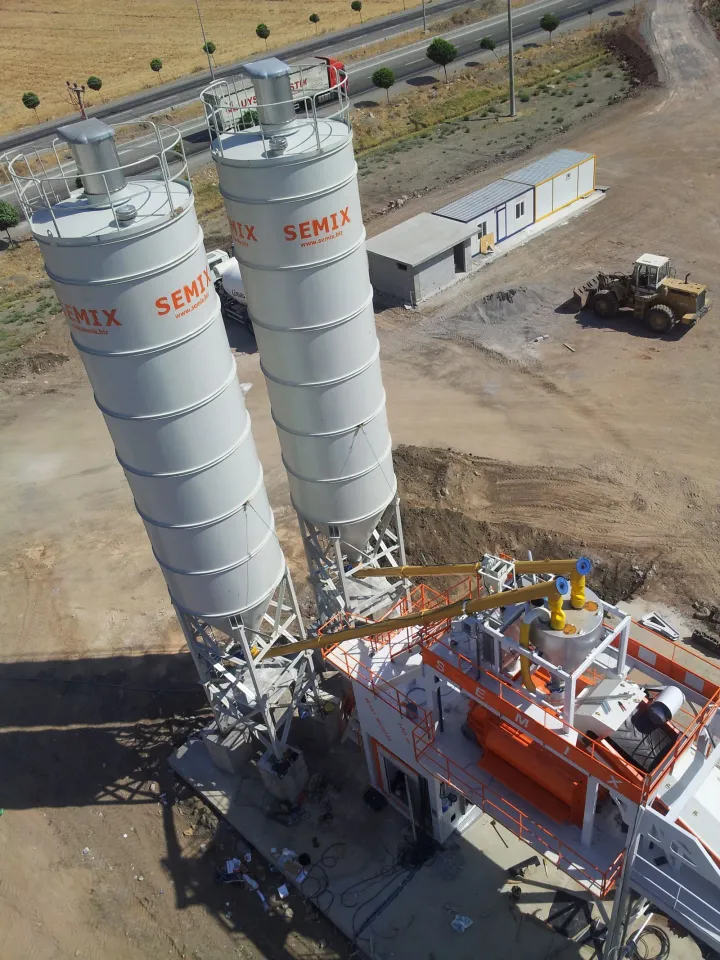
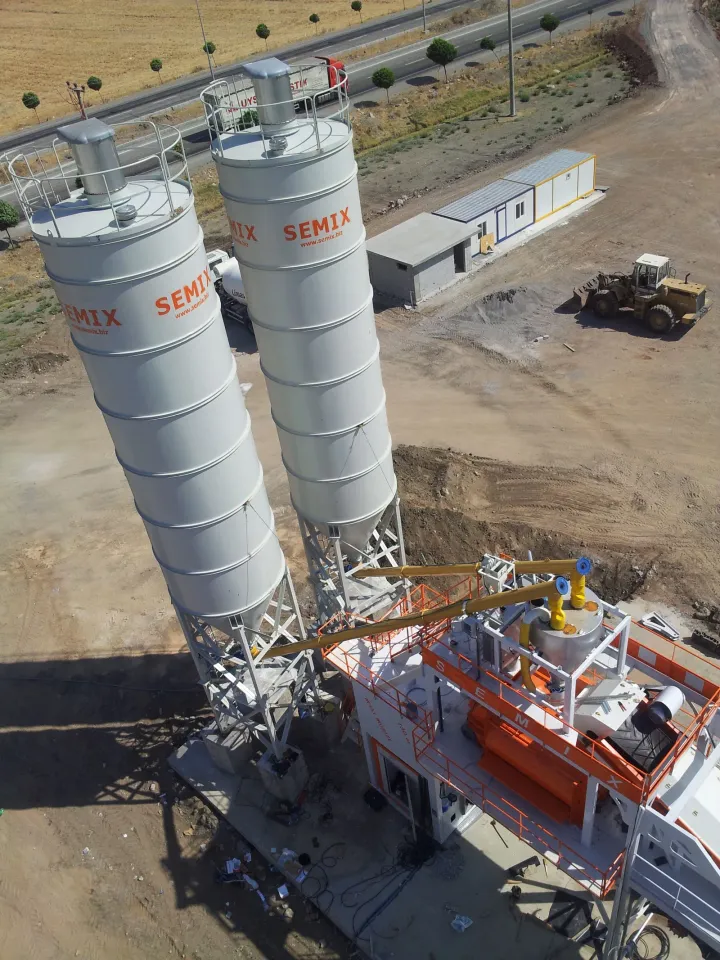
I have watched the batching industry evolve for years. We often assume that emerging markets rely on outdated methods. But look at Accra now. They are installing ELKOMIX-120 Quick Master Compact plants. These units produce between 100 and 110 cubic meters of vibrated concrete per hour.
That speed matters. In construction time is money literally bleeding from the project budget every hour a crane waits for mix delivery. This plant changes that equation entirely.
Why Technology Changes The Narrative Of Local Business
Nana Owiredu Wadie I the Board Chairman made a point that struck me deeply. He said Ghana has seen massive infrastructure growth driven by technology investment. This is not just PR speak.
Think about what this means for us in the manufacturing sector. If a local player like VPL can justify the capital expenditure on scientific additive laboratories and advanced pumping systems it signals confidence. It signals that the market is ready for precision.
Komla Agbenyegah Ayivi the Managing Director put it even more bluntly. He wants to change the narrative of Ghanaian businesses not outliving their founders. That is a heavy statement.
Most family businesses fail when the next generation takes over. Why? Because they rely on personal relationships rather than systemic efficiency. VPL is building systems. They are using data.
They invited corporate bodies to witness the launch because they need partners who understand this shift. They want contractors and developers to recommend them based on quality not just price.
The Role Of Strategic Partnerships In Scaling Operations
Notice the names dropped during the ceremony. Gyata Cement Saint Gobain GOIL GHACEM. These are global and regional heavyweights. VPL is not operating in a vacuum.
When you align with such partners your supply chain becomes robust. You get consistent raw materials. This consistency is vital for ready-mixed concrete production where variance can ruin a batch.
I have seen projects fail because of poor aggregate quality. VPL seems aware of this risk. Their emphasis on laboratory-engineered mixes suggests they are controlling every variable.
Environmental Considerations In Modern Batching Plants
Eric Wadie a co-founder mentioned something interesting. He said VPL aims to be more tolerant to the environment and reduce pollution. This is often overlooked in emerging markets.
Concrete production has a massive carbon footprint. The cement industry alone accounts for significant global emissions. Any move toward cleaner batching processes is worth noting.
Dry concrete batching plants offer advantages here. They reduce water waste and allow for more precise mixing ratios which minimizes material loss. This efficiency translates directly to lower environmental impact.
How Dry Batching Supports Eco-Friendly Goals
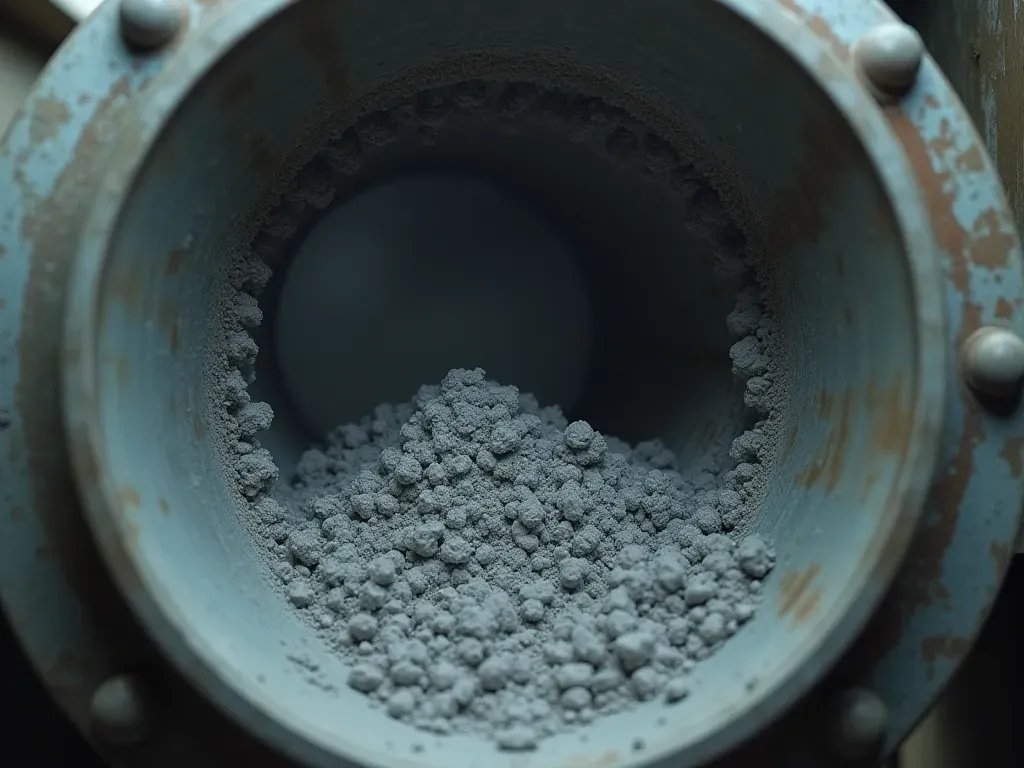
Let us look at the mechanics. In a dry batch plant aggregates and cement are mixed first. Water is added later in the truck or on site. This flexibility reduces the risk of premature setting.
It also means less water consumption during the initial mixing phase. Water scarcity is a growing concern in many urban areas including Accra. Efficient use of resources matters.
For manufacturers like us this trend toward sustainability is not optional anymore. Clients demand it. Regulations are tightening globally. We must adapt our designs to meet these expectations.
Innovations In Material Handling Reduce Waste Significantly
Modern plants use sensors to monitor fill levels and mix quality in real time. This prevents overproduction which is a major source of waste in the industry.
VPL seems to be embracing this level of control. Their investment in technology suggests they understand that precision equals profit and sustainability.
The Broader Implications For Global Batching Manufacturers
Here is the thing. What happens in Accra does not stay in Accra. The success of VPL Concrete signals a shift in consumer expectations across West Africa and beyond.
Contractors now expect faster delivery times. They demand consistent quality grades like C25 or C30 without variance. This puts pressure on suppliers to upgrade their equipment.
If you are reading this as a contractor or developer take note. The window for relying on low-cost inconsistent mixes is closing. Quality will become the primary differentiator.
For us manufacturers this is an opportunity. We need to produce plants that are not just powerful but smart. Integration with IoT platforms for remote diagnostics should be standard.
Adapting To Changing Market Demands Requires Flexibility
Look at the ELKOMIX-120 model. It is compact yet high-capacity. This design philosophy appeals to urban sites where space is limited but volume requirements are high.
Urbanization is accelerating globally. Cities like Lagos Nairobi and Accra are expanding rapidly. They need efficient infrastructure to support population growth.
Mobile batching units are gaining popularity for this reason. They can be deployed close to job sites reducing transport time and costs.
Mobile Solutions Offer Unprecedented Operational Agility
Imagine moving your factory to where the work is. That is what mobile batching allows. It reduces logistics bottlenecks significantly.
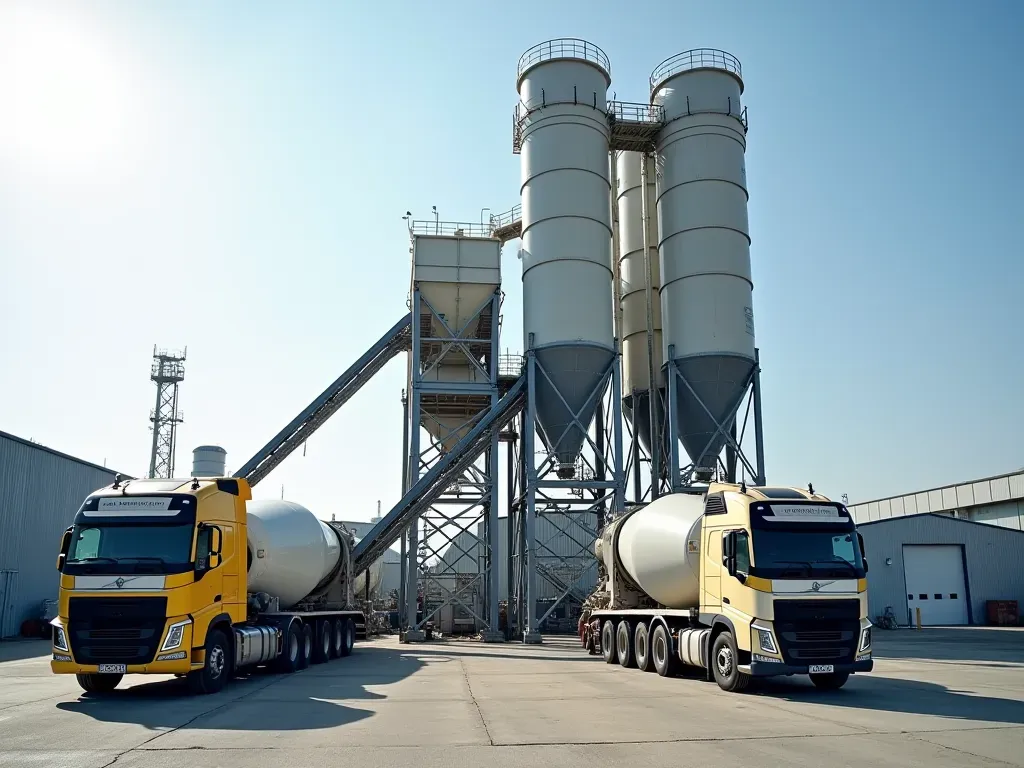
VPL has both fixed and mobile plants in operation. This dual approach gives them flexibility to serve diverse project types from high-rises to residential complexes.
Lessons Learned From VPL Concrete's Commissioning Event
The commissioning was not just a ceremony. It was a statement of intent. VPL wants to be the reference point for ready-mixed concrete in Ghana.
They are asking for support but also offering value. They want insights from partners to refine their processes further.
This open attitude toward learning is refreshing. Many companies hide behind their successes. VPL seems willing to share and grow together with its ecosystem.
For us this highlights the importance of community engagement in construction. Building relationships with suppliers contractors and regulators creates a stable foundation for long-term success.
Building Trust Through Transparency And Quality Assurance
Trust is hard to earn and easy to lose in concrete supply. One bad batch can damage a reputation permanently.
VPL's emphasis on laboratory testing suggests they take this seriously. Every batch should be traceable and verifiable.
This level of accountability will likely become industry standard soon. Clients are becoming more sophisticated in their requirements.
Future Outlook For Concrete Batching In Emerging Markets
What does the future hold? I believe we will see more consolidation in the sector. Smaller players who cannot afford technology upgrades may struggle to compete.
Innovation will drive growth. Companies that invest in automation and sustainability will capture larger market shares.
VPL Concrete appears positioned well for this future. Their strategic moves suggest they understand where the industry is heading.
For manufacturers like us this means continuing to innovate. We must deliver plants that are efficient reliable and adaptable to changing needs.
Digital Transformation Reshaping Production Workflows
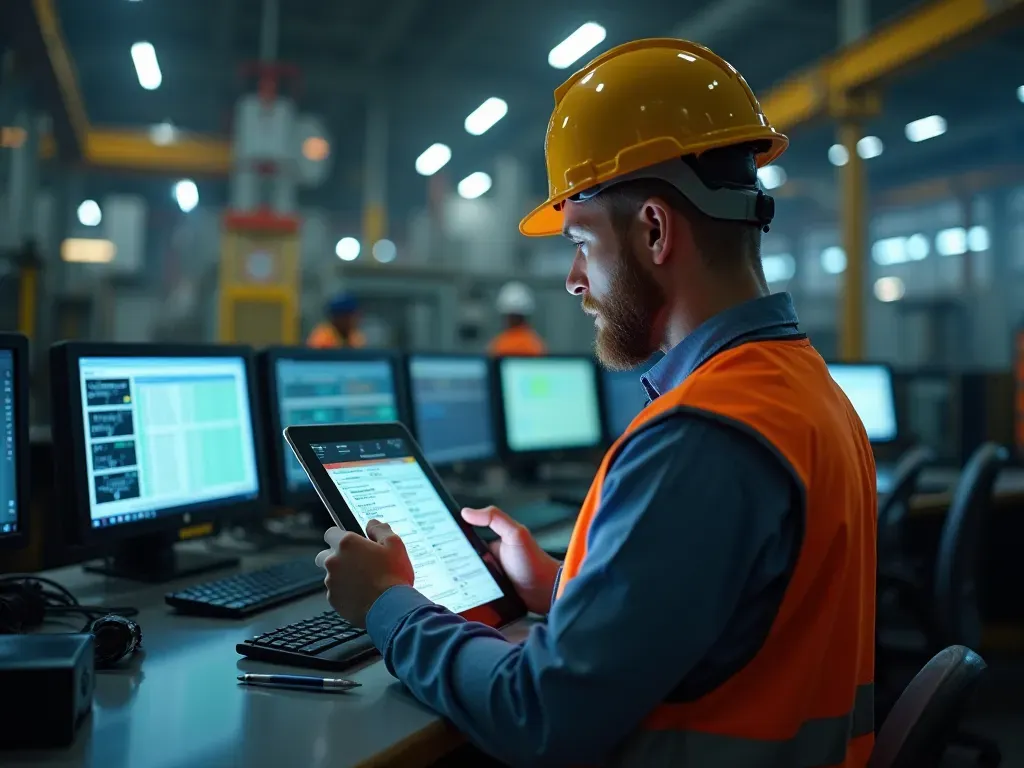
Data analytics will play a bigger role in optimizing mix designs and predicting maintenance needs. Predictive maintenance reduces downtime significantly.
We are already seeing this trend in other industries. Construction is catching up quickly due to pressure on margins and timelines.
VPL's adoption of advanced systems puts them ahead of many competitors. This early advantage could prove decisive in the long run.
Training Workforce For Technological Advancements Remains Critical
Technology is only as good as the people operating it. Skilled operators are essential for maximizing plant efficiency.
Investment in training ensures that technology delivers its promised benefits. It also improves safety standards on site.
VPL seems committed to professional development. Their partnership approach suggests they value knowledge sharing across the industry.
Conclusion Embracing The New Era Of Concrete Production
The commissioning of VPL's new plant isn't just a local milestone. Honestly, it speaks to something much bigger — the way the entire world is pivoting toward efficiency, sustainability, and growth that's powered by technology.
For those of us working in manufacturing, this sends a pretty clear message. The market isn't asking for better solutions anymore. It's demanding them.
So we need to pay attention. Adapt fast. And keep delivering real value — the kind that actually lasts.
The future of construction is taking shape one batch at a time. The question is whether our plants are ready for it. Let's make sure they are.
Comments ()