The 90 Day Window That Decides If Your Batching Plant Pays Off
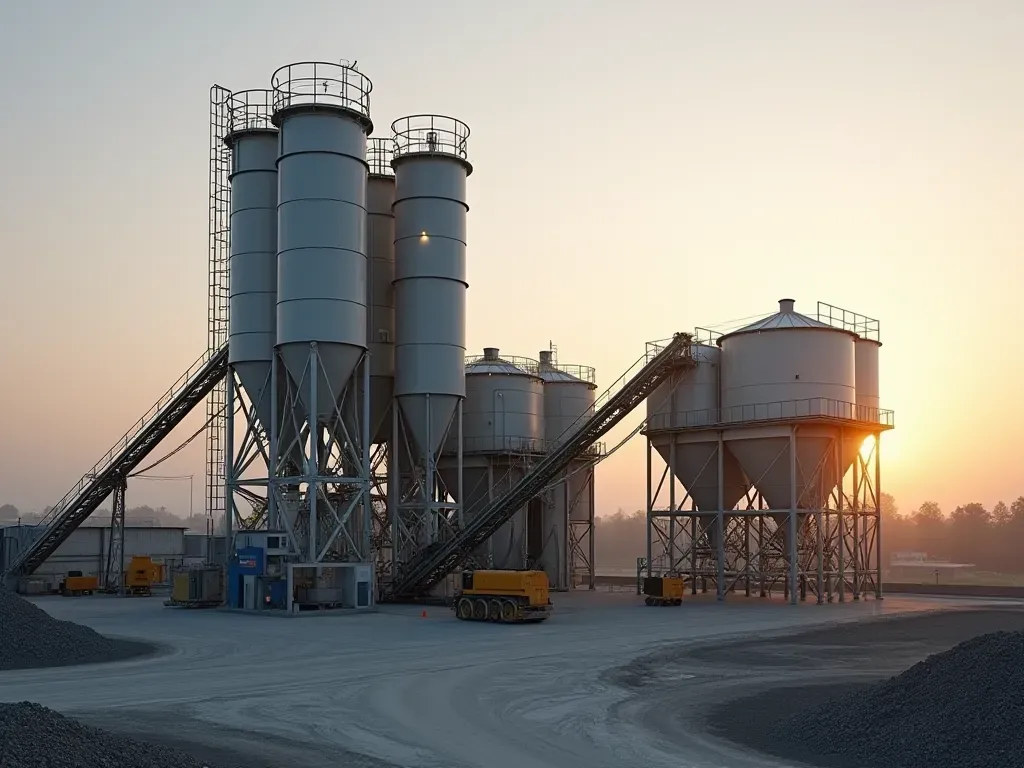
The Silent Killer of New Concrete Businesses
Most new concrete operations don't fail because of bad market timing. They fail because the first ninety days are a disaster nobody planned for. The equipment works on day one. Then it stops working by week three.
I have seen this pattern repeatedly across different regions and project scales. The machine looks perfect in the brochure photos. It hums along during commissioning. But real-world aggregate moisture swings, unexpected dust load spikes, and calibration drift quietly bleed money from your ledger.
Here's the thing. A concrete batching plant manufacturer should not just sell you steel and sensors. They need to hand you a system that survives its first quarter of actual production. That distinction defines success or failure more than any single technical spec.
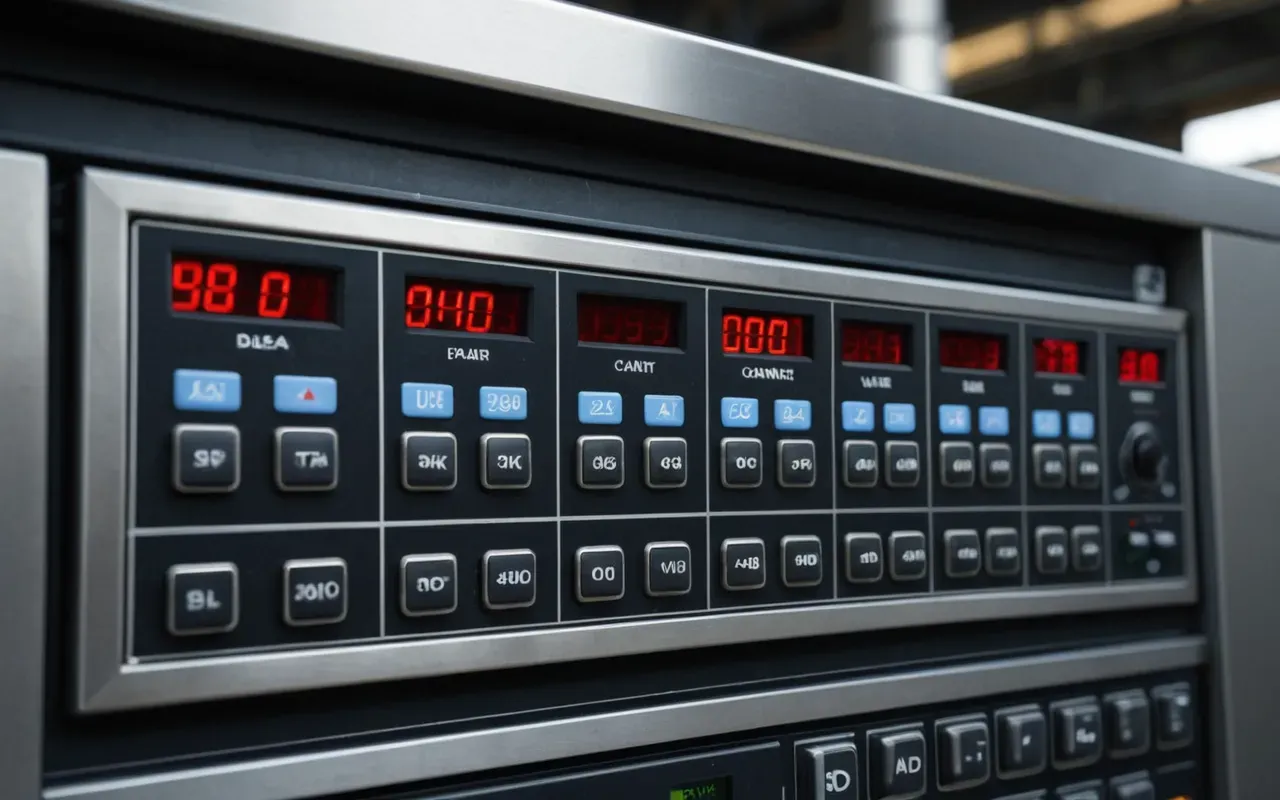
Why the First Quarter Breaks Everything
Aggregate moisture is the first enemy. Rain changes the mix density overnight. If your batching system cannot adjust water content in real time without human intervention, you are throwing away concrete by the truckload.
I once audited a facility where operators manually tweaked water ratios every twenty minutes. It seemed manageable until they calculated the labor cost and the inconsistent output quality. The numbers were staggering.
Dust is the second silent killer. Fine particles clog pneumatic lines and coat sensor lenses within days. If your plant design does not account for aggressive dust filtration at the source, maintenance becomes a part-time job.
Then there is the software. Many basic controllers treat every batch like it is a unique recipe from scratch. This causes micro-delays that add up to hours of lost production over a single shift.
What Real Manufacturers Do Differently in Design
Top-tier builders do not view the plant as a static machine. They engineer it as an adaptive ecosystem. Sensors feed data to algorithms that predict moisture shifts before they impact the mix.
I have inspected systems where humidity sensors are integrated directly into the aggregate silos. This allows the controller to pre-compensate water injection rates before materials even enter the mixer.
This proactive approach cuts waste by up to fifteen percent in high-humidity climates. It also reduces operator fatigue because the system handles the fine-tuning automatically.
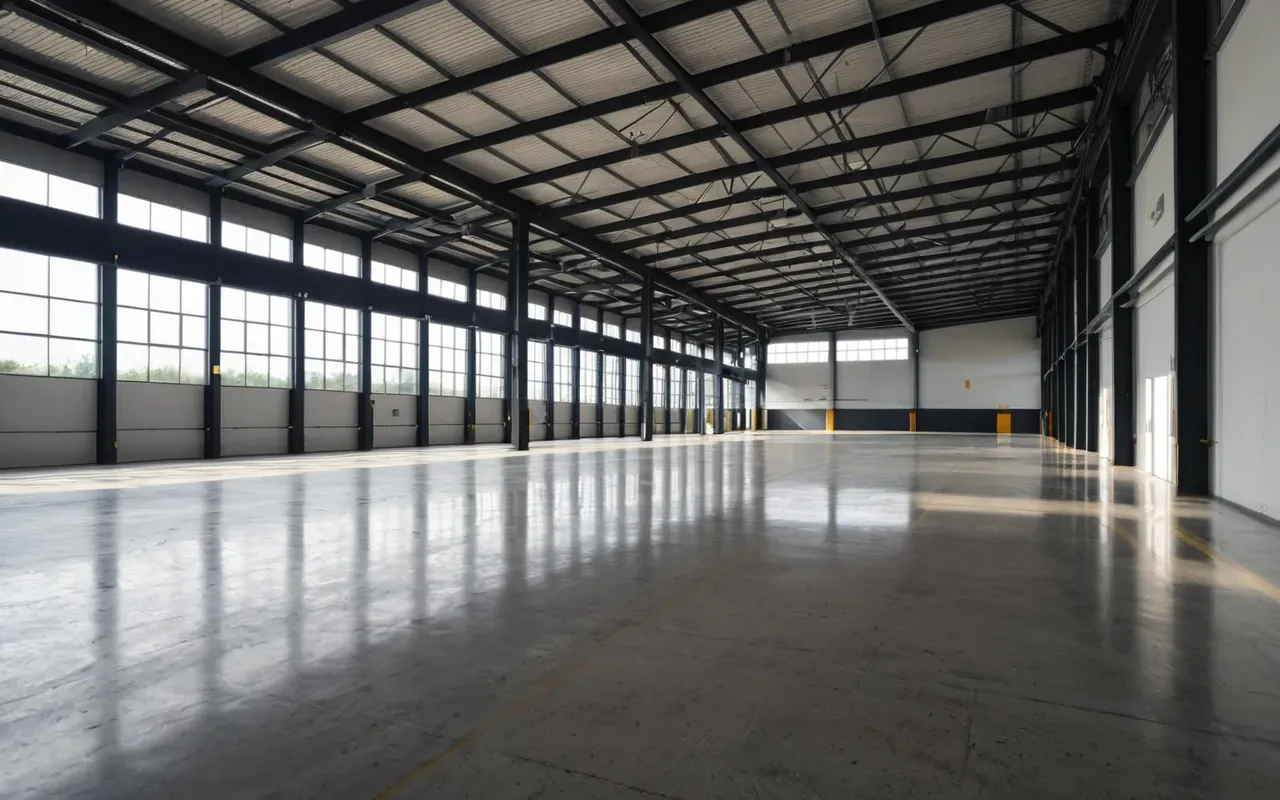
The Hidden Cost of Basic Controllers
A basic PLC might cost half as much. But it lacks the logic to handle variable input conditions smoothly. You end up with batches that are slightly off-spec every time.
Clients reject these loads. You have to re-mix or discount the product. The direct cost is small per incident. But over nine months it destroys your profit margin.
I have seen companies lose major contracts because of inconsistent quality. The root cause was always traceable back to a controller that could not adapt to real-world variability.
How to Audit a Manufacturer Before You Sign
Do not just look at the price tag. Ask for data from their last ten installations in your specific climate zone. Real performance varies wildly between dry and humid regions.
Request a live demonstration with wet aggregate. Most demos use perfectly dry sand and gravel. That tells you nothing about how the system handles rain or high moisture content.
Check their spare parts inventory. If a specific valve or sensor takes four weeks to ship from overseas, you are looking at a week of lost production for that single failure.
The Support Trap You Must Avoid
Many manufacturers sell the plant and then disappear. Their phone lines go quiet after installation. You are left troubleshooting complex software issues with no one to call.
I have spoken to operators who spent three days fixing a sensor error that should have taken ten minutes. The manufacturer had no remote support capability and no local technician network.
Insist on a service level agreement with defined response times. If they will not commit to fixing critical issues within twenty-four hours, walk away.
The Financial Reality of the First Year
Most business plans assume ninety percent uptime. In reality, new plants average seventy-five to eighty percent in their first year due to calibration and learning curves.
Build this gap into your cash flow model. If you rely on peak output from day one to cover loan payments, you will run out of liquidity before the system stabilizes.
A good manufacturer will help you model this reality. They will show you realistic production curves based on their actual field data, not idealized laboratory results.

Hidden Fees in the Purchase Agreement
Calibration services are often billed separately. So is software updates for new mix designs. These small line items add up to thousands of dollars annually.
Read the fine print on maintenance contracts. Some include only labor and charge parts at a premium margin. Others bundle everything but exclude critical sensors.
I always negotiate a flat-rate maintenance package that covers all wear parts and software updates. It costs more upfront but eliminates surprise bills during critical production periods.
Why Advanced Materials Demand Better Hardware
Modern concrete mixes include additives that are sensitive to temperature and mixing time. Basic batching systems cannot guarantee the consistency these materials require.
If you plan to use high-performance concrete or self-leveling compounds, your hardware must be precise. A two-second delay in water injection can ruin a batch.
This is where the choice of manufacturer becomes critical. You need a partner who understands material science as well as mechanical engineering.

The Myth That Bigger Is Better
Many buyers assume they need the largest plant possible to future-proof their investment. This is a costly mistake that ties up capital unnecessarily.
A smaller plant with superior efficiency often outperforms a larger unit with mediocre controls. You pay less for maintenance and get better output quality per hour.
Start with a unit that matches your current demand. You can always add modular expansion later if the market grows faster than expected.
Real Stories from Operators Who Got It Right
One facility in a humid coastal region switched to an advanced sensor array after losing two major clients. Their rejection rate dropped from eight percent to under one overnight.
Another operator in a dry inland area installed automated dust collection systems. Their maintenance costs fell by thirty percent because sensors stayed clean longer.
These are not theoretical wins. They are measurable financial outcomes that directly impact the bottom line of concrete production businesses.
The Role of Data in Modern Batching
Every batch generates data on ingredient weights, mixing time, and output consistency. Most operators ignore this goldmine of information.
Advanced manufacturers provide dashboards that visualize these trends. You can see exactly when moisture spikes occur and how they affect mix quality.
This data allows you to optimize aggregate sourcing and adjust production schedules around weather patterns. It turns guesswork into strategy.
Frequently Asked Questions
How long does it take to install a dry batching plant?
Installation typically takes three to six weeks depending on site conditions and complexity. This includes foundation work, equipment assembly, electrical wiring, and final calibration testing.
What is the average cost of a concrete batching plant?
Prices vary widely from fifty thousand to over five hundred thousand dollars based on capacity and automation level. Higher end systems with advanced sensors cost more but deliver better efficiency.
Why is calibration so important for batching accuracy?
Calibration ensures every ingredient is measured precisely. Even a small error in cement or water ratio can weaken the final concrete structure and lead to costly rework.
Can I expand my batching capacity later?
Yes if the original design supports modular additions. Many modern systems allow you to add extra mixers or silos without rebuilding the entire facility infrastructure.
What should I look for in a manufacturer's warranty?
Look for coverage of critical components like sensors and controllers. Ensure the warranty includes response time guarantees for on-site repairs to minimize production downtime.

Comments ()