Why Your Construction Simulator Is Lying About Real Batching Plant Design
The Dangerous Comfort of Virtual Construction Games
You sit down with a controller and a bright screen showing a sprawling virtual construction site. The graphics are crisp. The physics engine handles the weight of excavators and dump trucks perfectly. You feel ready to build the next skyscraper. But the reality of concrete production is entirely different from what those pixels show you.
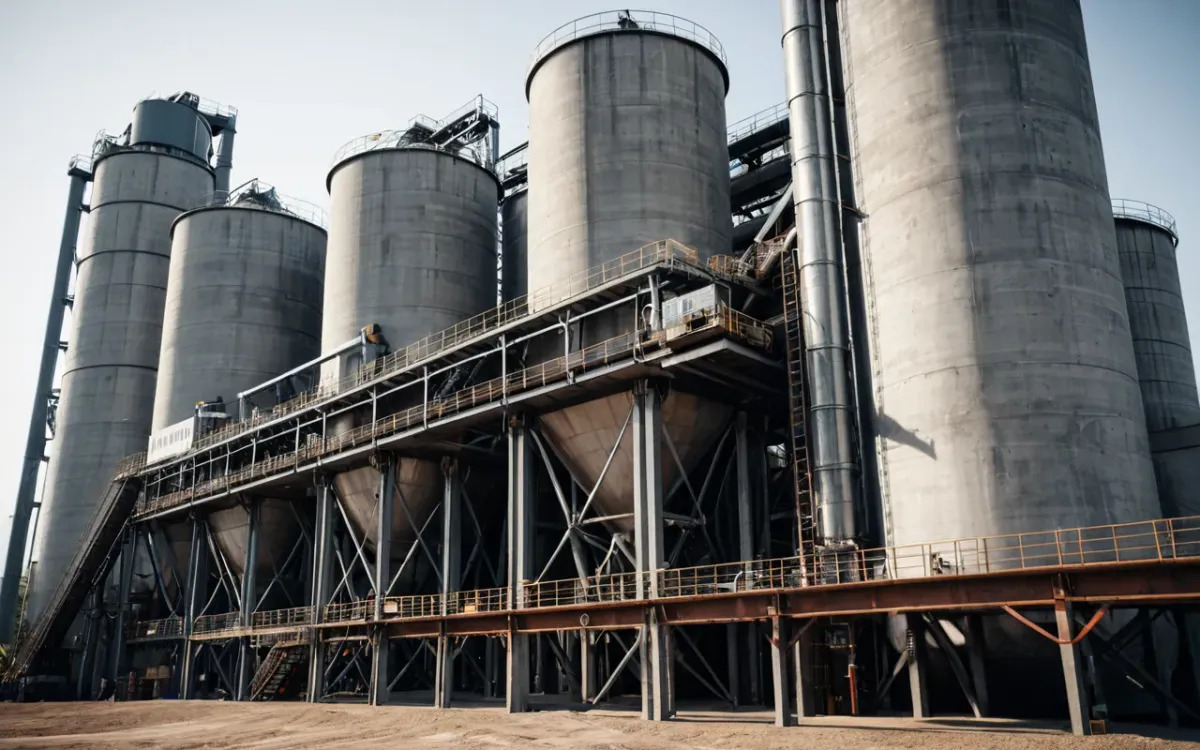
I've played several popular construction games over the last few years. They are fun. They offer a satisfying sense of progression and control. Yet, they fail to teach a single crucial aspect of modern building. They ignore the engineering reality of batch plant design. This is a massive oversight that could cost you real projects.
In the game, you simply press a button and concrete appears. It pours smoothly. The strength is always perfect. There are no clogs. There are no moisture variations. There is no maintenance. This creates a dangerous illusion of simplicity. Real dry concrete batching plants are complex machines that demand constant attention and precise engineering.

Why Game Logic Fails in Real Engineering
Video games rely on simplified logic to keep gameplay smooth. If every real-world variable was simulated, the game would crash or become unplayable. Sand moisture changes daily. Aggregate sizes vary by supplier. Cement hydration rates depend on ambient temperature. A virtual world cannot account for these dynamic forces without becoming a spreadsheet simulator.
The problem is that players internalize this simplified logic. They expect concrete production to be a push-button operation. When they encounter a real batching plant, they are shocked by the complexity. They don't understand why a simple mix design fails. They don't realize that layout efficiency is just as important as the mixer itself.
The Hidden Cost of Virtual Training
We manufacture dry concrete batching plants for all over the world. We see the same questions from new buyers every day. They ask about output speed but ignore material flow. They want maximum capacity but forget about maintenance access. This mindset often comes from a lack of exposure to actual plant operations. Games do not teach you how to design for longevity.
I recently visited a site where a new plant was installed. The owner had relied on generic online advice and virtual demonstrations. The layout was terrible. Conveyor belts crossed over each other unnecessarily. The cement silos were too far from the mixer. It took three months to fix the workflow issues. That delay cost them over fifty thousand dollars in lost revenue.
The Real Engineering Behind Dry Batching Systems
Let's talk about what actually matters in batch plant design. It is not about how fast the mixer spins. It is about how materials move. Gravity is your best friend here. If you design a plant where aggregates have to be lifted multiple times, you are wasting energy and time. Smart design uses the terrain and the building layout to minimize lifting.
Water management is another critical factor that games ignore completely. In a dry batching system, water is added at the point of use or during transport. This means the plant handles dry materials until the last possible moment. This reduces clogging risks and allows for easier cleaning. But it requires precise control systems that virtual games simply do not model.
Understanding Material Flow and Layout Efficiency
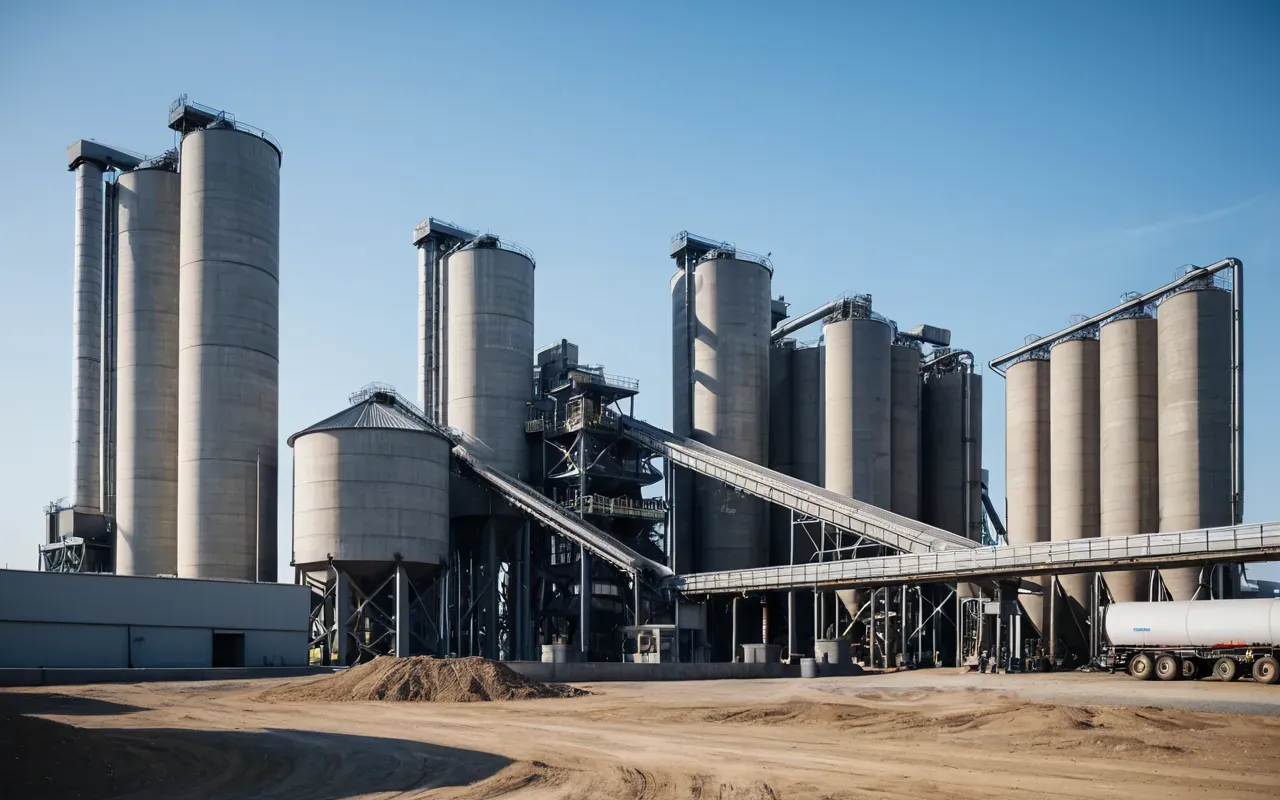
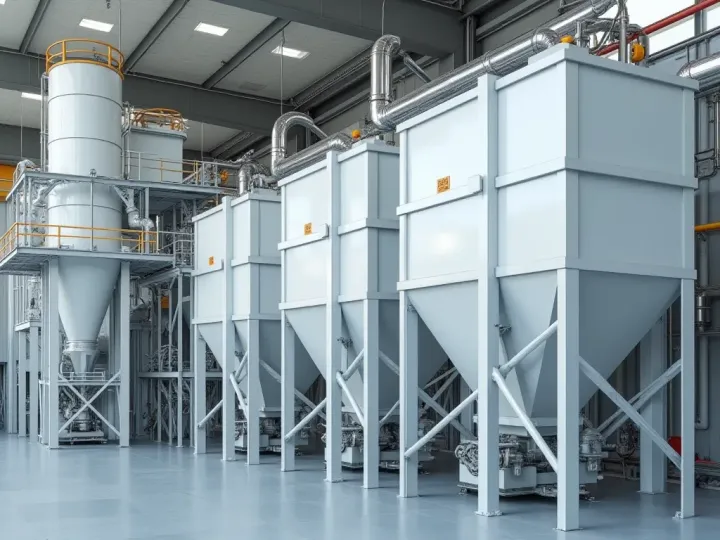
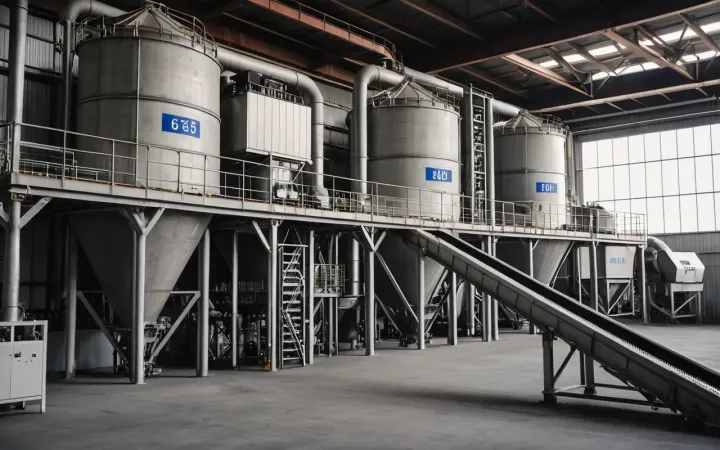
Look at a well-designed plant. The aggregate bins are positioned directly above the weighing hopper. The cement silos are adjacent. The mixer sits at the lowest practical point. This creates a straight line of flow. Every movement of material is downward or horizontal. There are no sharp turns. There are no bottlenecks. This is the secret that construction simulator games hide from you.
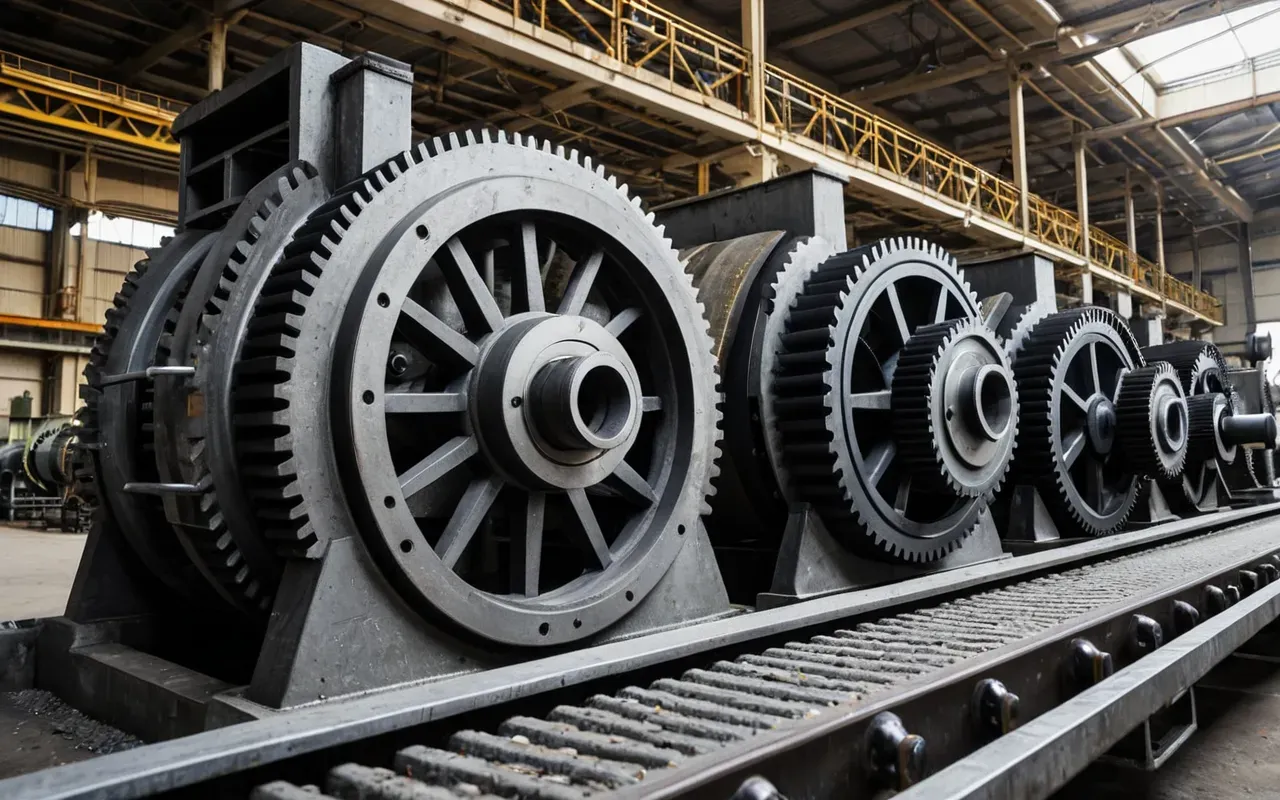
I've noticed that many contractors underestimate the space needed for maintenance. They pack the equipment as tightly as possible to save land. This is a huge mistake. Technicians need room to walk around the mixer. They need access to every bolt and belt. If you cannot reach a part, you will not fix it. The equipment will fail. Production will stop.
Bridging the Gap Between Simulation and Reality
So how do you prepare for real construction if games are misleading? You need to study actual plant operations. You need to understand the mechanical limits of the equipment. You need to learn about moisture compensation and aggregate calibration. These are the skills that keep a project on schedule and under budget. Virtual worlds do not teach you this.
We have found that clients who visit our manufacturing facilities leave with a much better understanding. They see how the components fit together. They watch the testing process. They ask questions about durability and spare parts availability. This hands-on approach builds real knowledge. It replaces the false confidence that comes from playing a construction simulator.
The Importance of Customization in Plant Design
Every construction site is different. A standard plant design rarely works perfectly everywhere. Terrain, climate, and local regulations all play a role. A plant in a humid region needs different moisture controls than one in a desert. A plant on a steep hill needs a different layout than one on flat land. Customization is not a luxury. It is a necessity for long-term success.
I always tell new buyers to look at the track record of the manufacturer. Do they offer support after the sale? Do they provide training for your operators? A good partner will help you optimize your mix designs. They will help you troubleshoot issues before they become disasters. This level of service is completely absent in the gaming world.

Why Real-World Experience Beats Virtual Mastery
There is no substitute for time on the ground. You learn to listen to the sounds of a healthy mixer. You learn to spot a worn belt before it breaks. You learn how to adjust for a sudden rainstorm. These intuitive skills take years to develop. They cannot be downloaded or installed. They come from working with real materials and real machines.
The construction industry is built on trust. Your clients trust you to deliver concrete that meets specifications. Your crew trusts you to provide safe working conditions. Your suppliers trust you to pay on time. None of this trust is built in a video game. It is built through consistent, reliable performance in the real world.
Preparing for the Future of Concrete Production
Technology is changing fast. Automation is becoming more common. Sensors now monitor mix quality in real time. Data analytics help predict maintenance needs. But the core principles of batch plant design remain the same. Efficient flow. Durable materials. Accessible maintenance. If you understand these basics, you can adapt to any new technology that comes along.
Do not let the shiny graphics of a construction simulator fool you. They are entertainment. They are not education. If you want to build a successful concrete business, you need to look at the real equipment. You need to talk to experienced engineers. You need to invest in a plant that is designed for your specific needs. That is how you win.
Frequently Asked Questions
How accurate are construction simulator games for learning plant operations?
Construction simulator games are highly inaccurate for learning real plant operations. They simplify complex mechanical processes into single-button actions. Real batching plants require constant monitoring of moisture, aggregate flow, and mixer wear. Games ignore these critical variables entirely, providing only entertainment value rather than practical training.
What is the most important factor in dry concrete batching plant design?
Material flow efficiency is the most important factor in dry concrete batching plant design. A well-designed layout uses gravity to move aggregates and cement with minimal lifting. This reduces energy consumption and wear on conveyor systems. Ensuring straight, unobstructed paths for materials prevents bottlenecks and maximizes production speed.
Why do standard plant layouts often fail in real-world projects?
Standard plant layouts often fail because they ignore site-specific conditions. Terrain, climate, and local material sources vary significantly. A design that works on flat land may fail on a slope. A layout suited for dry climates may struggle with humidity. Customization is essential to address these unique environmental challenges effectively.
How can operators prepare for real batching plant challenges?
Operators should seek hands-on training with actual equipment manufacturers. Visiting manufacturing facilities and studying real mechanical systems builds practical knowledge. Understanding moisture compensation, belt maintenance, and mixer calibration is crucial. This real-world experience cannot be replaced by virtual simulations or online tutorials alone.
What is the hidden cost of ignoring proper maintenance access?
Ignoring proper maintenance access leads to extended downtime and higher repair costs. Technicians cannot reach blocked components quickly, causing minor issues to become major failures. This delays production and increases labor expenses. Designing with ample space around critical parts ensures fast repairs and extends the overall lifespan of the plant.
Comments ()