Burleigh Concrete Plant Dust War Hides A Tech Secret Everyone Ignores
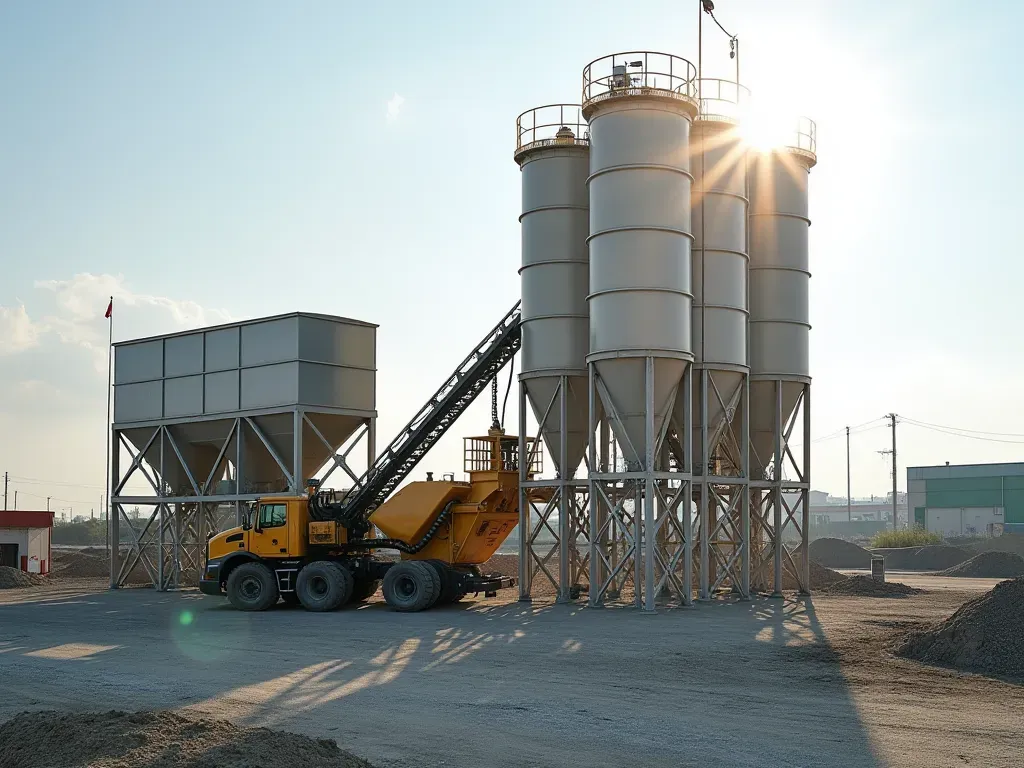
The Burleigh Standoff Is A Tech Crisis In Disguise
Councillors are now wading into the fight over a 24/7 concrete batching plant proposed for Burleigh to support light rail works. More than 1000 residents have mobilized against it. Their complaints are specific: dust, noise, and traffic. Deal-breakers, they say, for their neighborhood. The opposition is fierce. It feels like an immovable object meeting an immovable force.
But here's the thing. I've covered infrastructure disputes across multiple markets, and this pattern keeps repeating. The fight is never really about the light rail. Everyone wants better transport. The fight is about the machinery required to build it. And right now, the industry is defaulting to solutions that belong in a different decade.
The assumption driving this conflict is that concrete production equals a dust cloud and a jackhammer symphony. That assumption is outdated. Modern engineering has already solved the problems Burleigh residents are dreading. The gap isn't between progress and community. The gap is between innovation and the procurement habits that still favor obsolete wet batching systems.
We manufacture dry concrete batching plants for projects all over the world. I see the same hesitation in councils and developers everywhere. They know the tech exists. They just haven't made the leap. Burleigh could be the wake-up call. Or it could be another footnote where fear of the unknown stalls a vital public project. The stakes are higher than anyone admits.
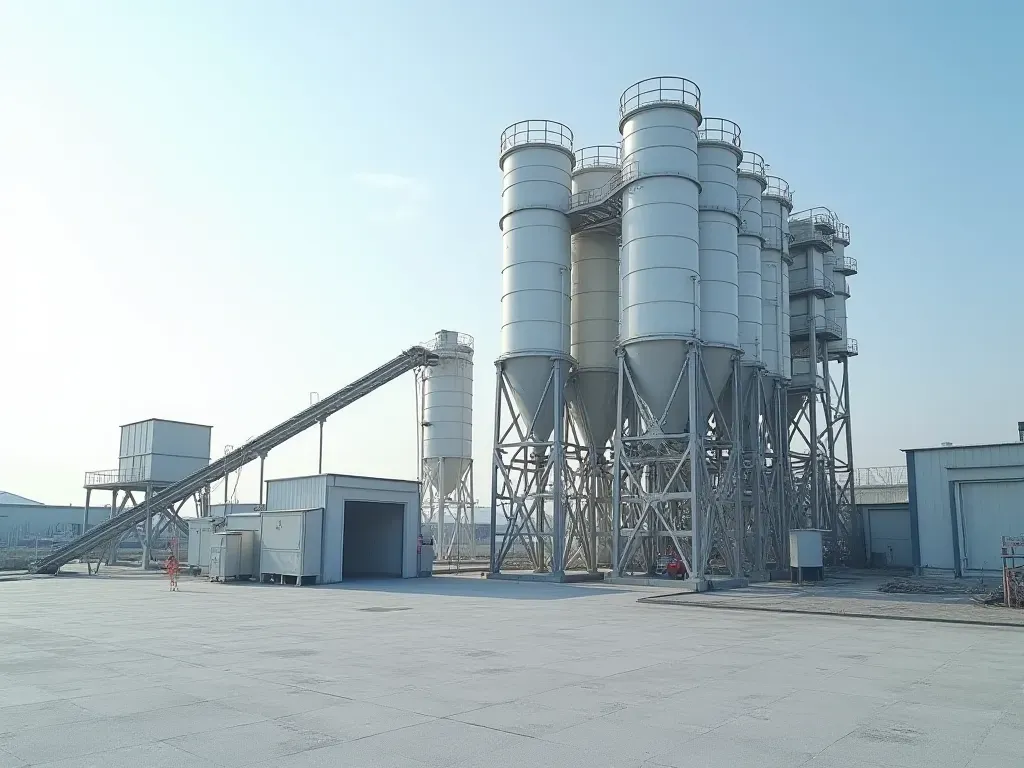
Why Dry Batching Changes The Equation Completely
Let's get specific about the technology. Wet batching plants mix aggregates, cement, and water on-site before pouring. This process generates slurry, requires massive water wash-downs, and creates significant particulate matter. The noise from pumps and mixers is relentless, especially during 24/7 operations. That is what residents are picturing. And honestly, their fear is justified if a wet plant is the plan.
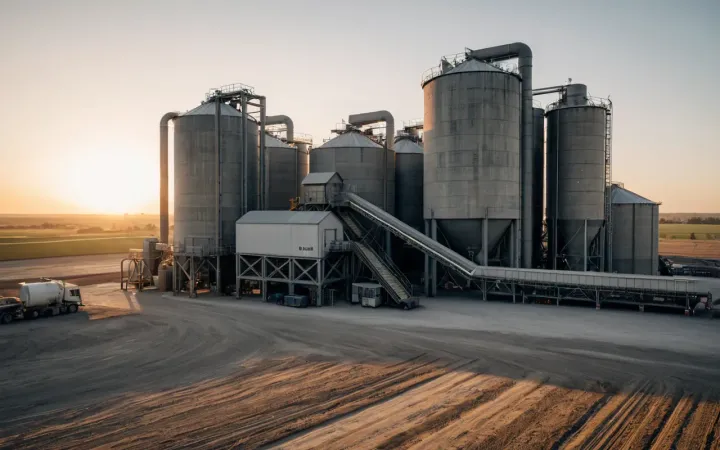
Dry concrete batching plants work differently. Aggregates and cement are batched as dry powder and loaded onto trucks. Water is added only at the point of pour, usually via onboard mixing drums in the transit mixers. The result? No sludge pits. No wash-down water runoff. Drastic reductions in airborne dust because the material stays enclosed until the final moment.
The Physics Of Silence And Dust Control
Modern dry plants use enclosed screw feeders and negative pressure systems to keep dust locked inside the silos. I was struck by a deployment in a dense residential zone last year. The plant operated for six months within 200 meters of homes. Neighbors complained about nothing. They didn't even realize the batching was happening right next door. That's the power of proper engineering.
Noise levels drop significantly too. Dry batching eliminates the high-decibel pumping systems used in wet plants. The mechanical operation is smoother. When you remove the water agitation and the slurry transfer, the acoustic profile shifts from industrial roar to manageable hum. For a 24/7 operation in Burleigh, that difference is the line between approval and shutdown.
Dispelling The Capacity Myth
Critics often claim dry plants can't handle the volume required for major infrastructure. They are wrong. Mobile units like the Semix Mobile 120S4 deliver throughput that matches or exceeds standard stationary wet plants. If you're curious about how modern mobile batching redefines efficiency, the data shows these units can keep pace with aggressive schedules without compromising quality.
Light rail projects demand consistent supply over long periods. Dry mix actually offers an advantage here. The dry powder has a longer shelf life in transit. Trucks can wait longer without the mix degrading or setting prematurely. That flexibility reduces spoilage and allows logistics to adapt to real-time site demands. Wet concrete is a ticking clock. Dry mix gives you breathing room.
The Economic Trap Of Sticking With Wet Batching
Developers and councils cling to wet batching because the upfront capital cost feels lower. That is a false economy. I've seen budgets blow up because of community complaints that halted work for weeks. A single stop-work order due to dust or noise violations costs far more than the premium for a dry batching system. The ROI shifts dramatically when you factor in schedule risk.
Wet plants also carry hidden operational costs. Water treatment, sludge disposal, and environmental compliance eat into margins. Dry plants minimize waste and water usage. In regions where water scarcity is a concern, this matters. Even in water-rich areas, the logistics of managing waste slurry are a headache. Dry technology simplifies the footprint. It makes the site cleaner and safer.
Who Wins And Who Loses In This Tech Lag
If Burleigh proceeds with a wet plant, everyone loses. Residents get their fears confirmed. The project faces delays from protests or litigation. The council looks out of touch with modern standards. If the plant is moved further away, truck traffic increases. More diesel emissions. More road wear. The localized solution is often the lesser evil, provided the technology is right.
Switching to dry batching flips the script. Residents gain a quiet, clean operation. The project moves forward without friction. The council demonstrates leadership by mandating best practices. The only ones losing are the manufacturers and contractors who refuse to upgrade their fleets. Inertia is expensive. The industry needs to stop hiding behind 'standard practice' when better options exist.
Global Shifts Versus Local Inertia
We ship plants to markets across the globe. The trend is unmistakable. Regulations in Europe and Asia are tightening on particulate emissions and noise. Dry batching is becoming the default for urban projects. Cities are demanding technology that coexists with dense populations. Australia has lagged in adoption for public works, but that is changing. Burleigh sits at the intersection of this shift.
Why does procurement lag? Contracts are often written based on historical templates. Risk aversion keeps specifiers in their comfort zone. There is also a lack of awareness. Many stakeholders simply don't know that dry plants can deliver the same volume with a fraction of the environmental impact. Education is part of the battle. Showing is better than telling.
What The Council Must Demand
The council's decision shouldn't just be yes or no. It needs to be conditional on technology. If the developer wants a 24/7 operation in a residential zone, they must prove the plant meets strict noise and dust thresholds. Dry batching systems can provide that proof. Wet plants struggle to meet those standards without crippling restrictions. The council holds the power to mandate the upgrade.
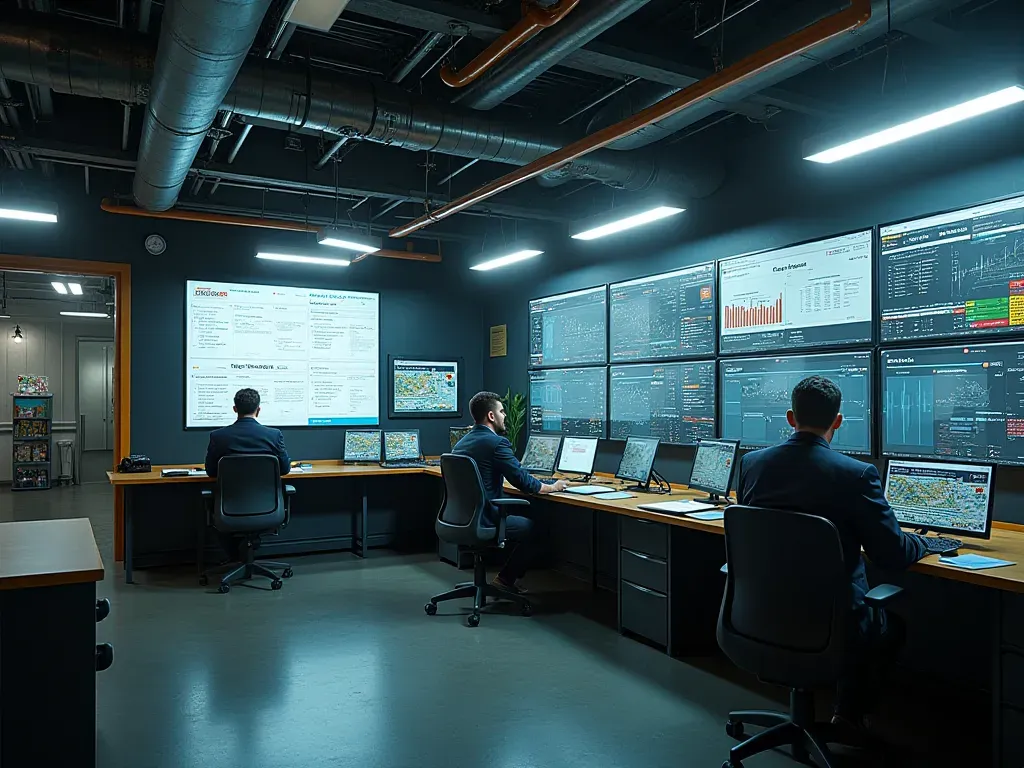
Data transparency is key. I believe the outcome hinges on whether the council asks for real-time monitoring specs. Plants should report emissions and noise levels live. Residents should be able to see the data. If the numbers stay green, opposition fades. Fear thrives in the dark. Light kills fear. The technology to provide that transparency is already available. Automation is reshaping how batching plants operate, and smart monitoring is a natural extension.
The Precedent Burleigh Sets For Future Projects
This isn't just about one light rail line. It's about how we build cities moving forward. Urban density is increasing. Infrastructure projects will always face community scrutiny. If we keep fighting the same battles with the same outdated tools, we will stall progress everywhere. Burleigh has a chance to set a new standard. Show that infrastructure and community peace can coexist.
The light rail is sold as a sustainable transport solution. Using dirty, noisy concrete technology to build it is ironic. It undermines the environmental message. Dry batching aligns with the green goals of the project. It reduces waste, water use, and emissions. The narrative should be about building smarter, not just building bigger. The council can enforce that alignment.
The Role Of Maintenance And Reliability
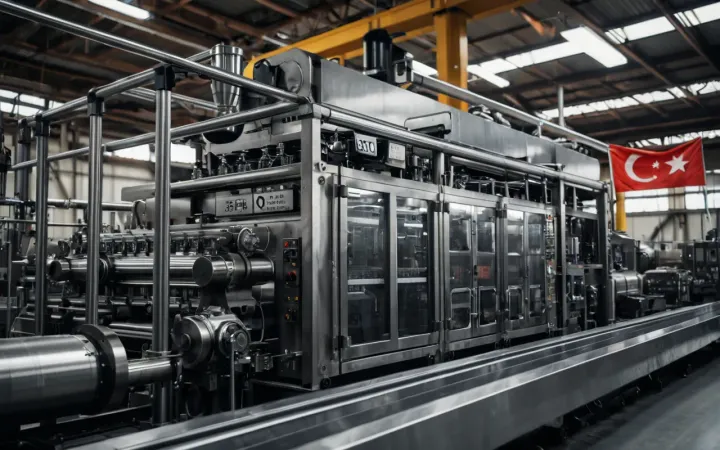
Dry plants quietly solve a maintenance headache, too. No slurry, no water corrosion — so mechanical parts simply last longer. Mixers and conveyors face less wear, which genuinely matters when you're running a long grind like light rail construction. Downtime kills schedules. A well-maintained dry plant just keeps rolling. Maintenance schedules for dry batching machinery are often simpler to boot, which means less strain on the crews actually running the site.
Looking Ahead To The Resolution
So what happens next? The council is weighing in. Residents are waiting, understandably on edge. The developer is busy planning. And the answer is sitting right in front of them. If the proposal includes a modern dry concrete batching plant, the opposition should soften in a hurry. The dust and noise fears become a non-issue. But if they stick with old wet tech, the conflict only gets uglier.
I've sat in these rooms. I know exactly how these debates play out. The winning argument was never about steamrolling community concerns — it's about meeting them head-on with better engineering. The technology exists. We use it every day. The real barrier is mindset, not capability. Burleigh deserves better than a stalemate. The light rail deserves to get built. And the residents deserve their quiet neighborhood back.
This dust-up doesn't have to end in a deadlock. It can end in a breakthrough. Mandate dry batching, and the council turns a crisis into a case study the rest of the country will study. Other cities will be watching. They'll see that infrastructure projects don't have to be neighborhood nightmares. They can be clean, quiet, and efficient. The choice is obvious. The secret is out.
Comments ()