The Concrete Plant That Is Quietly Making Ready-Mix Delivery Obsolete
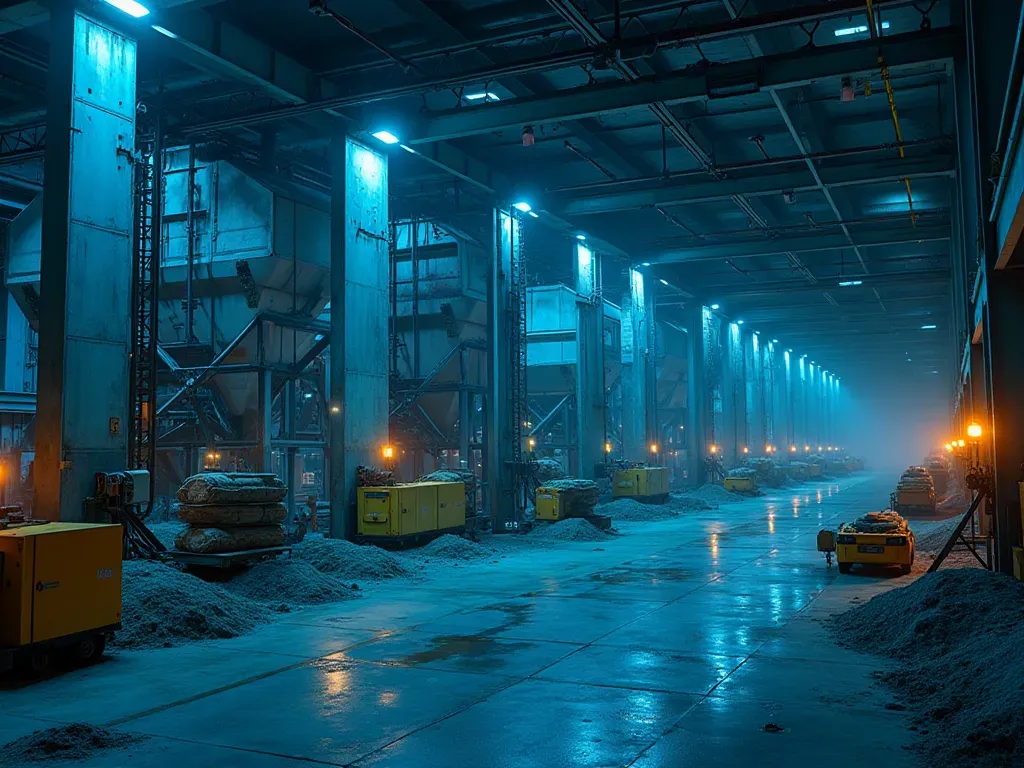
The Silent Revolution in Concrete Production
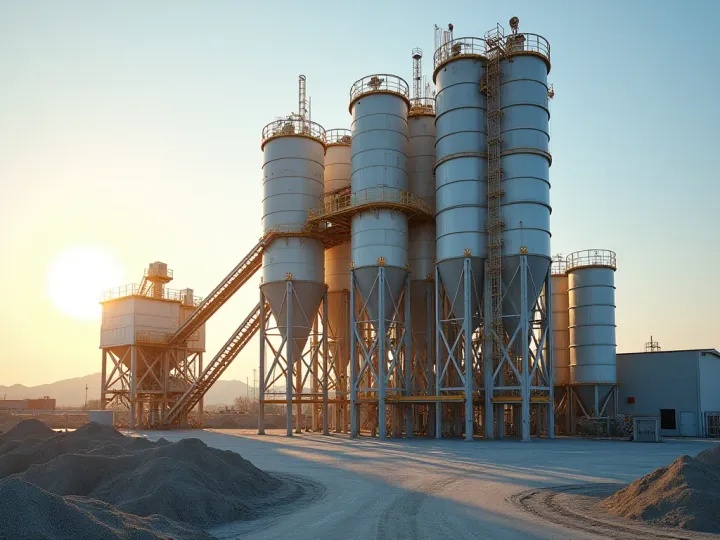
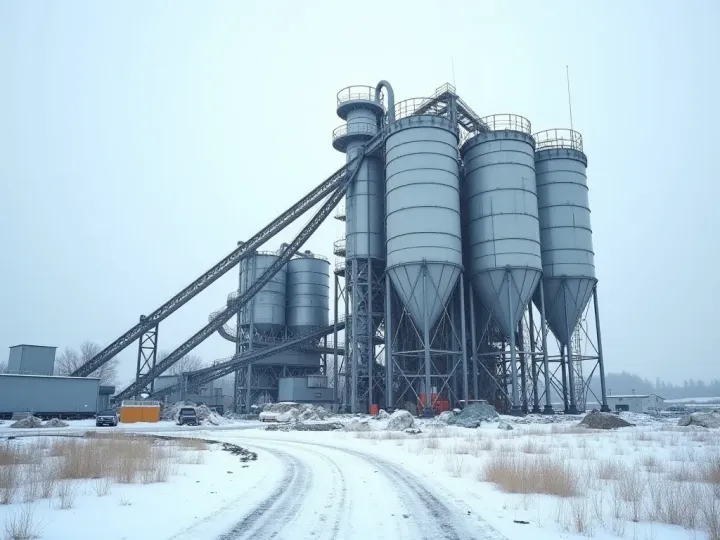
Most people picture a concrete plant the same way: trucks pull up, wet sludge gets loaded, everybody goes home. That picture is dangerously out of date. The real action isn't in the mixer. It's in the server rack humming quietly right next to it.
Last month I walked through a facility and watched one operator adjust a single valve while the system recalculated mix ratios on its own, based on ambient humidity. Nobody was squinting at a spreadsheet. The machine knew better than the human did.
This isn't science fiction. It's happening right now, in plants all over the world. The question was never whether the technology would arrive — it's here, and it's chewing through the old business models.
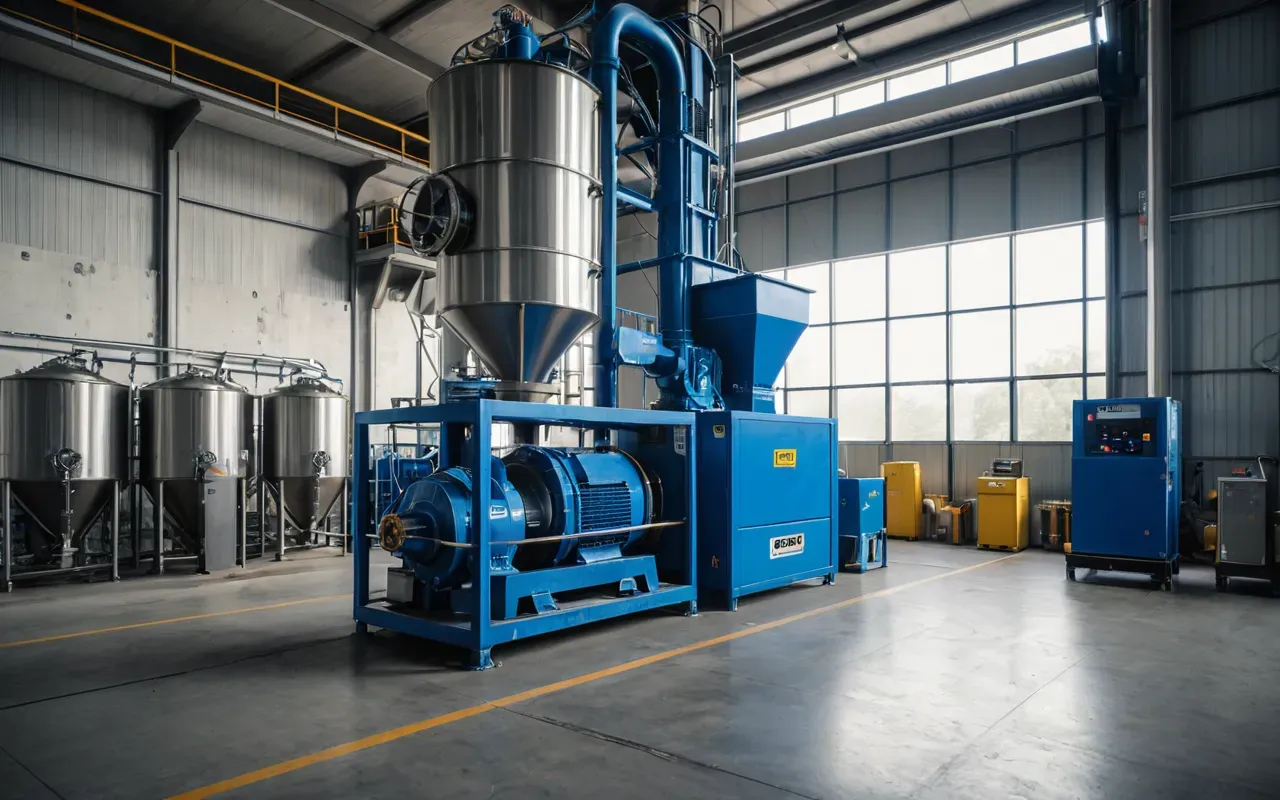
Why Your Current Setup Is Already Obsolete
Here's the thing that keeps me up at night. The average ready-mix delivery truck spends forty percent of its time idling or waiting for load instructions. Wasted fuel. Wasted labor. Wasted margin.
New AI-driven platforms wipe out that friction entirely. They predict demand spikes three days out and adjust production schedules without anyone lifting a finger. The result? Trucks move faster, costs drop by fifteen percent, and customer satisfaction soars.
If you're still coordinating deliveries over the phone, you're bleeding money. The competitors who adopted these systems aren't just faster. They're fundamentally more profitable.
The Data Advantage Nobody Talks About
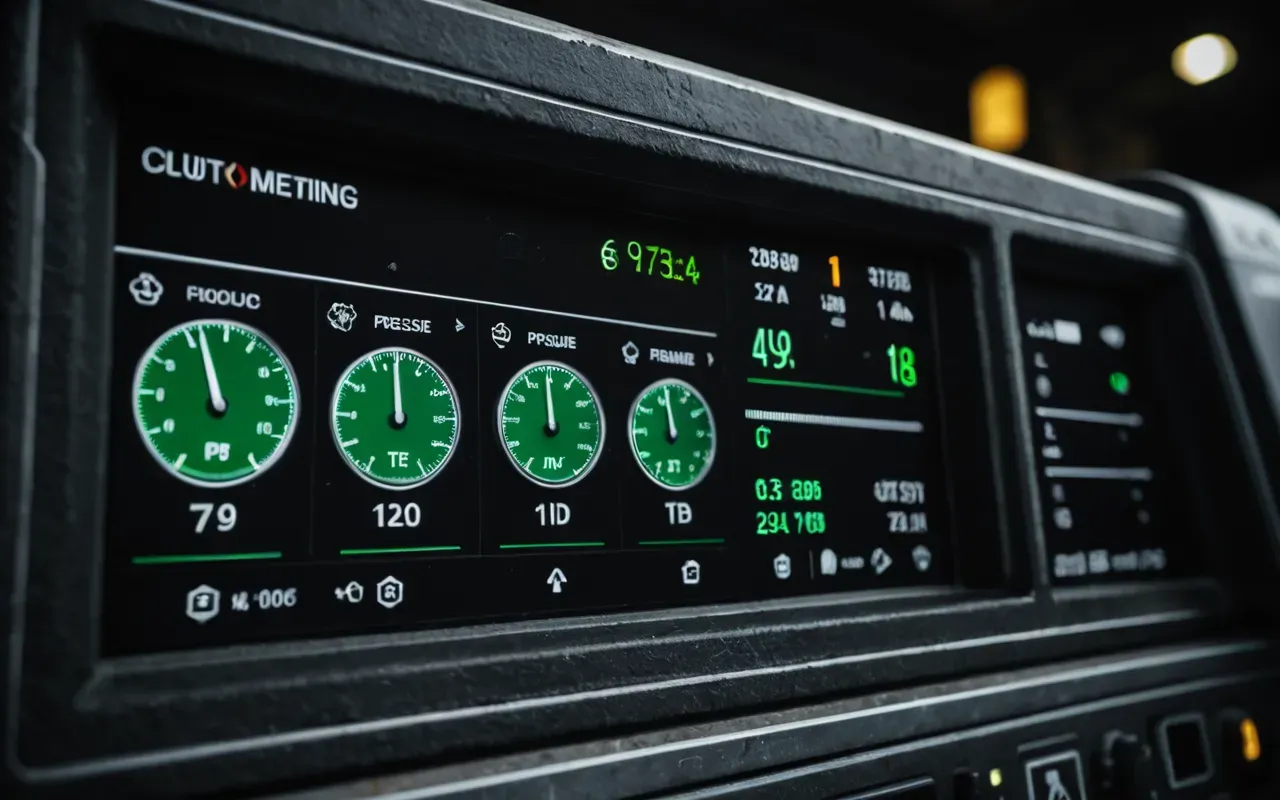
Every batch of concrete throws off thousands of data points. Temperature, pressure, ingredient weight, mixing time. Most plants let all of it go in one ear and out the other.
But the forward-thinking operators use it to fine-tune their mixes down to the gram. They catch quality drifts before they turn into failures. That's not efficiency. That's risk elimination.
One plant manager told me his error rate fell from two percent to zero point one after he implemented predictive maintenance algorithms. Not incremental improvement. Transformation.
The Hidden Cost of Ignoring This Shift
Let's be blunt. Sticking with manual processes stopped being the conservative choice a while ago — now it's just the expensive one. The labor costs alone make the old model unsustainable in any competitive market.
Consider this. A single skilled operator can run three automated mixers with the same precision that used to take two operators per unit. That's a thirty-three percent cut in labor overhead, basically overnight.
And that's before you count the material savings. AI systems spot waste patterns and adjust dosing to minimize excess. In a market where cement prices swing wildly, those savings compound fast.
Who Wins and Who Loses in This Transition
The clear winners are the plants that went digital early. They're scaling faster, bidding on bigger contracts, and enjoying margins their competitors can't touch.
The losers? The ones treating AI as a luxury instead of a necessity. They're losing bids every day because their pricing models can't account for the efficiency gains of automated rivals.
I've watched mid-sized plants get acquired by larger operators specifically for their data infrastructure. The technology itself is becoming the primary asset in concrete production.
What This Means for Your Concrete Business Strategy
So if you own a plant and you're reading this right now, take a hard look at your infrastructure. Are you actually collecting data, or just generating noise?
The industry is splitting into two camps. One group uses technology to predict and prevent problems. The other reacts to them after they've already cost millions.
You don't have to be a tech company to compete. But you do need to treat your plant as what it's becoming: a data center with concrete output.
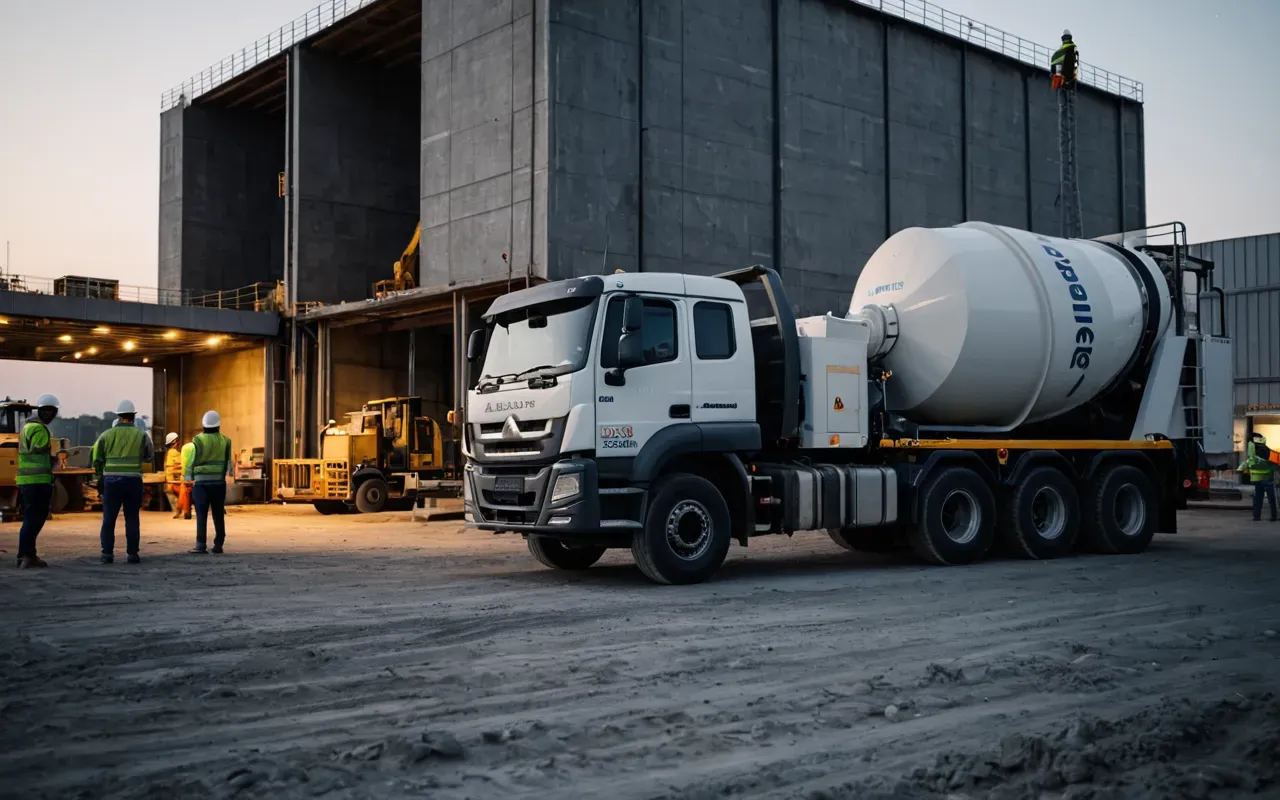
Practical Steps to Start Your Digital Transformation Today
Start with your data audit. What information are you capturing today? How much of it is actually usable for decision-making?
Next, identify your biggest pain points. Delivery delays? Mix inconsistency? Material waste? Target those specific problems with automation first.
Finally, invest in training your team. Technology is only as good as the people running it. Your operators need to understand why they're making each adjustment, not just that they're making it.
The Future Is Already Here and It's More Efficient Than You Think
I'll be honest. When I first started covering the concrete industry, I figured these changes would take a decade. Three years. That's all it took.
The plants that dominate the next decade won't necessarily be the largest or the oldest. They'll be the ones where every batch is optimized by algorithms before it ever leaves the mixer.
Ready-mix delivery isn't dead yet. But the way we think about it is changing at the root. The trucks are still there — the brains behind them have moved to the cloud.
The question for every plant owner is simple. Are you part of this transformation, or are you watching it happen to your competitors? Your answer decides whether your business thrives or fades over the next five years.
Comments ()