Why the cold was the secret weapon in this new Mongolian plant rollout
The Freezing Trap Most Manufacturers Ignore
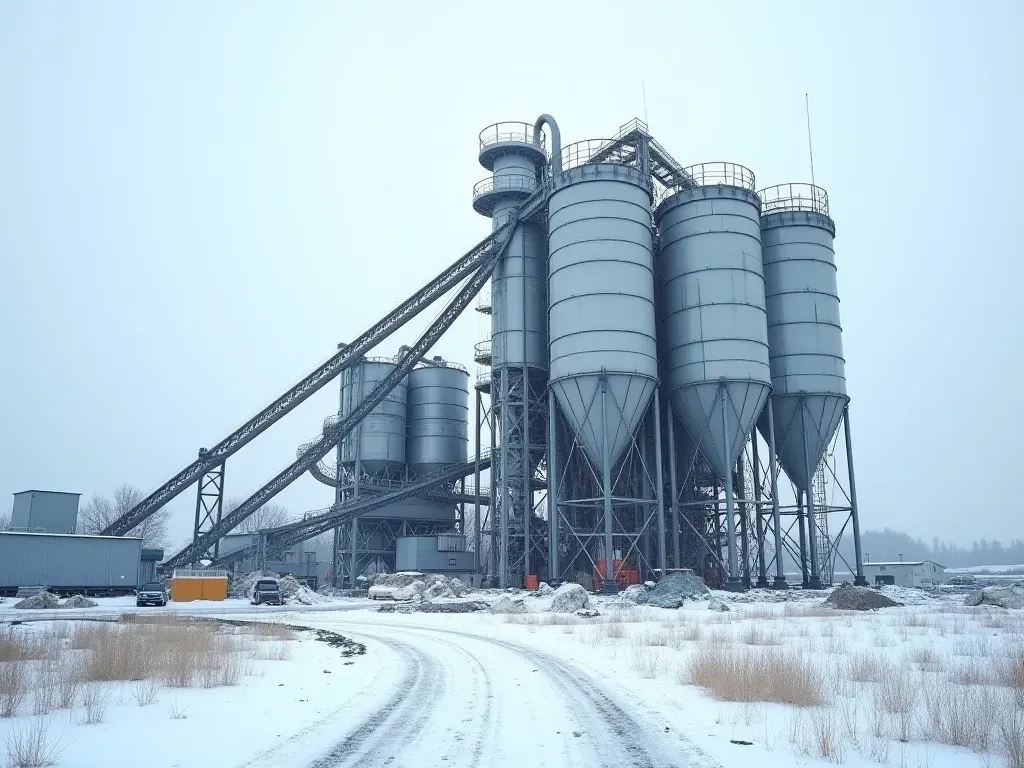
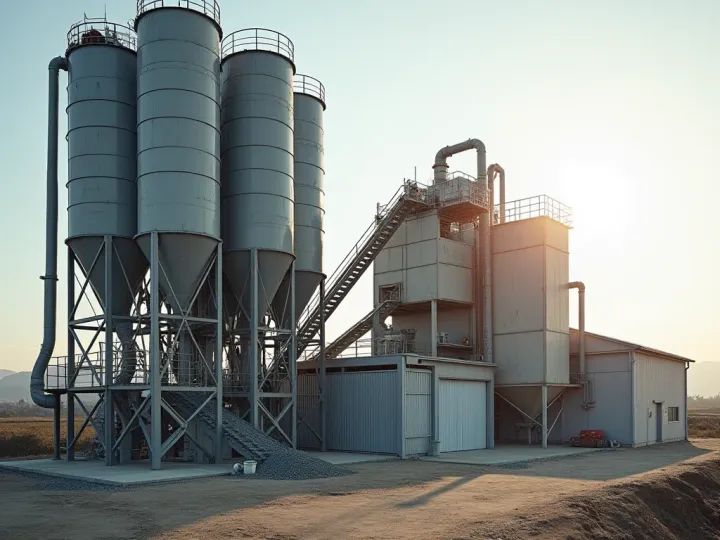
Most people assume cold weather kills concrete production. Wrong. It kills the wrong kind of plants. In Ulaanbaatar, temps drop well below freezing for months on end. A standard setup would seize up, crack, or churn out inconsistent mixes. This facility doesn't. It was built to thrive in the cold.
No magic involved. Just engineering. The plant runs on specialized electrical components that function reliably at extreme lows. Heavy-duty wear liners stop the material buildup that freezes and jams. And the sealing structure blocks moisture intrusion before it turns into ice. Minor tweaks? Not even close. This is the difference between a broken plant and a profitable one.
Why Planetary Mixing Wins in Harsh Conditions
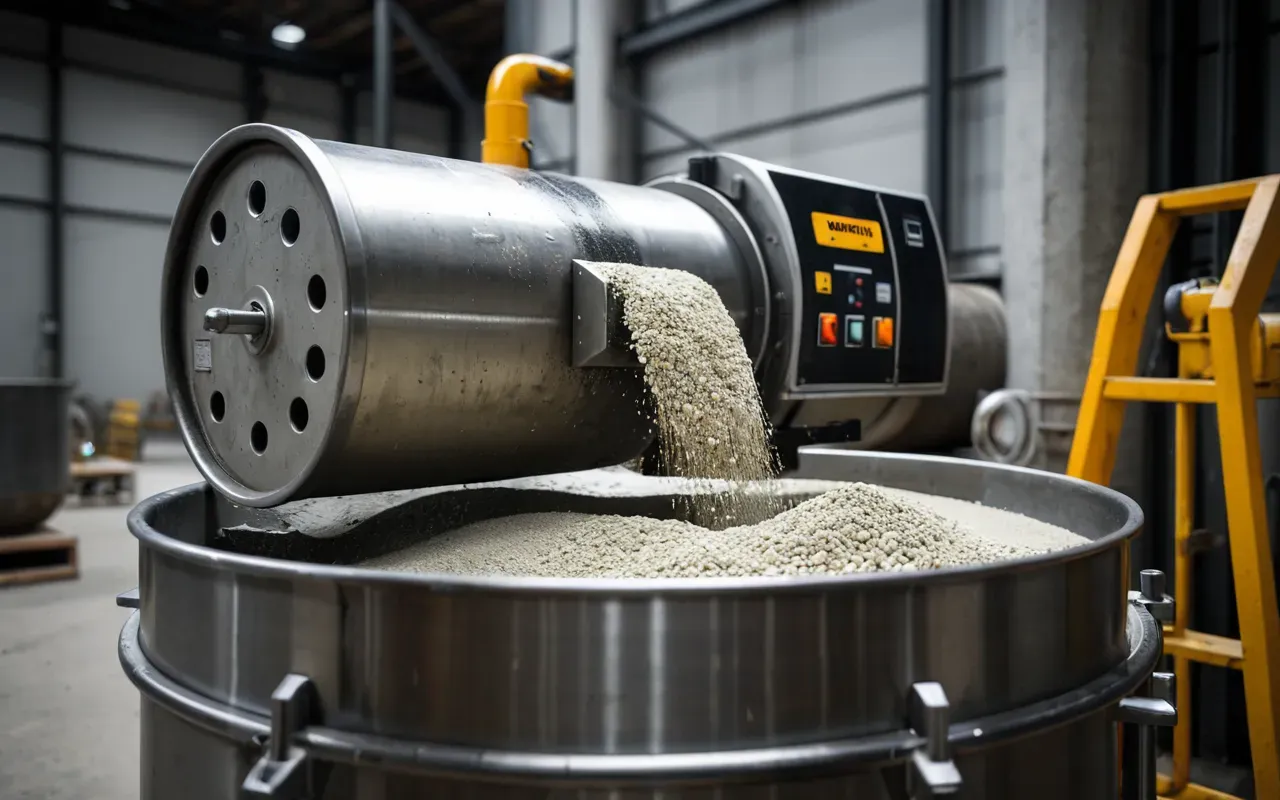
At the core sits the CMP vertical shaft planetary mixer. Three cubic meters per batch. Unlike twin-shaft mixers, it uses a compound planetary rotation track, which creates a dead-zone-free -degree mixing action. Every particle of cement, aggregate, and water gets touched. No pockets of dry powder. No clumps. Just consistent, high-strength concrete.
That matters for electric poles. Prestressed concrete poles need uniform density — if the mix segregates, the pole cracks under load. The planetary mixer prevents that by stabilizing the water-cement ratio. Compact and strong, inside and out. For infrastructure that has to last decades, this consistency isn't negotiable.
The Cold-Resistant Upgrade That Changes Everything
Here's the thing nobody talks about. Most batching plants fail in cold climates not because of the mixing, but because of the peripherals. Electrical panels freeze. Seals crack. Aggregate feeders block. So this plant was upgraded with cold-resistant electrical components rated for continuous operation in frigid conditions. They don't shut down. They don't degrade.
The belt conveyor feeding system got the same treatment. Smooth aggregate conveying, no blockage, and daily maintenance stays simple. Operators don't burn hours clearing frozen jams — they run the plant. That reliability is crucial for mass production. Downtime in cold weather is expensive, and this design eliminates the risk entirely.
Why This Matters for Global Infrastructure
Mongolia is just one example. The design works anywhere with harsh winters. Canada. Northern Europe. Siberia. Same principle every time: cold-resistant components plus precise mixing technology equals reliable production. Not a niche solution — a standard that should be applied to every precast facility in cold regions.
The implications are significant. Infrastructure projects in cold climates can now proceed without seasonal delays. Electric poles, concrete pipes, sleepers — all producible year-round. That accelerates grid expansion and construction timelines, and it cuts costs by eliminating winter shutdowns. The economic impact is substantial, and honestly, often overlooked.
The Backstory Most News Stories Skip
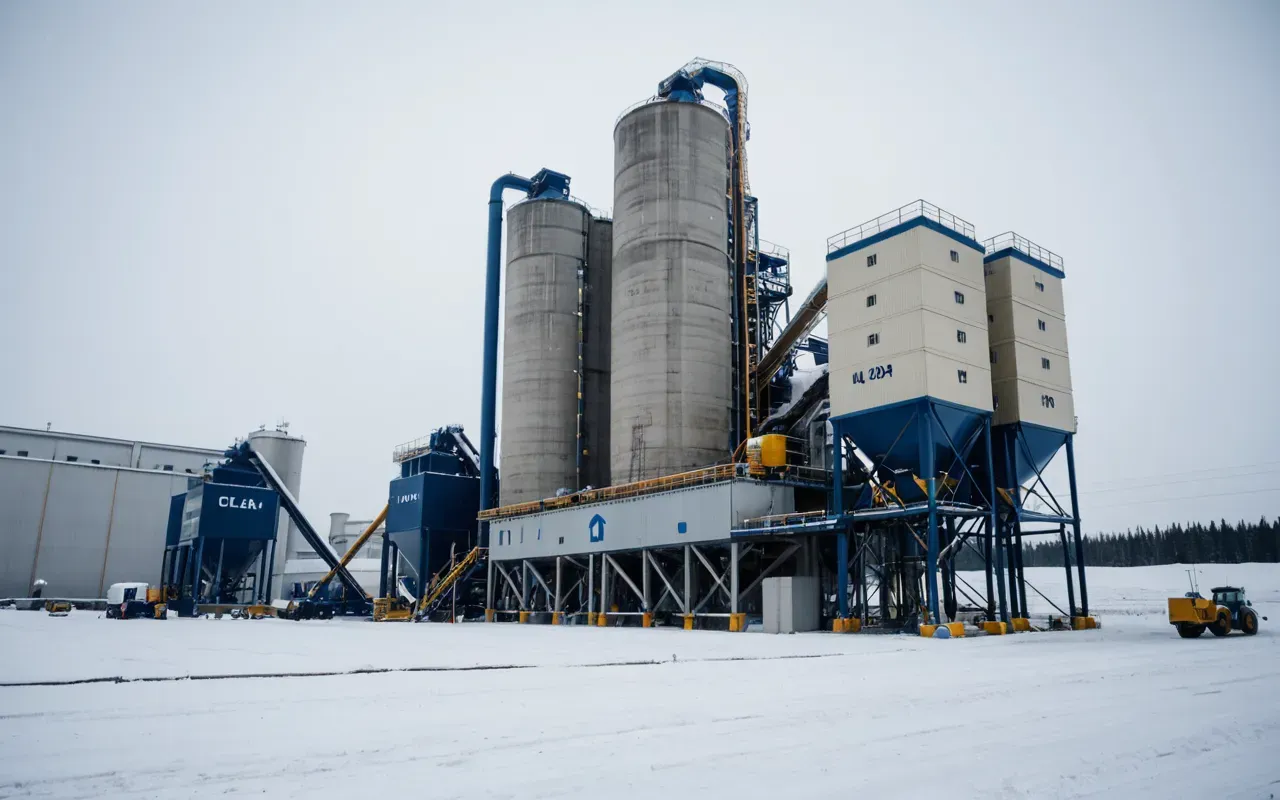
Delivery and commissioning wasn't just a hardware drop-off. It was a complete turnkey solution: on-site installation guidance, commissioning, and operator training, so the local team knows exactly how to run the system. Long-term spare parts support is part of the package too. That kind of comprehensive approach cuts the risk of operational failure.
The company behind this technology has been operating since . Over national technology patents. More than , mixers produced. This isn't a startup experimenting with new ideas — it's an established manufacturer with a proven track record, and their experience in harsh environments is deeply embedded in the design philosophy. That context matters for understanding the plant's reliability.
What This Means for Your Concrete Strategy
If you operate in a cold climate, this story is a wake-up call. Are your current plants truly cold-resistant? Or are you just hoping they hold up? The difference is profit and loss. Reliability and downtime. Audit your equipment. Check the electrical components. Inspect the seals. Test the mixers under low-temperature conditions.
The technology exists. It's proven. It's available. The question is whether you're using it. Plenty of manufacturers still rely on outdated designs that fail in the cold — and they're losing money they don't even realize. The solution isn't more concrete. It's better equipment. Smarter engineering. A shift in how we think about production in harsh environments.
The Bigger Picture of Cold-Climate Manufacturing
And this isn't just about one plant in Ulaanbaatar. It's a shift in how we approach manufacturing in extreme conditions, full stop. Producing high-quality precast elements year-round changes the economics of infrastructure projects. Faster deployment. Less reliance on imported materials. Stronger local supply chains. That's a strategic advantage you can't underestimate.
As global demand for infrastructure grows, so does the need for reliable production methods. Cold-climate regions aren't the exception — they're a significant part of the global map. Ignoring their specific challenges is a mistake. Embracing solutions like this one is the future. Struggling to survive versus thriving in the cold.
The Hidden Cost of Ignoring Cold-Weather Design
The most expensive cost is the one you don't see. Lost production time. Repair bills. Missed deadlines. Reputation damage. These add up fast, they erode profit margins, and they strain client relationships. The upfront cost of a cold-resistant plant is an investment. The cost of a plant that fails in the cold is a liability.
Consider the alternative. You buy a cheaper plant. Works fine in summer. Then winter hits. Electrical panels freeze. Belts jam. Mixers stall. You spend weeks fixing it, miss your delivery windows, lose your client — and that client goes to a competitor. The competitor has a cold-resistant plant. The competitor wins. Not hypothetical. It happens every year.
Why This Plant Is a Model for the Industry
This plant sets a new standard. High-performance mixing and cold-resistance aren't mutually exclusive — they're complementary. The planetary mixer ensures quality. The cold-resistant components ensure reliability. Together they deliver consistent, high-strength concrete in the harshest conditions. That's the benchmark other manufacturers should be aiming for.
Using this plant for electric pole production is significant in itself. Poles are critical infrastructure. They must be strong, durable, and produced reliably. This plant meets all three. It's a testament to the power of specialized engineering — and a reminder that the best solutions usually address the specific challenges of the environment.
The Future of Concrete in Extreme Environments
As climate change alters weather patterns, the need for resilient infrastructure grows. Cold-climate regions aren't becoming rarer. They're becoming more critical. The ability to produce concrete there is a strategic necessity. This plant is a step in the right direction — a proof of concept, a blueprint for the future of concrete production in extreme environments.
The technology is ready. The market is ready. The question is whether the industry will embrace it. Will manufacturers invest in cold-resistant design? Prioritize reliability over cost? Recognize that the best plant is the one that works in all conditions? The answer will define the next decade of concrete production. The future is cold. Are you ready?
Comments ()