The concrete plant that is quietly making ready-mix delivery obsolete
The $ Million Question Nobody Is Asking
Picture a pile of concrete the size of a football field. Now stack it feet high. That's the volume the U.S. Army Corps of Engineers plans to pour at Montgomery Locks and Dam. Four hundred thousand cubic yards of material. The number is staggering. Most people stop reading right there — they see the scale and move on. But I stopped. I wanted to know how they plan to get all that concrete to the site.
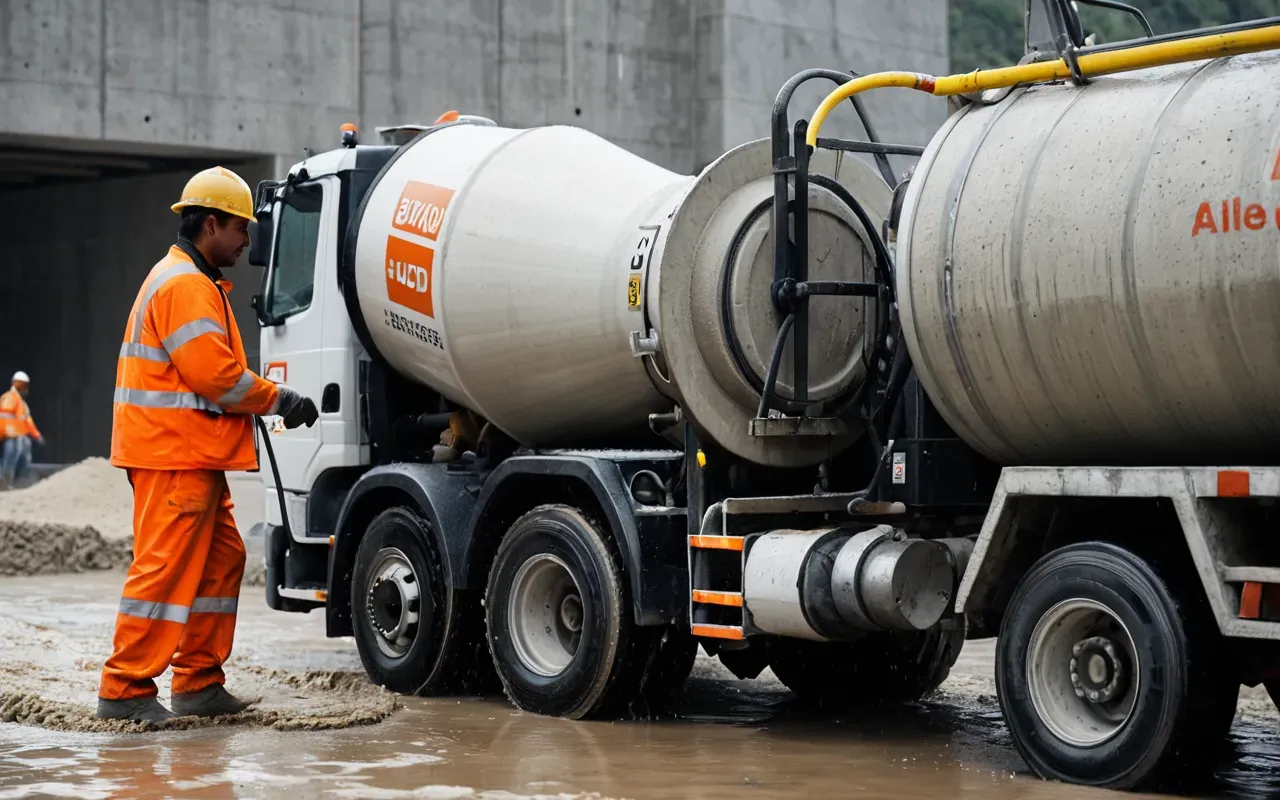
The standard approach is wet delivery. Trucks mix the concrete at a central plant, then drive it out. The clock starts ticking the moment the mix is born. You've got a narrow window to pour before the cement sets. Miss it, and the whole load is ruined — expensive waste. On a project this size, the logistics nightmare is obvious. The fleet of trucks needed is enormous. The coordination required is a logistical headache. And the cost is a black hole in the budget.
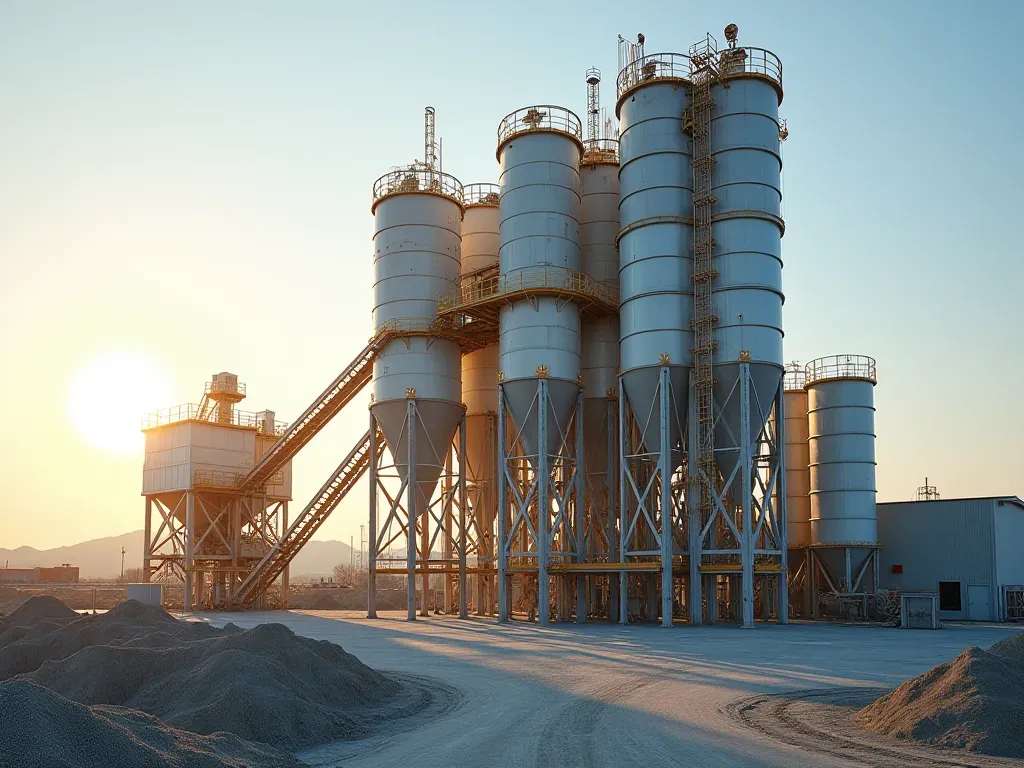
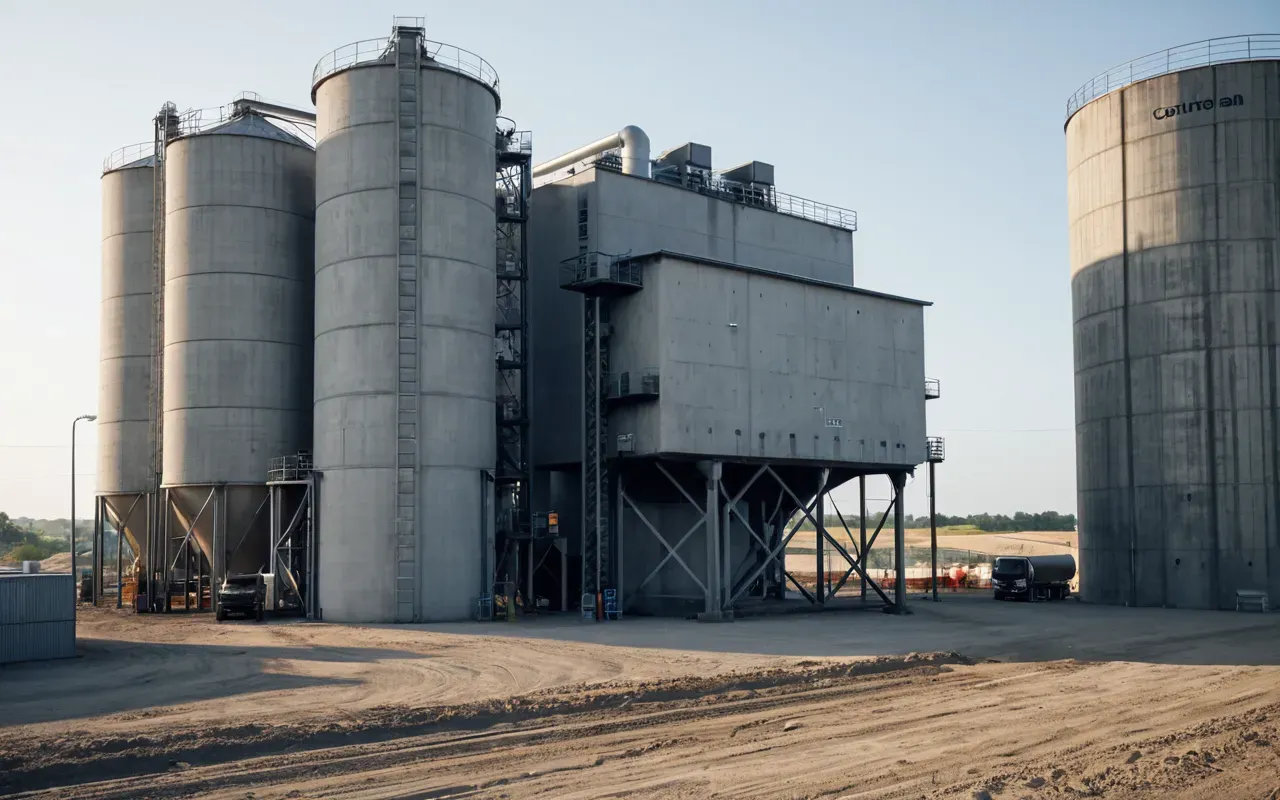
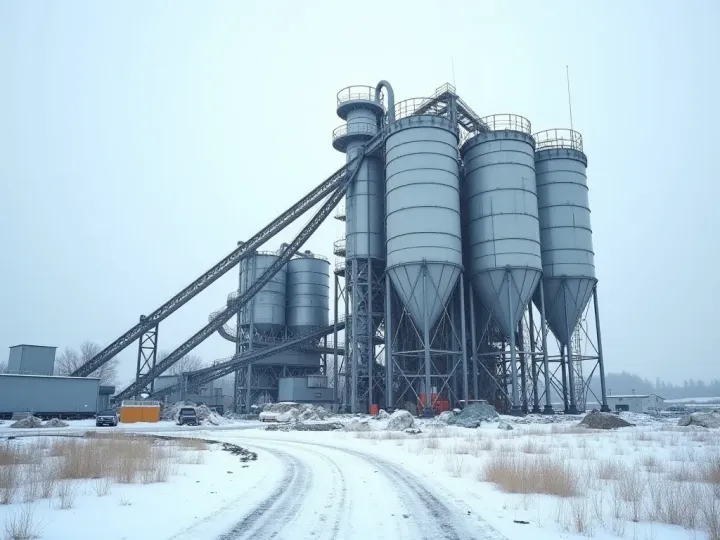
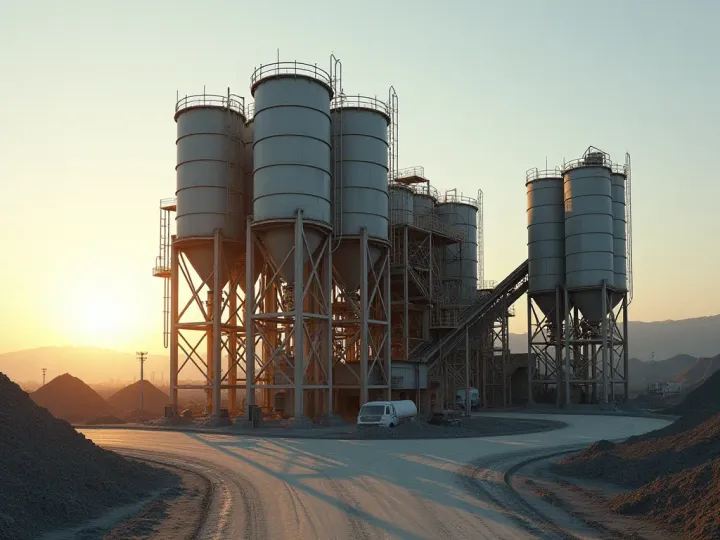
But the Army chose a different path. They're building a batch plant right on the site. A dry concrete batching plant. It doesn't mix the concrete — it mixes the dry ingredients. The water gets added later, at the point of use. Small change, massive implications. It decouples mixing from pouring. It gives engineers control over the timing. It shrinks the need for a huge fleet of mixing trucks. It changes the entire economics of the project.
This is not a small experiment. This is a multi-billion-dollar infrastructure project. The Montgomery Locks and Dam is part of the Upper Ohio Navigation Project. It is a critical piece of the national supply chain. If the Army can make this work, it proves the model. It shows that on-site dry batching is not just a niche solution. It is the future of large-scale construction. The implications for the global market are profound. We are seeing a shift away from centralized wet plants. We are moving toward distributed, on-site production.
Why Wet Delivery Is a Broken Model
Let's talk about the hidden costs of wet delivery. Most people see the price per cubic yard. They ignore the logistics. The trucks are expensive to buy. They are expensive to maintain. They require a constant stream of drivers. The fuel costs are a major line item. And then there is the risk. A truck breaks down, and the concrete is wasted. A delay occurs, and the mix sets. The cost of these failures is not in the price tag. It is in the margin. It erodes the profit of the construction company.
Consider the traffic. A fleet of mixing trucks creates congestion. It slows down the site. It creates safety hazards. The drivers are working long hours. The wear and tear on the vehicles is severe. The environmental impact is also significant. The idling trucks burn fuel. They emit carbon. They add to the noise pollution. The wet delivery model is a mess. It is inefficient. It is risky. And it is becoming more expensive every year. The supply chain is fragile. One disruption can halt the entire project.
The dry batching model solves these problems. It eliminates the need for mixing trucks. It reduces the number of vehicles on site. It lowers the fuel consumption. It reduces the carbon footprint. It gives the project manager more control. The concrete is mixed when needed. It is poured immediately. There is no risk of the mix setting in transit. The quality is consistent. The cost is predictable. The logistics are simpler. It is a cleaner, more efficient model. And it is gaining traction in the industry.
The Quality Control Advantage
One of the biggest advantages of on-site batching is quality control. In a wet delivery model, the mix is made at a central plant. It is driven to the site. The conditions change. The temperature changes. The humidity changes. The mix can degrade in transit. In an on-site model, the mix is made in the exact conditions where it will be poured. The variables are controlled. The quality is higher. The strength is more consistent. The durability is better. This is a critical factor for infrastructure projects. The concrete must last for decades. It must withstand the elements. It must bear heavy loads.
The Montgomery project includes an onsite laboratory. This lab samples and tests the concrete. It ensures that the mix meets the specifications. It can adjust the mix on the fly. It can respond to changing conditions. This level of control is not possible with wet delivery. The central plant cannot adjust to the specific conditions at the site. It cannot respond to the needs of the project. The on-site lab is a game-changer. It ensures that the concrete is perfect. It reduces the risk of failure. It protects the investment. It is a smart move by the Army.
The Global Implications of On-Site Batching
The Montgomery project is a proof of concept. It shows that dry batching works. It shows that it scales. It shows that it is cost-effective. This has implications for the entire industry. We are seeing a shift in how concrete is produced. We are moving away from centralized wet plants. We are moving toward distributed, on-site production. This is a fundamental change. It changes the supply chain. It changes the logistics. It changes the economics. It changes the way we build. And it is happening now.
Consider the developing world. In many regions, the infrastructure for wet delivery is not there. There are no mixing trucks. There are no central plants. There is no reliable supply chain. But there is a need for concrete. There is a need for infrastructure. The dry batching model provides a solution. It is portable. It is easy to set up. It requires less infrastructure. It is cost-effective. It is ideal for remote locations. It is ideal for developing countries. It is a tool for growth. It is a tool for development. And it is becoming more popular.
The environmental benefits are also significant. Dry batching reduces the carbon footprint. It reduces the need for trucks. It reduces the fuel consumption. It reduces the waste. It is a greener model. It is a sustainable model. It aligns with the goals of the industry. The industry is under pressure to reduce its impact. It is under pressure to be more efficient. The dry batching model helps it do that. It is a win-win. It is good for the business. It is good for the planet. And it is the future of construction.
The Technology Behind the Model
The technology behind dry batching is mature. It is reliable. It is efficient. The plants are designed to be portable. They can be moved from site to site. They can be set up quickly. They can be operated by a small team. The mix is precise. The quality is consistent. The process is automated. The data is tracked. The system is scalable. It can handle small projects. It can handle large projects. It is flexible. It is adaptable. And it is cost-effective. The technology is ready. It is proven. And it is being adopted by the industry.
Mix design is where dry batching succeeds or fails. That's the whole ballgame. The mix has to stay stable, and it has to be easy to transport, easy to store, easy to mix. Protect the cement from moisture. Keep the aggregates clean. Get the mix uniform and the quality consistent. Honestly, mix design is part science, part art — it demands expertise, experience, and real attention to detail. Get it wrong and the model fails. Get it right and the model succeeds.
What This Means for the Future of Construction
The future of construction is on-site. Distributed. Efficient. Sustainable. The Montgomery project is a sign of that future, and it shows the model works — that it's viable, that it's the way forward. The industry is changing. The supply chain is changing. The economics and the technology are changing too. And we're at the forefront of that change: building the plants, designing the mixes, providing the solutions, shaping the future of construction.
The implications are vast. We're watching a shift in the power dynamics — centralized wet plants losing their dominance, on-site plants gaining strength. Supply chains are getting more resilient. Logistics are getting simpler. Costs are coming down, quality is going up, and the environmental impact is shrinking. It's a holistic change, a systemic one. And it's happening now. The question isn't whether it will happen — it's how fast. The answer is fast.
For manufacturers, this is an opportunity. A chance to lead, to innovate, to grow. Demand for dry batching plants is increasing, the market is expanding, the technology is improving, and the model is proven. It's the future, and we're ready for it: building the plants, designing the mixes, providing the solutions, shaping the future of construction. The Montgomery project is a proof of concept — a demonstration, a signal, and a call to action.
The Human Element
Let's not forget the people. The construction workers, the engineers, the project managers — they're the ones who make it work, who solve the problems, who ensure the quality, who keep the project on track. The Montgomery project is a testament to their skill, their dedication, their expertise. And a testament to the power of the dry batching model. It gives them the tools they need, the control they need, the freedom they need.
Workers are the backbone of this industry. They pour the concrete, they build the structures, they create the infrastructure — and they're the ones who benefit from the new model. Dry batching gives them more control, more flexibility, more safety, more efficiency. It's a better way to work and a better way to build, and it's the future of construction. The Montgomery project is a reminder of that — a reminder of the power of the human element, and of the potential of the dry batching model.
The Bottom Line
The Montgomery project is a game-changer. It shows that dry batching works, that it scales, that it's cost-effective, that it's sustainable, that it's the future. The industry is changing. The supply chain is changing. The economics and the technology are changing too. And we're at the forefront of that change: building the plants, designing the mixes, providing the solutions, shaping the future of construction. The question isn't whether it will happen — it's how fast. The answer is fast.
The implications are vast. We're watching a shift in the power dynamics — centralized wet plants losing their dominance, on-site plants gaining strength. Supply chains are getting more resilient. Logistics are getting simpler. Costs are coming down, quality is going up, and the environmental impact is shrinking. It's a holistic change, a systemic one. And it's happening now. The Montgomery project is a proof of concept — a demonstration, a signal, and a call to action. The future is here. And it's on-site.
If you work in construction, pay attention. Understand the model. See the potential — see the future. The Montgomery project is a sign of that future: a demonstration of the power of the dry batching model, a testament to the skill of the workers, to the expertise of the engineers, and to the potential of the technology. The future is here, and it's on-site. The question isn't whether you'll be part of it. It's whether you're ready for it.
Comments ()