The concrete plant upgrade that is quietly making your current setup obsolete
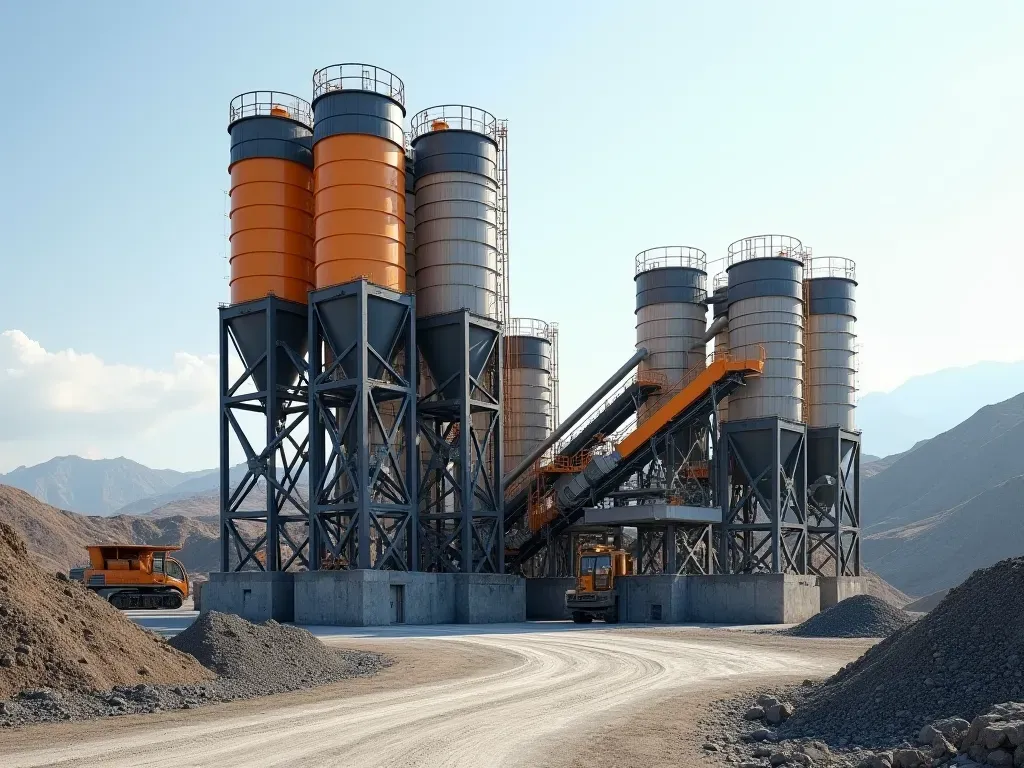
The $. Billion Material That Breaks Standard Plants
Look at the numbers. The global geopolymer concrete market is sitting at USD . billion right now. By , that figure triples to USD . billion. Sounds like a dream for any construction firm, right?
But here is the catch. Most plants are not built for this material. Standard Portland cement mixes behave differently than fly ash based blends. The chemistry changes everything about how you batch and mix.
I have seen operators lose thousands because their sensors were calibrated for wet cement. Geopolymers need precise alkaline activator control. If your plant cannot track that, you are bleeding money every single hour.
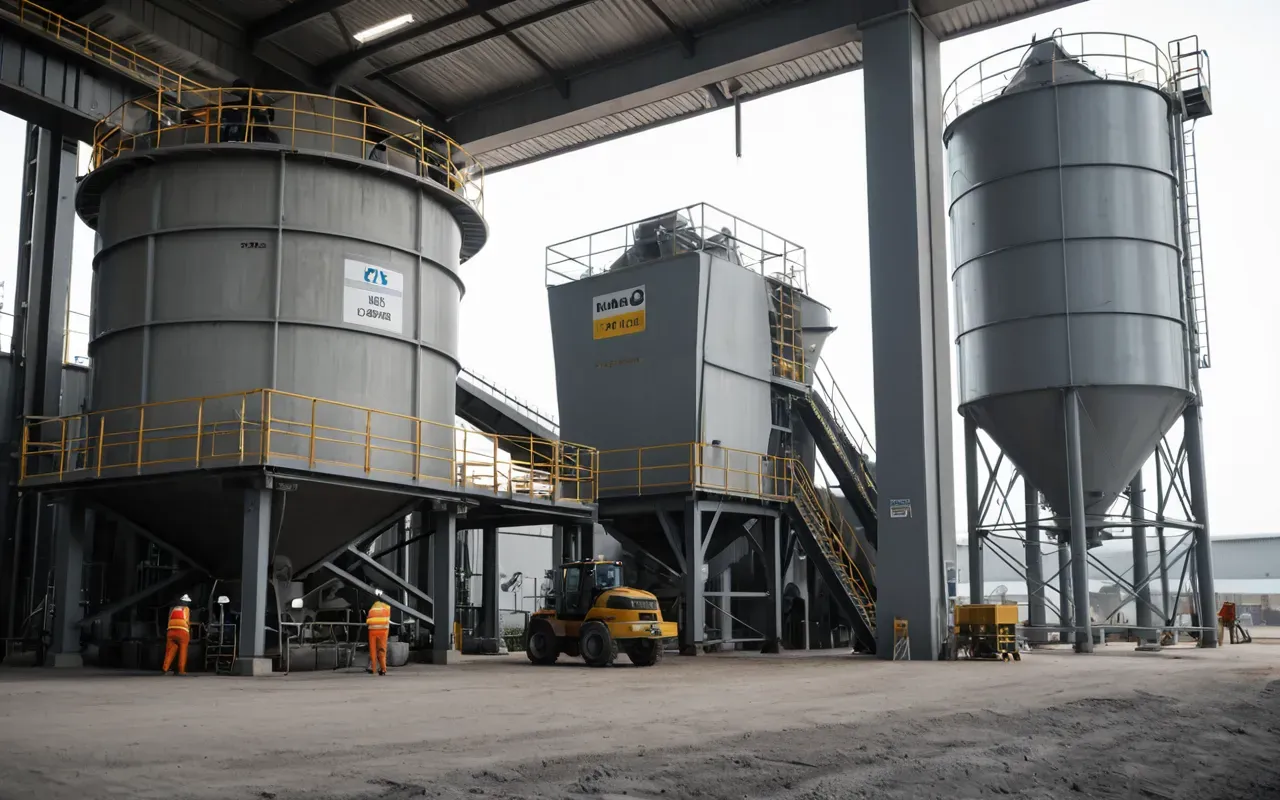
Why Fly Ash Dominates But Slag Is The Real Winner
Fly ash holds the largest share of the market in . It is cheap and abundant from coal power plants. But slag or GGBS is growing faster because it offers higher early strength.
This matters for your equipment. Slag requires different grinding and mixing times than fly ash. If you switch materials without adjusting your plant parameters, quality drops immediately.
Many operators ignore this. They treat all supplementary cementitious materials as the same. That is a dangerous assumption when you are producing high performance structural elements.
The Precast Boom That Traditional Ready Mix Cannot Match
Precast concrete is the fastest growing segment. Why? Because it happens in factories. Controlled environments allow better curing of geopolymer mixes compared to on site pouring.
Ready mix still holds a large share. But it faces challenges with setting time and workability on busy job sites. Weather changes can ruin a geopolymer batch if you are not careful.
If you rely solely on ready mix delivery, you have less control. Precast allows for modular components like blocks and pipes that deploy rapidly. This is where the real efficiency gains are.
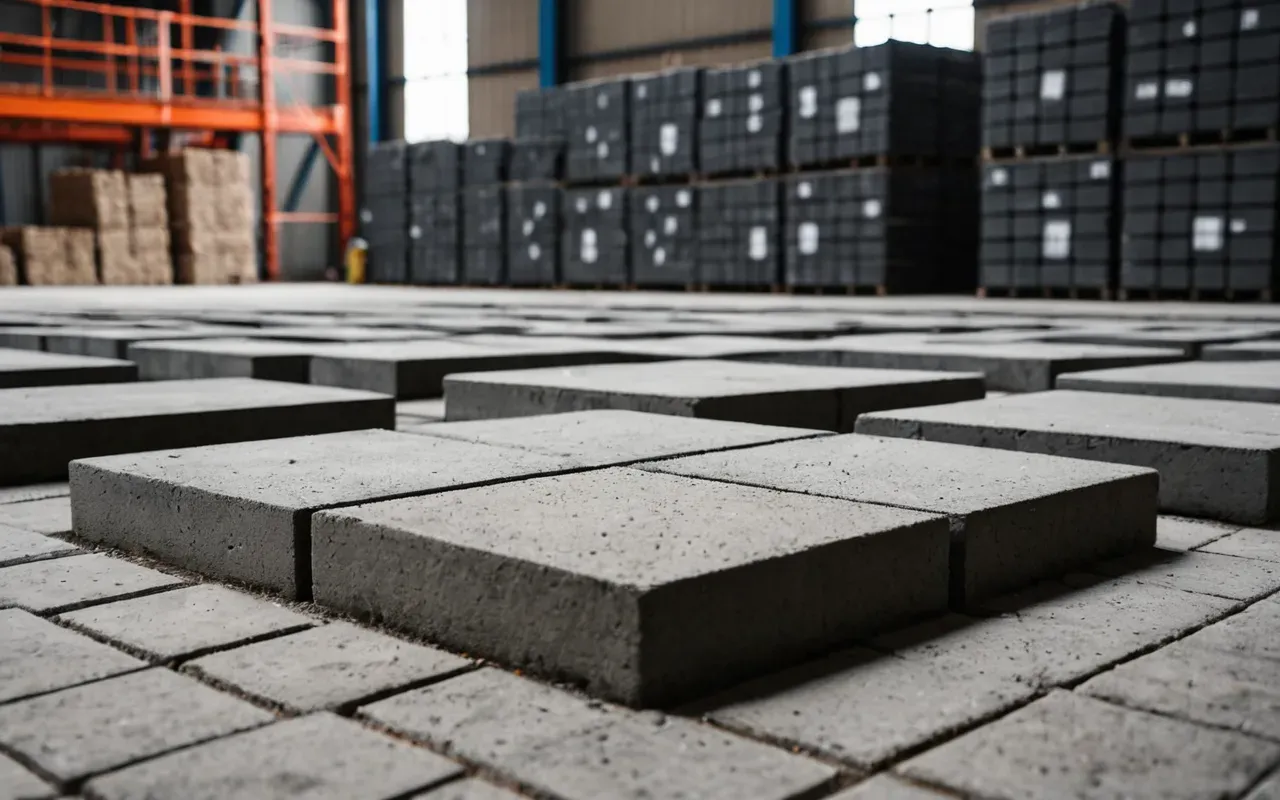
Who Wins And Who Loses In This Shift
Asia Pacific leads the market. China and India drive demand with massive urbanization projects. But North America is catching up fast due to strict environmental regulations.
Winners are those who adapt their plants for low carbon materials. Losers are stuck with outdated equipment that cannot handle the new chemistry or precision requirements.
Companies like Wagners and CEMEX are leading the charge. They have invested in R&D for geopolymer specific technologies. Small operators need to follow or fall behind.
The Hidden Cost Of Ignoring This Trend Now
Carbon taxes are rising. Environmental regulations are getting stricter every year. If your plant cannot produce low carbon materials, you will lose bids to competitors who can.
The initial cost of alkaline activators is high. But the long term savings on carbon credits and material efficiency make it worthwhile for serious players.
I have seen plants that refused to upgrade. They lost major infrastructure contracts because their concrete did not meet the new sustainability standards set by clients.
What This Means For Your Batching Plant Setup
You need to audit your current equipment. Are your hoppers sized for different raw materials? Can your dosing system handle precise liquid activator injection?
If the answer is no, you have a problem. The market is moving fast. Waiting until it is too late will cost you more than upgrading now.
Consider the hidden flaws in modern plants. Many have issues with sensor accuracy that only show up when mixing complex materials like geopolymers.
We recommend checking your dosing systems regularly. A small error in activator ratio can ruin an entire batch of high strength concrete.
Practical Steps To Prepare Your Plant Today
Start with a trial batch. Mix a small quantity of fly ash geopolymer and test its workability. See how your current equipment handles the different chemistry.
Document any issues. Note where the mix fails or where timing seems off. This data will guide your upgrade decisions and help you avoid costly mistakes.
Talk to manufacturers who specialize in dry concrete batching plants. Ask specifically about their experience with geopolymer mixes and what modifications they recommend.
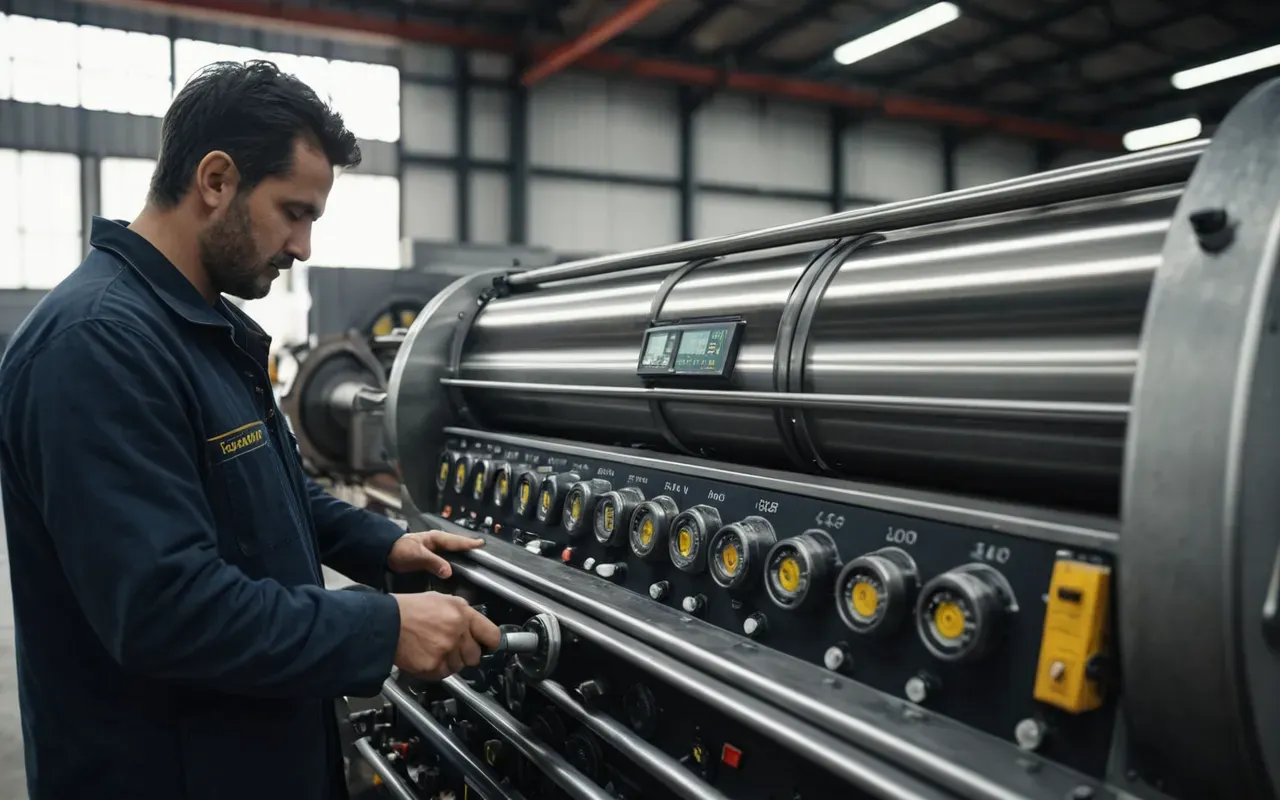
The Bigger Picture Of Sustainable Construction Infrastructure
Infrastructure remains the largest application segment. Roads bridges and tunnels need durable materials that last decades without constant repair.
Geopolymers excel in chemical resistance and heat tolerance. This makes them ideal for marine structures and industrial facilities where standard concrete fails quickly.
The circular economy is pushing this trend. Using industrial waste like fly ash and slag reduces landfill burden while creating valuable building materials.
Final Thoughts On Staying Competitive In The Green Building Era
The shift to geopolymer concrete is not a fad. It is a fundamental change driven by climate goals and economic incentives. Ignoring it means losing relevance in the market.
My advice is simple. Adapt your plant now before the competition forces you to rush an expensive upgrade later.
The companies that win this decade will be those who treat sustainability as a core operational capability rather than an afterthought.
If you are curious about how other operators have navigated this transition, check out our guide on Why the Green Cement Boom Is Actually a Trap for Traditional Batching Plants.
You can also explore The Green Cement Boom Is Silently Killing Your Current Batching Plant Setup for more specific technical insights.
And if you want to understand the broader supply chain implications, read The Empty Search Results Page That Is Quietly Exposing A Massive Gap In The Global Concrete Supply Chain.
Comments ()