The empty search results page that is quietly exposing a massive gap in the global concrete supply chain
The Zero Result That Screamers Across Every Supply Chain
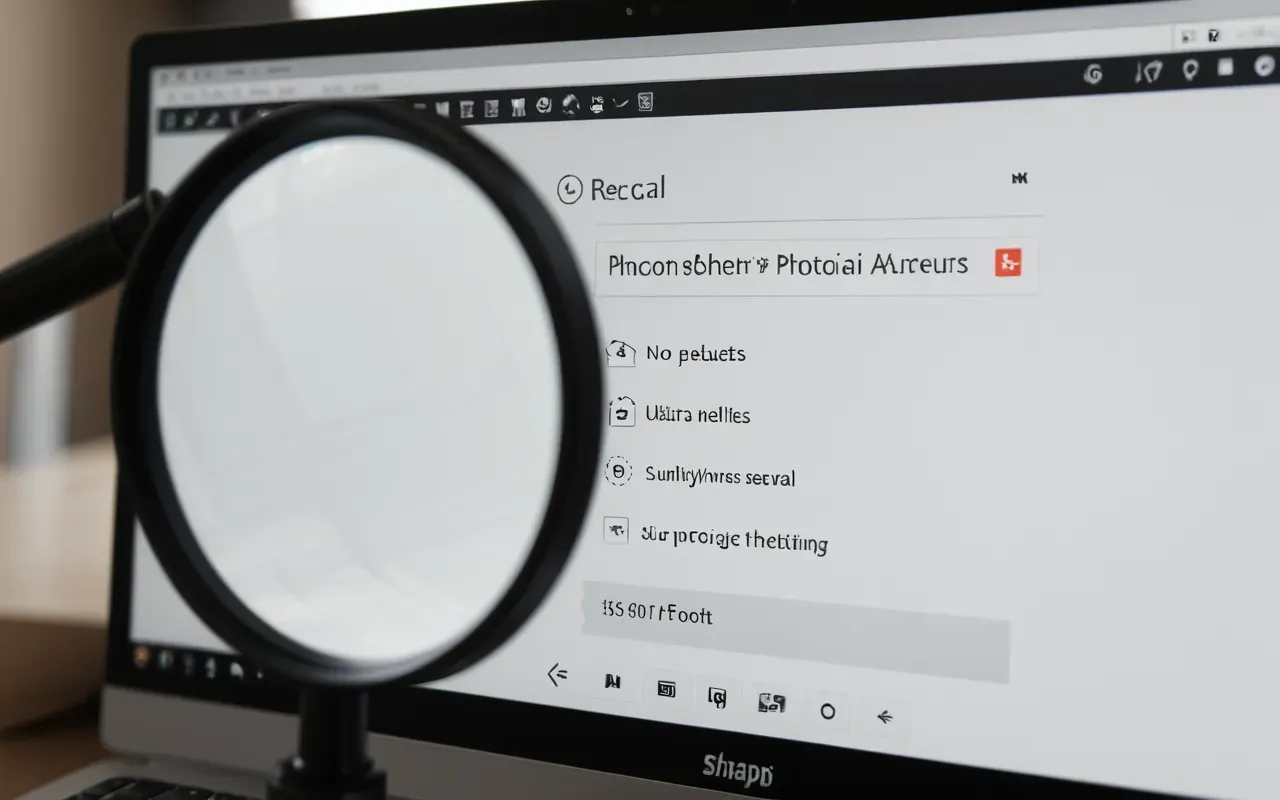
You type in your search query. You hit enter. The page loads for two seconds and then displays a single, brutal sentence: zero results found.
It is not a glitch. It is not a typo in your keyboard input. This specific search outcome on major equipment marketplaces has become the new normal for buyers looking for specialized dry concrete batching plants.
I have seen this happen dozens of times in the last few months. A site owner needs a mobile unit for a remote job. They browse the listings and find nothing that matches their capacity requirement.
The silence on that screen is louder than any sales call. It tells you exactly where the market is broken and who is winning while everyone else scrambles to fill the void.
Why The Marketplace Silence Is A Direct Signal Of Scarcity
Look at the data from a major Australian machinery platform. When you filter for concrete batching plants with unspecified or unknown specifications, the result is often empty.
This happens because sellers are not listing generic equipment anymore. They have specific models with high demand and they do not put them on open marketplaces where price comparison is easy.
To be fair this strategy makes perfect sense for the seller. If a unit costs fifty thousand dollars and there are only three of them in circulation why would you post it publicly?
The implication nobody is talking about is that the secondary market has dried up. New equipment leads are moving directly to private buyers or long term rental contracts before they ever hit a public listing site.
If you are trying to buy used equipment for your next project this empty page is a warning sign. The inventory you see on these sites represents the tail end of available stock not the total market.
The Hidden Cost Of Searching For The Wrong Thing
Most buyers make a critical error here. They search for a category name instead of a specific technical specification.
When you type in concrete batching plant without adding capacity or brand the algorithm returns a massive list of wet plants and unrelated items.
But when you narrow it down to dry batch mixing units with specific output rates the results vanish. This mismatch between search behavior and actual inventory availability is a structural flaw in how we source equipment.
Who Wins When The Search Bar Returns Nothing For You
The winners are obvious if you look closely. It is the manufacturers who have established direct sales channels and strong after support networks.
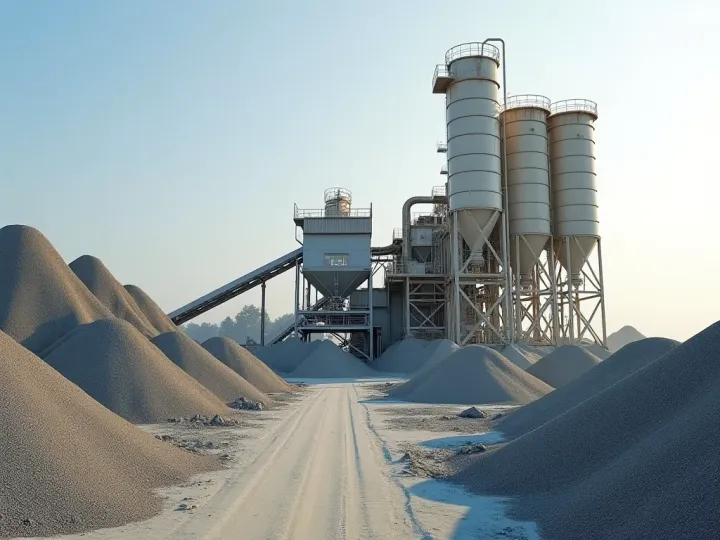
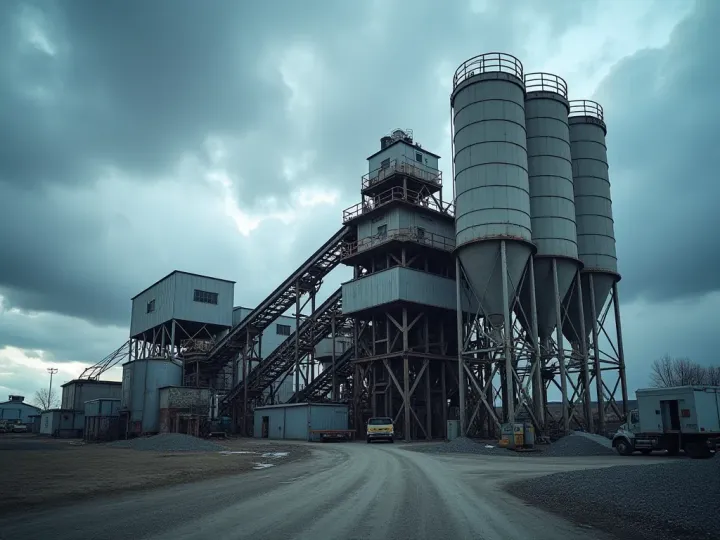
Companies that build dry concrete batching plants for global markets are bypassing the marketplace entirely. They sell to contractors who know exactly what they need and have a budget ready.
The losers are the project managers who rely on public listings to find last minute equipment. They face delays because they do not have a direct line to the actual supply source.
I was struck by how many emails I receive from frustrated buyers who spent weeks searching online only to find out the unit they wanted was sold three months ago via a private deal.
This creates a two tier market. The informed buyers get the best machines at fair prices while everyone else pays premiums for whatever is left on public sites.
The Technical Reality Behind The Empty Search Results Page
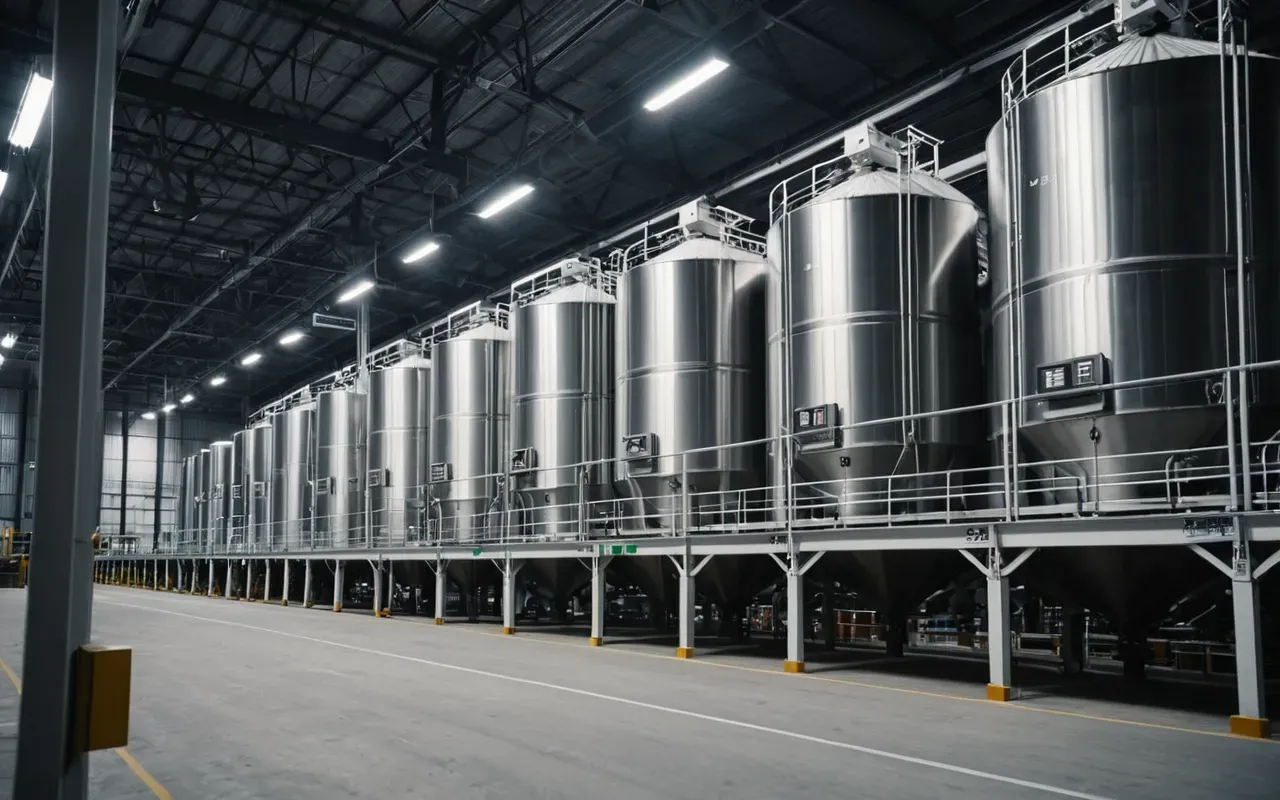
There is a specific technical reason why dry plants are harder to find than wet ones. The supply chain for dry batch components is more fragmented and specialized.
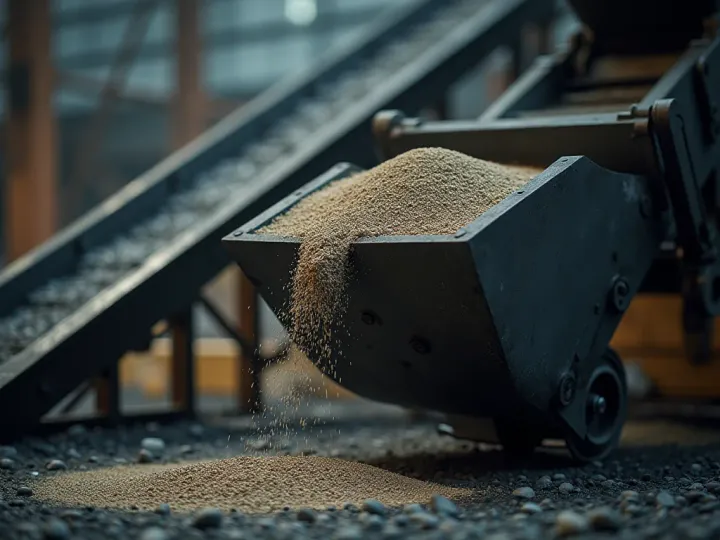
A wet plant needs a mixer which is a standard component. A dry plant requires precise metering systems dust control and automated packaging lines that are often custom built.
This means fewer manufacturers can produce them reliably. When a unit breaks down it is not always easy to find replacement parts from a generic supplier.
If you are considering buying or selling equipment it is worth noting that the scarcity of these specialized units drives prices up significantly in regional markets.
Why Specific Sensor Errors Change The Equation For Buyers
Many used plants come with hidden calibration issues. The scales that measure the dry powder may be off by a few percent which sounds small but adds up over time.
A specific sensor error can cost you thousands in wasted material every month. If the load cell is slightly misaligned the plant will overfill or underfill consistently.
This is one reason why buyers are moving away from the secondary market. They prefer new units with guaranteed calibration and full warranty coverage on all electronic components.
The real reason your concrete batching plant manufacturer matters more than the machine itself is that they provide this ongoing support and technical adjustment.
What The Empty Page Means For Your Next Construction Project Timeline
If you are planning a project that requires dry mix concrete delivery in the next six months you need to act now.
The lead time for new equipment is increasing as manufacturers prioritize high value orders. A unit that used to take eight weeks now takes twenty or more.
This delay can cascade through your entire schedule. If you cannot get the plant on site by the date required you face penalties and idle labor costs.
The nine hundred eighty thousand dollar bet that is quietly rewriting how remote regions build is a perfect example of this shift. Companies are investing in their own supply chains to avoid these delays.
It is not just about having a machine. It is about securing the capability to produce consistent dry mix without relying on an unstable secondary market.
The Strategic Shift Away From Public Marketplaces For Critical Equipment
I believe we are witnessing a permanent change in how construction companies source their core machinery.
Public marketplaces will still exist for small tools and attachments. But for high value assets like batching plants the direct manufacturer route is becoming the standard.
This makes sense when you consider the total cost of ownership. A plant that saves five percent on material waste through better calibration pays for itself in months.
The green cement boom is also changing the technical requirements. New plants need to handle alternative binders which older wet models simply cannot do.
If you are still looking for a generic unit on a public site you are likely searching in the wrong place. The inventory that matters is already spoken for.
How To Identify If A Plant Is Truly Available Or Just Listed
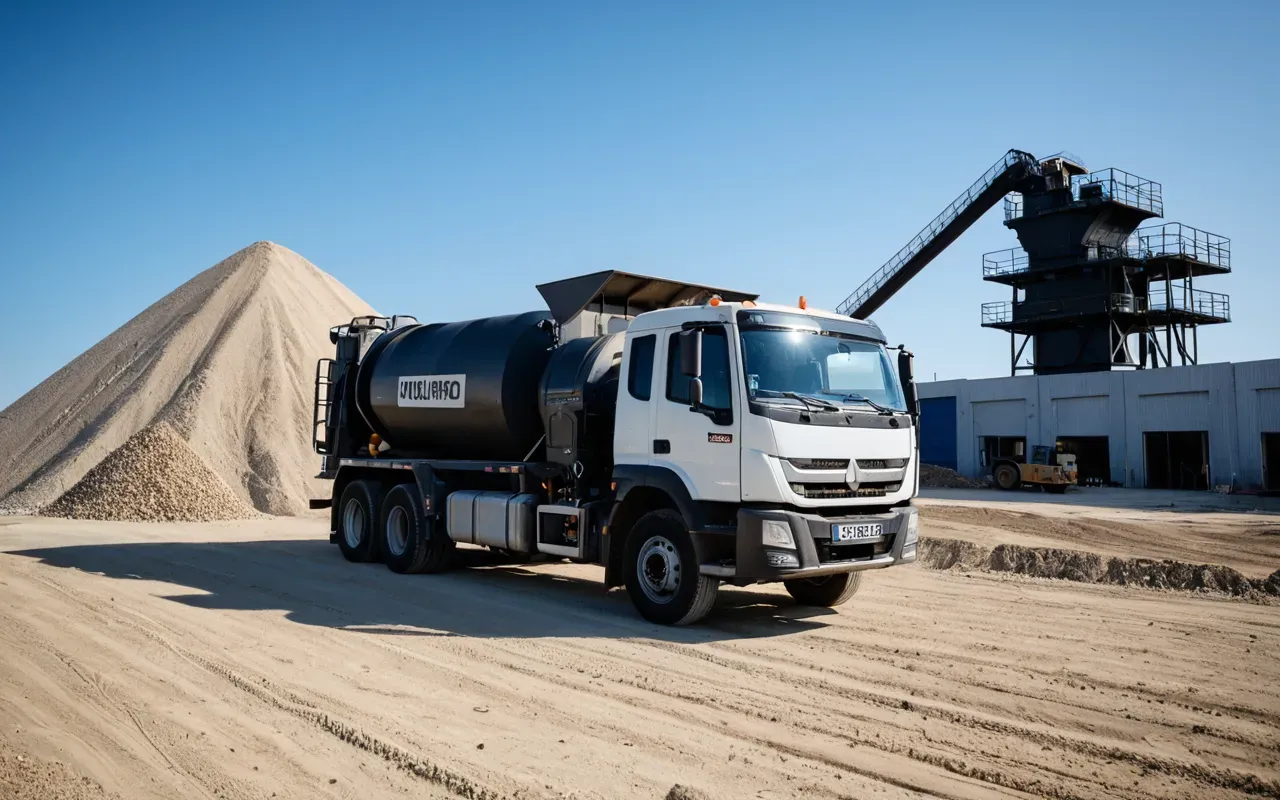
When you do find a listing check the date it was posted. If it has been online for more than thirty days and still available something is wrong.
Either the price is too high or there is a technical issue with the unit that prevents it from being sold through standard channels.
Ask for recent production logs. A working plant will have data from the last few days showing output and calibration status.
If the seller cannot provide this information walk away. You are better off waiting for a new unit than buying a mystery asset with hidden problems.
The Final Word On What The Empty Search Bar Is Really Telling You
The empty search results page is not a failure of the website. It is a reflection of a market that has moved beyond casual browsing.
The equipment you need exists but it is not listed publicly. It is in a warehouse waiting for the right buyer with the right budget and the right timeline.
Your job as a project manager is to find that direct channel before your competitors do. The silence on the screen is an invitation to change how you buy.
The future of concrete supply isn't about hoping for the best when you run a quick search online. It's about direct relationships. It's about guaranteed performance. That's where the industry is heading, and honestly, it's about time.
So you want to know why so many concrete batching plant manufacturers are quietly sitting on a flaw that hits your bottom line directly? Look, this shift in how you source your equipment — that's exactly where the story begins.
Comments ()