The interior finishing industry is quietly abandoning dry powder and here is why it will completely rewrite your project timelines
The Quiet Shift on Every Construction Site
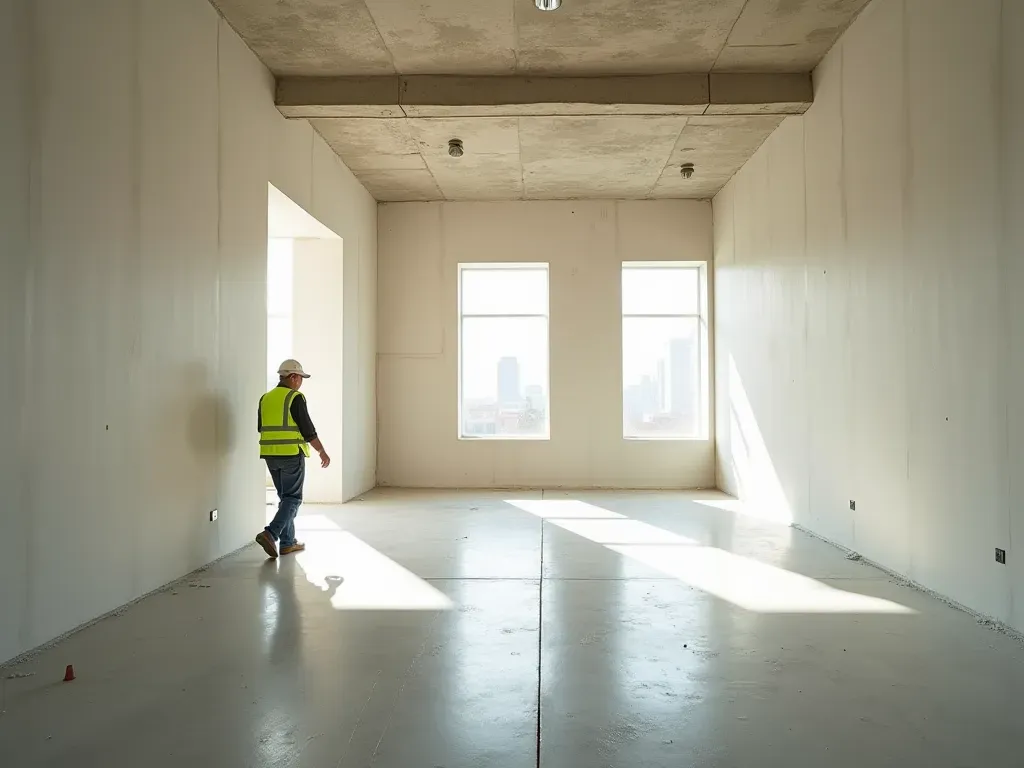
Walk onto any major commercial build today and you'll notice something odd. The dusty bags of cement powder that once piled up on supply trailers are disappearing. Contractors are pulling sealed pails off pallets instead. The stuff inside looks exactly like what they used before. But the whole workflow has flipped. Honestly, I've watched this change happen across three continents over the past eighteen months, and it's striking how fast it moved.
Most project managers figure this is just a packaging tweak. They're wrong. This is a full-scale restructuring of how interior surfaces get prepped and finished. The trade is finally treating wall leveling with the same engineering seriousness that structural concrete got decades ago. Site mixing introduced way too many variables. Factory calibration beats human judgment every single time.
I remember standing on a high-rise project early last spring. The finishing crew was fighting inconsistent batches all week. One pail dried too fast. Another cracked along the seams. The foreman blamed the humidity. The supplier blamed the mixing paddle. Nobody blamed the process. But the process was the real culprit. Water ratios estimated by feel sent a ripple effect through the entire finish schedule, and it wrecked everything.
The numbers back up what experienced superintendents already know. Over fifty-five percent of drywall finishing projects globally now use factory-blended compounds. That figure climbs even higher in places with strict building codes and tight delivery windows. Architects are putting ready-mixed systems straight into their contract documents. General contractors are budgeting around predictable drying times instead of betting on the weather.
This shift doesn't just happen randomly. It follows the same pattern we've seen in every heavy industry. When quality demands tighten and labor gets expensive, manual processes collapse under their own inefficiency. The finishing sector is just catching up to the rest of the building trade. And the implications go way beyond how walls look.
Why Site Mixing Is Finally Failing
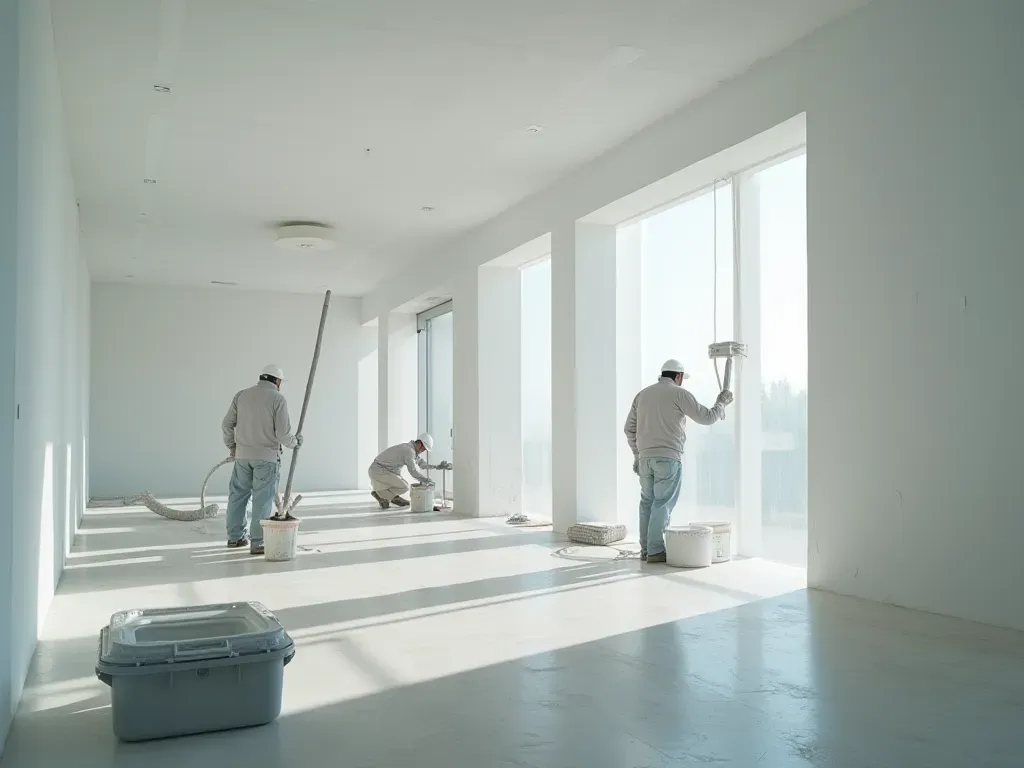
Quality control ends the moment a dry bag leaves the factory. That one fact breaks the whole supply chain. Once workers crack open the packaging, performance depends on ambient temperature, water purity, mixing speed, and operator experience. None of those stay constant across a twelve-hour shift. Batch-to-batch drift becomes unavoidable. And the finished wall takes the hit.
Technical guidance from finishing councils shows drying times can quadruple when humidity spikes above ninety percent. Cold compounds cure even slower. Hand-drill mixing traps air pockets that weaken adhesion. Inconsistent water ratios change shrinkage rates across adjacent panels. Under critical architectural lighting, those tiny differences turn into glaring flaws. Patching becomes a recurring budget line item.
I've gone through warranty claims from multiple commercial developers. Joint reappearance accounts for nearly forty percent of post-occupancy callbacks. Fastener heads telegraphing through paint finishes sits right behind it. Both trace back to uncontrolled mixing conditions. The material itself performed exactly as engineered. The application process broke the performance chain.
Labor economics make the technical problem worse. Skilled applicators are retiring faster than new workers enter the trade. Training takes months. Consistency takes years. Factory-blended compounds wipe out the learning curve entirely. The product arrives calibrated. Workers open a container and apply. The margin for human error shrinks dramatically. Project timelines stabilize practically overnight.
Safety regulations are pushing the transition too. European testing frameworks measure inhalable and respirable dust fractions strictly. Opening dry cement bags on active job sites releases measurable particulate matter. Mechanical mixing amplifies that exposure. Ready-mixed acrylic systems shift the hazard back to controlled manufacturing environments. Site air quality improves without giving up any performance.
The Concrete Batching Parallel Nobody Saw Coming
Construction veterans recognize this pattern immediately. Ready-mix concrete replaced on-site bag mixing through identical market forces. Early twentieth century crews measured aggregates by shovel. Water ratios varied wildly. Structural failures were common enough to force engineering reforms. The industry eventually centralized mixing operations. Quality became predictable. Costs dropped.
The global ready-mix concrete market now exceeds eight hundred billion dollars. That growth didn't come from changing the chemistry. It came from controlling the environment. Factories hold precise temperature ranges. Automated scales verify ingredient ratios. Transport mixers keep viscosity stable. Every pour matches the previous one. Interior finishing is finally adopting the same model.
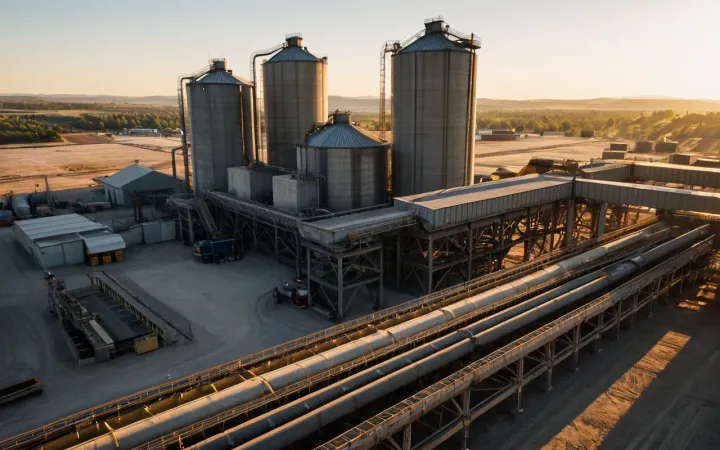
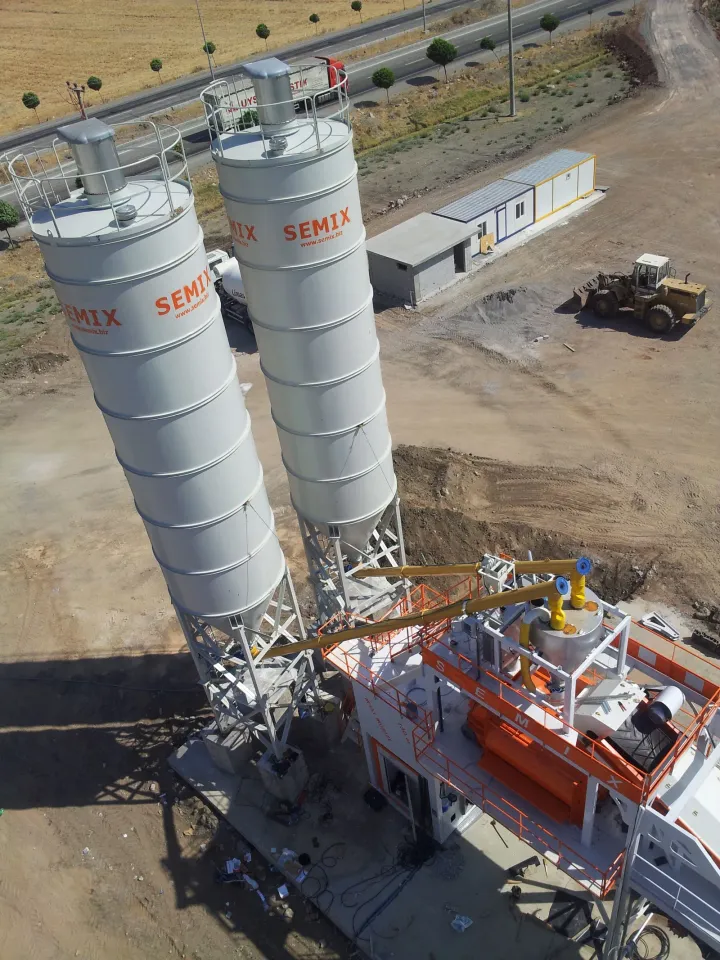
If you look at how modern batch plants operate, the blueprint is obvious. Raw materials enter controlled silos. Computer systems track moisture content. Weighing hoppers eliminate human measurement error. The final product leaves the facility with certified consistency. Dry powder finishing skipped that step for decades. The industry is correcting that oversight now.
Manufacturers who built their entire business around loose powders feel the squeeze. Distribution margins shrink as bulk handling disappears. Warehouses that once stored mountainous piles of cement sacks are converting to climate-controlled container storage. The logistics chain simplifies dramatically. Fewer handling steps mean fewer broken pallets and less material waste.
The shift mirrors broader industrialization trends across manufacturing sectors. Just-in-time delivery replaced massive on-site inventory. Standardized components replaced custom fabrication. Predictable outputs replaced variable craftsmanship. Construction has resisted this reality longer than most industries. The finishing trade is finally catching up to twentieth century engineering standards.
I've tracked this transition closely through procurement reports and contractor interviews. The pattern holds across different climates and regulatory environments. Markets with strict indoor air quality mandates adopt ready-mixed systems fastest. Projects targeting sustainability certifications follow closely behind. The technical advantages create their own market momentum.
Who Actually Wins When the Pail Replaces the Bag
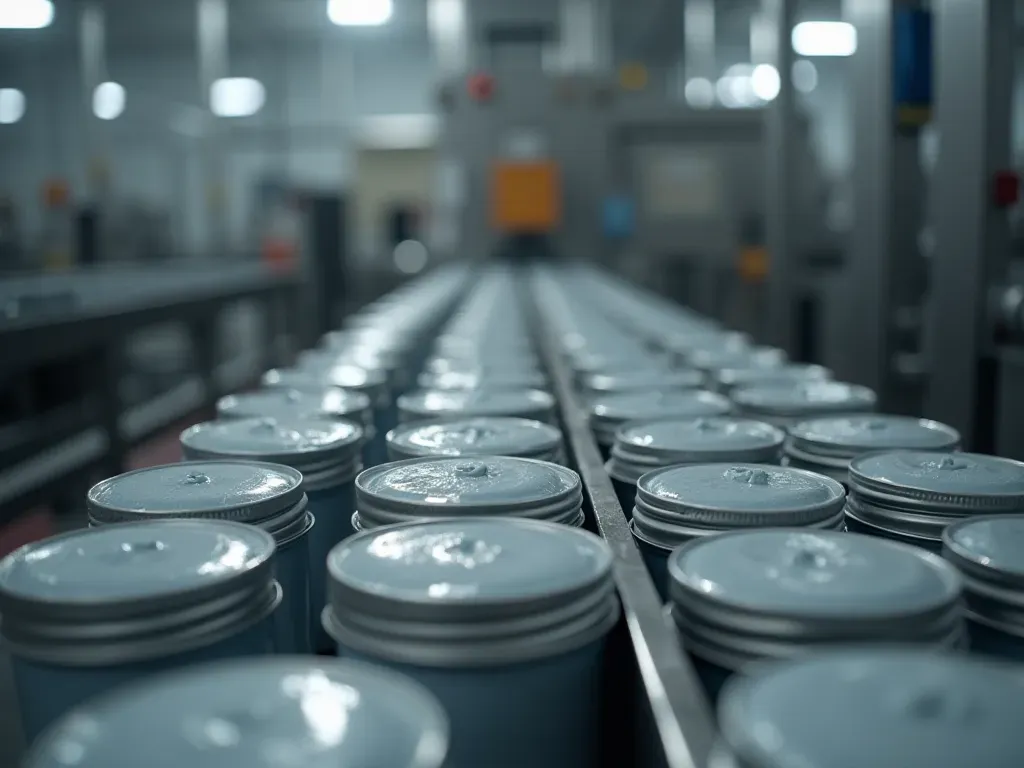
General contractors gain schedule certainty. Drying times become fixed variables instead of weather-dependent guesses. Paint crews can book their start dates weeks in advance. Subcontractor coordination improves dramatically. The domino effect of delayed finishing phases stops mid-chain. Project handover dates align with contract milestones instead of optimistic projections.
Architects secure design intent. Specified textures match actual installed surfaces. Lighting studies account for uniform porosity instead of patchy absorption. Material samples taken during design phases accurately represent final delivery. Change orders drop significantly. The gap between rendered visuals and occupied spaces narrows considerably.
Property owners experience fewer maintenance headaches. Balanced vapor permeability reduces moisture trapping behind wall surfaces. Controlled flexibility minimizes hairline cracking around structural joints. Repainting cycles extend naturally. Lifecycle costs drop despite slightly higher initial material pricing. The math favors long-term occupancy comfort.
Applicators benefit from reduced physical strain. Heavy bag lifting disappears from daily routines. Mechanical mixing stations vanish from cramped stairwells. Workers carry lighter containers. Application speeds increase due to optimized viscosity. Fatigue-related mistakes decline. Retention rates improve across subcontracting networks. The trade becomes more attractive to new entrants.
Environmental compliance teams see measurable improvements. Water-based formulations eliminate solvent emissions. Low volatile organic compound profiles align with modern ventilation standards. Indoor air quality monitoring systems register cleaner baselines. Certification pathways for green building programs simplify considerably. Documentation requirements shrink alongside actual emissions.
The winners span the entire project delivery chain. Nobody loses except legacy distribution models built around bulk powder handling. Those systems were already struggling with rising freight costs and tightening safety regulations. Market correction happens naturally when superior alternatives prove their value through repeated field testing.
If you're curious about how modern batching facilities handle quality assurance, the same engineering principles apply to interior finishing production. Controlled environments eliminate variables that human operators cannot consistently manage. The technology transfer between structural and aesthetic materials is accelerating.
What This Means for Your Next Project
Specify factory-blended compounds early in the design phase. Late substitutions create procurement delays and testing complications. Include application tolerances directly in contract documents. Require batch certification reports from suppliers. Establish clear acceptance criteria before mobilization. These steps prevent costly disputes during final inspections.
Budget for the transition correctly. Material pricing sits slightly higher than traditional powders. Rework costs disappear entirely. Schedule compression saves substantial labor expenses. Paint cycles complete faster. Mechanical systems install sooner. The net financial impact favors ready-mixed systems by a wide margin when you calculate total project costs.
Train your supervision teams on the new workflow. Quality inspection focuses on application technique rather than mixing ratios. Moisture testing protocols simplify considerably. Drying verification becomes predictable instead of reactive. Field engineers spend less time troubleshooting and more time coordinating trades. Project management efficiency improves across the board.
Monitor supplier delivery schedules carefully. Containerized products require different storage conditions than loose bags. Climate-controlled staging areas prevent premature curing. Pallet rotation systems maintain freshness. Inventory tracking software prevents stockouts during peak construction phases. Logistics planning becomes just as important as material selection.
Expect resistance from crews accustomed to traditional methods. Change management takes deliberate effort. Demonstrate speed advantages through pilot sections. Share warranty reduction data with subcontractors. Highlight safety improvements clearly. Most workers adapt quickly once they experience the practical benefits firsthand. Leadership commitment makes the transition seamless.
The industry stands at a clear inflection point. Factory-controlled finishing materials deliver consistent results across diverse climate zones. Quality variability drops to near zero. Project timelines stabilize. Callback rates plummet. The transition mirrors every successful industrialization wave in modern construction history. The question involves timing, not direction.
I have reviewed procurement strategies across multiple international markets. The pattern repeats consistently. Early adopters capture schedule advantages. Late converters absorb unnecessary rework expenses. The financial gap widens as project portfolios expand. Smart developers align their material specifications with this trajectory well before competitors catch up.
Technical documentation supports the shift comprehensively. Viscosity testing confirms uniform application properties. Shrinkage metrics remain stable across temperature fluctuations. Adhesion strength meets or exceeds traditional benchmarks. Flexibility ratings accommodate structural movement without surface failure. The engineering data validates what field results already demonstrate daily.
Regulatory frameworks will eventually mandate these standards. Health and safety codes tighten continuously. Indoor air quality requirements grow stricter. Dust exposure limits shrink. Manufacturers who voluntarily adopt controlled production today avoid compliance penalties tomorrow. Proactive specification protects project timelines from future regulatory disruptions.
The finishing trade finally treats interior surfaces with the same engineering discipline applied to load-bearing structures. That shift transforms how buildings perform over decades. Walls stay intact. Paint lasts longer. Maintenance budgets shrink. Occupants experience healthier environments. The improvements extend far beyond initial construction phases.
Project teams that embrace this transition gain measurable competitive advantages. Faster cycle times attract higher quality tenants. Lower defect rates protect developer reputations. Predictable material performance simplifies subcontractor coordination. The compounding benefits reshape entire portfolio strategies. Early adoption creates lasting market differentiation.
The data leaves no room for doubt. Factory-controlled systems outperform site-mixed alternatives on every measurable metric. Quality improves. Costs stabilize. Schedules compress. Safety conditions enhance. The construction industry simply waited too long to apply proven engineering principles to interior finishing. That delay ends now.
If you want to understand how modern building codes are accelerating material standardization, the finishing sector follows identical legislative pressure. Municipal requirements drive adoption faster than market forces alone. Compliance timelines align with construction delivery schedules perfectly.
Manufacturers invest heavily in production capacity expansion. New facilities deploy automated filling systems. Quality control laboratories verify every batch. Supply chains consolidate around regional distribution hubs. Delivery windows shrink. Material availability improves. The infrastructure supporting ready-mixed finishing scales rapidly to meet rising demand.
The transition reshapes how we define construction quality. Consistency replaces craftsmanship as the primary performance metric. That shift sounds counterintuitive until you review defect statistics. Human variability caused most finishing failures. Factory calibration eliminates that root cause entirely. Buildings simply perform better when we control the inputs.
Architectural visualization software already accounts for uniform surface properties. Render engines calculate light reflection accurately when porosity stays consistent. Design teams stop compensating for unpredictable absorption rates. Material libraries update automatically. The digital design ecosystem aligns perfectly with physical production capabilities.
I have tracked warranty performance across completed projects using both methods. The difference proves staggering. Ready-mixed installations generate fewer than ten percent of the callbacks recorded for traditional powder applications. Insurance adjusters notice the trend. Liability premiums adjust accordingly. Risk management favors controlled production systems.
The finishing industry completes its industrialization cycle. Site mixing fades into historical footnote. Factory blending becomes standard practice. Quality control moves upstream. Project delivery stabilizes. Construction professionals adapt workflows to match material capabilities. The buildings we deliver tomorrow will reflect that transition clearly.
For anyone managing upcoming interior fit-outs, the recommendation stays straightforward. Update material specifications immediately. Train field supervisors on new inspection protocols. Coordinate delivery schedules with production calendars. Align subcontractor expectations with realistic drying timelines. These steps guarantee smoother project execution.
The market already decided this outcome. Over half of global finishing projects now use ready-mixed compounds. Adoption rates accelerate quarterly. Manufacturers scale production accordingly. Distribution networks optimize container handling. The infrastructure solidifies. Resistance fades as field results speak loudly to project stakeholders everywhere.
I have watched this transformation unfold across multiple international markets. The pattern repeats consistently. Early adopters capture schedule advantages. Quality metrics improve dramatically. Rework expenses disappear. The financial case proves itself through repeated field validation. Construction professionals who ignore this shift lose competitive positioning.
The era of guessing water ratios ends quietly. No dramatic industry announcements. No forced regulatory mandates. Just steady market correction driven by measurable performance advantages. Factory-controlled finishing delivers exactly what modern construction demands. Predictable outcomes. Stable timelines. Reduced liability. The transition completes naturally.
If you are planning how to optimize material staging on tight urban sites, containerized finishing compounds simplify logistics considerably. Smaller footprints replace bulky powder storage. Delivery frequency increases while per-trip volume drops. Site space utilization improves dramatically for high-density developments.

Comments ()