The $35 Billion Concrete Additive Boom Hiding Inside a Flat Cement Market
The Silent Boom in Construction Chemistry
People assume the concrete industry is stuck in a rut. They look at cement production numbers and see a flat line. But I've been watching the data closely, and the real story is hiding in the chemistry. The global concrete admixtures market isn't just growing. It's exploding. Credence Research projects the sector will reach USD . billion by . That's a massive jump from the USD . billion we saw in .
Why does this matter to you? If you run a batching plant, you know the mix design is everything. A tiny change in admixture dosage can make or break a pour. This shift signals that the industry is moving away from brute force volume and toward precision chemistry. We're entering an era where the additives do the heavy lifting. The cement just provides the skeleton.
Why Superplasticizers Are Eating the Market
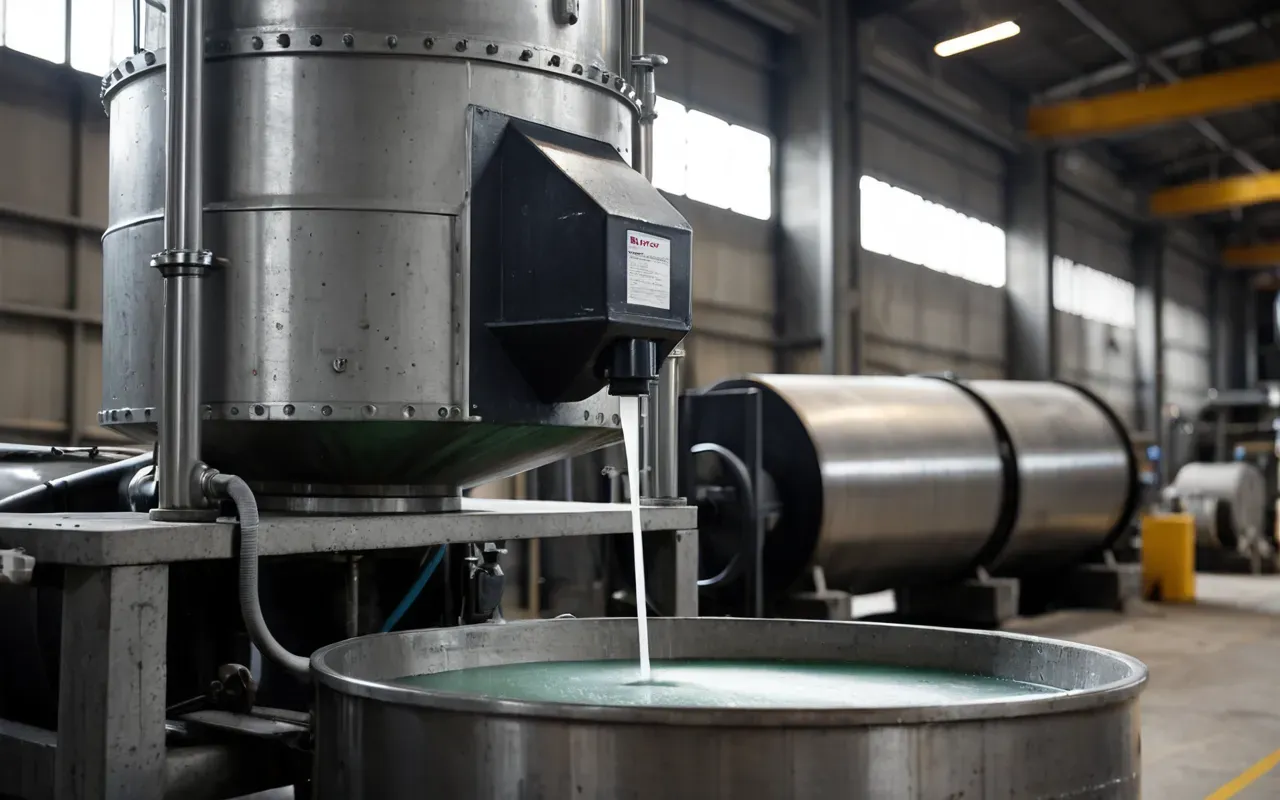
Let's talk numbers because they are staggering. Water reducers and superplasticizers captured .% of the total market value. That's more than half the pie. These chemicals allow producers to use less water while keeping the concrete flowable. Simple concept, profound impact. You get stronger, more durable concrete without waiting forever for it to set.
Here's the thing. As cement formulations get greener, they get trickier. Low-clinker binders often require more chemistry to achieve the same workability. This creates a direct link between sustainable cement and higher admixture demand. Every cubic meter of eco-friendly concrete needs more tailored dispersants. It's a hidden driver that many analysts miss. The greener the mix, the more chemistry it demands.
The Regional Shift Nobody Is Watching
Asia Pacific holds the crown with .% of global value. No surprise there. But the real story is in the Middle East and Africa. This region is projected to grow at a rapid .% annually. Why? Because major infrastructure projects are demanding high-performance mixes. Bridges, tunnels, and marine structures need additives that can handle extreme conditions. It's not just about building houses. It's about engineering resilience.

Europe is playing a different game entirely. Demand there is driven by higher chemical dosage rather than volume growth. They're pushing low-clinker adoption aggressively. This means European plants are buying more sophisticated additives per batch. It's a quality-over-quantity market. If you're supplying these regions, you need to focus on formulation expertise, not just price. The technical service aspect is becoming the key differentiator.
The Impact on Batching Plant Operators
So what does this mean for the people running the plants? It means your equipment needs to handle more precision. Dry concrete batching plants are seeing increased demand because they offer better control over dry mix ingredients. When you're dealing with complex admixtures, consistency is non-negotiable. A slight deviation in dosage can ruin a batch. That's why many operators are upgrading their systems to ensure repeatability.
I've seen operators struggle with this transition. The old mindset was to just add more cement to solve problems. Expensive and inefficient. The new mindset is to let the chemistry do the work. It requires better mixing technology. It requires better dosing accuracy. And it requires a deeper understanding of how different binders react to different additives. It's a fundamental shift in how we think about concrete production.
The Challenge of Compatibility
One of the biggest challenges is compatibility. Cement chemistry varies wildly by plant and region. An admixture that works perfectly in one location might fail in another. This requires repeated laboratory testing and field adjustments. Tedious, but necessary. Suppliers who can provide local technical support are winning. They understand the local conditions. They can tweak the formula on the fly. That's a huge advantage in a competitive market.
You can't just buy a cheap additive and hope for the best. Risky game. Rejected concrete batches cost money and reputation. That's why the industry is moving toward integrated solutions. Suppliers are offering packages that include the chemistry, the technical support, and the quality assurance. It's a full-service approach. And it's exactly what modern infrastructure projects demand. The days of one-size-fits-all chemistry are over.
Who Wins and Who Loses
The big players are making bold moves. Sika opened new facilities in Florida, Bangladesh, Tanzania, and Belgium. Saint-Gobain acquired Fosroc to strengthen its footprint in Asia and the Middle East. These are not small investments. They're strategic plays for long-term dominance. These companies are building local production capacity to reduce logistics costs and improve service. They're playing the long game.
Local suppliers are also stepping up. Companies like Jiangsu Sobute New Materials and Pidilite are capturing large domestic markets. They understand the local needs. They can respond faster to changing demands. It's a two-tier market now. The global giants handle the mega-projects and the complex formulations. The local players handle the volume and the standard mixes. Both are winning, but in different ways.
Who's losing? The small, independent producers who can't invest in technology. They're being squeezed out. The margins are thin. The requirements are high. If you can't guarantee consistent quality, you're out. The industry is consolidating. It's becoming more professional. It's becoming more technical. And that's a good thing for the end user. It means better concrete, longer-lasting structures, and more efficient construction. The losers are just the ones who refused to adapt.
The Future of Concrete Mixes
Looking ahead to , the demand will be driven by dosage per cubic meter. It's not just about how much concrete you produce. It's about how much chemistry goes into each batch. Polycarboxylate ether blends are becoming the standard. They offer superior performance and sustainability. Waterproofing additives are also seeing rapid growth. Developers want buildings that last. They want protection built into the concrete itself. Smart move.
The infrastructure sector will continue to lead. Transport, water, and civil engineering projects are complex. They require specialized formulations. Marine exposure, tunnels, and hot-weather placement all demand different chemistry. This is where the high-value additives come in. It's not a commodity market anymore. It's a specialty market. And specialty markets are where the money is. The companies that master this will define the next decade of construction.
The Role of Technology
Technology is playing a huge role in this shift. Digital dosing systems, automated mix controls, and real-time monitoring are becoming standard. These tools allow for precise control over the admixture dosage. It reduces waste. It improves consistency. It lowers costs. For batching plant operators, this is a no-brainer. The investment pays for itself quickly. And it future-proofs your operation. You're no longer guessing. You're knowing.
If you're still running your plant on manual adjustments, you're leaving money on the table. The data is clear. Precision wins. Consistency wins. Quality wins. The concrete admixtures market is growing because the industry is demanding higher performance. And the only way to deliver that performance is through better technology. Simple equation. Better tools lead to better outcomes. And better outcomes lead to market growth. It's that straightforward.
Final Thoughts on the Shift
Concrete admixtures aren't some niche segment. They're the backbone of modern concrete production — the reason we can build taller, stronger, more sustainable structures, the reason we can pour in extreme conditions, and the reason the industry keeps growing even while cement volumes stay flat. The chemistry does the heavy lifting. And it does it brilliantly.
For those of us in the industry, the message is clear: adapt or fall behind. Invest in technology. Focus on quality. Embrace the chemistry. The next decade will be defined by precision, sustainability, and performance — and the companies that get this right will lead the way. The concrete admixtures market is the quiet engine driving that change. It's only just getting started. The future is bright, but it takes a lot of hard work to reach.
Comments ()