Iowa's severe weather is about to break your concrete supply chain
The Storm Is Coming Before You Are Ready
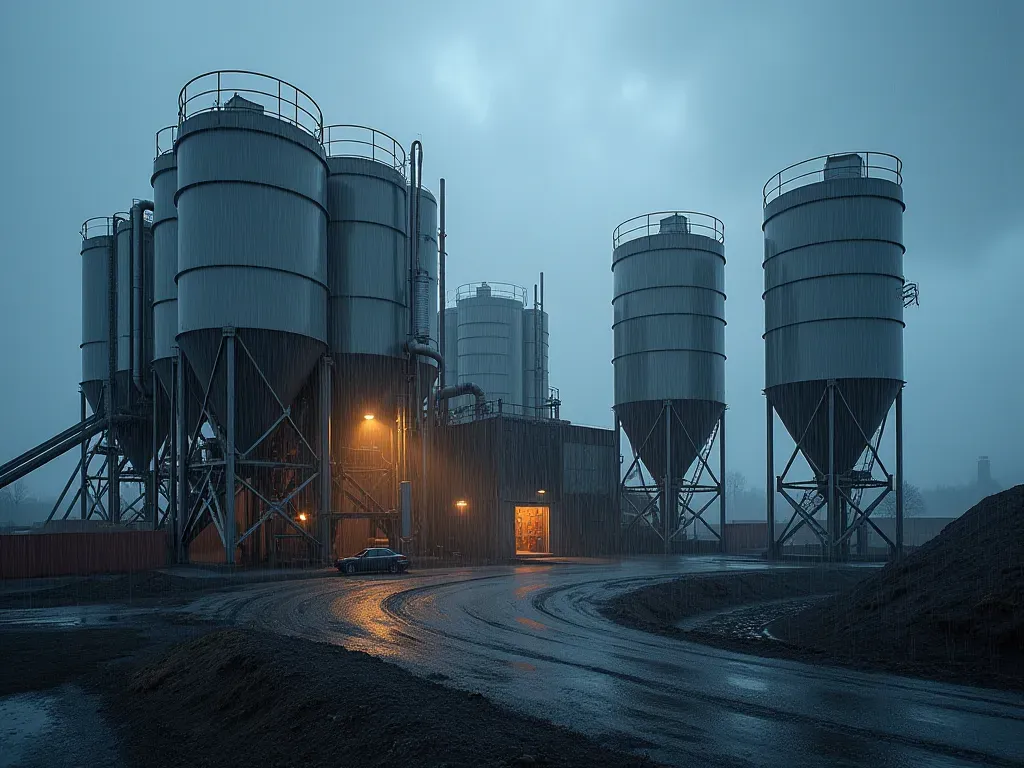
It's raining in Iowa right now. As of September , , the National Weather Service has a flood watch up for the Des Moines area. And no, this isn't just rain. It's the kind of heavy rainfall that turns dirt roads into mud and clogs drainage systems.
Most construction managers are staring at their calendars, worried about labor shortages or material costs. Meanwhile, the real threat is sitting right there in their inbox. That weather forecast? It's a ticking clock for your concrete supply chain.
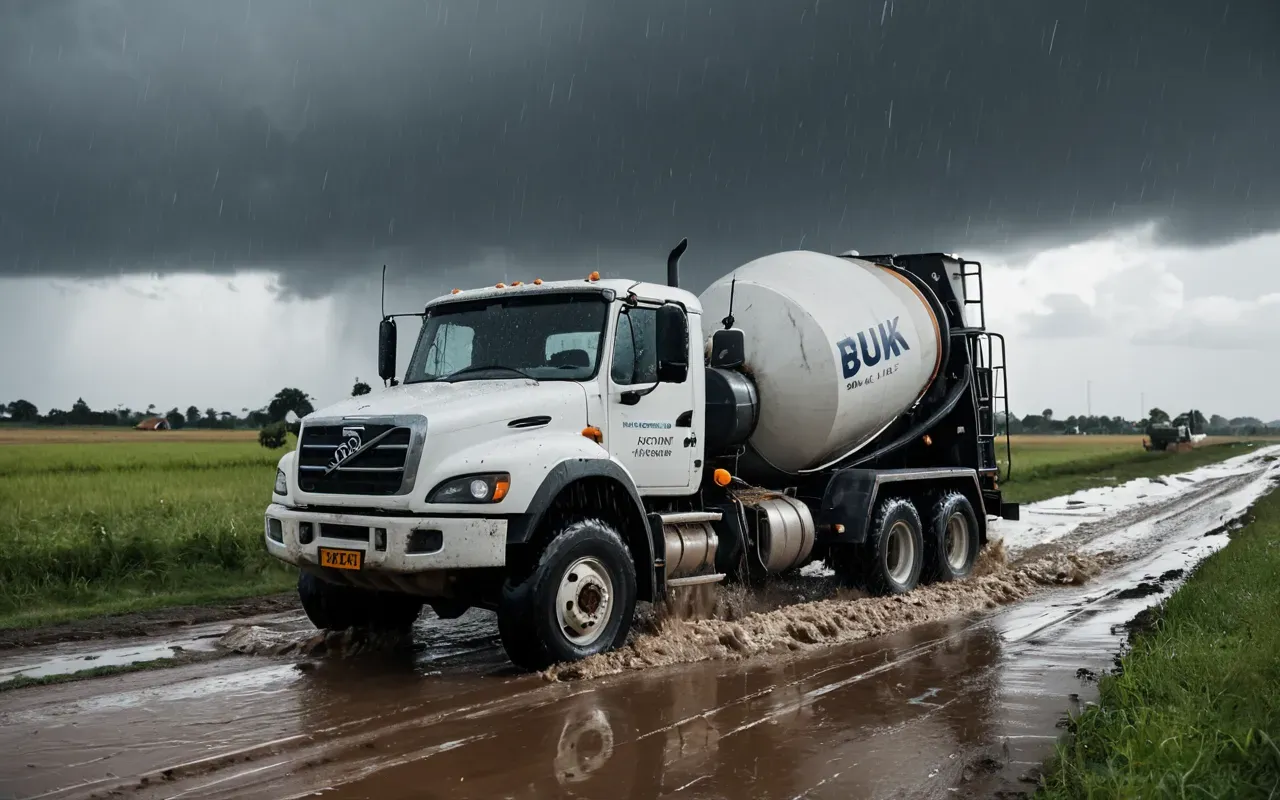
I've seen this pattern before. When a storm hits a region with centralized mixing plants, the whole system grinds down. Trucks get stuck on flooded access roads. Loading bays clog up, because one delay cascades into fifty others.
Why Centralized Mixing Fails in Wet Weather
Think about how wet concrete actually gets delivered. It shows up in a truck mixer that has to reach the site within ninety minutes to forty-five hours, depending on additive use. If I- near Des Moines floods, those trucks are dead weight.
The plant is the bottleneck. Depend on a single facility ten miles away, and that flood watch puts your entire foundation pour at risk. You can't control the weather. But you can control where the mixing happens.
The Hidden Cost of Delayed Pours
Every hour a pour is delayed costs money. Labor crews get paid even when they're standing around waiting for a truck. Equipment rentals run daily no matter how much you use them.
Then there's the rework cost. If concrete starts to set in the truck because of delays, you may have to dump it and start over. That waste alone can eat more than ten percent of your material budget for that pour.
I've talked with contractors who lost two days of work in similar storm scenarios. They blamed the weather. But the real failure was their reliance on a distant mixing plant that couldn't operate safely during high winds and flooding.
The Solution Is Already in Your Yard
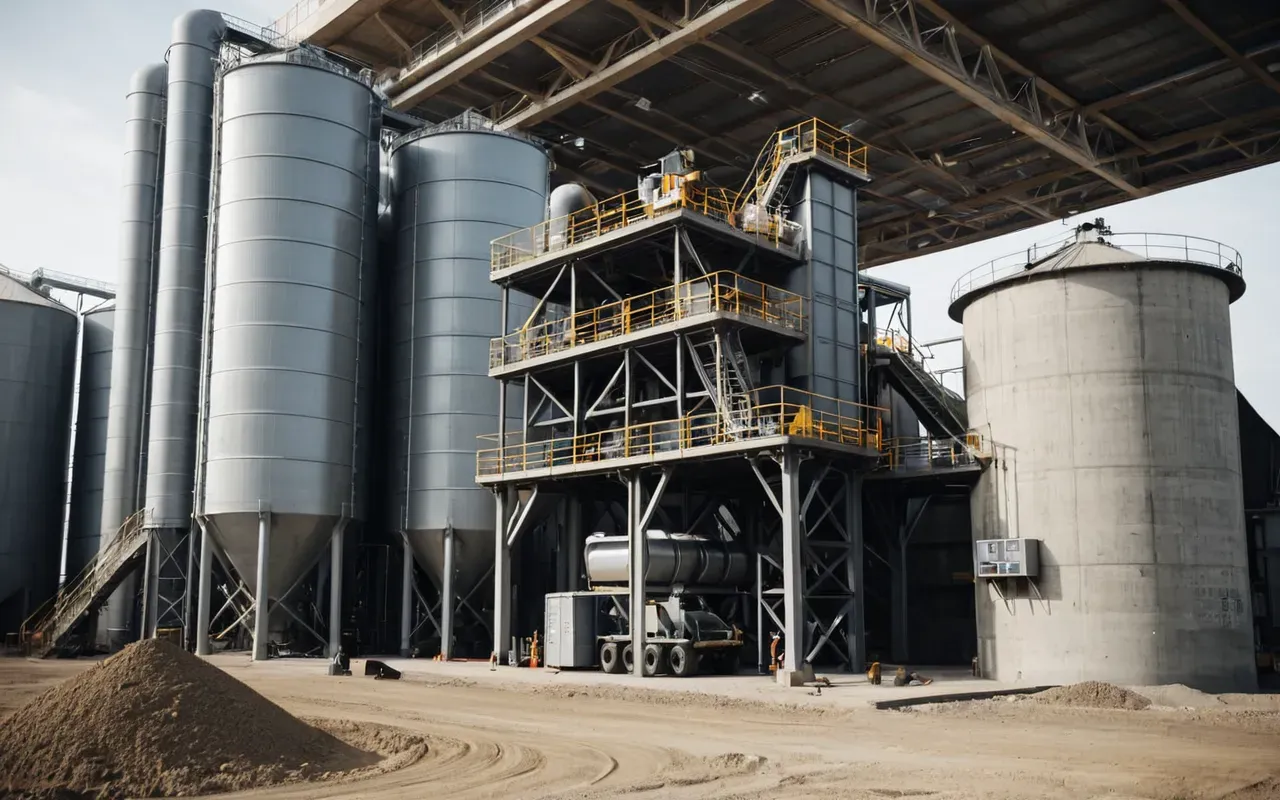
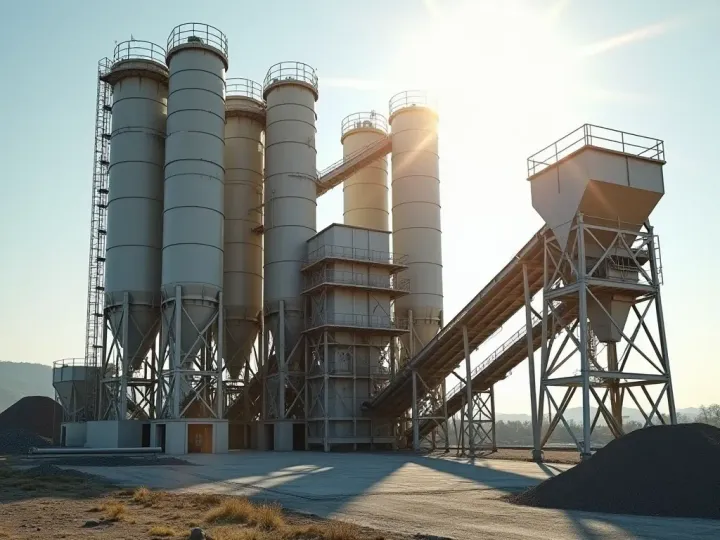
A dry batching plant changes the equation completely. Instead of shipping mixed wet concrete across town, you ship dry ingredients to your site and mix them right there.
Here's the thing. Dry ingredients don't care about time in transit. You can store them for days or weeks without any quality loss. When the storm clears and the access roads dry out, you mix immediately.
That decouples your production schedule from the weather logistics of wet concrete. No more racing a setting clock while fighting traffic and flooded roads.
How Dry Batching Plants Protect Your Timeline
Consider a residential development out in the Des Moines suburbs. The developer needs three hundred cubic yards of concrete for foundations.
With a traditional supplier, they have to coordinate twenty truck loads arriving in tight windows. One truck delayed by the flood watch, and the whole sequence breaks.
With a dry batching plant on site, they deliver the cement and aggregates whenever the roads are passable. Then they mix only what's needed for that day's pour. No time pressure. No risk of setting in transit.
The Economic Advantage of Local Mixing
And it's not just about weather. Dry batching cuts waste significantly. You mix only what you use in that moment.
No excess material left over from truck deliveries. No fees for early or late pickup windows that suppliers charge when their schedule slips.
I've analyzed the costs for several projects in mid-sized cities. On large jobs, the initial investment in a batching plant pays back within twelve to eighteen months.
But the real value is risk mitigation. You're no longer hostage to a supplier's fleet availability or local road conditions during severe weather events like this one in Iowa.
What This Means for Your Next Project
The flood watch in Iowa is a wake-up call. Centralized supply chains are fragile when nature strikes.
So if you're planning a project in the next six months, ask yourself one question. Can I afford to lose two days of work if it rains hard this week?
If the answer is no, rethink your concrete sourcing strategy. A dry batching plant gives you control that wet concrete suppliers simply cannot match.
The Real Reason Local Batching Wins
It's not about cost savings alone. It's about autonomy. When you mix on site, you decide when the concrete goes into the formwork.
You're not waiting for a truck to arrive. You're not worried about the concrete setting in transit. You have total command over your pour schedule.
That level of control is rare in modern construction. Most managers are used to being at the mercy of suppliers and weather. Breaking that dependency changes everything.
A Look at the Broader Industry Shift
We're seeing a quiet migration toward on-site mixing across many regions. Contractors who got burned by weather delays last year have started evaluating batching plants.
The technology is mature. Modern dry batching plants are efficient, precise, and easier to operate than a lot of people assume.
If you're curious about how local regulations impact plant placement, that's another layer to consider before investing.

The Financial Reality Check
Let's talk numbers. A typical dry batching plant runs between fifty thousand and two hundred thousand dollars, depending on capacity.
Compare that to the potential loss of one day's work. Labor alone can exceed ten thousand dollars for a crew of eight.
Lose two days to weather delays, and that's twenty thousand dollars in idle labor. Add material waste and equipment rental fees, and the total loss can top fifty thousand dollars.
One avoided disaster pays for a significant chunk of the plant. This isn't just insurance. It's a business decision that makes financial sense.
The Human Factor in Weather Delays
There's also a psychological toll on crews when schedules slip because of weather. Morale drops. Mistakes increase.
Workers hate waiting around in the rain for a truck that may never come because of road closures.
With on-site mixing, the crew stays active. They prepare forms, place rebar, and mix concrete when conditions allow.
That keeps the team engaged and productive. It also cuts the stress that comes from unpredictable external factors like supplier delays.
The Path Forward for Resilient Construction
Iowa's flood watch is a temporary event. But the vulnerability it exposed in your supply chain is permanent unless you address it.
The construction industry is moving toward greater self-sufficiency. On-site mixing plants are a key part of that shift.
And you don't have to wait for the next storm to hit your region. You can build resilience into your operations starting today.
Questions Every Manager Should Ask Now
First, how far is your concrete supplier from the site? If it's more than five miles, you've got a risk factor.
Second, what's the backup plan if roads flood? If you don't have one, that's a gap in your risk management.
Third, can you mix concrete on site without major infrastructure changes? If the answer is yes, consider it seriously.
These questions aren't hypothetical. They're practical steps to secure your project timeline against the next weather event.
The Bottom Line on Weather and Concrete
Weather is a fact of life in construction. You can't stop the rain or control the wind.
But you can choose a supply method that's immune to weather delays in transit. That choice gives you power.
Iowa's current flood watch is a reminder. The next storm could be your project's biggest risk if you're not prepared.
So slow down and actually weigh your options here. Doing nothing costs way more than putting money into resilience.

Comments ()