Kshema Power just broke the wind industry by making its own concrete
The Concrete Bottleneck That Slowed Wind Energy Down
Wind farms are supposed to go up fast. They rarely do. And the real bottleneck usually isn't the turbines.
It's the concrete. Massive amounts of it, poured under brutal deadlines in remote locations where third-party suppliers can barely keep up.
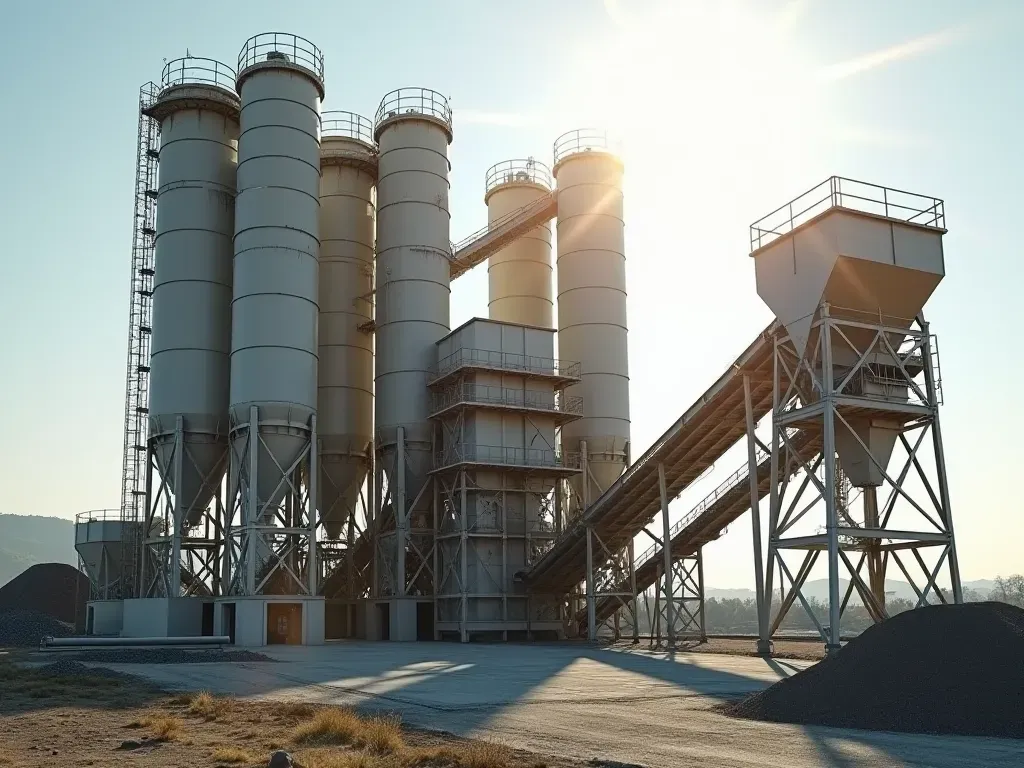
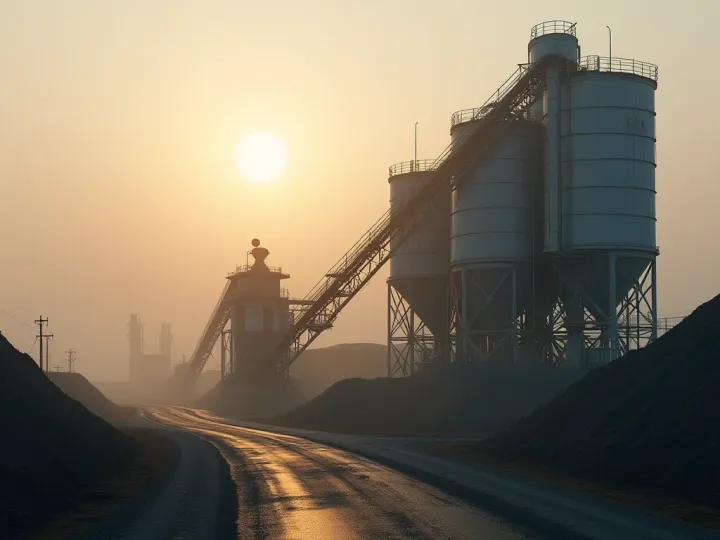
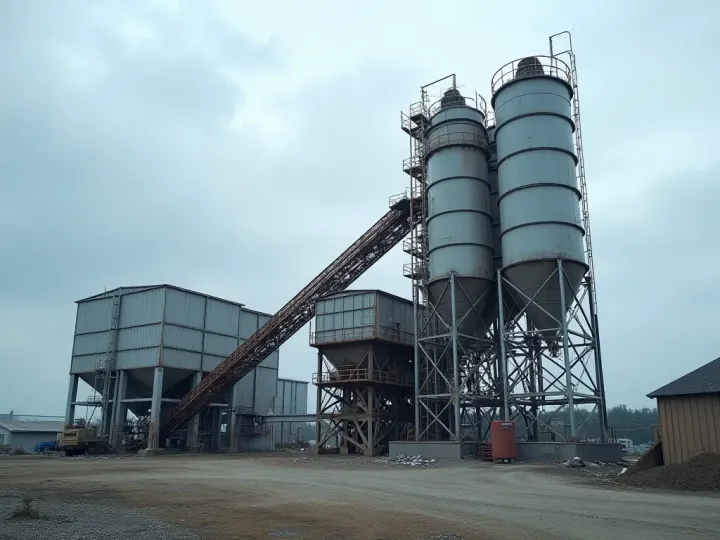
Kshema Power just ignored the usual advice and built their own solution. They commissioned two dedicated in-house batching plants.
Smart move, and it targets one specific pain point: no more leaning on external vendors who cause logistical delays and quality inconsistencies.
Why Third Party Suppliers Fail in Remote Areas
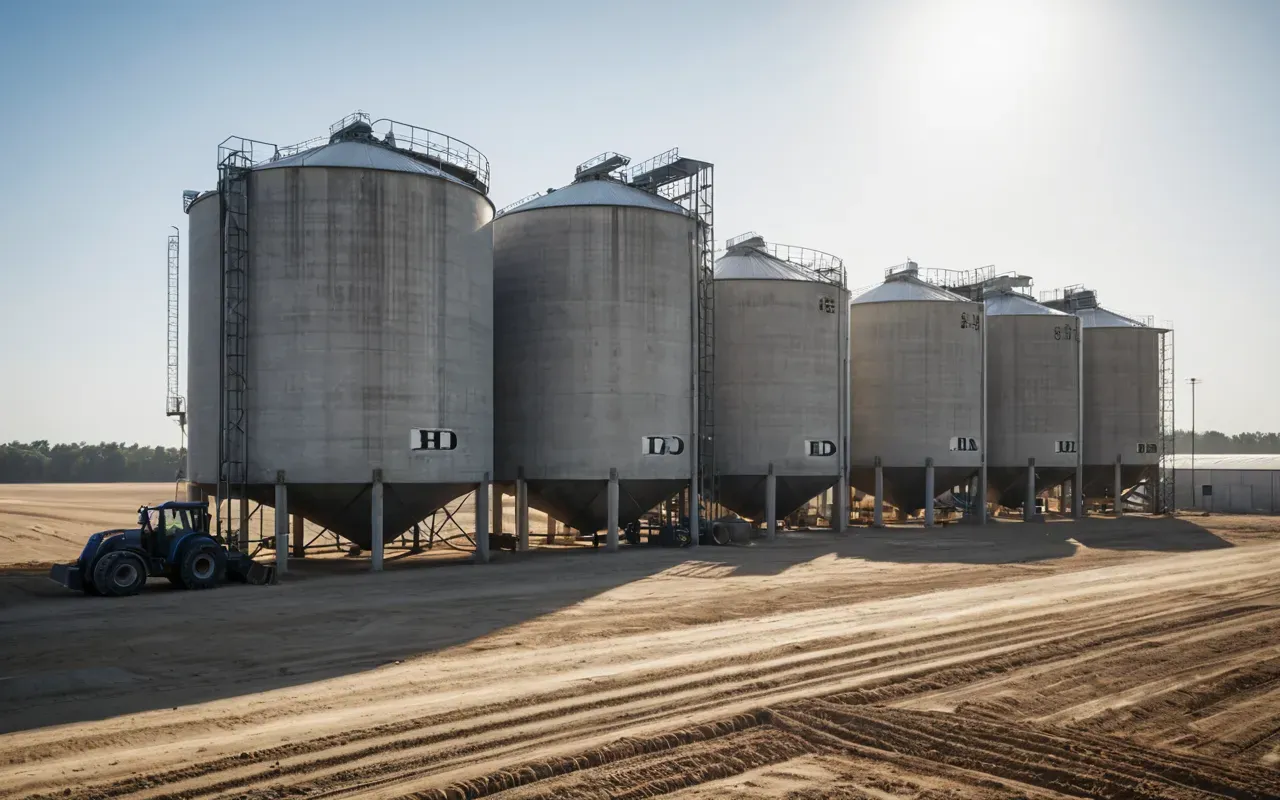
Sourcing materials from outside is risky. In isolated regions, transport times run long and unpredictable.
A truck breaks down, or the rains show up early, and the pour is ruined. That's massive waste and project delays.
Keep the mixing plant on site, though, and Kshema Power controls every step. They sync raw material procurement with real-time construction schedules.
That level of control is rare. Most EPC firms lean on logistics partners who don't prioritize their timeline.
Ten Foundations A Month Is Not Just a Goal but a Statement
Kshema Power is targeting ten wind turbine foundations every month. Sounds simple on paper.
In reality, it means zero downtime. Every hour has to count, from mixing to pouring.
That pace is usually reserved for highly automated factories. Not remote wind sites.
To pull it off, they had to master dry batching technology. It cuts water usage and improves mix consistency.
The Hidden Cost of Supply Chain Fragility
Most people miss the financial side of delays. Every day a foundation runs late costs thousands in idle labor.
Kshema Power gets this. Their batching plants aren't just machines — they're financial shields.
Who Wins and Who Loses in This Shift Toward Self Sufficiency
Large suppliers lose ground here. Their ability to command high prices drops when buyers build their own capacity.
Renewable developers win big. Faster projects, better margins.
And this trend could spread fast. Other firms may follow suit soon.
What This Means for Global Concrete Manufacturers
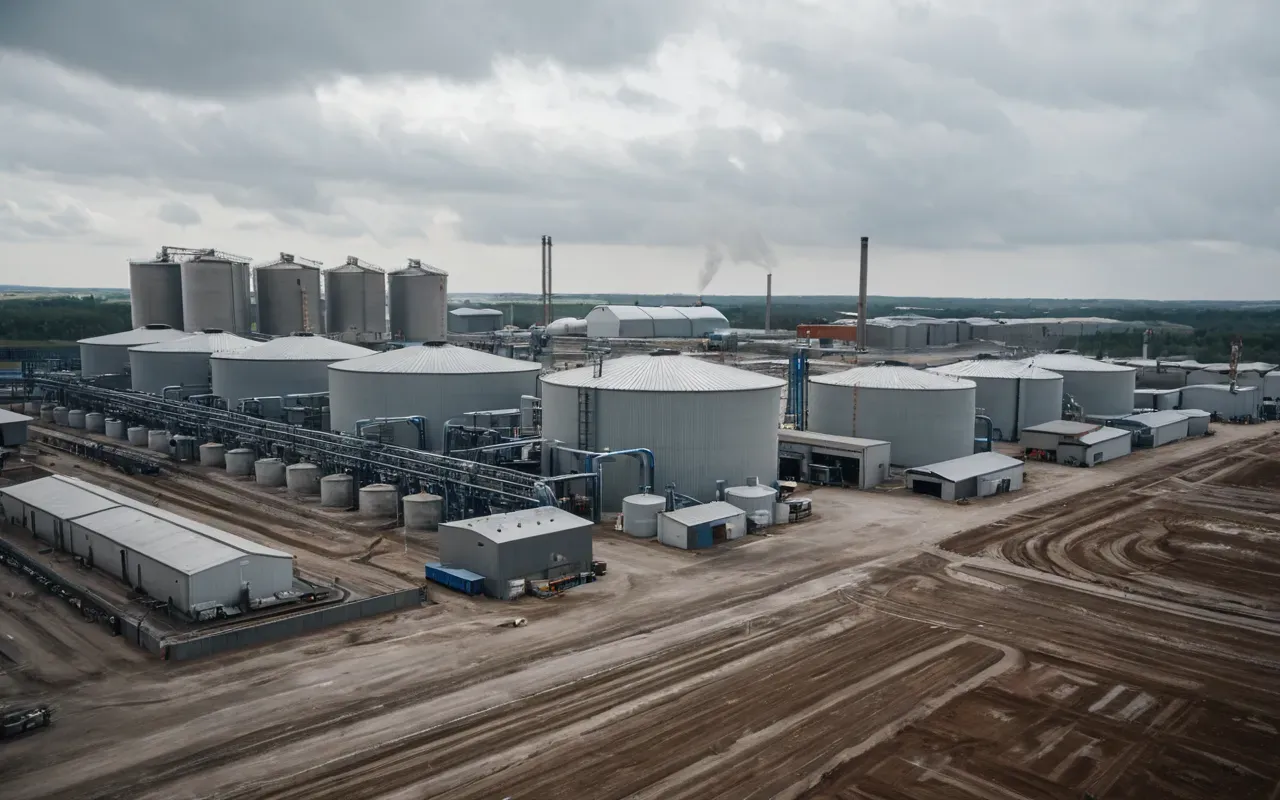
Manufacturers have to adapt. If customers buy plants to make their own concrete, sales of wet mixes drop.
We're seeing this shift in other sectors too. Self-sufficiency is the new normal for serious builders.
If you're in the supply chain business, consider this a wake-up call. Adapt or fade out.
The Role of Dry Batching Plants in This Strategy
Dry batching plants are key here. They give you precise control over mix ratios without water dilution issues.
For Kshema Power, the choice lines up with their goal of speed and reliability.
Lessons for Other Renewable Energy Firms
The lesson is clear. Control your critical inputs, or suffer the consequences.
I think this becomes standard practice. The days of relying solely on external vendors are numbered.

Comments ()