Why Cebu's newest concrete plant is a red flag for every supplier in the region
The quiet shift in the concrete supply chain
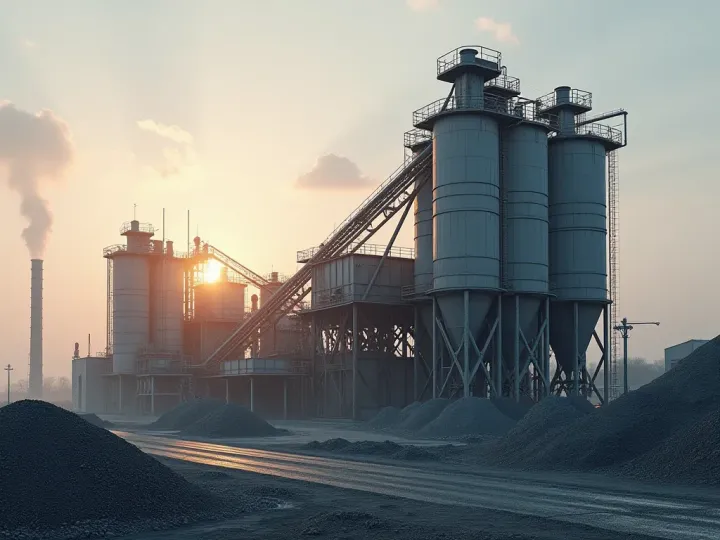
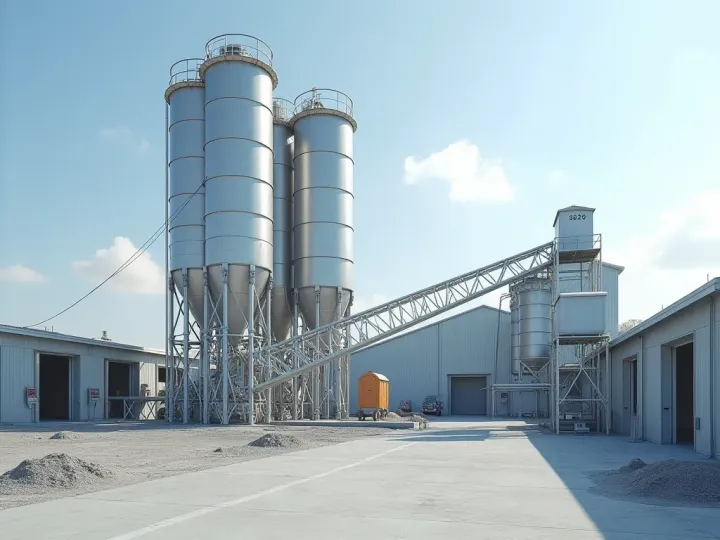
Most people assume that more capacity always means better prices. But in the concrete industry, that logic often collapses under real-world pressure. Suprea Philippines Development Corporation just opened its biggest facility yet in Compostela, Cebu.
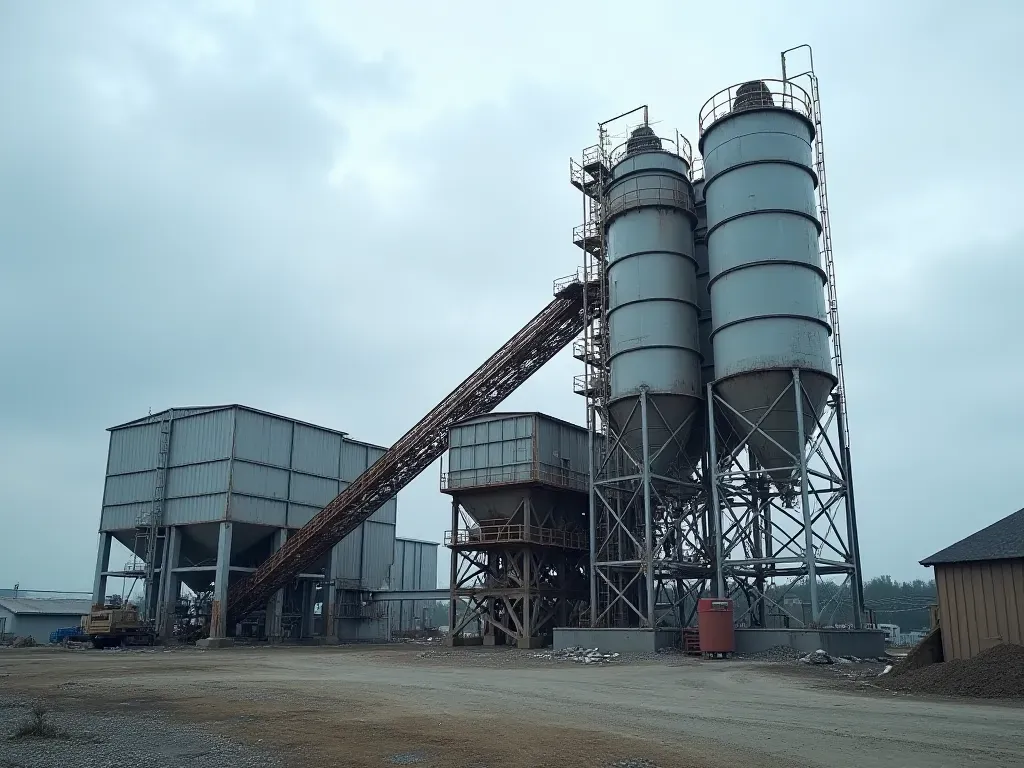
This isn't just another warehouse with a mixer thrown in. It spans 2.3 hectares and cranks out two hundred cubic meters of ready-mixed concrete every single hour. That volume shifts the local market dynamics almost overnight.
I've watched this sector for years now. The push toward larger, centralized facilities is a calculated move to lock in high-volume contracts. And it backs smaller players into a corner where they either carve out a specialty or slowly fade away.
But here's the thing nobody mentions at the ribbon-cutting ceremonies. Bigger plants come with bigger vulnerabilities. One single point of failure can bring an entire region's construction projects to a grinding halt.
What the numbers actually tell us about this expansion
Let's look at the raw numbers. Two hundred cubic meters per hour is staggering throughput. To put that into perspective, it's roughly two thousand forty-kilogram sacks of cement equivalent rolling out every sixty minutes.
This kind of capacity is built to feed major infrastructure work. Bridges, roads, and high-rise towers demand consistent, large-volume supply that smaller portable plants simply can't match with any reliability.
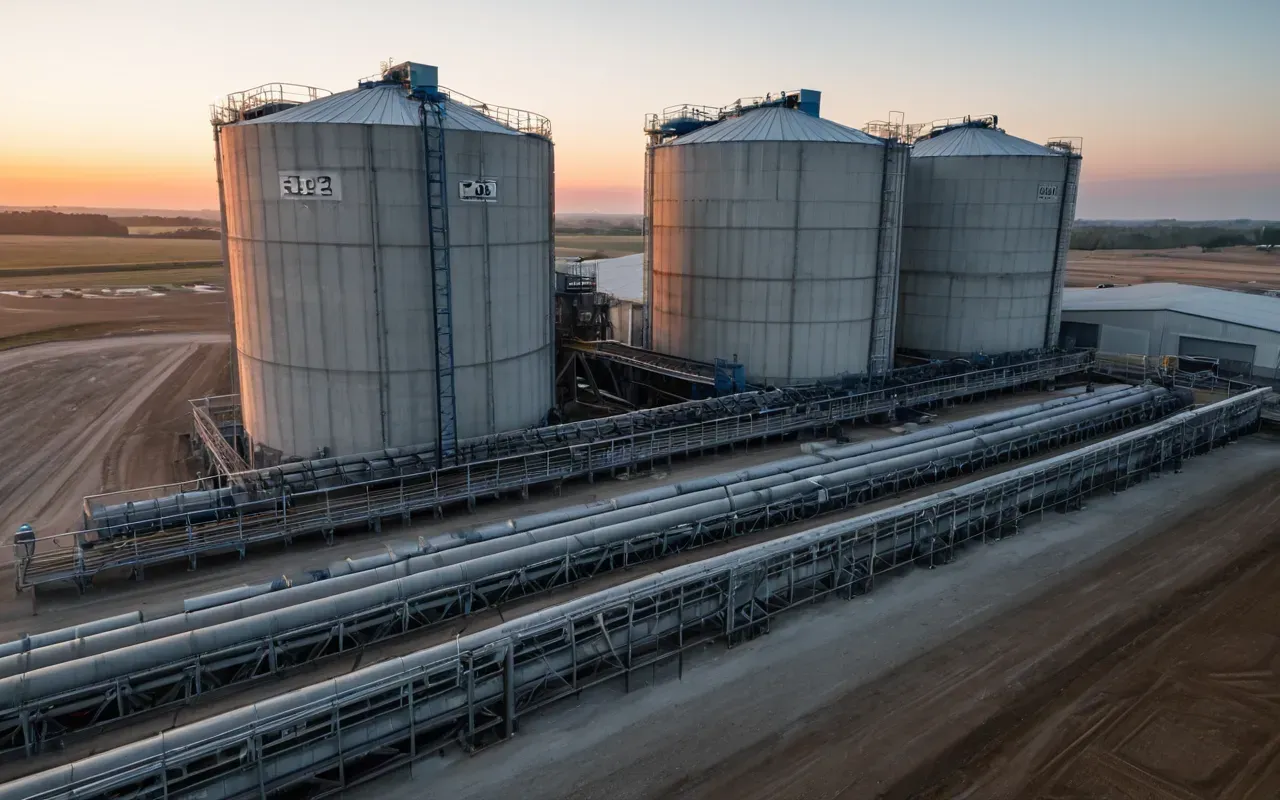
Suprea now runs eighteen portable plants across Cebu and Mindanao. This new facility anchors their northern operations. It stabilizes their logistics network in a meaningful way.
For contractors in the area, that means shorter lead times on bulk orders. But it also breeds a dependency that could turn dangerous if demand spikes unexpectedly during peak construction season.
The hidden risks behind the big capacity promise
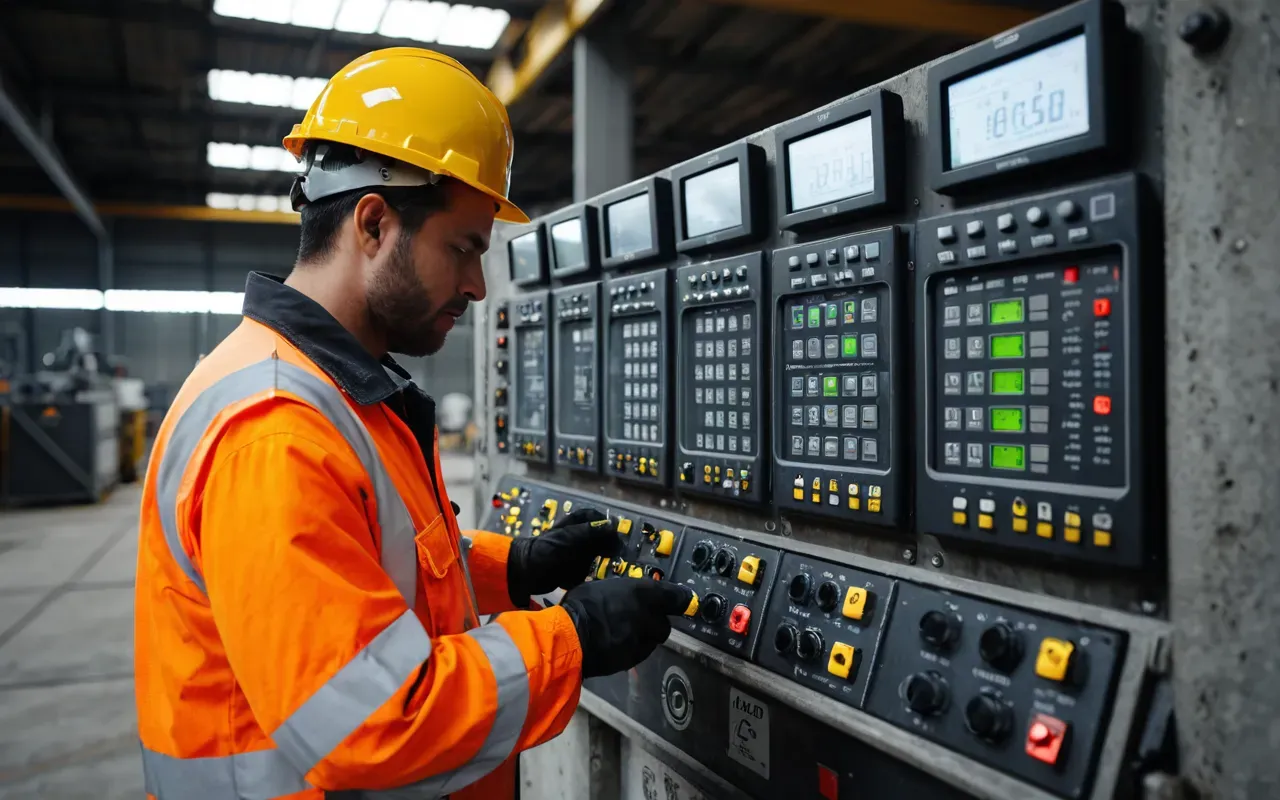
There's a specific kind of error that haunts large batching plants. Sensor miscalibrations can silently ruin batch after batch before the concrete ever leaves the facility.
If a weight scale drifts by even a fraction of a percent, the entire mix changes. Structural weaknesses might not surface for months. It's a silent killer in construction quality control.
We keep seeing this same pattern. The bigger the machine, the more critical precision becomes. A tiny mechanical glitch in a large system carries exponentially higher stakes than one in a portable unit.
Why maintenance schedules matter more at this scale
Maintenance isn't just about swapping out broken parts. It's about preventing the invisible failures that quietly drain money and reputation from a concrete business.
I've read reports on how one neglected sensor can burn through thousands in wasted materials. At a plant producing two hundred cubic meters an hour, that waste compounds faster than most people realize.
You can read more about the specific sensor error costing you thousands in dry concrete output to understand how these small failures escalate into major financial losses.
Who wins and who loses in this new market landscape
The clear winners are the large-scale infrastructure developers. They get consistent supply, stronger pricing leverage, and fewer logistical headaches on their massive projects.
But smaller local suppliers are feeling serious pressure. Their margin for error shrinks when a competitor can undercut them on bulk pricing while still maintaining high quality standards.
There's also a legal risk that too many overlook. The sheer complexity of large operations invites regulatory scrutiny and opens the door to potential lawsuits.
One bad batch delivered to a critical structure can trigger costly litigation. And liability scales with the volume you produce and the size of your clients.
Consider the lawsuit hiding in plain sight that could bankrupt your concrete business overnight. It's a very real threat for any high-volume producer.
The environmental angle that changes everything
Dust control isn't just a local nuisance issue anymore. It's becoming a primary zoning and compliance hurdle for concrete plants worldwide.
Large facilities face far stricter environmental standards. The cost of installing and properly maintaining filtration systems can become a hidden financial burden that nobody budgets for upfront.
Some companies treat these filters as pure expenses. But honestly, they're strategic shields against regulatory shutdowns and community backlash.
The shift toward greener construction materials is also reshaping this industry. Traditional batching plants must adapt to new cement formulations or risk becoming obsolete.
What this means for the future of regional construction
The opening of such a large facility signals that this region is ready for major development. It attracts more developers and fuels more construction activity.
But it also raises the bar for quality and reliability. Clients will expect higher standards from every supplier in the market, not just the big ones.
Suprea's expansion is a bold move. It cements their leadership position, sure. But it also sets the pace for competitors who must now match that level of operational excellence.
For the industry at large, this is a wake-up call. The era of relying on small, inefficient plants is ending in major construction hubs.
The future belongs to those who can balance scale with precision. It's a tightrope walk that many are failing to master.
Let's be honest with ourselves. The concrete industry is moving toward consolidation. Smaller players will struggle unless they find a niche that bigger operations can't easily replicate.
This expansion in Cebu is just the beginning. Expect to see more large-scale facilities sprouting up across key construction regions in the coming years.
The question isn't whether this shift will happen. It's how quickly your business can adapt to the new reality of high-volume, high-precision concrete supply.
Comments ()