The $10,000 error hiding in your concrete batching plant

The $10,000 error hiding in your concrete batching plant
You are not buying a machine. You are buying ten years of uptime.
Most buyers get this wrong. They look at the sticker price. That is a mistake worth roughly $10,000 per month in lost output.
I have seen this play out on sites from dry industrial parks to remote quarry edges. The cheap unit works for six months. Then the sensors fail.
The repair takes three weeks. Parts are not in stock locally. The production line sits idle while you argue with a vendor who has already moved to the next client.
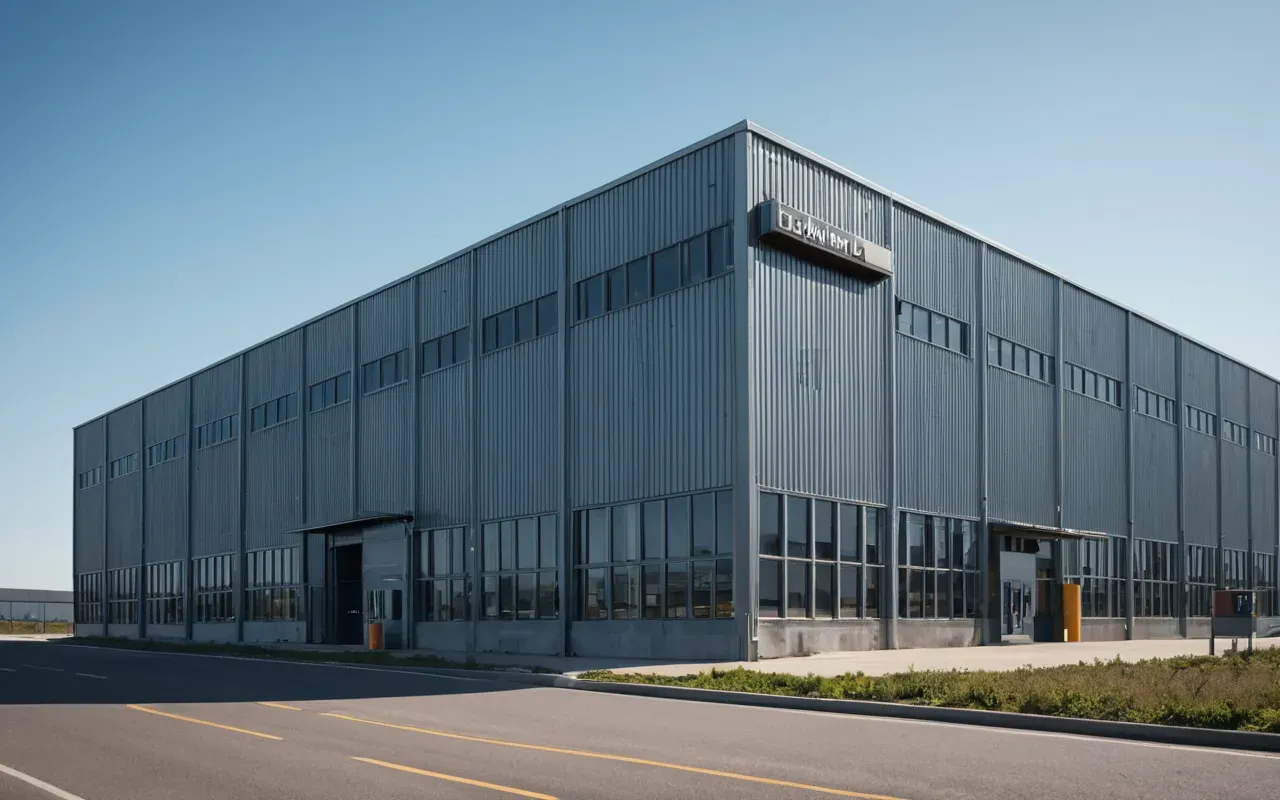
Why price is a trap for serious operators
A $150,000 savings on the front end looks great. But it evaporates fast when you factor in downtime.
Here is the math. A standard dry mix unit produces roughly 120 cubic meters a day. If you lose one week to repairs, that is 840 missing batches.
At an average margin of $5 per cubic meter, that single week costs you $4,200 in direct profit. Add the penalty fees from delayed contracts and it easily crosses the six-figure mark.
The manufacturer’s reputation for service is not a marketing fluff. It is the single biggest predictor of your bottom line.
The hidden cost of silence in supply chains
Silence is expensive. When a sensor errors out at 3 AM on a Saturday, who answers the phone?
Big names often have call centers that route you to tier-two support. You wait on hold for hours while your mixer sits cold.
Smaller specialists often have direct lines to the engineers who built your specific unit. That connection is worth its weight in gold during a crisis.
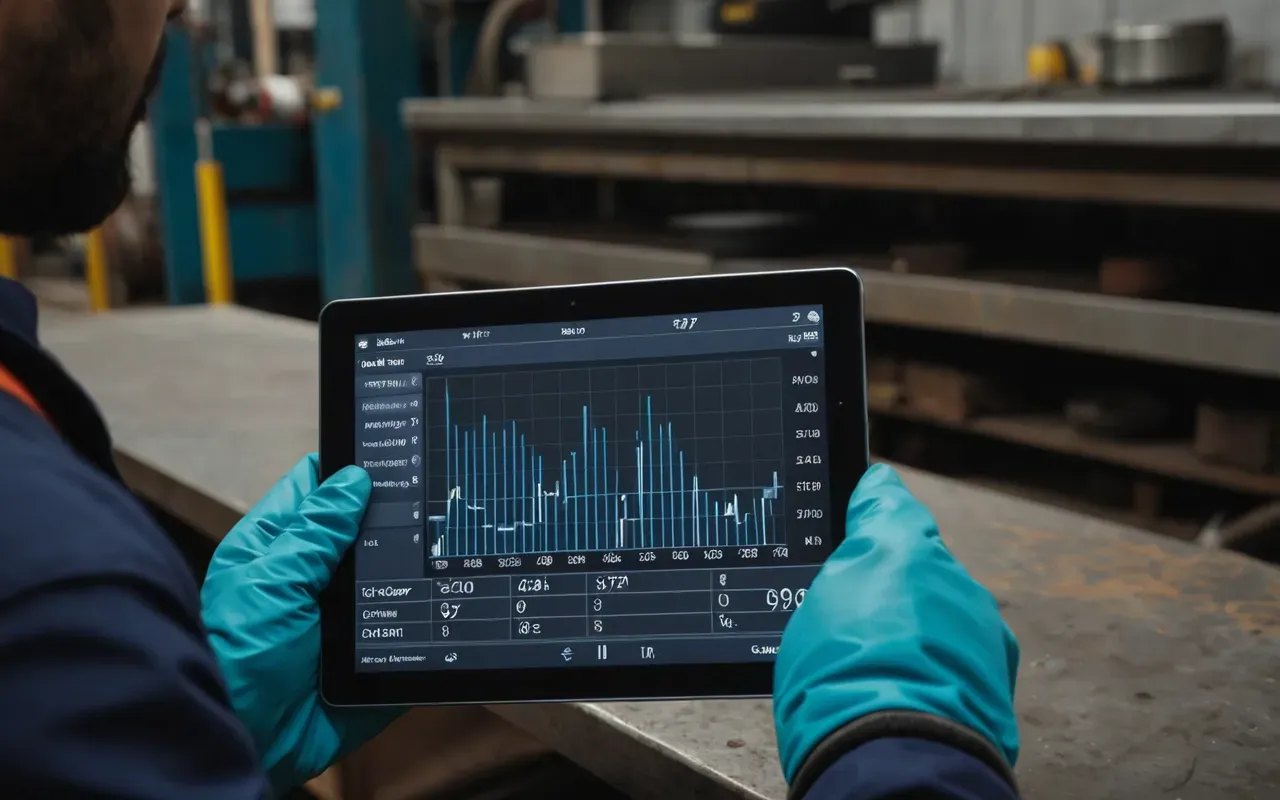
What happens when the machine stops working
A breakdown is not just a repair job. It is a logistical nightmare.
Crews are paid but idle. Trucks arrive and leave empty. Your reputation takes a hit with the general contractor.
I once watched a site manager fire his entire maintenance team because the vendor did not send parts fast enough. The plant was useless for two months.
The $50,000 mistake you are making right now
You are assuming the machine will run forever. It won’t.
Wear and tear is inevitable. Aggregates grind against steel. Hoppers crack from thermal stress. Seals dry out in the sun.
The difference between a good and bad manufacturer is how they handle this decay. Do they sell you parts? Or do they design for easy replacement?
Why the green cement boom is a trap for old setups
New mix designs are coming. They use different binders and additives.
Older plants often cannot handle the moisture control required for these new formulas. The mix fails in transit.
A modern manufacturer builds flexibility into the hardware from day one. They anticipate these shifts in material science.
The specific sensor error costing you thousands
Load cells drift over time. A tiny offset means every batch is slightly off-spec.
You think you are mixing M25 concrete. You are actually producing something weaker.
This invisible error weakens the structural integrity of the entire project. It is a liability waiting to explode.
How to verify your supplier’s technical support
Ask for a reference list of plants running in the last five years. Call them.
Ask specifically about downtime. Ask how long the last major repair took. The answers will tell you everything.
The real reason your supplier matters more than the metal
Metal is commoditized. Knowledge is not.
The value lies in the software updates and the troubleshooting expertise that keeps your output consistent.
What to ask before you sign the contract
Demand a service level agreement. Put it in writing.
Specify response times for critical failures. Define what constitutes a critical failure clearly in the document.
The empty search results page exposing supply gaps
Sometimes you will find that parts are not available at all. This is a red flag.
If you cannot find the part online or in their catalog, it likely does not exist for your model.
Why a small town is becoming the engine of construction
Specialized manufacturers often cluster in industrial zones with specific expertise.
These hubs offer a depth of knowledge that global giants often lack in local application.
The future is precision and accountability
We are moving away from brute force mixing toward precise digital control.
The manufacturers who survive will be those who can prove their quality with data and support.
Do not let a low price blind you to the real cost of ownership. Look for partners who care about your output long after delivery.
Frequently Asked Questions
How long does it take to repair a batching plant?
Simple sensor fixes take two days. Major mechanical failures can take three to four weeks depending on parts availability and engineer access.
What is the difference between wet and dry batching?
Wet batching mixes water with the binder. Dry batching delivers a powder mix that is mixed at the point of use or by specialized trucks for faster application.
Who should I call if my plant stops working?
Contact the designated service manager listed in your contract immediately. Do not rely on general sales lines for critical operational failures.

Comments ()