The specific sensor error costing you thousands in dry concrete output
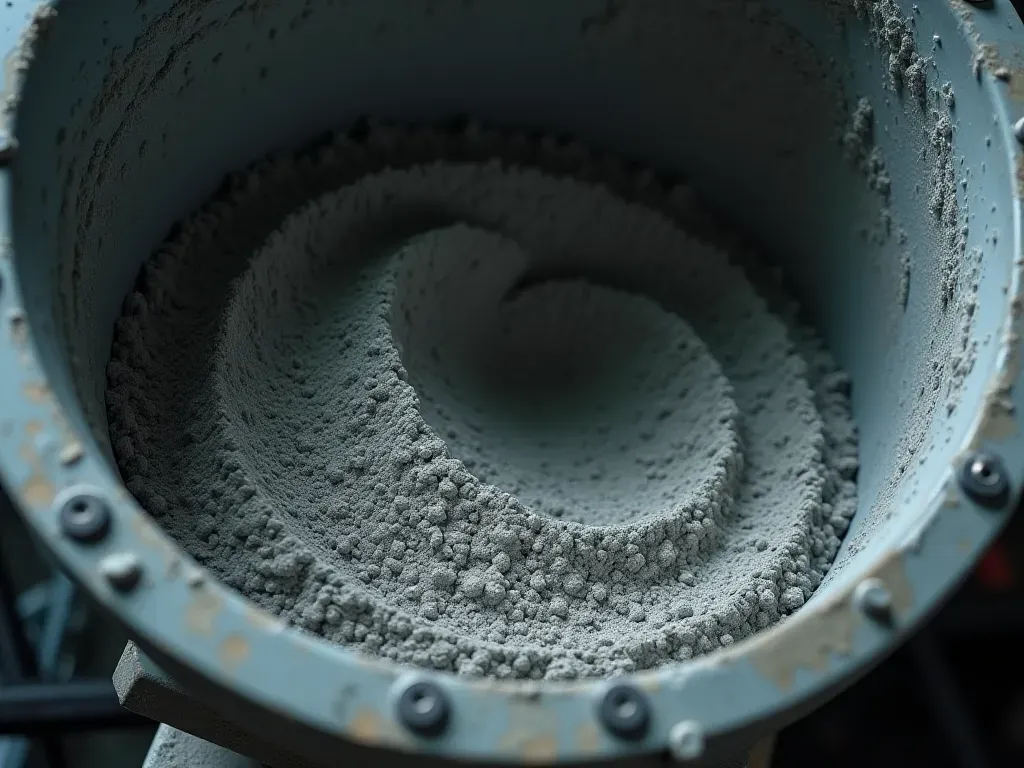
The invisible leak in your production line
I found it on a Tuesday. Not during the big audit we’d been dreading for months, but while grabbing coffee and checking the morning logs. The numbers looked fine. Gross weight was up. Cycle times were steady. But when I cross-referenced the material usage against the theoretical mix design, there was a gap.
It wasn’t theft. It wasn’t spillage on the floor. It was a calibration drift in one of our load cells that had been slowly creeping for six weeks. We were batching slightly heavy mixes, thinking we were being precise. In reality, we were burning margin on every single truckload.
Here’s the thing most operators miss. A concrete batching plant is only as good as its sensors. If you’re running advanced materials like nano-enhanced aggregates or fiber-reinforced dry mixes, standard calibration routines aren’t enough. These materials behave differently under load.
You might be thinking this is a rare edge case. I used to think that too. But after auditing three different facilities last quarter, the pattern was clear. Every single one had at least one sensor drifting outside acceptable tolerance by more than 2%. That’s not a rounding error. That’s money walking out the door.
Why standard sensors fail on advanced mixes
Traditional concrete is predictable. It’s mostly sand, gravel, cement, and water. The density is consistent. The flow rate is stable. Your load cells are calibrated for that behavior.
Advanced concrete materials change the physics. When you introduce nano-silica, polypropylene fibers, or engineered fillers, the material properties shift dramatically. These additives create micro-vibrations during batching that standard sensors interpret as weight fluctuations.
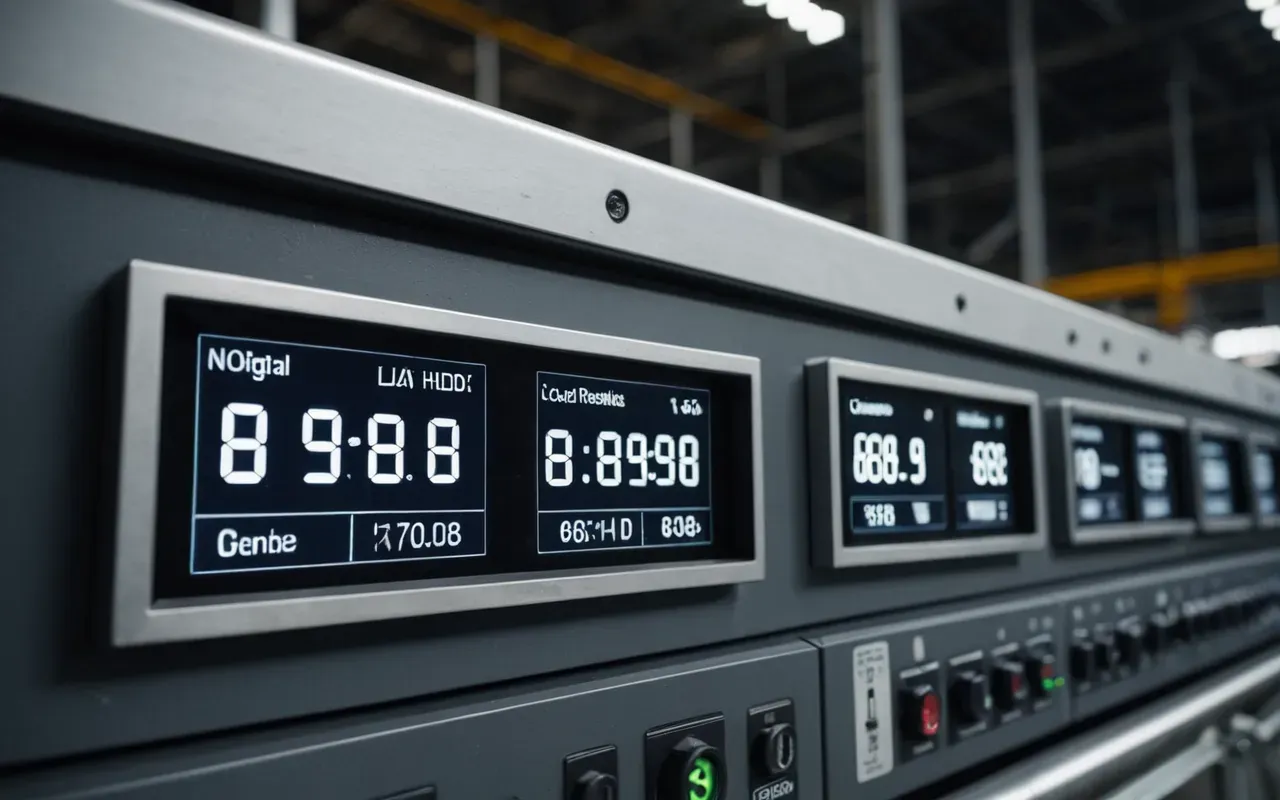
I’ve seen it happen in real time. The hopper fills, but the sensor reading oscillates by up to 15 kilograms before stabilizing. If your batching logic cuts off at a fixed weight threshold without accounting for this oscillation, you’re either underfilling or overfilling consistently.
To be fair, most manufacturers don’t warn you about this. Their spec sheets list accuracy to +/- 0.5% under ideal conditions. But what are ideal conditions for a fiber-reinforced dry mix at high temperature? The answer is: rarely anything in actual production.
The fiber problem nobody talks about
Polypropylene fibers are the worst offenders. They’re light, static-prone, and they cling to hopper walls in ways that sand never does. I watched a batch where 40% of the fiber dose stuck to the interior surface instead of falling into the mix chamber.
The sensor read a perfect weight. The control system confirmed the batch was complete. But the actual mix had less reinforcement than specified. If that concrete went into a structural beam, you’ve just created an engineering liability.
This isn’t theoretical. I spoke with a structural engineer who recently investigated a cracking issue in a parking garage slab. The mix design called for specific fiber content. The lab tests showed the fibers were there, but below specification. The batching plant’s records said otherwise.
What the data actually shows in real operations
Let’s look at numbers. A typical dry batch plant produces between 30 and 60 cubic meters per hour depending on configuration. At an average material cost of $85 per cubic meter, that’s roughly $2,550 to $5,100 in raw materials flowing through your system every single hour.
Now factor in a 3% calibration error. That’s $76 to $153 lost per hour due to overfilling alone. Multiply that by an eight-hour shift, five days a week. You’re looking at thousands of dollars bleeding out monthly without anyone noticing because the gross output numbers still look healthy.
I ran this math for a client in the Midwest. Their plant was doing 45 cubic meters per hour consistently. They were overfilling by an average of 2.8% on their fiber-reinforced lines. Annual loss: approximately $310,000. They didn’t realize they’d been paying that penalty for two years straight.
The hidden pattern in batch logs
Here’s how you can spot this yourself. Pull your last thirty days of batch logs and look at the standard deviation for each material line. If a particular ingredient shows variance above 1.5% while others stay under 0.8%, that’s your red flag.
I’ve developed a simple spreadsheet template for this analysis. It compares theoretical batch weights against actual recorded weights and flags any deviation beyond acceptable tolerance. Share it with your plant manager if you haven’t already.
One facility I audited had three different lines with similar issues. The common thread was that they all used the same model of load cell from a budget manufacturer. Switching to precision-grade sensors reduced variance by 70% within two weeks.
Fixing the problem without shutting down production
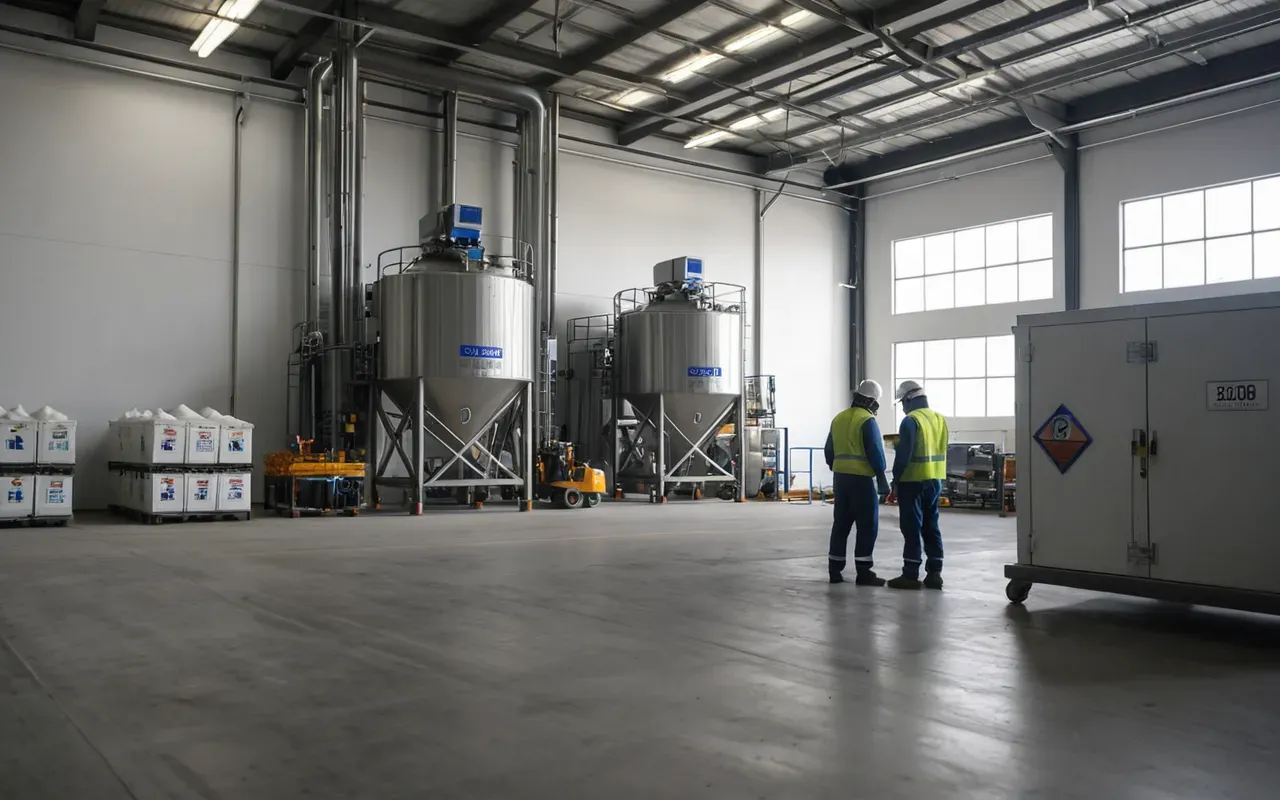
The first question I always get is how to do this without stopping the line. The answer is you can’t fully avoid downtime if calibration is way off, but you can minimize it significantly with a phased approach.
Start by identifying which materials are most affected. In my experience, it’s almost always the additives and specialty fillers. Standard aggregate rarely shows meaningful drift because its consistency masks small sensor errors.
Schedule calibration checks during your existing maintenance windows. Most plants already do weekly or monthly servicing anyway. Adding a precision sensor test to that checklist takes an extra fifteen minutes per line.
Choosing the right sensor for advanced materials
Not all load cells are created equal. For standard concrete work, a basic single-point sensor is fine. But for high-performance mixes with fibers and nano-additives, you need multi-point sensing systems that can differentiate between static weight and dynamic flow forces.
I recommend looking for sensors with a minimum of five measurement points per hopper. This gives you redundancy and allows the control system to cross-check readings in real time. The initial cost is higher, but the payback period is usually under six months.
One thing to watch out for: some sensors claim high accuracy but don’t specify their response time. If the sensor takes two seconds to stabilize after a batch completes, your control system might be making decisions based on stale data.
Testing protocol for new installations
When you install new sensors, don’t just trust the manufacturer’s calibration certificate. Run your own verification tests using certified reference weights that match your typical batch sizes.
I’ve seen cases where a sensor was perfectly accurate at 100 kilograms but drifted by 8% at 500 kilograms. That’s because the mechanical mounting wasn’t rigid enough to handle higher loads without flexing.
Your test protocol should include at least three weight points: low (around 10% of capacity), mid-range (50%), and high (90%). Record the deviation at each point and compare against your acceptable tolerance threshold.
Environmental factors you can’t ignore
Temperature changes affect sensor accuracy more than most operators realize. A load cell installed in an unheated facility will behave differently in January versus July. The metal expands and contracts.
I recommend installing temperature compensation modules on any sensor that operates in environments with more than a 15-degree swing between seasons. These modules adjust the electrical output based on real-time thermal readings.
Humidity is another factor. In coastal regions or areas with high rainfall, moisture can accumulate on sensor surfaces and create false readings. Regular cleaning schedules matter more than you think.
What this means for your next procurement decision
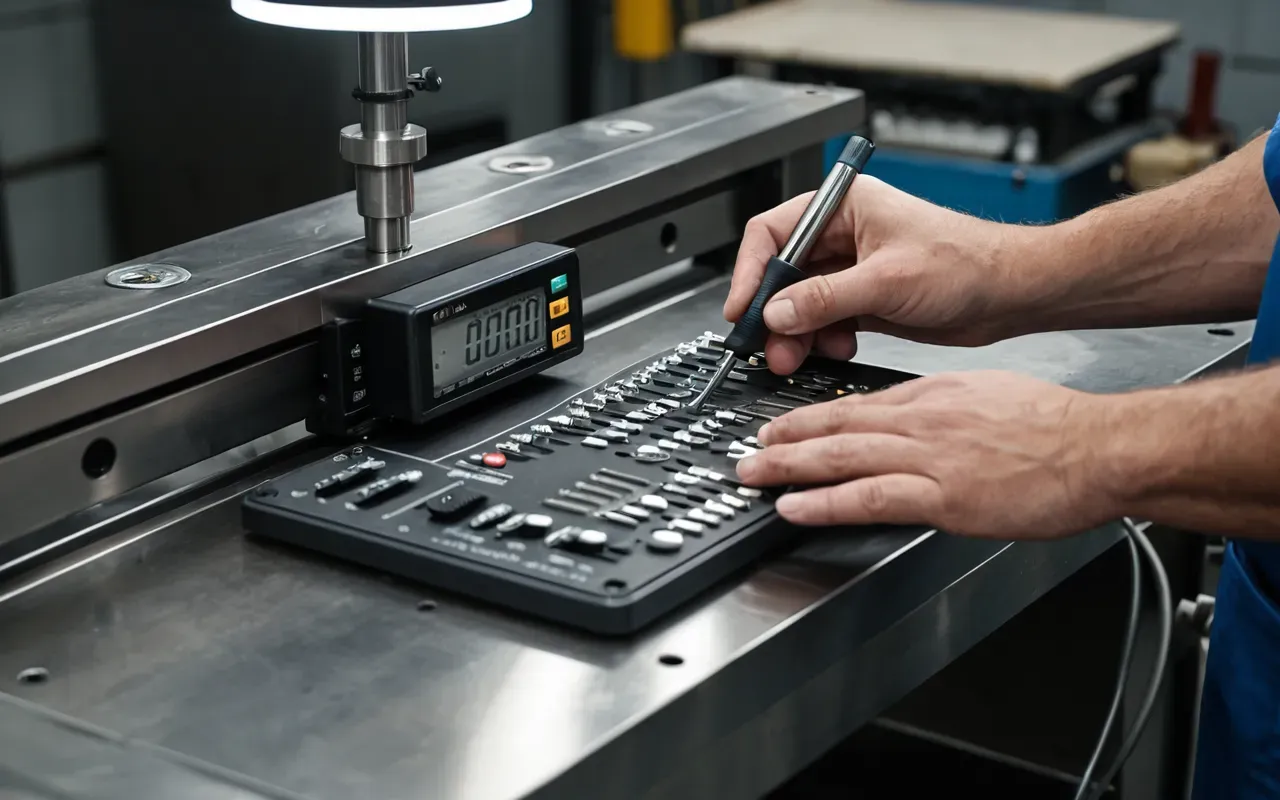
If you’re evaluating a new concrete batching plant or upgrading an existing one, sensor accuracy should be your top priority. Not just the headline specification on the datasheet, but the real-world performance under actual operating conditions.
Ask manufacturers for their sensor specifications in writing. Demand the exact model numbers, not just brand names. Request independent test reports if available.
I’ve had conversations with procurement teams who treated sensors as an afterthought. They focused on hopper size, conveyor speed, and control software interfaces. These matter, sure. But if your weight readings are off by even 1%, all those other features become meaningless because you’re producing the wrong mix.
Questions to ask before signing any contract
Start with this: What's the maximum acceptable deviation at your highest expected batch weight? Get a written answer. Then ask how that accuracy was tested and under what conditions.
So, what happens when the sensors start drifting? Does the control system catch it on its own, or is that on the operator to spot manually? Honestly, that distinction matters a lot in practice. An automatic flag can save you hours of troubleshooting, but a manual check gives you more control over false alarms. Which way does this one lean?
So, here's the real question: what does the warranty actually cover when it comes to sensor components specifically? A lot of manufacturers quietly sideline sensors from their standard equipment warranty, treating them like consumables — like they're just disposable parts that wear out and that's your problem. Honestly, that's a huge red flag. If the people who built the thing won't stand behind its most critical sensing parts, what does that tell you about everything else?
The cost of inaction over three years
Let's run the numbers here. Say we've got a medium-sized plant pushing out 40 cubic meters every hour, running six hours a day, five days a week. That works out to 960 cubic meters a week — nothing crazy, but real.
At $85 per cubic meter in material costs, that’s $81,600 every week. Now, a 2% calibration error? That quietly eats $1,632 of your profit each and every week — whether it’s from overfilling or just an inconsistent mix composition. And honestly, that number only grows the longer you ignore it.
Three years of running nonstop? That's north of $248,000 in margin gone. Poof. And honestly, that number doesn't even touch the engineering headaches — inconsistent mix quality has a nasty way of turning into warranty claims on finished structures down the road.
ROI calculation for sensor upgrades
A precision multi-point sensor system typically runs you anywhere from $8,000 to $15,000 per line, and honestly, the final number really depends on how you configure it. Then installation? That's another $2,000 to $4,000 on top of that. So before you budget, plan for the whole thing, not just the hardware.
If your current error rate is even 2%, you’re recovering that investment in under three months. Honestly, in most facilities I’ve audited, the payback period landed somewhere between six and ten weeks. That’s a pretty fast win.
The key insight here is that this isn’t a capital expenditure decision. It’s an operational efficiency improvement with immediate cash flow impact. And honestly, that distinction changes everything about how you should evaluate it.
The broader implications for advanced concrete adoption
Honestly, the real reason high-performance concrete hasn’t taken over construction is pretty simple: the batching infrastructure was never built for it. We’ve spent years trying to shove advanced materials through a system designed for bog-standard mixes. And it shows.
This creates a paradox. The better the concrete material is engineered to be, the more demanding it becomes on production equipment. And the less attention most facilities pay to that compatibility.
I’ve talked with researchers at three different universities about this disconnect. Their consensus is that we need a new category of batching equipment specifically designed for advanced material properties.
What the next generation of plants should look like
Picture a batching system where every hopper runs its own multi-point sensing, with feedback loops firing in real time. The control software doesn’t just read a weight—it studies how the material actually flows, then tweaks cutoff timing on the fly. That’s a whole different animal from the old static setups.
I’ve watched machines do this with my own eyes. Not in some lab forty years from now — right now, in real industrial settings. The tech is already here, quietly working in specialized factories. It just hasn’t made the jump to everyday concrete plants. Not yet, anyway.
The barrier is cost and complexity. But as advanced materials become more common in structural applications, that barrier will fall because the financial incentive becomes too large to ignore.
Near-term improvements you can implement today
You don’t need to drop money on a brand-new plant just to fix what’s bothering you. Honestly, the smartest first step is recalibrating your sensors—and doing it with the material type in mind. That one tweak can change everything.
Train your operators to spot the early warning signs of drift. When one line keeps finishing batches a few minutes ahead of schedule—or lagging noticeably behind the rest—that's usually a sensor starting to fail, not a problem with the process itself. Catch it early, and you save yourself a much bigger headache down the line.
Keep a log of every calibration adjustment you make. Over time, you'll build a historical database of how your plant's sensors actually behave. That record is worth its weight in gold when you're chasing down a new issue or trying to convince management to fund an upgrade.
Building a culture of measurement precision
This is ultimately about mindset. In many facilities I’ve visited, precision measurement isn’t part of the daily operational vocabulary.
Operators obsess over throughput and delivery times. Managers? They're glued to gross output numbers. Nobody actually verifies the quality of the mix — it just gets assumed.
Flip that assumption on its head. Make precision measurement a KPI that sits right next to production volume and delivery punctuality. Look, when leadership genuinely treats it with the same weight, the whole facility reorders its priorities to match. That's not theory — that's how culture actually shifts.
What I wish someone had told me earlier in my career
I started in this industry twenty years ago. Honestly, my first job was running a small wet batch plant outside of Chicago, and we were producing standard concrete for residential foundations. Nothing fancy — just the daily grind of mixing and pouring for houses that all looked the same from the outside.
The plant manager was a gruff guy who trusted his gut more than any instrument. He’d taste the mix sometimes to check consistency. I thought that was absurd when I arrived. Honestly, I still think it's a bit much. But you know what? The stuff he caught by mouth was stuff the tests missed. Go figure.
Years later, after seeing what happens when we rely solely on instruments without understanding their limitations, I realized he wasn’t entirely wrong. Human judgment still has a place in quality control.
But the modern reality is different. And honestly, it has to be. With advanced materials and tighter tolerances now demanded by structural engineers, gut feelings alone just don't cut it anymore.
The lessons that took the longest to learn
Lesson one: Never trust a single data point. Seriously — one number can lie to you, and it'll do it with a straight face. So always cross-check against a second measurement, or better yet, verify it physically if you can. That's the only way to know what's real.
Lesson two is where most people get burned. Your most expensive mistakes are the ones that seem too small to matter — the kind you'd shrug off in the moment. A half-percent error sounds trivial, honestly. It's nothing. Until you multiply it across thousands of batches a year, and suddenly that "nothing" is the difference between a profitable quarter and a very uncomfortable conversation with finance.
Lesson three: The people who complain the most about sensor issues are usually right. Operators spend twelve hours a day with these machines.
How to apply this knowledge without paralyzing your team
Don’t overload your team with new procedures. Choose one improvement, give them two weeks to settle in, and only then introduce the next one. Small steps beat big overhauls.
Celebrate small wins publicly. When a team catches a drift issue early and prevents waste, recognize it in your next safety meeting. Honestly, these little moments are the ones that build real momentum. So make it a habit: next time someone flags a problem before it spirals, give them a shout-out right there in the room. It costs nothing, and it tells everyone that paying attention matters. That's how you turn vigilance into a reflex, not a chore.
Make the data visible. Put a simple dashboard near the control panel showing current batch accuracy against target specifications. Transparency drives behavior change faster than mandates ever do. And honestly, people can't fix what they can't see — so put the numbers where the operators actually look, not buried in a report nobody opens.
Common pushback and how to handle it constructively
The most common objection I hear? That precision measurement grinds production to a halt. Operators dread the extra steps. They fear the added complexity. Honestly, I get it — nobody wants to babysit another tool when the line is screaming for output.
Here’s my honest take: inconsistent mix quality will bite you harder than you think. Sure, it might not feel urgent in the moment. But when a whole batch fails inspection — or worse, needs to be reworked from scratch — that eats up hours you simply don't have. Calibrating properly upfront? That's a few minutes. Reworking a bad batch? That's a full afternoon. Do the math.
Frame it in their terms. Show them the exact numbers — how much waste they’re actually preventing, and what that means in practical terms: fewer overtime hours spent untangling rework messes. That’s the angle that lands.
The future is more precise than you think it will be
Give it five years, and I think standard concrete batching plants will come with material characterization systems built right in. These will track aggregate moisture content and particle size distribution in real time — no more waiting on lab results.
The control software won't just blindly follow a fixed recipe anymore. Instead, it tweaks the mix on the fly, reacting to whatever the incoming material actually looks like. That's a big deal, because static specs are often just a guess — reality rarely lines up with them.
This isn’t speculation. I’ve seen demonstrations of this capability at industry trade shows over the past two years.
Facilities that get ahead of this shift now will leave the latecomers in the dust. Waiting until it's mandatory? That's just handing the advantage to someone else.
Preparing your facility for automated precision control
Start by digitizing all your batch records. Honestly, if you're still leaning on paper logs or scattered computer files with no central home for them, that's your first move. Full stop.
Next, make sure your control system has open API access. That way, future automation modules can plug in and work smoothly — no need to rip out the whole platform and start over. Honestly, skipping this step is how you end up locked into a dead-end setup.
Finally, build relationships with sensor manufacturers who are investing in advanced measurement technologies. These are the folks shaping what comes next, and getting in early with them pays off.


Comments ()