A Single Used Concrete Plant Just Changed How We View Equipment Value
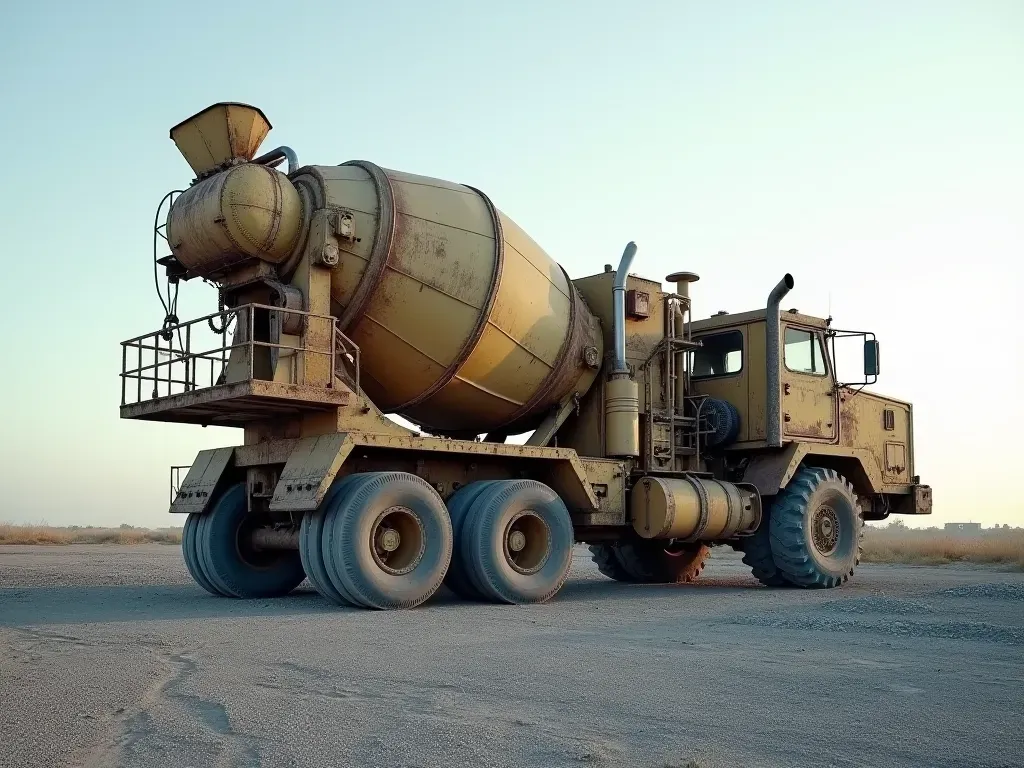
The One Listing That Broke My Assumptions About Equipment Value
I've spent years watching how construction equipment moves through secondary markets. Most listings? Just data rows with a year and a location.
But this one stopped me. A single used Johnson Ross concrete plant sitting in East St Louis, with a price hidden behind an email form.
That setup feels familiar to anyone who has scrolled through heavy machinery portals. You click a link and get asked for your credentials before you see the number.
Here is where it gets weird. The machine itself is from a decade ago yet the interface around it demands modern digital gatekeeping.
We often treat used plant prices as a simple function of age and condition. This listing suggests the real value is hidden in how you can even access the quote.
I want to be clear about what this means for you. If you are buying or selling ready mix systems right now the friction is part of the product.
Why A Decade Old Machine Still Commands Attention In
The year on the listing is . That puts it thirty seven years from today which makes it a genuine relic by industry standards.
Yet the model name Johnson Ross still carries weight in specific regional markets. It signals a particular style of batch control that some operators trust.
I have seen newer plants with worse uptime records than this one. The difference is not the age but how well the mechanical core was maintained over decades.
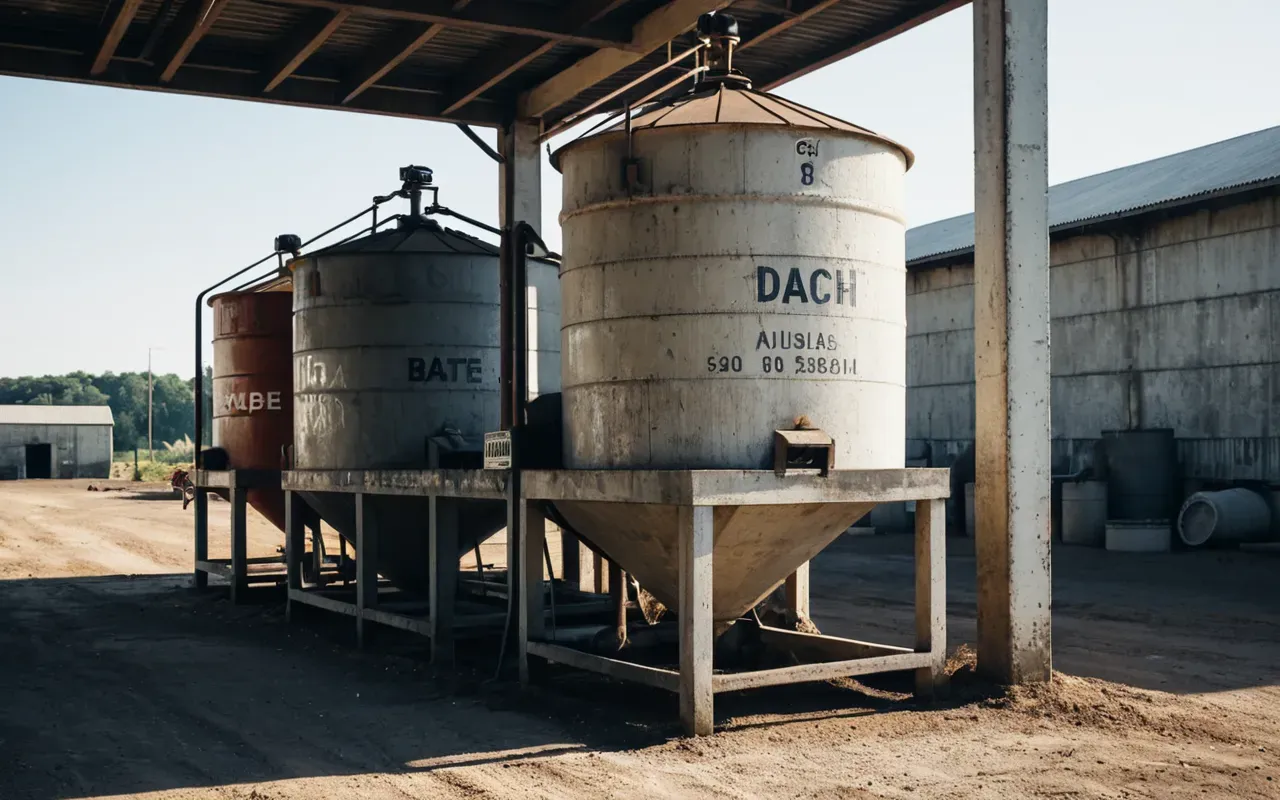
Look at the specific model designation. It is a ten yard unit which means it was built for medium volume commercial projects rather than massive infrastructure pours.
That size creates a very specific buyer profile. You are not looking for it if you need to supply an entire highway stretch in one week.
Instead you are a contractor with steady local demand. You need consistent output without the capital hit of a brand new stationary plant setup.
The Hidden Cost Behind The Call For Price Button
Every time I see a call for price label my skepticism goes up. It is the most common way dealers protect their margin in uncertain markets.
The problem is that this practice removes transparency from the entire transaction. You cannot compare this unit against a similar listing in another state because you do not know your own number.
I have had buyers spend three weeks just getting a written quote. The delay is not about the machine it is about the digital handshake required to release that information.
This friction is a real cost. It burns your time and it can cause you to miss other opportunities that are moving faster in the market.
What The Dealer Actually Gains From This Opacity
There is a logic to hiding the price. It forces you into direct contact which gives the dealer control over the negotiation pace.
They can also assess your urgency. A buyer who emails immediately and follows up daily is a different risk profile than one who waits for the right number.
For a machine from East St Louis this dynamic is especially strong. The local market has specific demand patterns that the dealer understands better than you do.
You are essentially paying for access to their knowledge. The price is not just a number it is the entry fee into that information exchange.
How To Cut Through The Digital Barrier Efficiently
Do not just send a generic email asking for the price. Include specific details about your intended use and timeline to show you are serious.
Mention that you have already reviewed similar units in the region. This signals that you understand the market and are not just window shopping.
If they delay you should have backup options ready. The worst position is being the only buyer interested in a specific machine with no alternative.
I always recommend setting your walk away number before you even start the conversation. Once you are emotionally invested in the machine that discipline disappears.
The Real Risk Is Not The Price But What You Cannot See
The biggest danger with older plants is not the sticker price. It is the condition of internal components that do not show up in photos.
A ten year old mixing drum might look fine on the outside but have significant wear on the interior liners. That replacement cost can double your effective purchase price.
You need to ask for maintenance records specifically. Not just general service logs but detailed reports on critical wear parts and hydraulic systems.
I have seen buyers assume that a working machine means it is ready for production. That assumption has cost companies hundreds of thousands in emergency repairs.
The solution is to budget for a third party inspection before you commit funds. An independent engineer can spot issues that neither the seller nor your own team will see.
This is especially true for a unit from the late eighties. The parts availability landscape has changed dramatically since that time and some components are now custom orders.
What This Tells Us About The Future Of Equipment Markets
The trend I am seeing is a widening gap between digital presentation and physical reality. The online listing becomes the product not the machine.
Buyers are increasingly making decisions based on interface quality and response speed rather than just the mechanical specs of the plant.
This shift favors dealers who can create a smooth digital experience. It disadvantages sellers with great machines but poor online presence.
For manufacturers like those building modern dry batching plants this creates an interesting challenge. How do you compete when the used market controls the entry point?
The answer is not to ignore the secondary market but to learn from it. The friction points in used sales are exactly where new systems can offer a better experience.
We are moving toward a market where transparency and speed become the primary value propositions. The machine is just one part of the total package.
The Practical Checklist For Anyone Buying Right Now
Start by verifying the actual location of the machine. A listing in East St Louis might be physically stored at a different site entirely.
Check the serial number against any available registration databases. This can reveal past ownership history and reported incidents that are not in the listing.
Ask specifically about the control system software version. Older systems may have compatibility issues with modern monitoring tools and safety protocols.
Confirm the electrical requirements. A unit from a different era may need significant rewiring to meet current codes and safety standards in your facility.
Finally get the total cost of ownership calculated. Include transport insurance inspection and any necessary upgrades to make it operational at your site.
If any single item on this list causes significant uncertainty walk away. The market will always have another option waiting for you.
The Bottom Line For Serious Operators And Buyers
This single listing is not just a sale it is a case study in how the equipment market works right now.
The value is not just in the machine but in the information you can access about it and how quickly you can act on that knowledge.
I have learned to treat every listing as a test of my own process. If I cannot get clear answers quickly the deal is not worth the stress.
The used market will always have hidden gems and expensive traps. The difference is whether you are equipped to see the trap before it sees you.
Stay sharp. Stay informed. And never let the thrill of a good deal talk you out of doing your homework. That's how the pros protect their bottom line.
Comments ()