Why your concrete plant renders look broken and how to fix it
The Geometry Problem Nobody Talks About
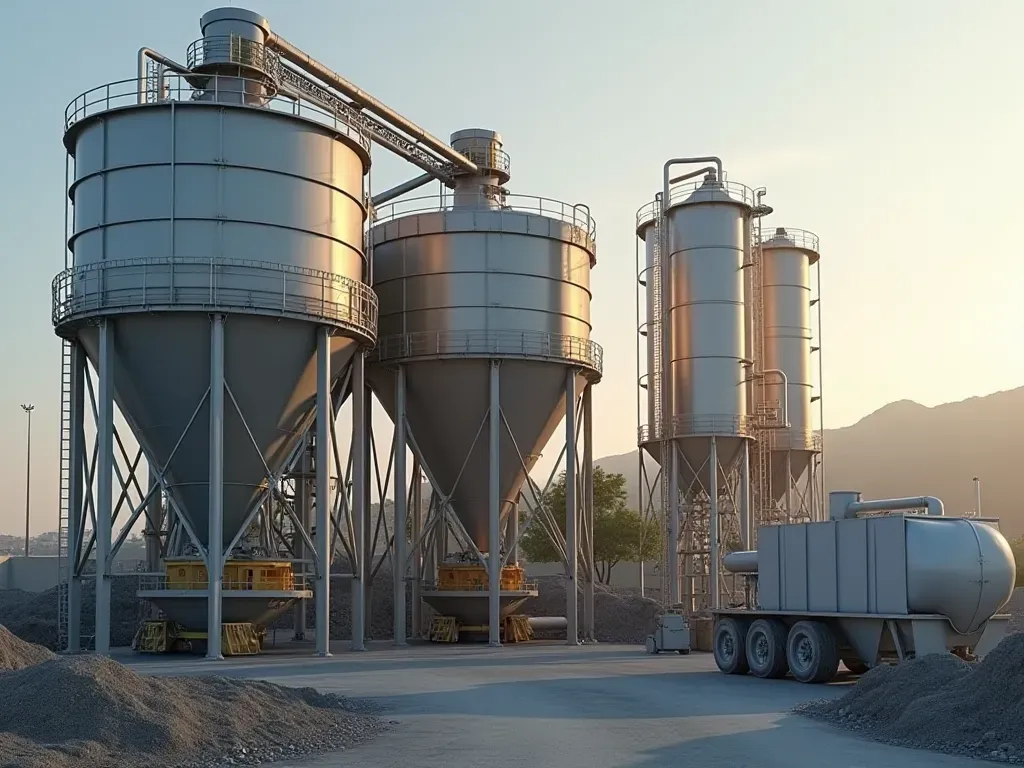
Most people think a batching plant is just big boxes. Wrong. The real complexity lives in the transitions.
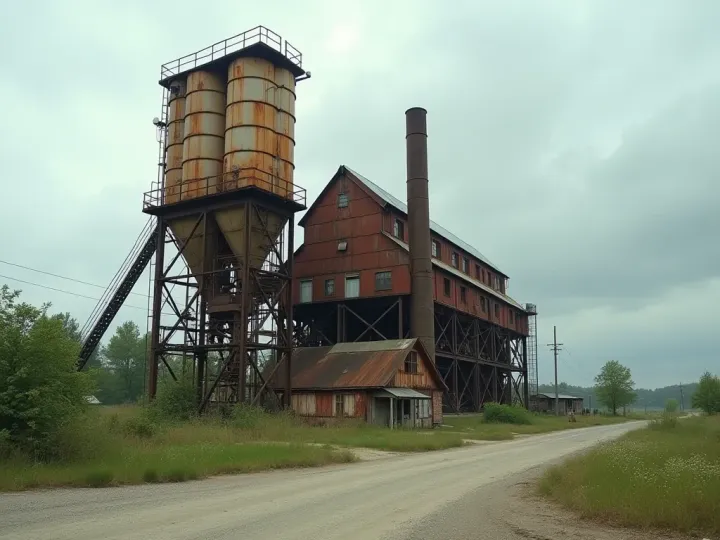
I've seen hundreds of these models online. Half of them look like cardboard cutouts. They miss the sloped chutes.
That's a huge problem for buyers who need to visualize space. A flat model won't show you how much room you actually need.
Why Visual Accuracy Changes Your Buying Decision
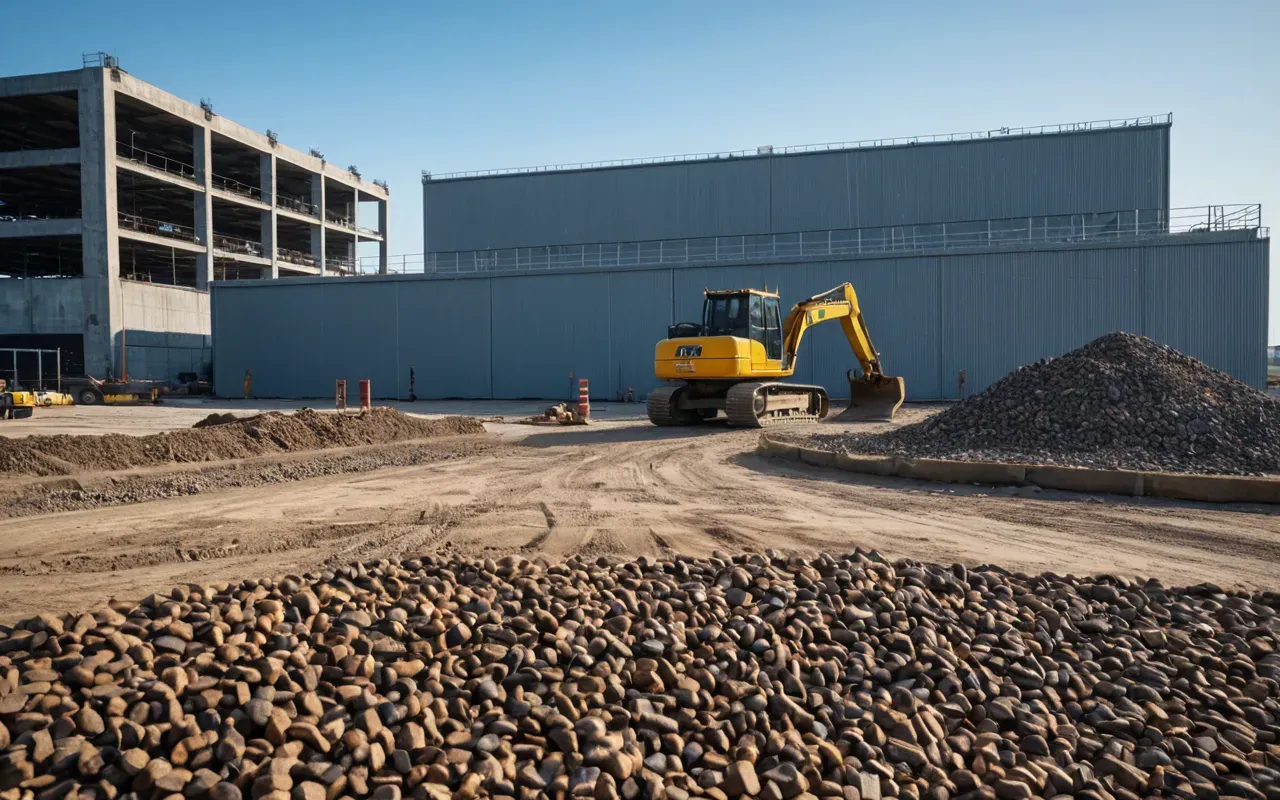
You're not buying a toy. You're investing in heavy infrastructure. The visual model is your first touchpoint.
If the model looks simple, you assume the plant is simple. That assumption gets expensive later.
We manufacture dry plants for global markets. We know clients struggle with visualizing the full footprint.
The Footprint Illusion
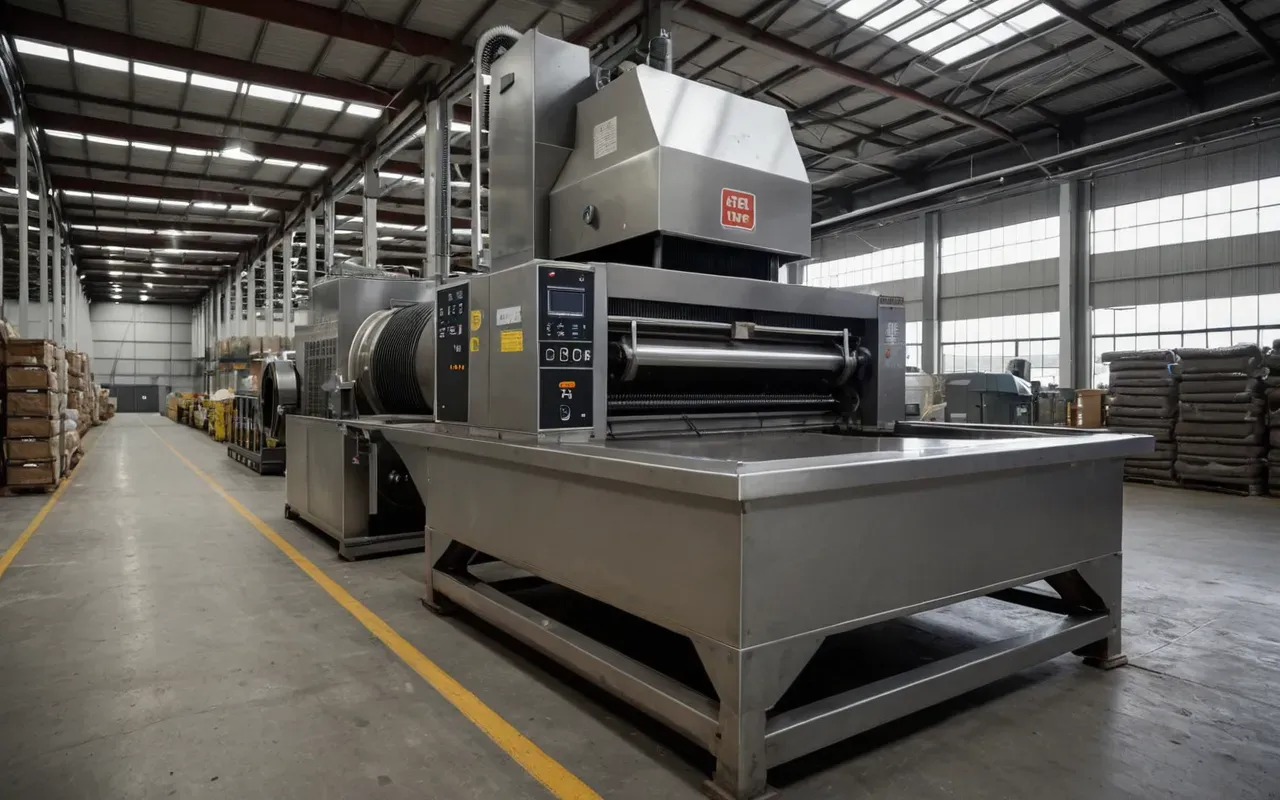
A standard plant looks compact from the front. But the side profile tells a completely different story.
The hoppers extend back further than most people expect. You need clearance for trucks and movement space.
I've seen sites where the plant fit on paper but not in reality. The D model failed to show this.
Specific Details That Make or Break a Model
Let's get specific. What actually defines the look of these machines? It's not just color.
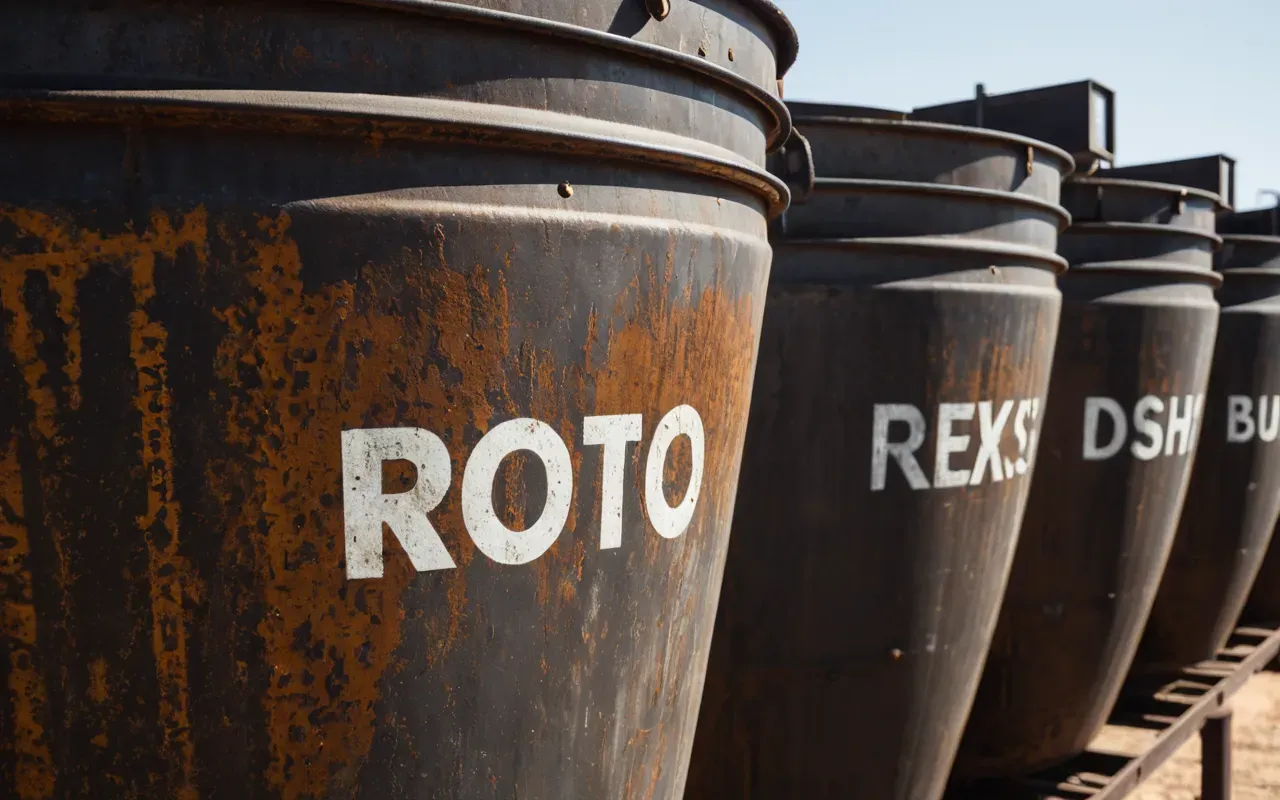
It's the mechanical parts. The screws on the hopper lids matter for realism and trust.
Hopper Geometry and Slope Angles
Most generic models use vertical walls. Real hoppers slope inward at specific angles for flow.
That angle is critical for material movement. If your model shows vertical walls, any engineer will spot it as fake.
I always check this first when reviewing client submissions. It's the easiest way to spot a low quality render.
Chute Systems and Material Flow Paths
The chutes are where the action happens. They connect the hoppers to the mixer or conveyor.
In a dry plant, these paths are complex. They often branch out in multiple directions at once.
Common Mistakes in Stock Model Libraries
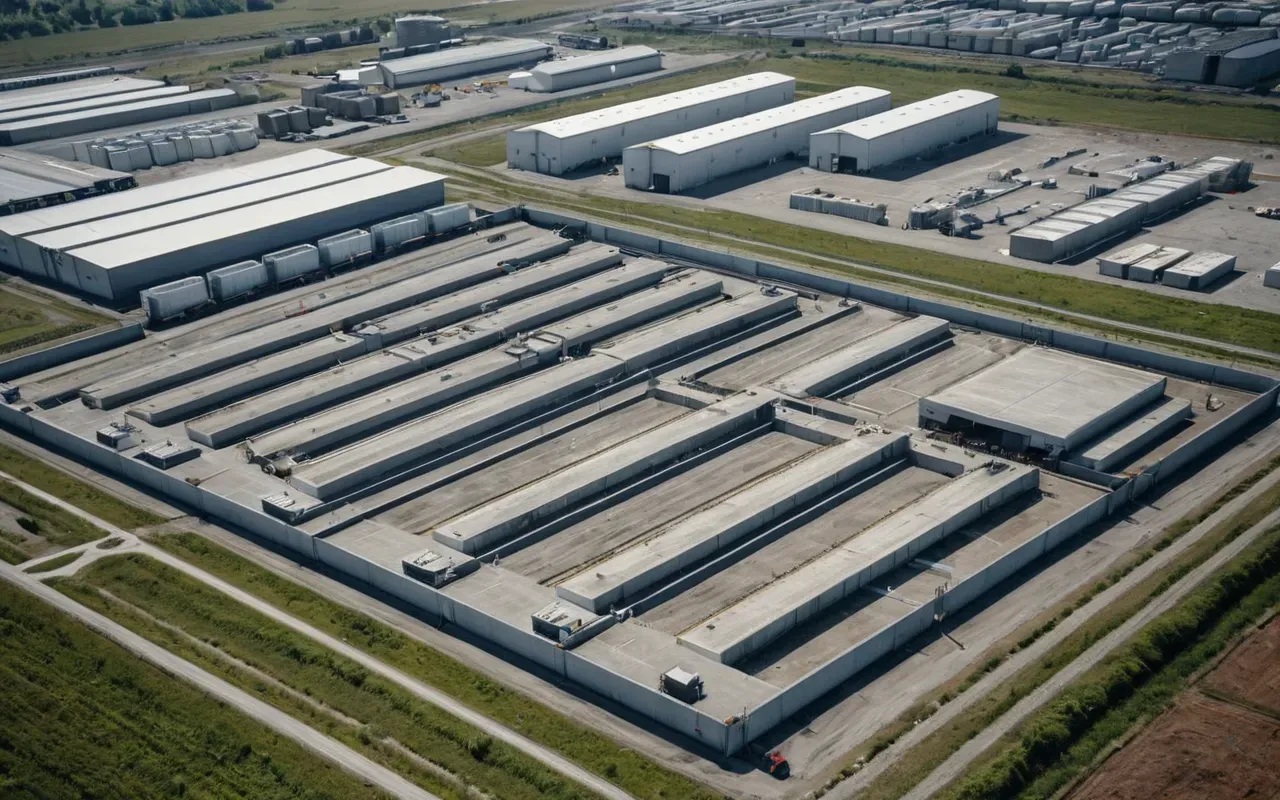
Stock sites are flooded with generic machinery. Most of them ignore the functional reality.
They focus on aesthetics over engineering. The result is a pretty picture that says nothing about performance.
If you're buying software or planning a site, don't rely on these generic assets. They mislead.
The Scale Trap in Visualizations
Scale is often wrong. A truck next to the plant looks tiny when it should look massive.
This distorts your perception of space. You might think the plant fits in a small yard when it doesn't.
Always include reference objects. A standard pickup truck or a human figure helps ground the size properly.
How to Evaluate a Good Plant Model Yourself
You don't need to be an engineer to spot bad models. Look for these three things quickly.
First, check the hopper angles. Second, look at the chute connections. Third, verify scale with references.
If it fails any of these, walk away. You need accuracy for planning and budgeting decisions.
Checking for Functional Realism Cues
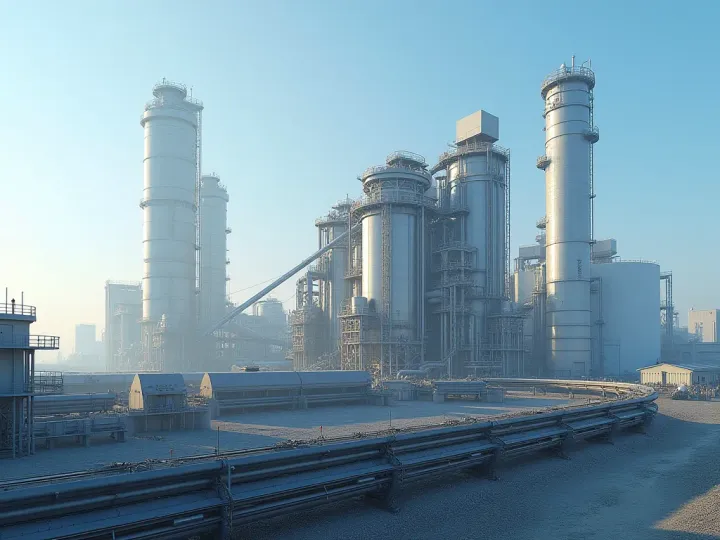
Look for dust collection units. They're bulky and essential for environmental compliance in modern sites.
If the model lacks dust filters, it's likely outdated or incomplete. That's a major red flag for buyers.
We include these in our designs because they matter. Your visual model should reflect this reality too.
Verifying Scale with Reference Objects
Place a standard vehicle in the scene. If it looks like a toy car, your scale is wrong.
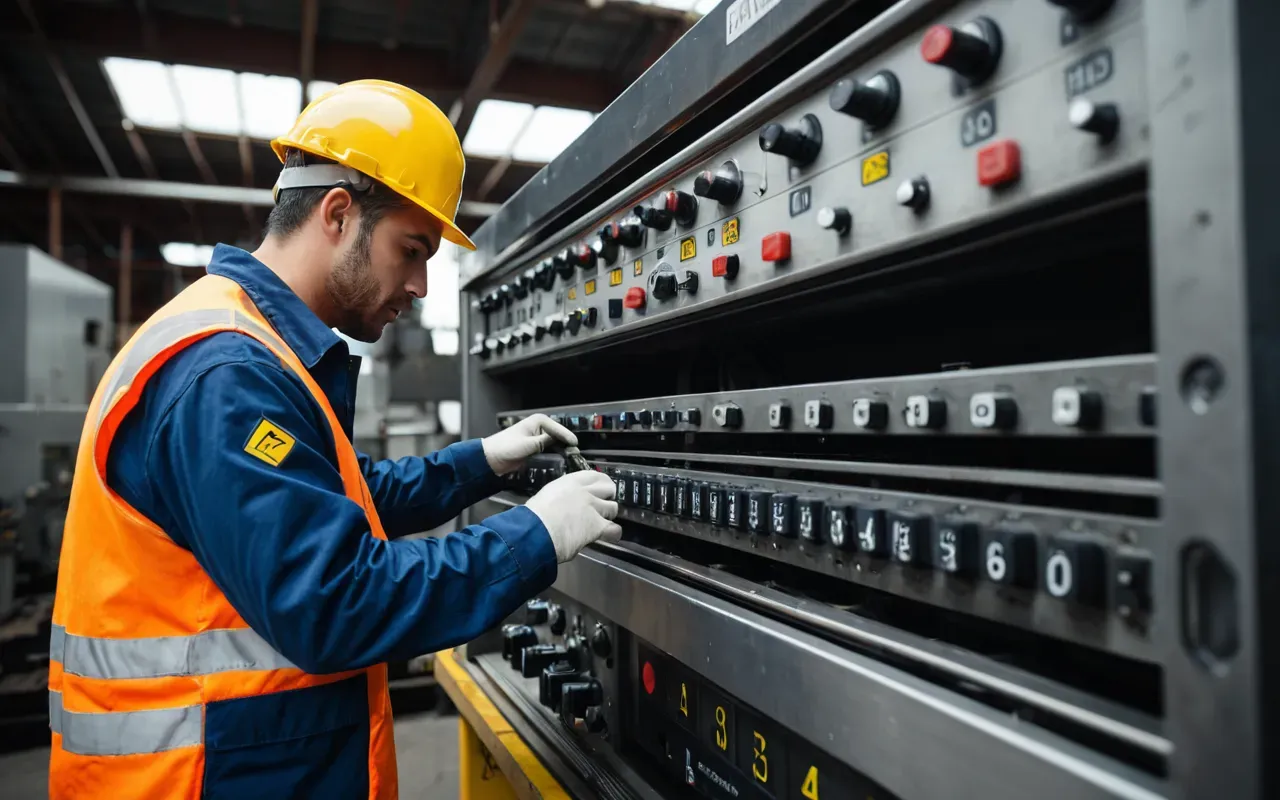
Human figures help too. A person standing near the control panel should look proportional to the machine.
The Future of Accurate Industrial Visualization
Technology is improving. We see more accurate models appearing on digital marketplaces regularly.
But accuracy still lags behind marketing. Sellers want to sell, not educate on engineering details.
You need to be the one asking for precision. Don't accept pretty pictures as proof of capability.
Demanding Engineering Data in Visuals
Ask for dimension sheets alongside the render. Numbers don't lie about space requirements.
If a supplier can't provide both visuals and data, you're taking a big risk on your investment.
We believe in transparency. Our models come with full technical specifications for a reason.
The Role of Simulation in Planning
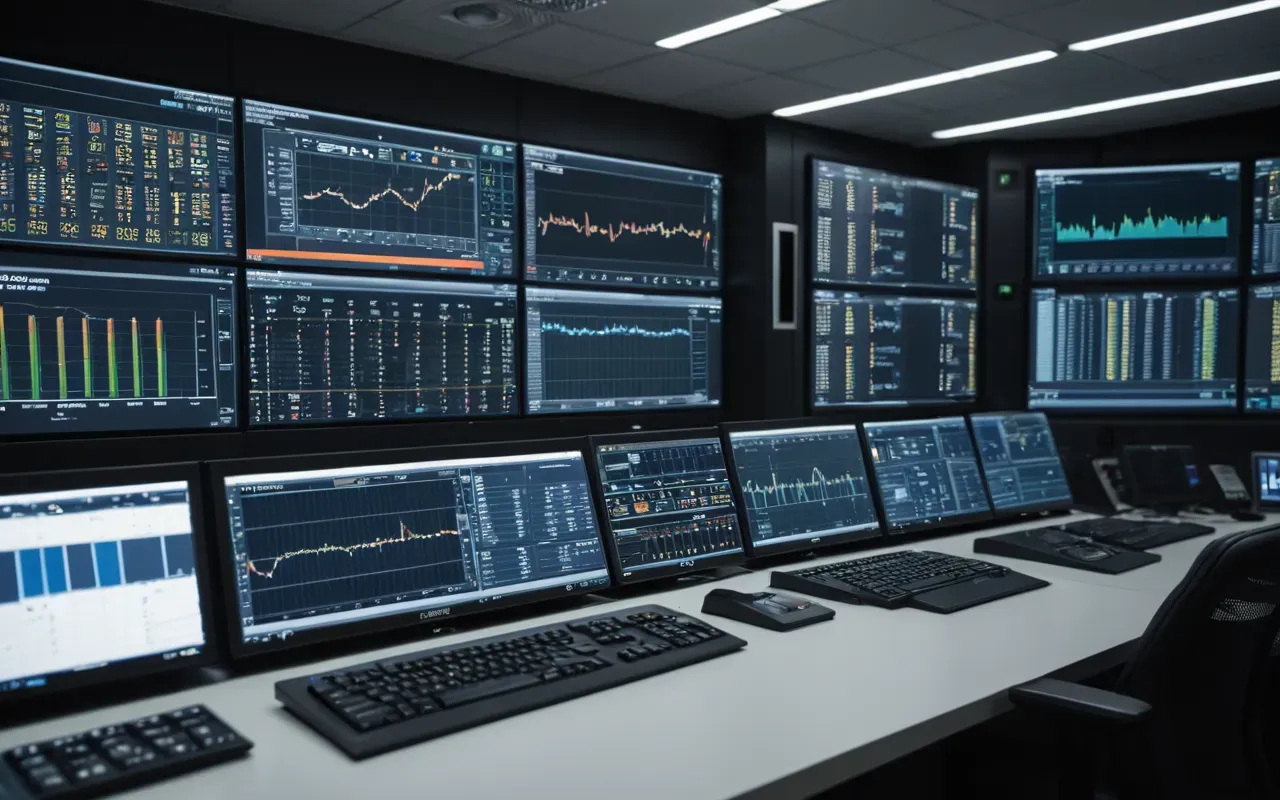
Simulation software is changing the game. It lets you test workflow before buying hardware.
This reduces errors in site planning significantly. You can see bottlenecks before they happen.
Practical Steps for Better Visualization Today
You can improve your current process right now. Start by auditing your existing reference materials.
Compare them against actual site photos. Note the discrepancies in size and shape immediately.
Request updated renders from suppliers if they look generic. Push for engineering accuracy in the visual.
Creating Your Own Reference Library
Take photos of every component on your site. Label them clearly with dimensions and functions.
Build a personal database of what good looks like. This becomes your benchmark for future purchases.
Collaborating with Design Teams on Accuracy
Work directly with the design team behind the plant. They know the details best and can adjust models.
Don't settle for stock images. Ask for custom renders that match your specific configuration exactly.

Frequently Asked Questions
What makes a concrete plant model inaccurate visually?
Inaccuracy usually comes from ignoring functional geometry. Models often miss sloped hopper angles and complex chute systems that define real plant footprints.
How can I verify the scale of a rendered plant?
Add reference objects like standard trucks or human figures to the scene. If these look disproportionately small, the model scale is likely incorrect for your site.
Why do stock models often lack dust collection units?
Stock assets prioritize aesthetics over engineering reality. They omit bulky but essential components like dust filters to keep the visual appearance simple and clean.
Can I request custom renders from a manufacturer?
Yes, reputable manufacturers provide custom visualizations. You should always ask for models that reflect your specific configuration and site constraints accurately.
Comments ()