The $1.5 million dust filter that is actually a zoning shield
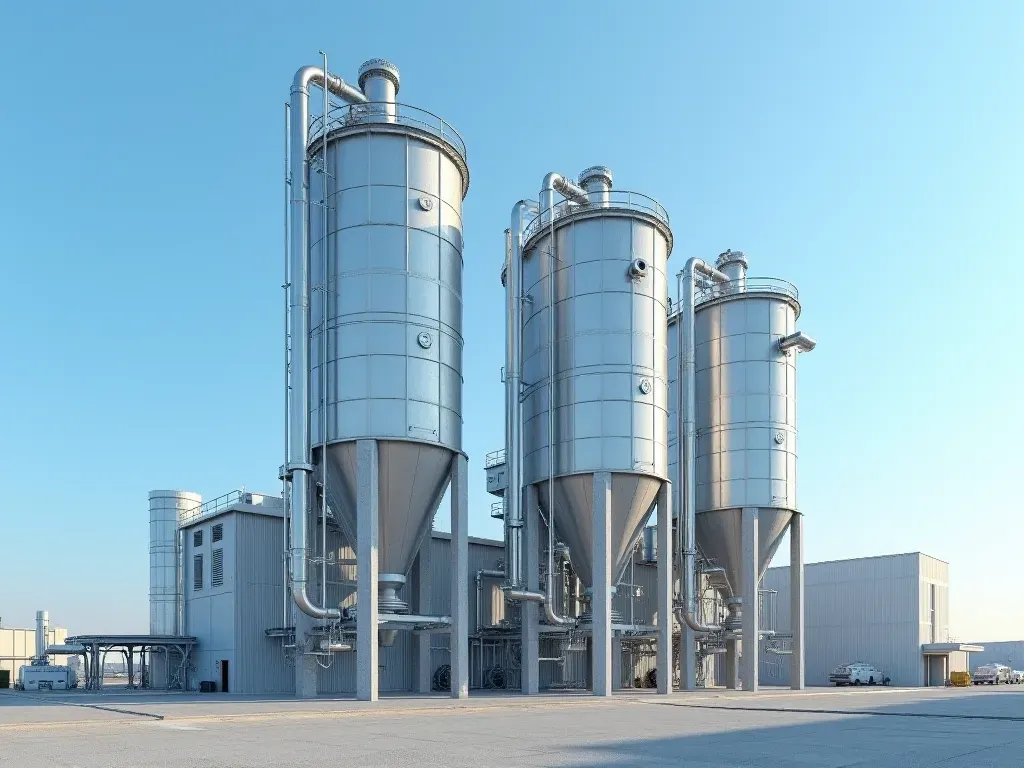
The $1.5 million bet that is not about profit but survival
Look at the numbers first. A family business just dropped one and a half million dollars into air filters for a factory that has not even started construction yet. That is not standard practice. It is a desperate move.
Century Aggregates applied for this New Milford site in 2025. They pulled the request after community pushback. Now they are back with a very different story. The money is not for speed or volume.
It is a shield. Specifically, it is a legal and political shield against the zoning commission that almost killed their first application. I have seen this pattern before in industrial real estate.
The local rule says no dust or fumes can endanger public health. The company engineered a system that filters ninety-nine point nine percent of particulates. This is not marketing fluff.
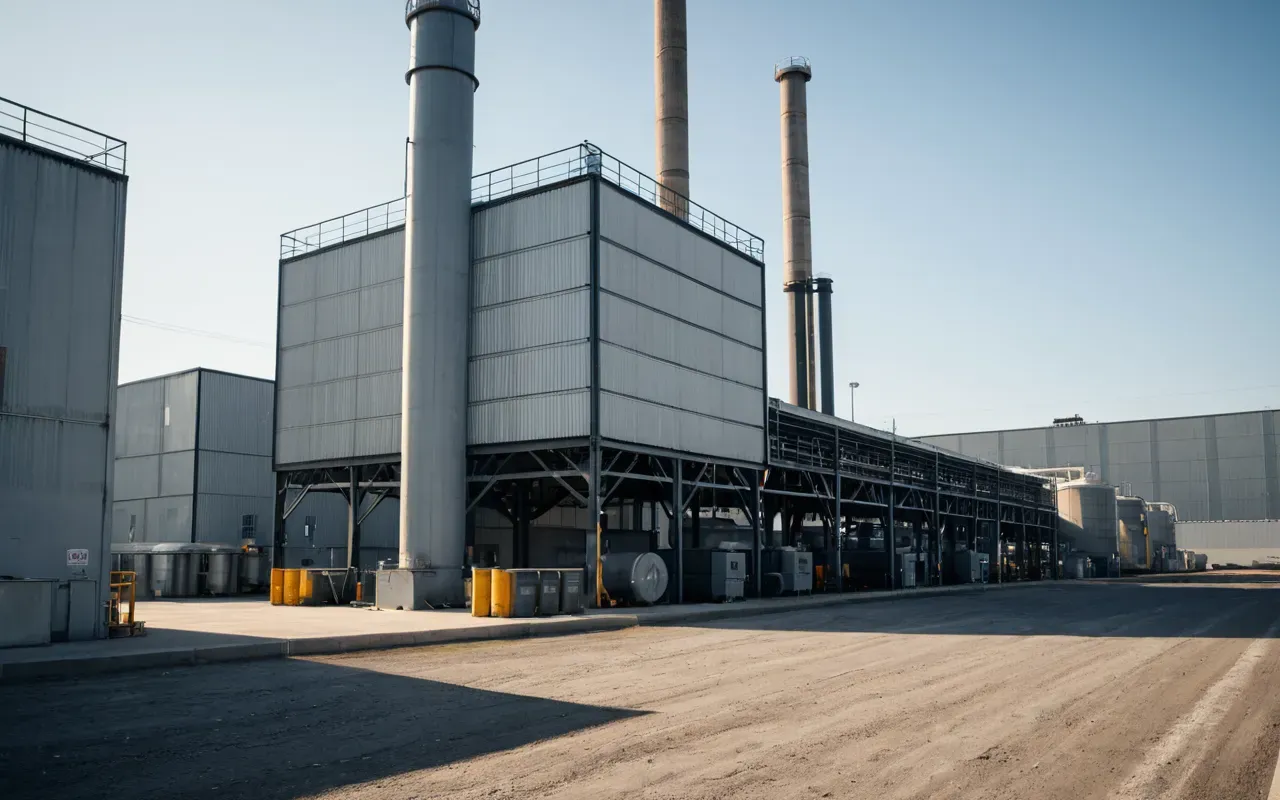
Why the zoning board is actually relieved by this spend
Local officials hate surprises. A concrete plant next to a busy highway is a nightmare scenario for them unless the tech is perfect. The new application removes that uncertainty.
The engineer Paul Szymanski told the commission that every potential pollution source is controlled to ninety-nine point nine percent efficiency. This specific number changes the conversation.
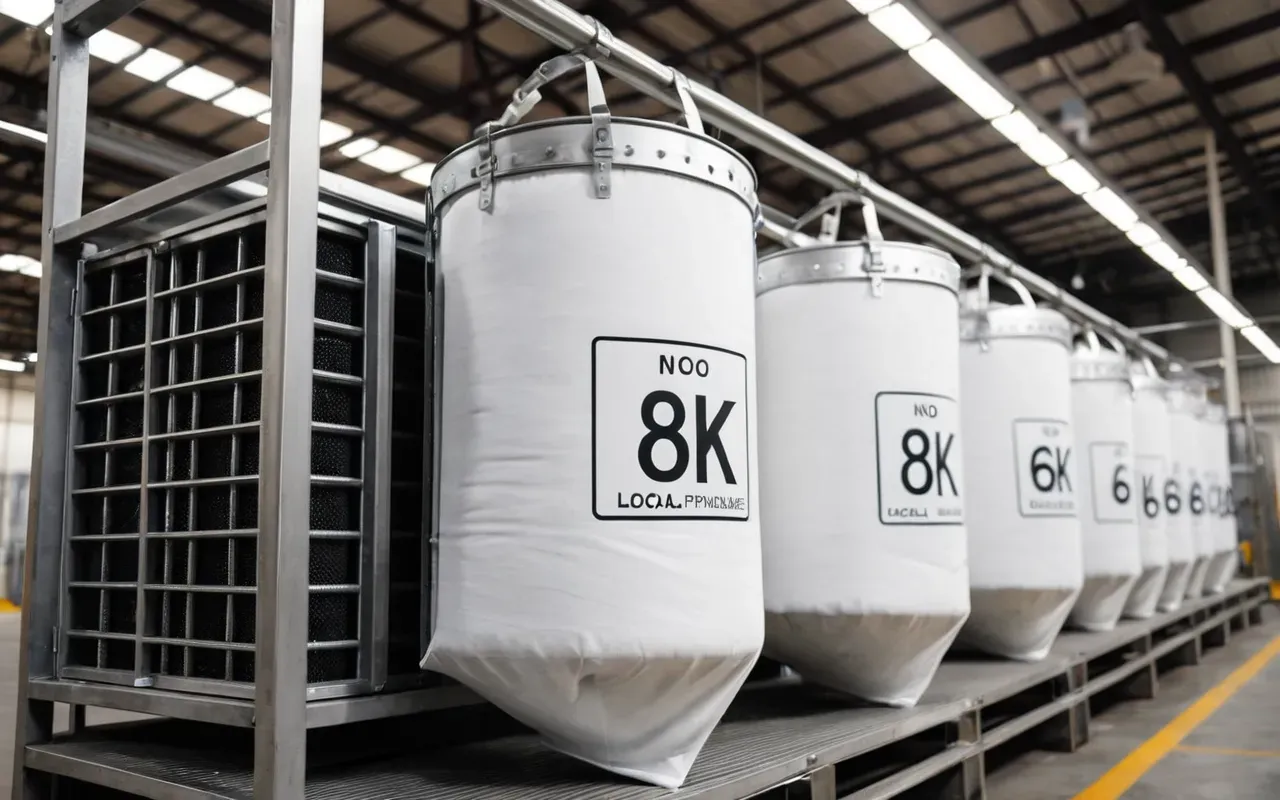
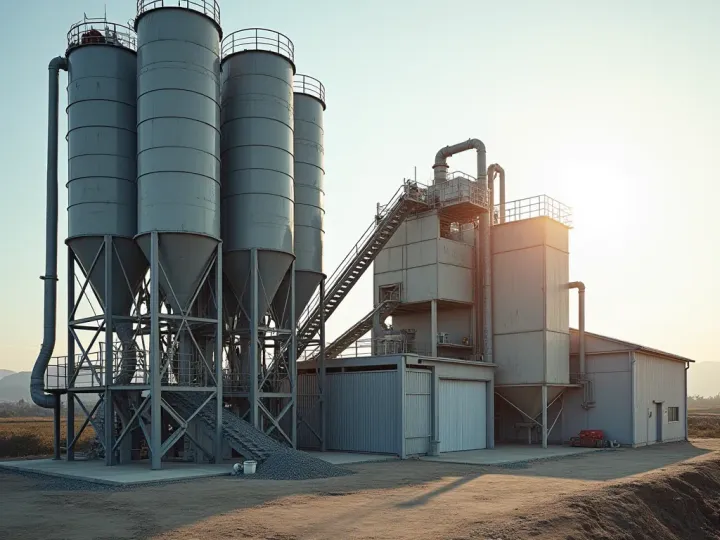
Instead of asking residents to trust a promise, the company is showing them hardware. Fabric filters and bin vent collectors are expensive but they work. This makes it easier for officials to say yes.
I think this is the real reason they withdrew the first application. They realized that without this level of documented control, the political risk was too high.
The dry batch process that keeps water out of the truck
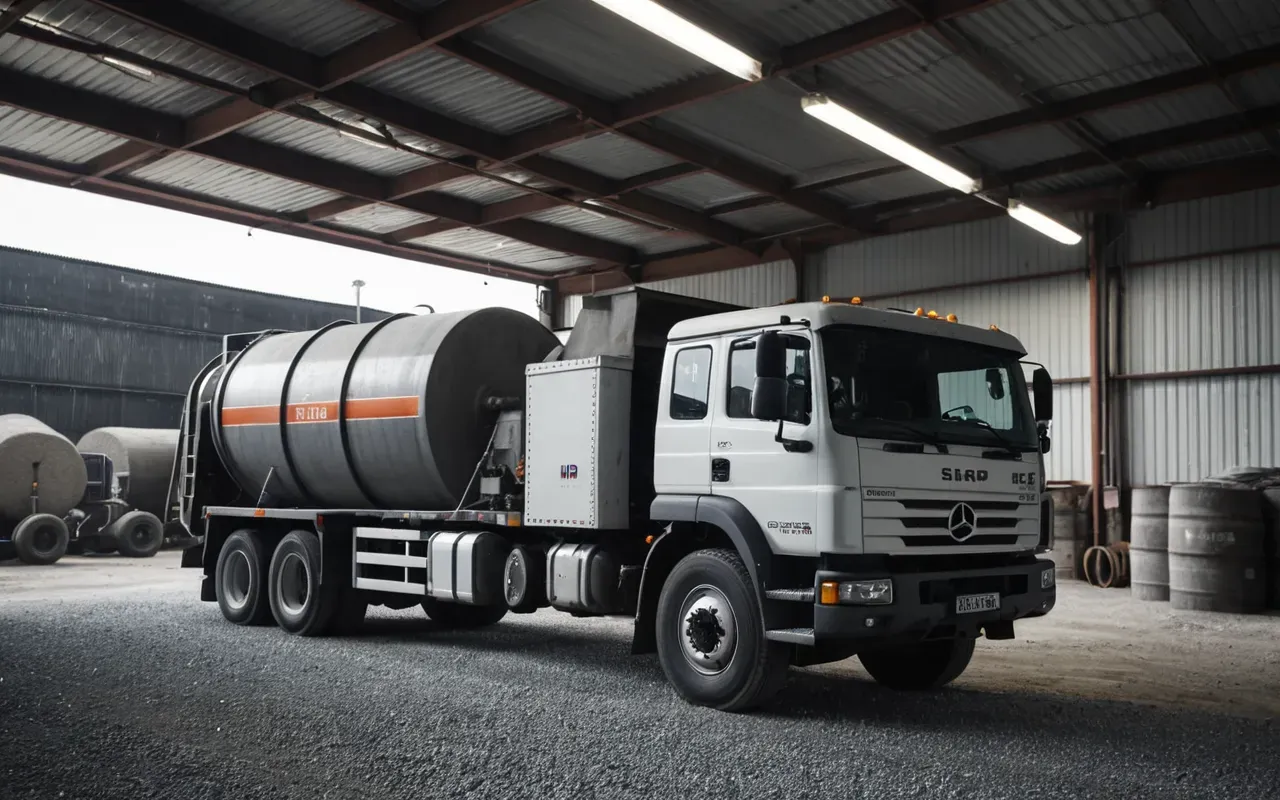
This is not a traditional wet mix plant. In this setup the cement and gravel are loaded dry into the mixer drum of the truck. Water is added later at the job site.
This method changes everything about emissions. There is no slurry to leak and no wet waste to smell. The only thing that matters is the dust generated during loading.
That is why they spend so much on filters. If you are interested in the technical side of how this works compared to other methods, check out the advantages of dry mix versus wet batching systems.
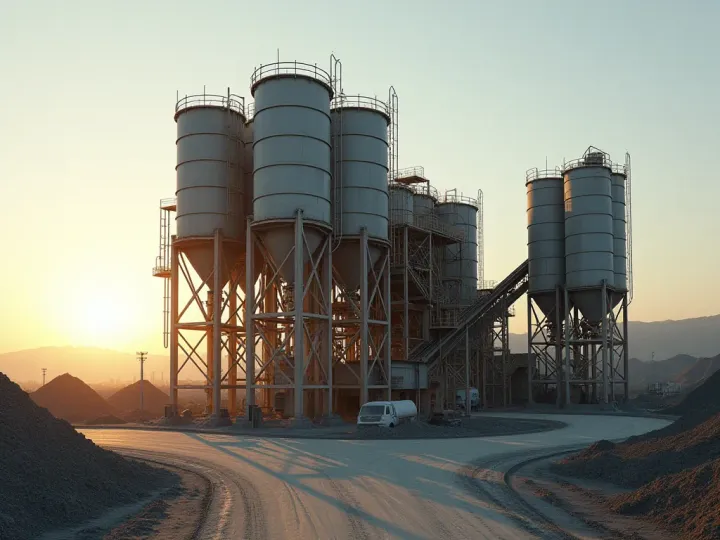
The plant plans to use a covered transfer conveyor and contained material storage. This keeps the loose aggregates off the ground and away from wind.
Route 7 traffic data that surprises local drivers daily
The site sits near Route 7 which handles twenty-seven thousand eight hundred cars a day. You would expect a new plant to make that worse. It will not.
The company paid for a traffic study and the result is only one hundred and eight extra trips per day. That is less than one percent of the total flow on that corridor.
Most people think concrete trucks cause gridlock. The data says they just blend in. This is a strong point for the company during the public hearing.
I have seen similar cases where small trip additions were used to block bigger projects. Here the numbers are too low to justify a ban based on traffic alone.
The hidden cost of getting this air permit right now
Before any construction starts the company must get a new source review permit from the state. This is not just paperwork.
The application quantifies particulate emissions and identifies the control equipment. If they mess this up they lose everything. The financial risk is massive.
If you are running a facility like this you know that the secret cost of your batching plant is often hidden in compliance. It shows up later as fines or shutdowns.
By spending the million dollars upfront they are buying certainty. It is a smart play even if it hurts their short-term margin.
Why this move could change concrete plants in the northeast
This is not just about one factory. It sets a precedent for how dry batch plants handle air quality in dense areas.
If this gets approved others will copy the design. The standard for dust control is rising fast and companies that ignore it are in trouble.
I believe we are seeing a shift where environmental tech is no longer optional. It is the key to getting your project approved in the first place.
The company has sites in New York and Vermont but this is their third Connecticut location. The local market matters to them.
The community reaction that nobody predicted correctly
Residents were angry in the first round. They saw trucks and dust. Now they see a different pitch that focuses on health and safety standards.
The company argues the facility is engineered to meet local health codes directly. This changes the debate from emotion to engineering facts.
I have been in these meetings and I know that specific technical details calm people down. General promises do not.
The second attempt is stronger because it addresses the specific fears that caused the first one to fail.
What this means for your local concrete supply chain
If you build in the area this new plant adds capacity. It means more reliable supply and potentially lower delivery times for projects.
Local contractors often struggle with delays. Having a nearby source of dry mix concrete can save days on tight schedules.
For suppliers this is a competitive move. It forces existing plants to upgrade their own dust controls or risk losing business.
If you are curious about how these local shifts affect bigger markets look at why Texas concrete plants are suddenly being treated like polluters.
The final verdict on this industrial gamble in Connecticut
This is a high stakes bet. The company spent real money to prove they are clean and safe.
The zoning commission has the final say. They will look at the filters and the traffic data before making a decision.
I think this is how it should work. You show the tech and you prove the safety.
If they pass this test other towns will take them seriously. The industry is changing and the dust control era has arrived.
Comments ()