The hidden cost of relying on wet concrete delivery is finally breaking supply chains
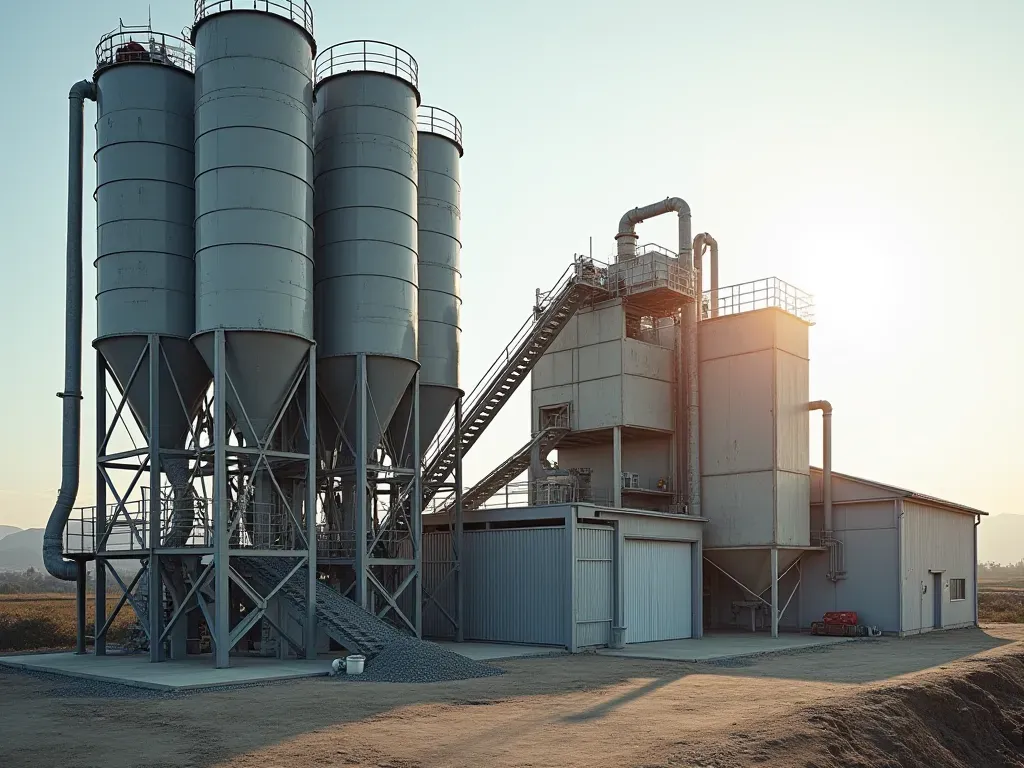
The Fragile Backbone of Modern Construction
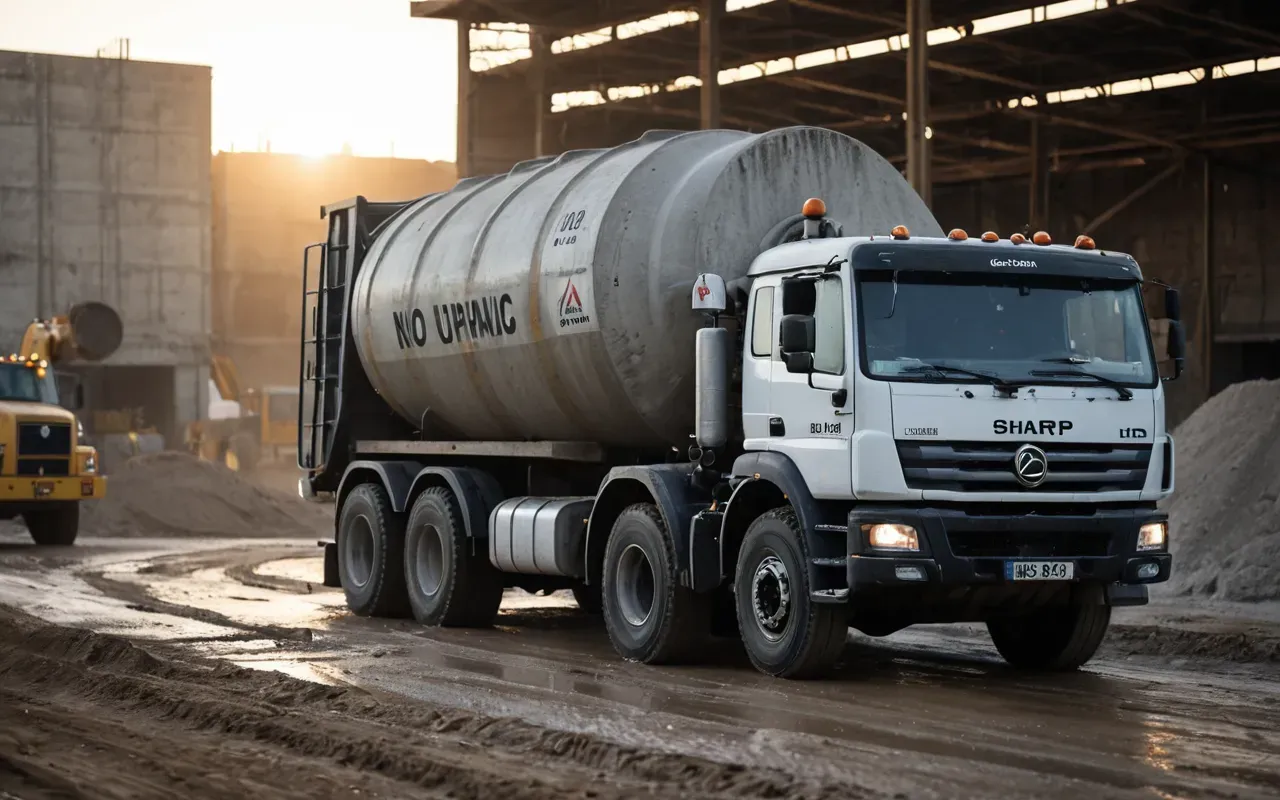
Every ready-mix truck has a clock running inside it. The drum starts spinning, water hits the cement powder, and you've got about ninety minutes before the concrete starts to set. Sounds like plenty of time — until you count up everything that can go sideways in an hour.
Traffic. A busted pump line. A temperature drop that stiffens the mix before it ever reaches the pour zone. We've all watched a crew stand around helpless while a load dries out on site. Expensive, and honestly, it stings.
But here's the part nobody talks about. The delay isn't even the real problem. It's that wet delivery forces you to compromise on quality just to keep things moving fast enough.
To be fair, ready-mix trucks are great for small jobs. You call, they show up, you pour. But scale up to major infrastructure or a remote site build, and that same convenience starts working against you.
Why Precision Matters More Than Speed Now
What struck me is how much control you lose the moment water goes in. At a wet batch plant, the mix design is locked in at the factory. Site conditions change halfway across town? Too bad. You're stuck with whatever left the yard.
Now contrast that with a dry batching setup. Cement and aggregates stay separate until the last possible moment before use. Which means you can adjust water content on-site, based on real-time weather readings.
That small change is huge. Rain starts falling at the pour zone? Cut the water immediately to hold that critical PSI strength level — no waiting on a new truck.
For engineers and project managers, this is the difference between hoping for a good pour and engineering one. Concrete stops being a commodity delivery and becomes a precise material science application.
The Hidden Cost of Waste in Wet Systems
Let's talk about money. Every rejected ready-mix load — inconsistent slump, strength failure — turns into expensive sludge.
Wet systems also tend to over-order, just to guarantee enough material arrives before setting. The result? Massive amounts of excess concrete that has to be hauled away or dumped illegally.
Dry batching plants let you mix just-in-time. You produce only what the crew can place in that specific hour. Waste drops dramatically, and so does your environmental footprint.
The Remote Site Advantage Nobody Sees Coming
Picture building in a valley with one access road. Or on an island, where shipping concrete is a nightmare of cost and timing.
In those scenarios, wet ready-mix is nearly impossible. The delivery window is too small, and the risk of blockage or delay too high to justify.
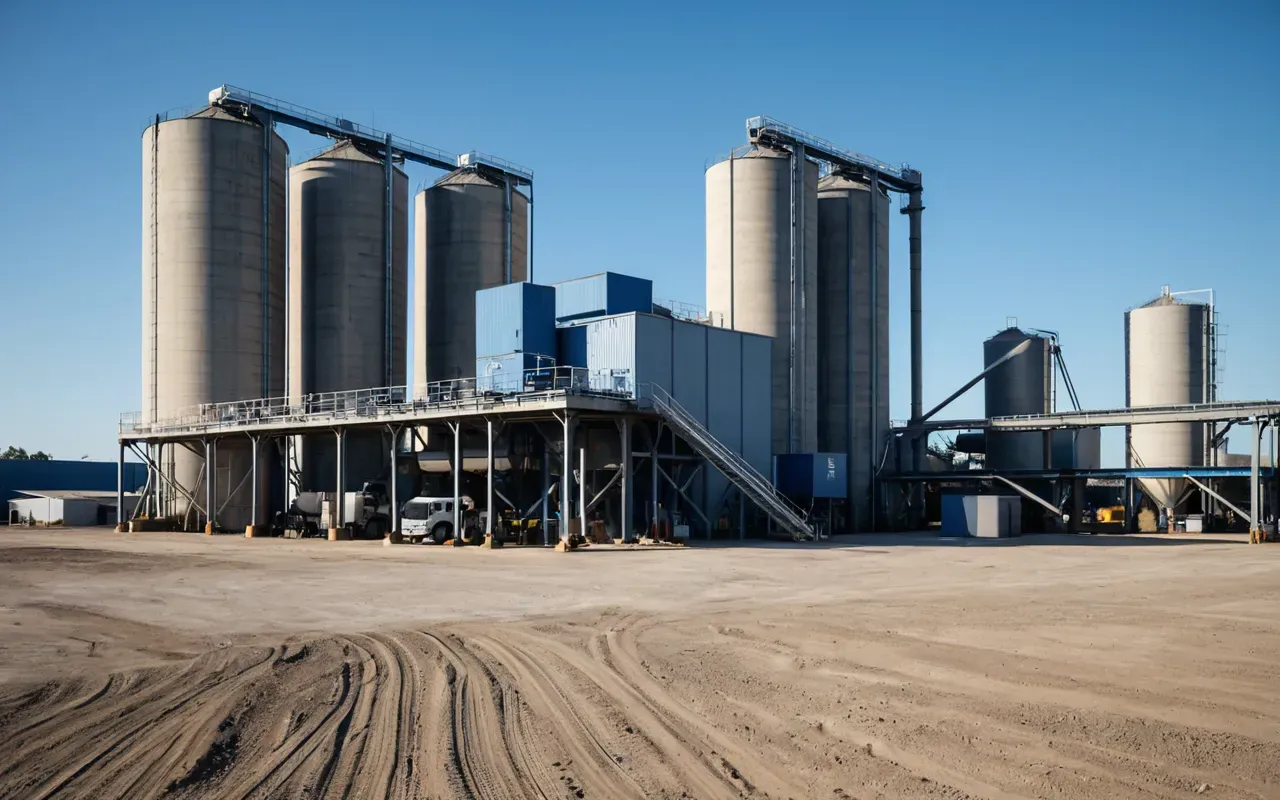
But dry components? Different story. Cement and rock store for days or weeks without degrading. You set up a small batch station on-site and produce exactly what you need, when you need it.
That's why we're seeing a quiet shift in how global infrastructure projects plan their supply chains. Away from central wet plants, toward decentralized dry nodes.
It removes the bottleneck. Instead of waiting for a truck to clear traffic on a highway, you control the rhythm of production right next to the excavation.
Real World Implications for Project Managers
I've talked with several site supervisors who admit they simply feel safer when the concrete source sits within a mile of their work zone.
That peace of mind comes from control. Batch plant on-site or nearby? You can call for another load in ten minutes instead of two hours.
And this agility reshapes the whole workflow. Crews stay productive longer, and downtime becomes a rare exception rather than an expected weekly cost.
The Technology Behind the Quiet Revolution
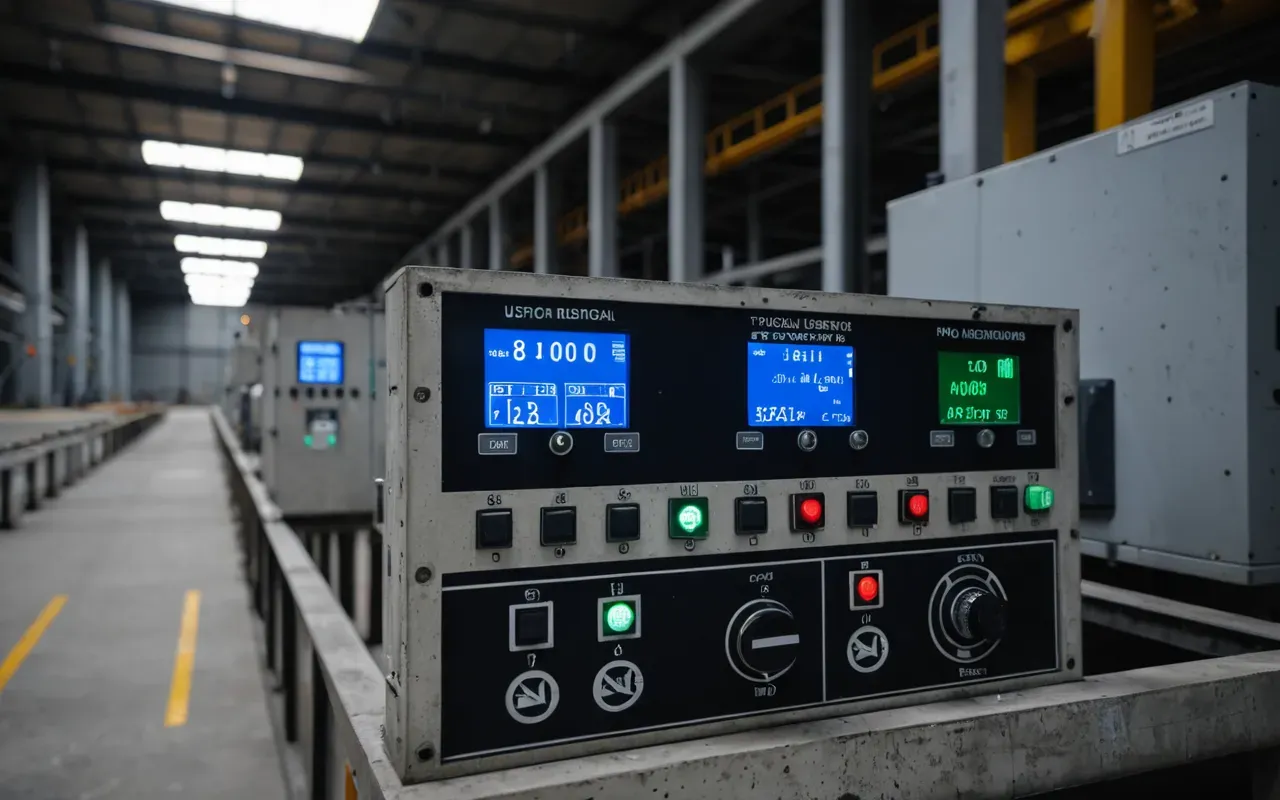
It isn't just about storing dry powder, either. Modern batching plants use sophisticated computerized systems to weigh every ingredient with gram-level accuracy.
Those sensors keep the cement-to-aggregate ratio perfect, every single time. Human error in measuring water or additives? Gone, replaced by automated controls.
I was impressed to learn that some of these systems can now integrate with weather APIs to predict optimal mixing parameters before the batch even starts.
Ten years ago, that kind of data-driven precision was unthinkable. It turns concrete production into a digital process, not just a mechanical one.
Who Wins and Who Loses in This Shift
The winners are clear. Builders who need consistency and reliability on complex or remote sites will thrive with dry batching capabilities.
They gain independence from volatile fuel prices that hit long-haul trucking, and they sidestep the penalties that come with delayed deliveries.
The losers? Traditional wet plant operators who can't adapt their logistics model. Keep relying on long-distance trucking for every job, and you'll find yourself out of step with modern demand.
To be fair, ready-mix isn't going anywhere. It's perfect for urban infill and small residential jobs where a truck can pull into the driveway.
But for anything large-scale, remote, or time-critical, the dry model is becoming the default choice for serious contractors.
What This Means for Your Next Project
If you're scoping out a major build right now, look hard at your concrete sourcing plan. Are you leaning on a single wet plant three miles away?
Ask yourself what happens if that road gets blocked. Ask what happens if the weather turns during transit. These aren't hypotheticals — they're daily realities.
So consider on-site or nearby dry batching. More upfront setup, sure. But it pays back in reliability and cost savings over time.
We keep watching projects succeed because they treated concrete as a controlled variable rather than a delivered commodity. That mindset shift is where the real value sits.
The industry is moving toward greater precision. Builders who embrace that change now will be the ones delivering on time and under budget in the years to come.
For those interested in how specific equipment choices affect these dynamics, you might find why most concrete batching plant prices are completely wrong to be a fascinating read on the hidden costs of cheap machinery.
Also worth noting is the 980,000 bet that is quietly rewriting how remote regions build, which highlights a real-world case of this technology changing the game in isolated areas.
The bottom line is simple. Control your inputs and you control your outcomes. In concrete work, that distinction makes all the difference between a successful pour and an expensive mistake.
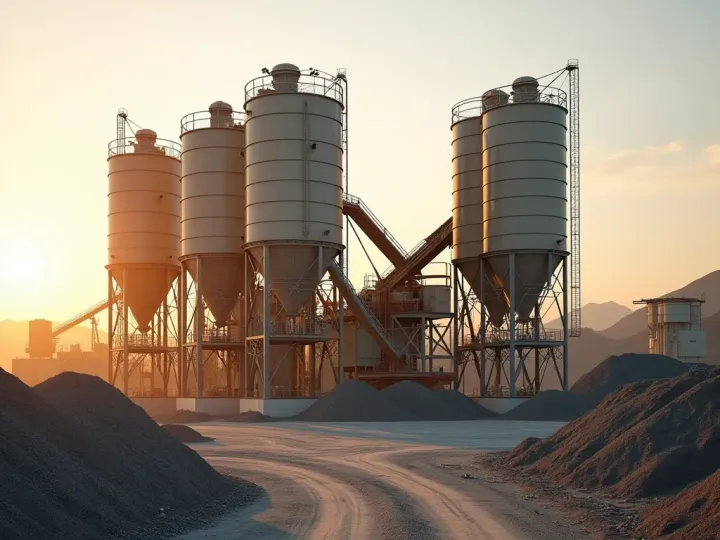
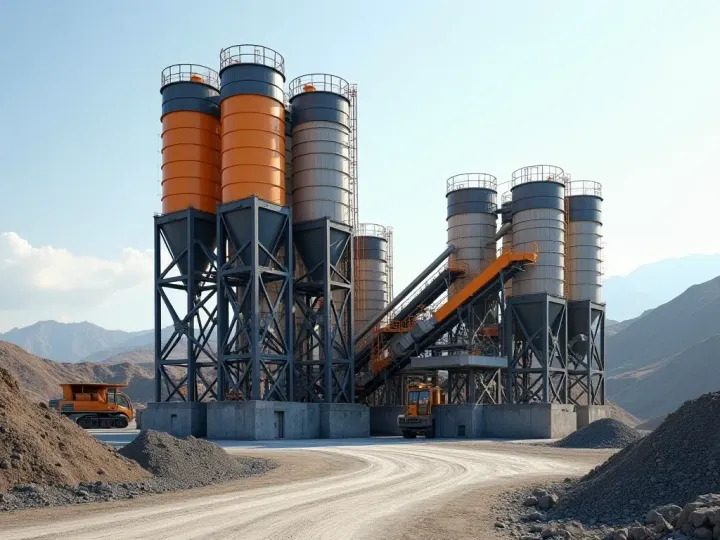
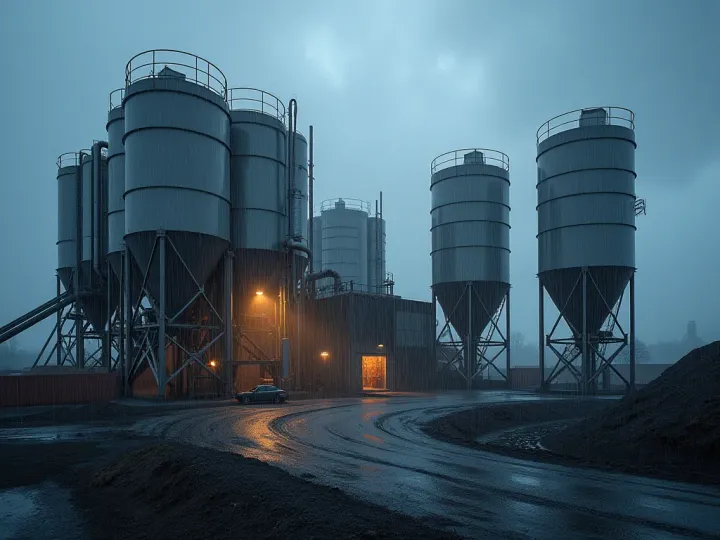
So next time you see those dry silos standing on the horizon of a construction site, know that they represent more than just storage. They are the future of reliable building.
Comments ()