The thermal battery just killed natural gas pricing for cement
The quiet revolution in the kiln room
Look. You probably do not think about heat batteries when you buy a bag of cement. I know I did not until this week. But something big just happened in the background of our industry.
Holcim is installing two massive thermal units at one of its plants. This is not a small pilot test either. It is part of their official electrification roadmap.
At the same time, UltraTech Cement in India hit a major green milestone. They are running on nearly all renewable power now.
Here is the thing that nobody talks about enough. The cost of storing heat has dropped so low it now beats natural gas in some regions.
This changes everything for concrete batching plant operators too. If the big cement makers are moving fast on energy storage, we need to watch closely.
Why heat beats gas in the new economy
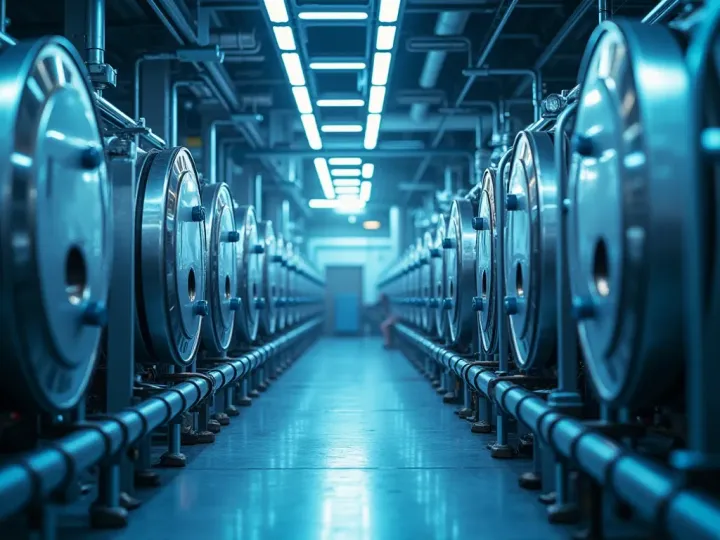
Electrified Thermal Solutions is supplying these units to Holcim. Their technology turns electricity into intense heat stored in solid materials.
The key number here is temperature. These batteries deliver heat up to degrees Celsius. That is hot enough for cement production processes.
In places like Scandinavia and parts of Western Europe, off-peak electricity is cheap. Natural gas is expensive and volatile.
So the math works out. You buy cheap power at night and store it as heat for daytime use. No gas bill to worry about.
This is not just about saving money. It is about stability. Gas prices spike with geopolitical issues. Electricity grids can be managed better.
The European Commission is even funding this shift. They just published rules for a new auction to support industrial heat decarbonization.
The European subsidy angle you are missing
This is where it gets interesting for the industry. The EU has set aside one billion euros from carbon trading revenues.
They are auctioning support for projects that use electric heat pumps or thermal storage. Cement plants qualify for this funding.
The first auction selected sixty-five projects. None were cement companies yet. But now that Holcim is moving, others will likely follow.
Successful bidders get a fixed premium subsidy for up to five years. This makes the investment case much stronger.
I see this as a signal. The policy environment is finally catching up with the technology curve.
What India is doing that Europe should copy
While we watch the European subsidies, look at UltraTech Cement in India. They just announced a major decarbonization milestone.
Their Kukurdih plant in Chhattisgarh has met one hundred percent of its electricity needs through green sources since April.
They are using a mix of renewable energy and waste heat recovery. This is not theoretical future tech. It is running right now.
Nearly a third of their seventy-six plants now source over fifty percent of power from sustainable sources. That is massive scale.
They are also deploying battery storage systems at multiple sites. One project in Gujarat combined solar and wind with seven point five megawatts of batteries.
The real lesson for batching plant operators
Here is why this matters to us specifically. Cement production drives the energy profile of our entire sector.
If cement makers are moving to electric heat and green power fast, the market will shift. Suppliers who ignore this trend will fall behind.
I have seen operators complain about energy costs for years. The solution is not waiting for prices to drop. It is changing the source.
If you are curious about how energy efficiency impacts your operations, check out the hidden flaw in every modern concrete plant that is costing you money.
Who wins and who loses in this shift
Let’s be honest about the winners here. Holcim and UltraTech are positioning themselves as sustainability leaders.
They get government subsidies and cheaper energy costs. Their competitors who stick with gas will pay more and emit more carbon.
The losers are the operators who think energy is just a commodity to buy. It is becoming an asset you manage and store.
This shift also pressures equipment manufacturers. We need to build plants that integrate with electric heat and storage systems.
If you want to see how this affects your setup, read about the concrete plant upgrade making current setups obsolete.
What this means for the next five years
I believe we are at an inflection point. The technology works and the money is available.
Holcim’s investment in ETS signals long-term commitment. They are not just testing a product; they are betting on the whole approach.
The EU auction will likely bring more projects online in the next few years. India’s momentum suggests global adoption is accelerating.
For us in the batching plant world, this means our customers will demand greener cement and more efficient energy use.
We need to be ready. That means understanding how heat storage works and how it integrates with our processes.
The old way of doing things is not just expensive anymore. It is becoming obsolete in the eyes of regulators and customers alike.
The bottom line for concrete professionals
This is not just a cement story. It is an energy storage story that touches every part of our supply chain.
When the biggest players move to electric heat and green power, the rest of us have no choice but to follow.
I encourage you to look at your own energy profile. Are you paying premium prices for gas when cheaper alternatives exist?
The tools are here now. The funding is available in many regions. The only question is whether we move fast enough.
If you want to understand the financial side better, see how most concrete batching plant prices are completely wrong due to hidden energy costs.
The future of our industry is being written right now in kiln rooms and control centers around the world.
Will you be part of that future or left behind? That is the real question to ask yourself today.
Comments ()