The hidden truth behind the Burleigh concrete plant battle is finally out
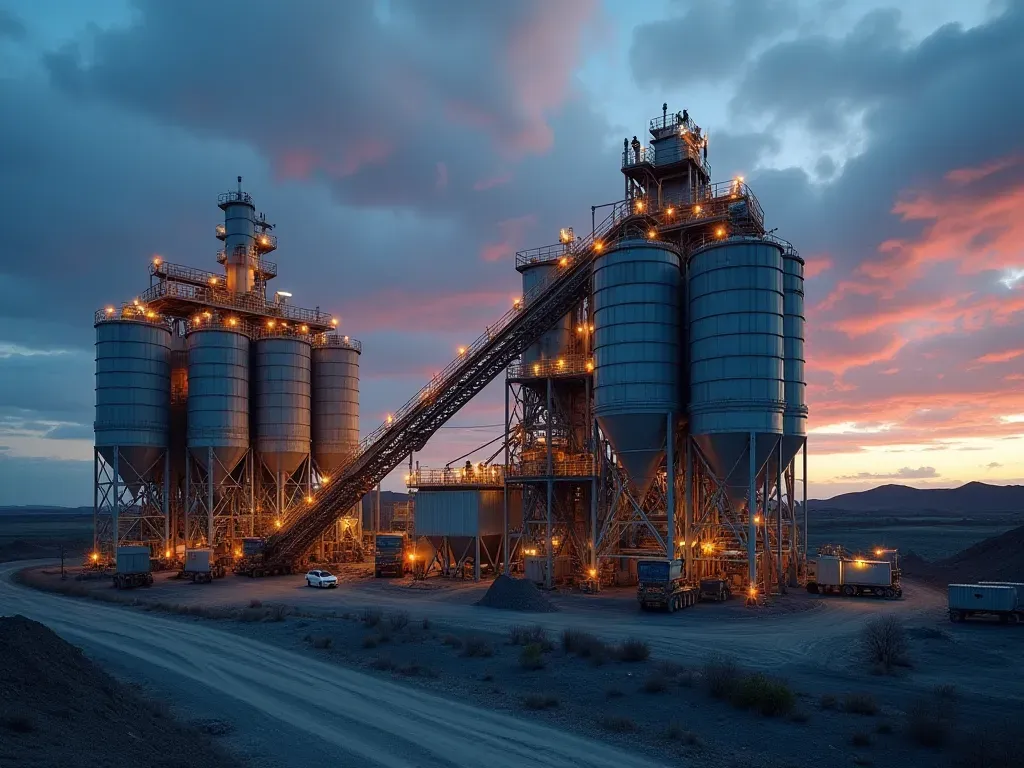
The Noise That Never Stops and the Silence of Council
It's two in the morning. The hum doesn't stop. It just gets louder when a truck backs up. In Old Burleigh, that sound has become the soundtrack to sleepless nights for hundreds of families.
I've seen this movie before. It always starts with a small complaint about dust. Then it becomes a fight over hours of operation. Finally, it turns into a political battle that paralyzes the entire region.
But here's what nobody talks about. The problem wasn't the concrete itself. It was the gap between promised specifications and actual performance on a rainy Tuesday night.
Residents say they're sick and tired of industrial conditions. They want answers from council that have been waiting for months to arrive.
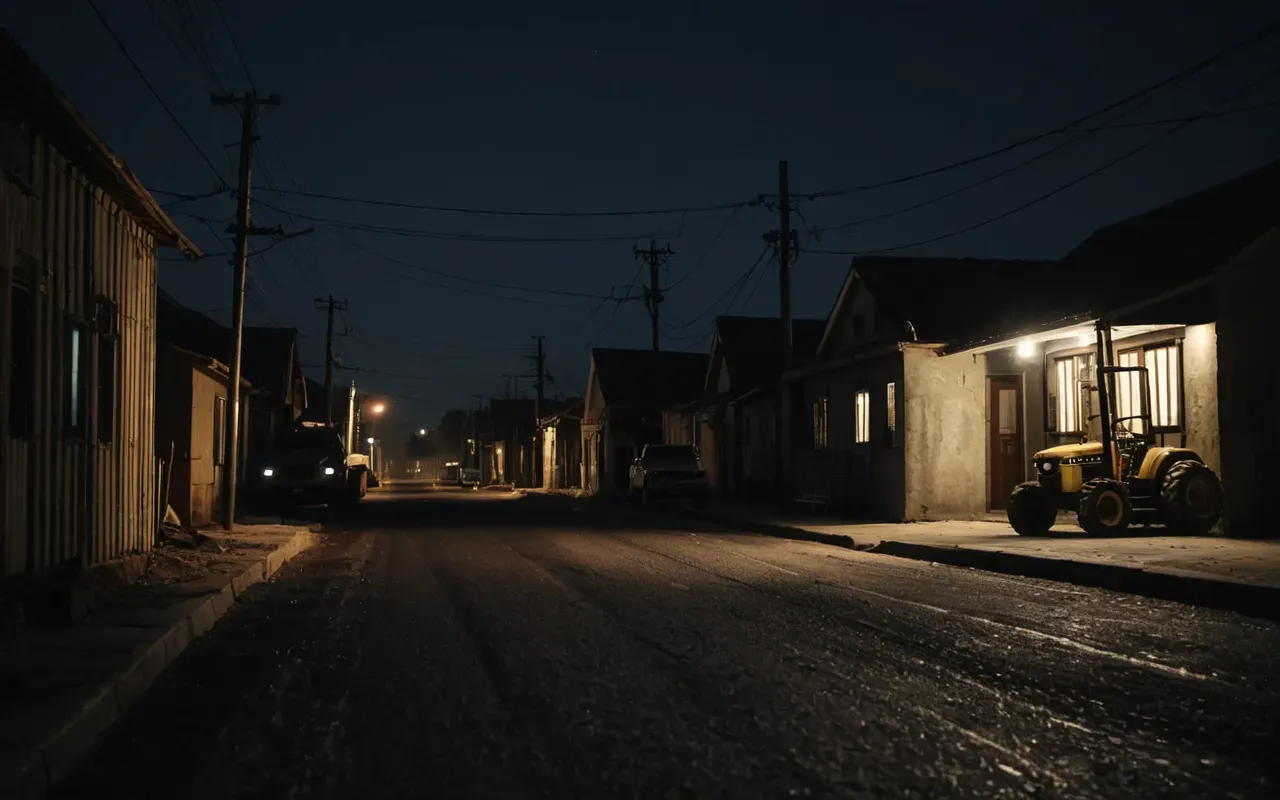
Why This Fight Changes More Than You Think for Manufacturers
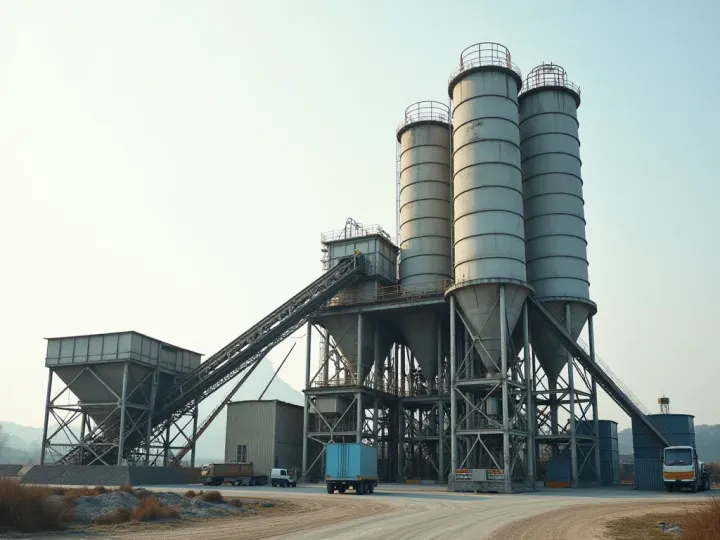
Most people see this as a local zoning dispute. I see it as a global warning shot for anyone selling dry concrete batching plants.
When a community turns against an industry, it doesn't just ban one plant. It creates a precedent that spreads. Every council officer in the country now reads this case file before approving your next project.
The stakes are higher than you realize. If your equipment fails to meet the quiet standards promised in the brochure, you don't just lose a contract. You lose credibility with every future client.
The Specific Flaw That Started This Whole Mess
Look at the technical specs. Most dry mixing systems are designed for controlled environments. They assume perfect airflow and stable material density.
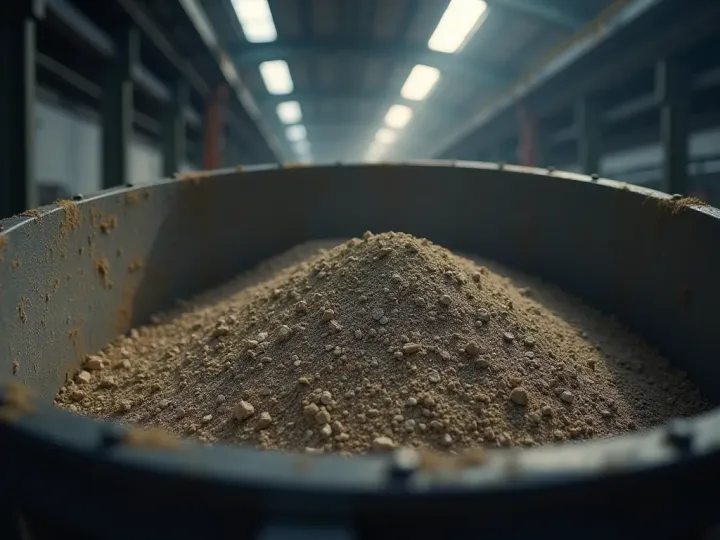
Reality is messier. Humidity changes how the powder flows. Temperature shifts affect the speed of the conveyor belts. These small variables add up to loud vibrations that neighbors can hear through their walls.
If you're curious about how these small technical details turn into major community conflicts, check out this analysis on the hidden flaw in every modern concrete plant that most engineers ignore until it's too late.
The silence from the manufacturer was deafening. No public explanation. No technical breakdown of why the noise exceeded limits during peak hours.
Who Actually Wins and Who Loses in This Battle
The residents win the headlines. They have the moral high ground and a strong emotional narrative that resonates with voters.
But the council loses control. They're forced to act quickly without full data. This creates a patchwork of rules that confuse businesses and slow down development across the board.
Manufacturers lose trust. Every time a plant is shut down due to complaints, it signals that the industry can't be trusted to self-regulate effectively.
The Hidden Cost of Waiting for Answers
Time is money in construction. Every week the plant sits idle waiting for a decision costs thousands of dollars in lost production.
For local suppliers trying to keep up with demand, this uncertainty is a nightmare. They can't plan inventory without knowing if the plant will even operate next month.
What This Means for Your Next Purchase Decision
If you're considering buying new equipment, look beyond the price tag. Ask about noise reduction features and environmental compliance certifications.
A slightly more expensive model with proven quiet operation might save you from a public relations disaster that could cost your business years of recovery.
How the Industry Can Prevent This in Other Cities
The solution is not to fight the community. It's to engage with them before the plant is even installed.
Hold open houses. Share real noise data from similar plants in different locations. Let people see the technology that keeps things quiet.
If you want to understand how transparency can turn opponents into allies, read about the warning signs in Archer that showed exactly where this process went wrong.
Proactive communication builds trust. Reactive explanations build resentment. The difference is the timing of your first conversation with the neighborhood.
The Future of Dry Batching Plants in Residential Areas
Technology is moving fast. New insulation materials and quieter motor designs are entering the market right now.
But hardware alone isn't enough. The software that controls the plant needs to be smart enough to adjust operations based on time of day and local conditions.
If you're interested in how software integration can reduce operational issues, check out this piece on how AI is stepping into the concrete industry to solve these exact problems.
The future isn't about louder plants. It's about smarter ones that respect the communities they serve while still delivering quality concrete efficiently.
Final Thoughts on the Burleigh Situation and Beyond
This fight isn't just about one town. It's a test case for the entire industry.
If manufacturers listen to this warning and adapt their approach, they might just save their businesses from similar battles in the future.
The choice is simple. Keep fighting the same battles with outdated methods, or lead the change toward a more respectful and efficient industry standard.
I hope this gives you a clearer picture of what's really happening behind the scenes. Stay informed and make smart decisions for your business.
Comments ()