Maintenance Schedules for Dry Batching Machinery
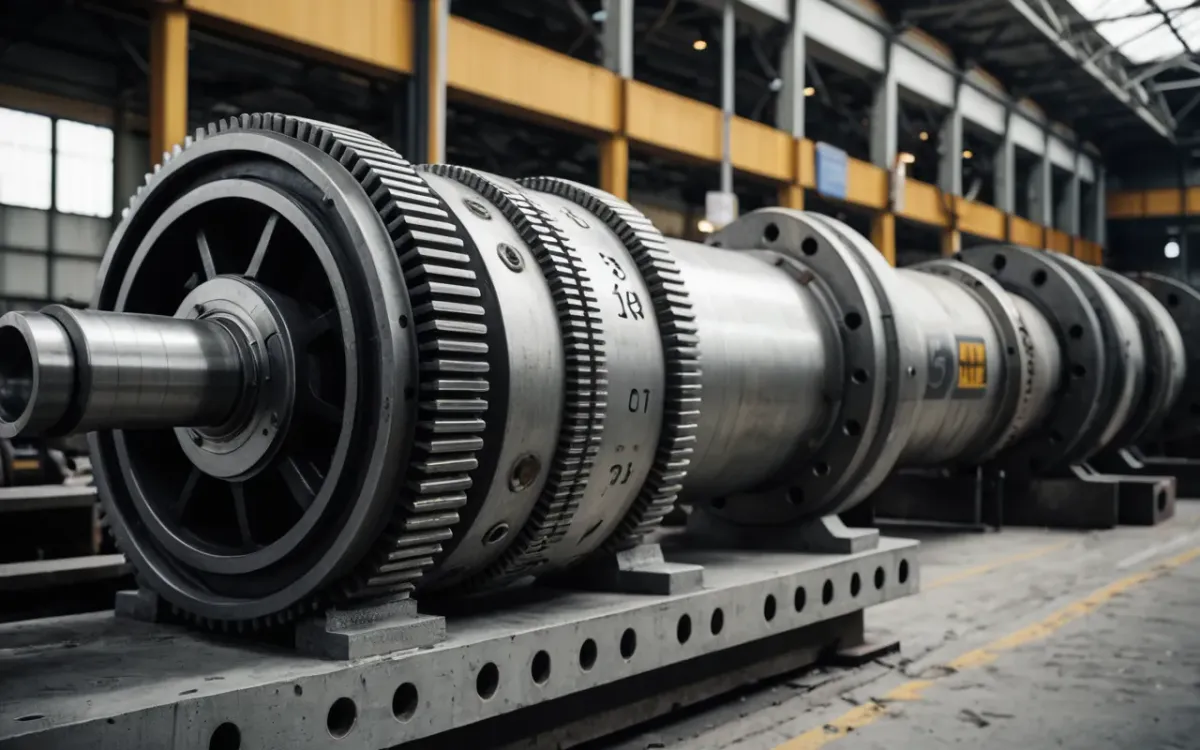
Maintenance Schedules for Dry Batching Machinery
You type
into Google. You get a dictionary definition. It says something about erecting structures or assembling parts. That is boring. That is also completely wrong for anyone who actually builds things.
I have stood on job sites from dusty deserts to humid jungles. I have watched dry concrete batching plants hum to life at dawn. The real meaning of construction is not in the brick. It is in the math. It is in the logistics. It is in the invisible systems that keep everything from collapsing.
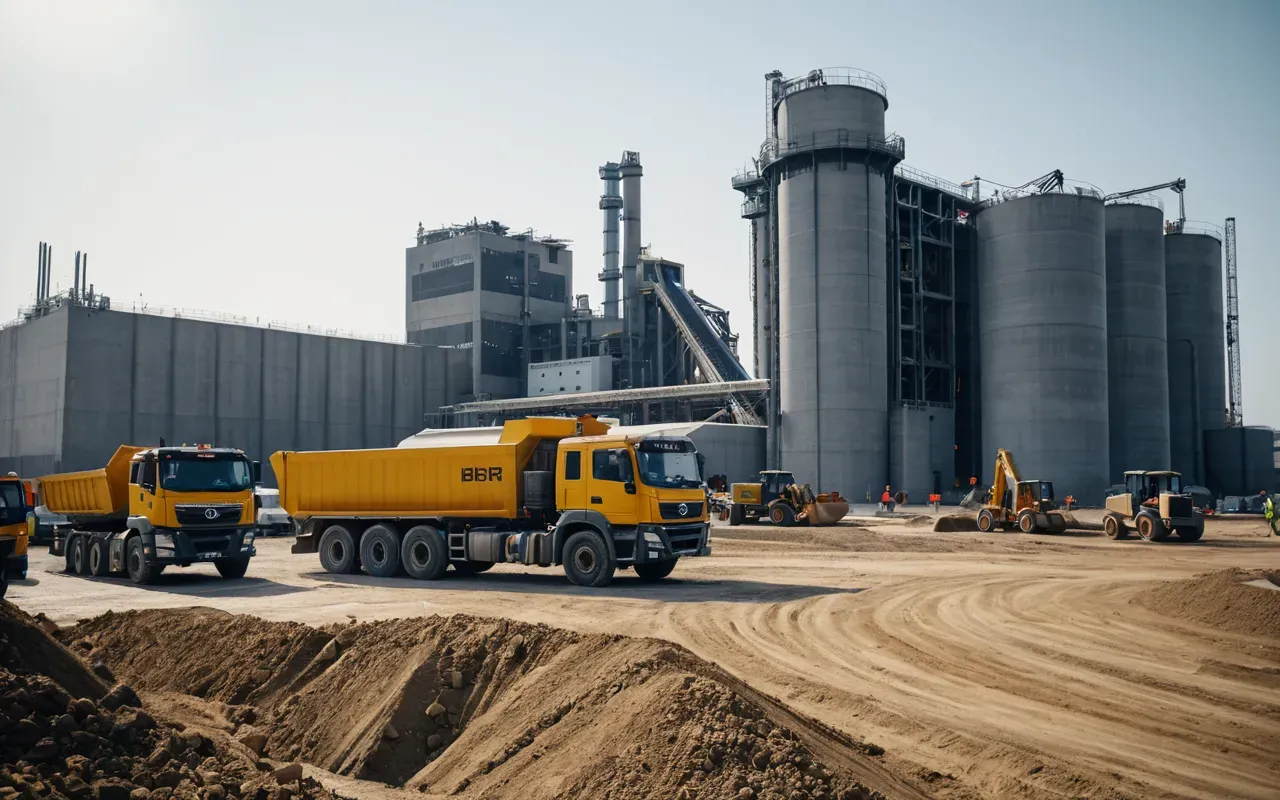
Why Dry Batching Is the Unsung Hero of Modern Infrastructure
Most people think concrete is just mixed in a truck. They are wrong. Dry concrete batching plants send the dry ingredients to the site. Water is added in the truck drum. This changes everything.
We manufacture these plants for markets all over the world. I have seen a project in a remote mining town fail because they used a wet batch system. The road was too long. The concrete set in the drum. We replaced it with a dry batch unit. The project survived.
The real definition of construction is managing risk. Dry batching shifts the risk of setting time away from the plant and onto the truck driver. It extends the delivery radius. It saves money. It saves the job.
The Hidden Engineering Inside a Batch Plant Design
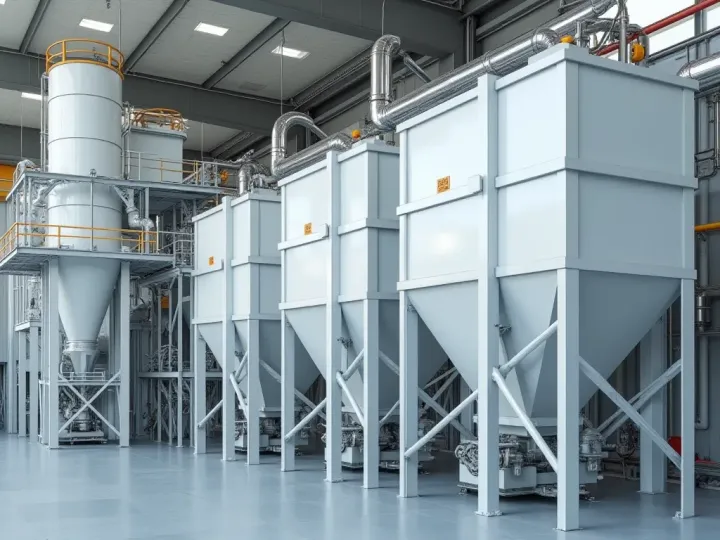
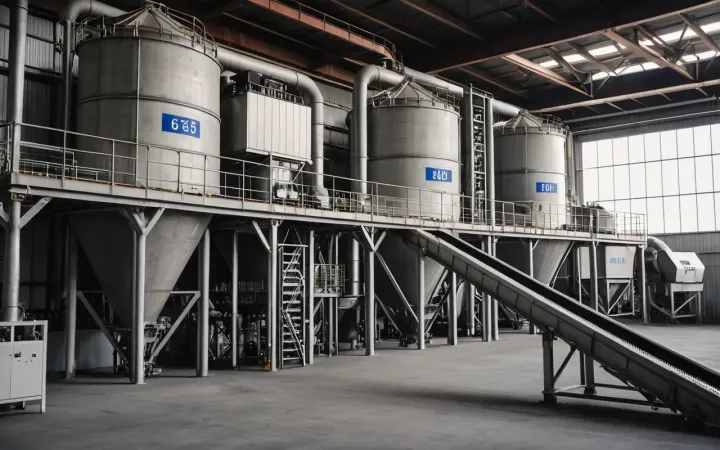
Look at a standard batch plant. It looks like a pile of steel and belts. You see hoppers and silos. You do not see the precision. The scale of a well-designed plant can measure cement within a fraction of a kilogram. That precision is what keeps buildings standing.
I once inspected a facility that ignored this. They used cheap scales. The concrete strength varied by 20% between batches. The inspector shut them down. It cost them six months of revenue. Bad design is not just ugly. It is expensive.
If you are curious about the hidden design flaws in standard plants, you will see how small errors cascade. A misaligned belt causes dust. Dust causes wear. Wear causes breakdowns. Breakdowns kill your schedule.
The Myth of One Size Fits All in Concrete Production
Salespeople will tell you their plant fits every job. They lie. A plant designed for a highway project in a flat desert will fail in a mountainous urban site. The terrain changes the logistics. The altitude changes the air pressure. The humidity changes the aggregate moisture.
We customize our dry batching plants for specific environments. I remember a project in a coastal city. The salt air corroded standard steel in months. We switched to marine-grade coatings. It cost more upfront. It saved the client from a total replacement in two years.
Construction is not generic. It is highly specific. The definition of success is adapting to the local constraints. If you ignore the local reality, you will lose money. It is that simple.
How Automation Is Changing the Job Site Reality
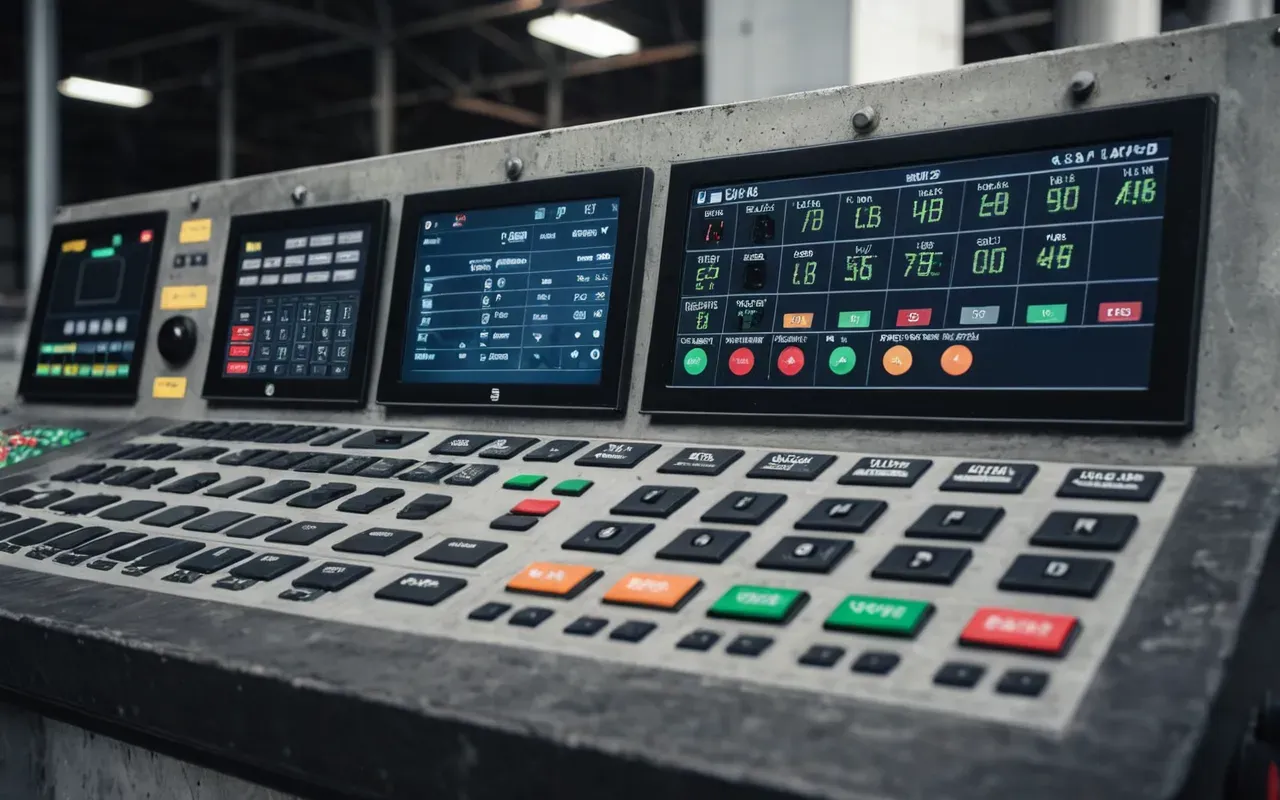
Ten years ago, operators weighed materials by hand. They guessed the moisture content. Now, sensors do the work. We see moisture probes that adjust the water content in real-time. The error rate has dropped by nearly 90% in modern facilities.
But automation is not magic. It requires maintenance. I have seen automated plants fail because no one cleaned the sensors. Dust buildup gives false readings. The computer thinks it is adding water. It is not. The concrete comes out dry. The truck driver gets yelled at. The plant owner gets sued.

The real meaning of construction today is data management. You are not just mixing cement. You are managing a stream of data. Every batch has a digital twin. Every deviation is logged. This traceability is the new standard.
The Economic Reality of Running a Dry Mix Facility
People focus on the cost of the machine. They forget the cost of running it. Energy bills for the compressors are huge. Wear parts for the mixers add up. If you do not track these costs, you will go bankrupt before you know it.
I have analyzed the operational costs of running a dry mix facility for clients. The surprise is always the small leaks. Air leaks in the pneumatic system waste thousands of dollars a year. Fixing them takes an hour. Ignoring them takes a fortune.
Construction is a margin business. You cannot afford to throw away money on inefficiency. The definition of a good builder is someone who respects the penny. It starts with the plant. It ends with the pour.
Why Simulator Games Get It Completely Wrong
You have probably played those construction games. You build a road. You mix concrete. You get a gold star. It is fun. It is also a lie. In the game, materials never run out. The weather never changes. The scales never drift.
Real construction is chaos management. The aggregate supplier is late. The cement truck is stuck in traffic. The rain starts suddenly. You have to make decisions in seconds. The game does not teach this. It teaches you nothing about the real pressure.
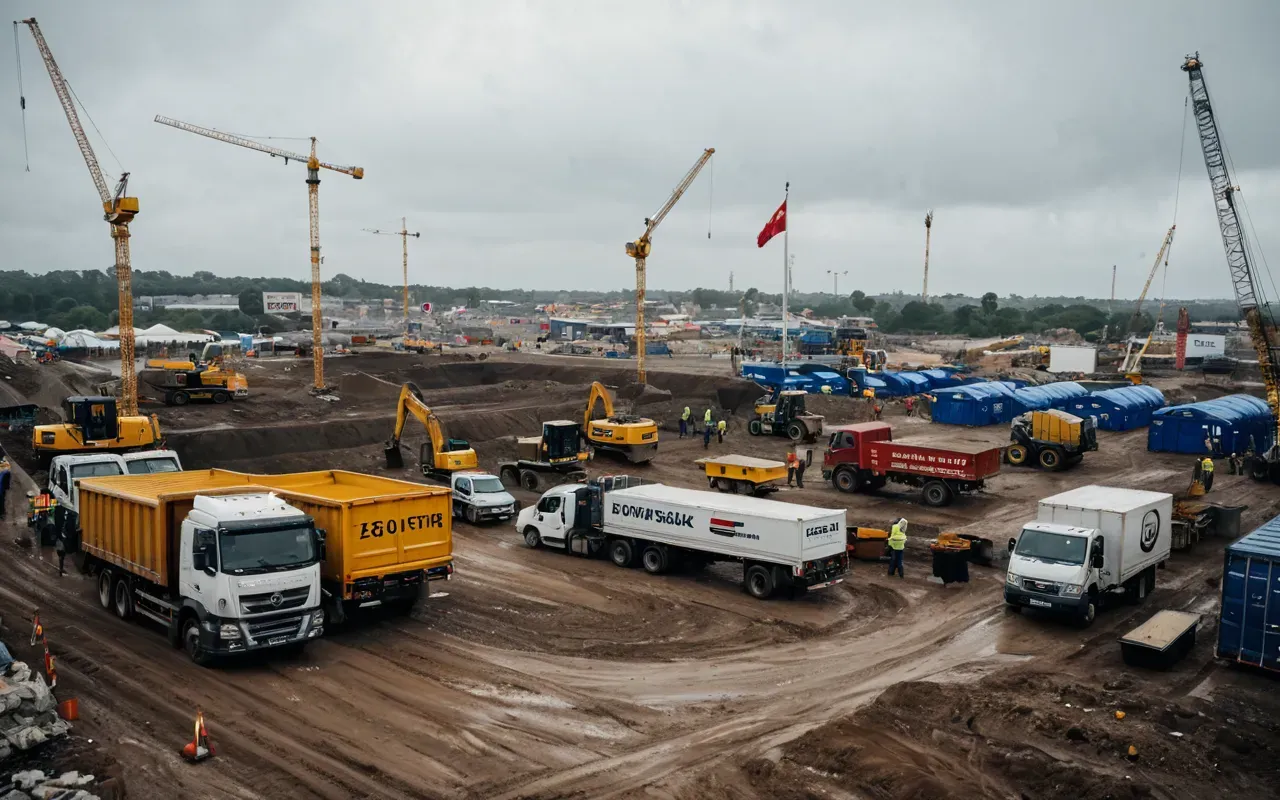
If you want to understand why construction simulator games fail, look at the lack of consequences. In real life, a bad batch means a lawsuit. In the game, it means a retry. The stakes are completely different.
The Future of Building Is Smaller and Smarter
We are seeing a shift away from massive static plants. Projects are smaller now. Sites are tighter. Clients want speed. This is why mobile dry batching units are growing in popularity. You can move them with the project. You reduce transport costs.
I helped a client set up a mobile unit for a series of small bridges. They saved 40% on logistics compared to a central plant. The flexibility was the key. The concrete was fresher. The quality was better. The client was happier.
The definition of construction is evolving. It is no longer just about pouring more concrete. It is about pouring the right concrete. At the right time. At the right place. With zero waste. That is the new standard.
Frequently Asked Questions
What is the main difference between dry and wet batching?
Dry batching mixes only the solid ingredients like cement and aggregate at the plant. Water is added later in the truck drum during transit. Wet batching adds all ingredients, including water, at the plant. Dry batching allows for longer transport times and better control over the final mix quality on site.
Why is batch plant design so critical for quality?
Batch plant design determines the accuracy of ingredient measurement. Precise scales and efficient mixing chambers ensure consistent concrete strength. Poor design leads to material waste and variable quality. A well-designed plant minimizes human error and maximizes production efficiency.
How do modern plants reduce operational costs?
Modern plants use automation and sensors to optimize material usage. They reduce energy consumption through efficient motors and compressors. They minimize waste by accurately measuring ingredients. Regular maintenance of these systems prevents costly breakdowns and extends the lifespan of the equipment.
Can dry batching be used for remote projects?
Yes, dry batching is ideal for remote projects. Because water is added in transit, the dry mix can travel much farther without setting. Mobile dry batching units can be transported to difficult sites. This flexibility makes it the preferred choice for mining, road building, and infrastructure in isolated areas.
For the full overview, see plant equipment upkeep.
Related in this series: dry batch plant components, mobile dry concrete plant installation.
Comments ()