Why a local council just voted to kill a massive concrete plant
The vote that changed everything for inner-city builders
It was a Tuesday night. The room was small. But the decision just made in that council chamber will echo across every construction site for decades to come.
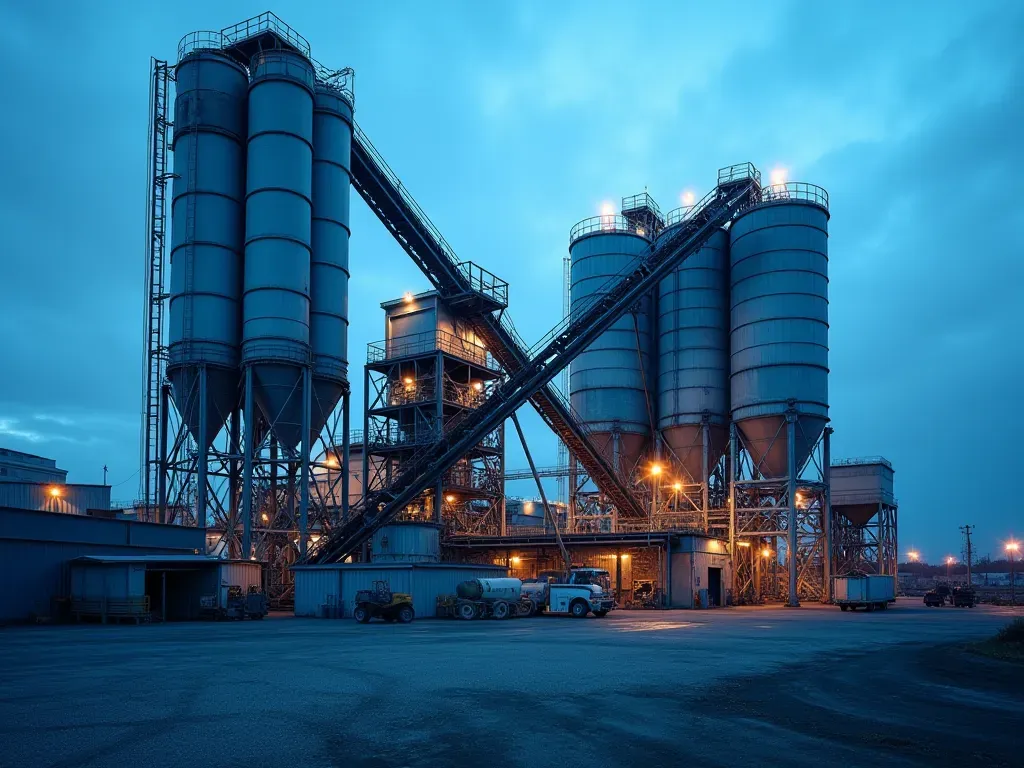
The Town of Victoria Park voted against Holcim. They rejected the proposal to expand a concrete batching plant on Cohn Street in Carlisle.
This is not just a local zoning dispute. It is a seismic shift in how cities view industrial infrastructure.
A plant that no longer fits the neighborhood
Mayor Karen Vernon made her position clear. She stated that Carlisle no longer has horse stables and vineyards.
The area is transforming. It wants density. It wants infill development. A massive concrete plant operating twenty-four hours a day does not fit that vision.
Vernon noted that the town seems to be at the end of the line for these types of facilities. Other local governments have already objected.
The financial stakes behind the concrete fight
Holcim wants to increase annual production from one hundred and eleven thousand cubic meters to three hundred thousand.
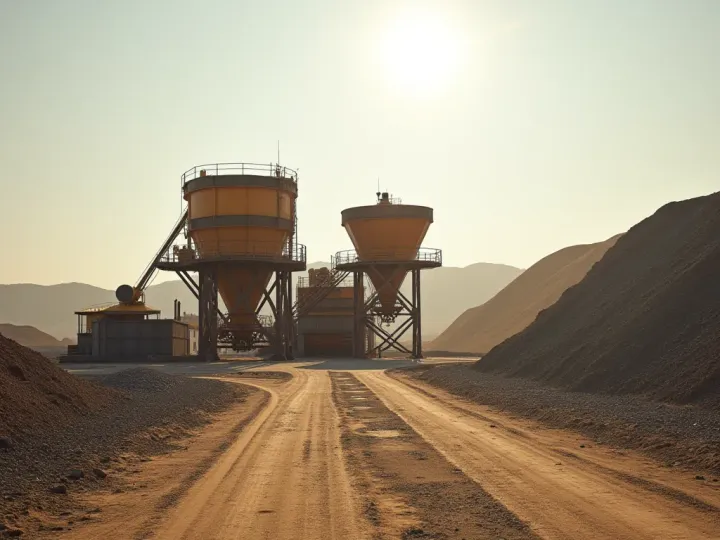
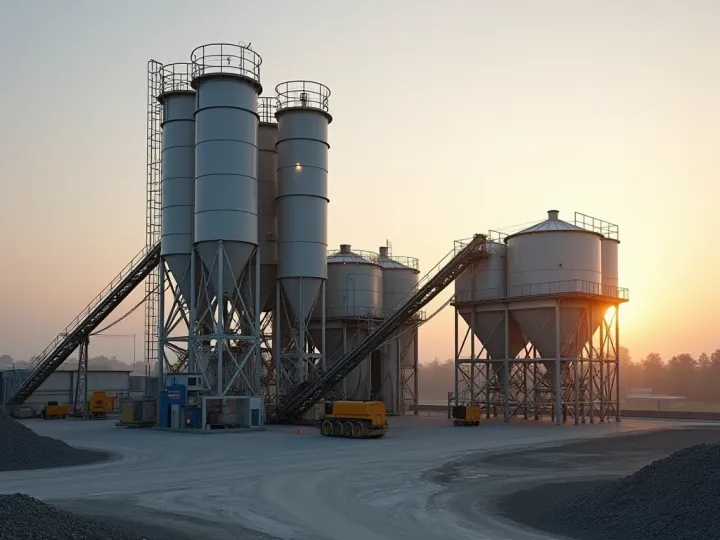
That is a massive jump. It requires six cement silos. The tallest will reach thirty-one meters into the sky.
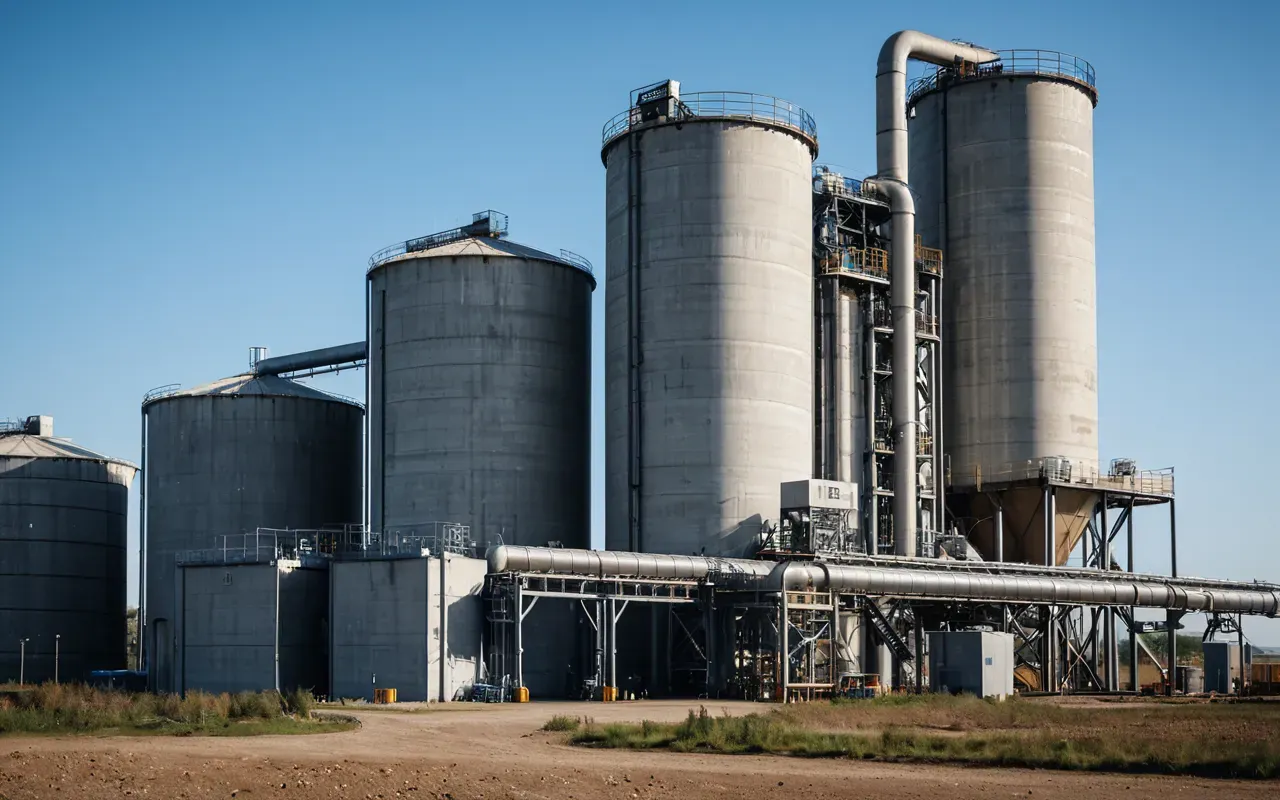
The proposed site includes a new loading bay building. It also has a clad mixer building and a batch office.
There are twenty-three parking bays for staff. New noise walls will be installed to mitigate sound.
Why the East Perth plant is disappearing anyway
Here is the thing. Holcim does not have a choice about staying in East Perth.
The City of Vincent and the State Government want to unlock that land. They plan for an estimated three thousand two hundred and fifty-eight new dwellings near Claisebrook station.
The East Perth plant must cease operations by December thirty-first. There are no further extensions to be considered.
The community backlash that silenced the expansion
Residents spoke at the special meeting. They shared deep concerns about increased vehicle traffic.
Noise was a major issue. Light pollution and constant sound from a twenty-four hour operation would ruin the area's amenity.
Cr Jesse Hamer was the only member who did not support the motion against expansion. He likely saw a different future for the site.
The alternative location that locals preferred
Vernon suggested Welshpool as a more appropriate location. It is further from residential zones.
This move reflects a broader trend. Cities are pushing heavy industry to the periphery.
What this means for global concrete suppliers
If you follow the construction industry, you know that location is everything for a batching plant.
Proximity to residential areas used to be manageable. Now it is a liability.
The final decision rests with the Western Australia Planning Commission. But the local sentiment is loud and clear.
The hidden cost of ignoring community concerns
We keep seeing companies underestimate the power of local opposition.
A plant that is efficient on paper can be a disaster in practice if neighbors hate it.
This story is a warning. It shows that technical feasibility does not equal social acceptance.
The future of concrete production in dense cities
Cities are getting denser. They want more homes. They want less industrial noise.
Suppliers must adapt or fail. The days of building plants next to homes are ending.
If you run a concrete business, this is your cue. Revisit your site selection strategy.
Lessons for manufacturers and developers alike
The Town of Victoria Park has set a precedent. It proves that community amenity can override economic benefit.
Developers must engage early. They cannot simply propose a plan and expect approval.
The pressure on suppliers is mounting. They need to find quieter, cleaner solutions.
Technology offers a path forward. But it must be paired with genuine respect for the local community.
Why this specific case matters to every builder
Concrete is the backbone of modern infrastructure. Its production cannot stop.
But where it happens is becoming a political issue. And politics can be unpredictable.
I was struck by the consistency of the council's argument. It was not about money. It was about vision.
The long-term shift in industrial policy
This is part of a larger movement. Cities are redefining what they allow in their borders.
Industrial zones are moving further out. This changes logistics costs for everyone.
If you rely on quick concrete delivery, think about how this affects your timeline.

Comments ()