Why a Small Cebu Town Is Becoming the Hidden Engine of Philippine Construction
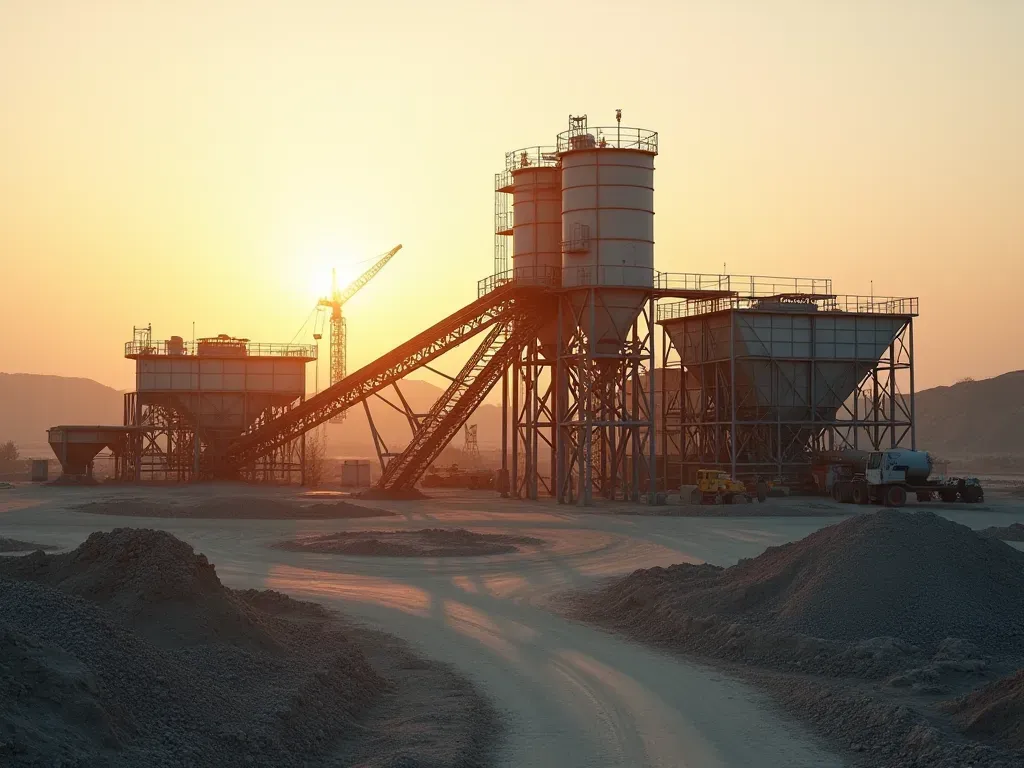
The Silent Engine Behind the Boom
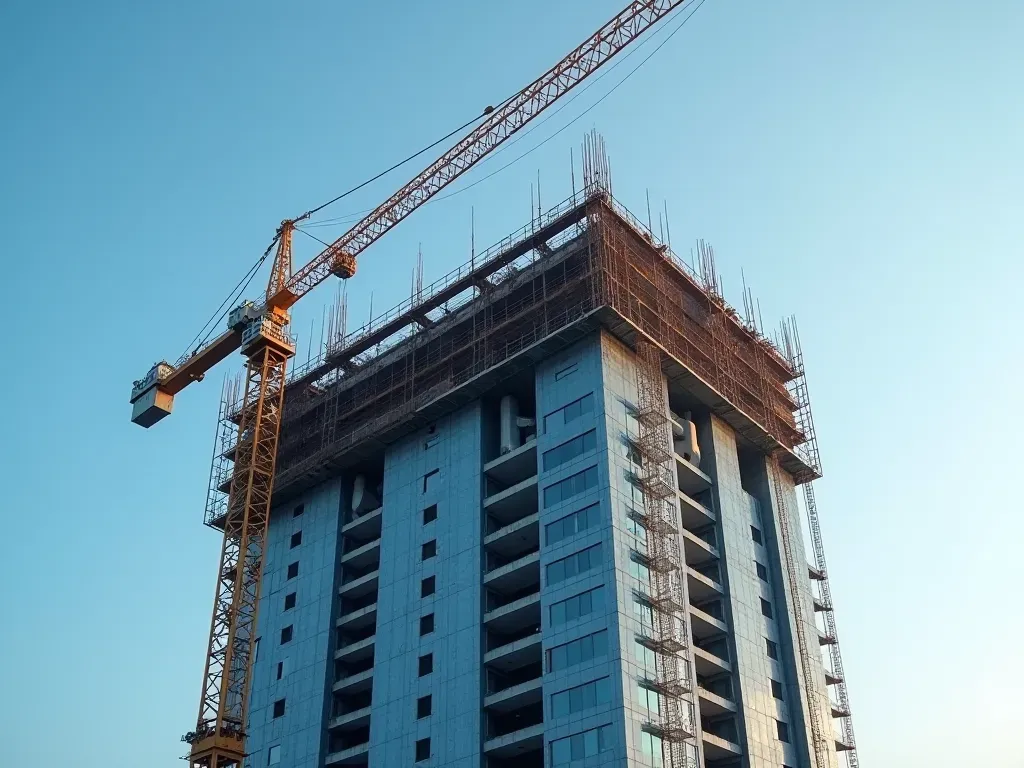
Most people picture construction as cranes and glass towers. It isn't. The real pulse of the industry beats in the concrete mixers that never stop.
I was struck by how little attention goes to the supply chain until it breaks. When roads crack or buildings delay, we blame labor. We rarely look at the mix.
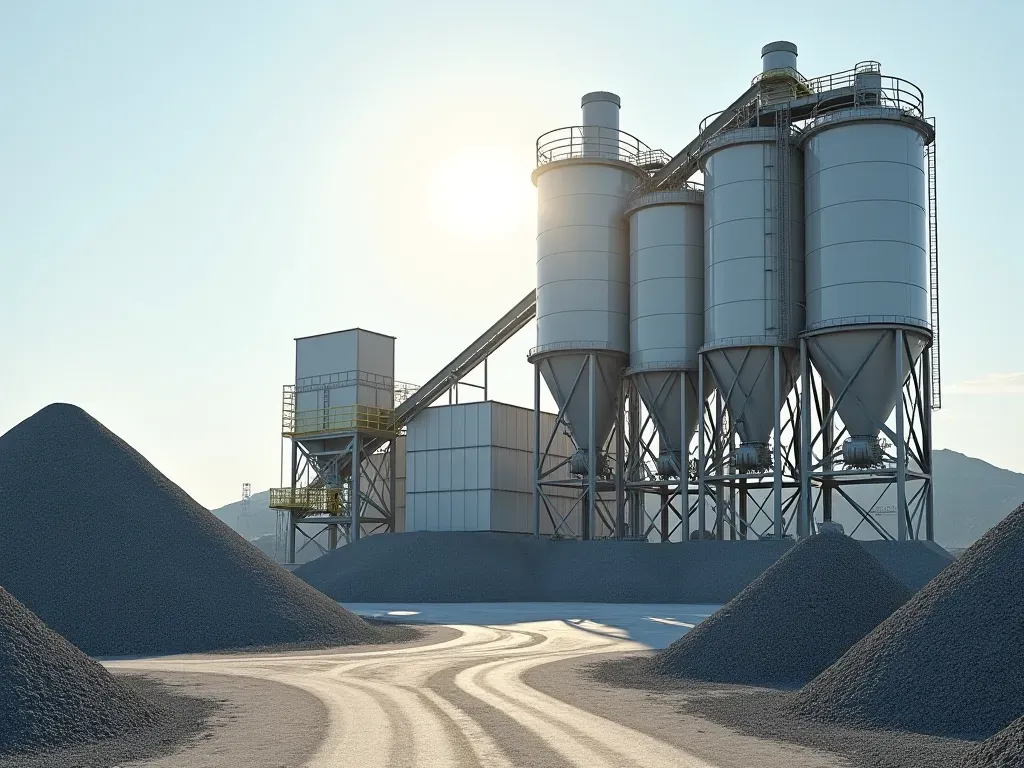
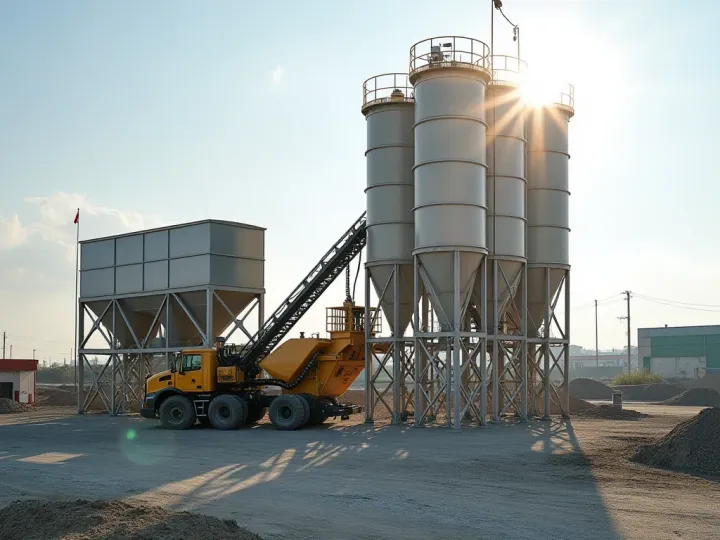
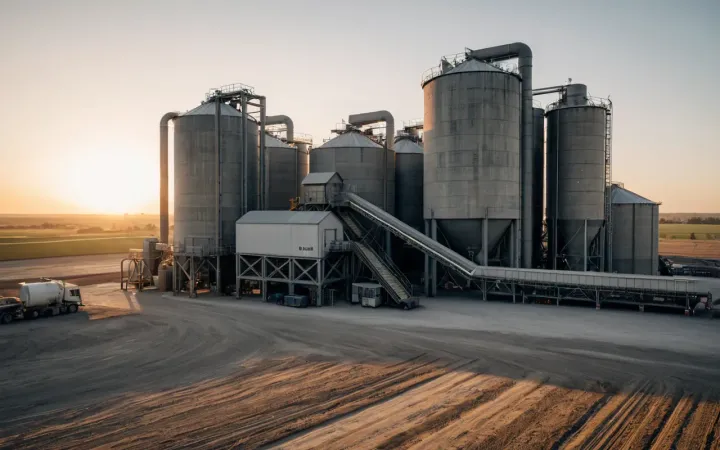
Suprea Philippines just opened its largest plant in Compostela. It can churn out two thousand sacks of ready-mix concrete a day. That is not a small number.
But the story isn't just about volume. It is about where this plant sits and who it serves in a recovering economy.
Why Compostela Chose Concrete Over Tourism
Compostela is a town with ambitions. It wants to be classified as a second-class municipality. That title brings more budget and autonomy.
Mayor Felijur P. Quiño sees the plant as a vote of confidence. It proves investors believe in local stability after years of typhoon damage.
I find this strategic angle fascinating. Most towns chase hotels or malls. Compostela is betting on industrial muscle. It is a safer bet for long-term jobs.
The plant needs eighty to one hundred people at full capacity. For a small town, that is not just employment; it is social infrastructure.
The Typhoon Factor Nobody Mentions
Super Typhoon Odette destroyed homes and roads across Cebu. The reconstruction demand was massive but fragmented.
Suprea's CEO Ray Go Manigsaca said this destruction was a direct driver for expansion. You build more when you have to replace what the storm took.
This is a contrarian take. We usually see disasters as pure loss. Here, it acted as an accelerant for industrial scaling.
The Supply Chain Bottleneck You Are Not Seeing
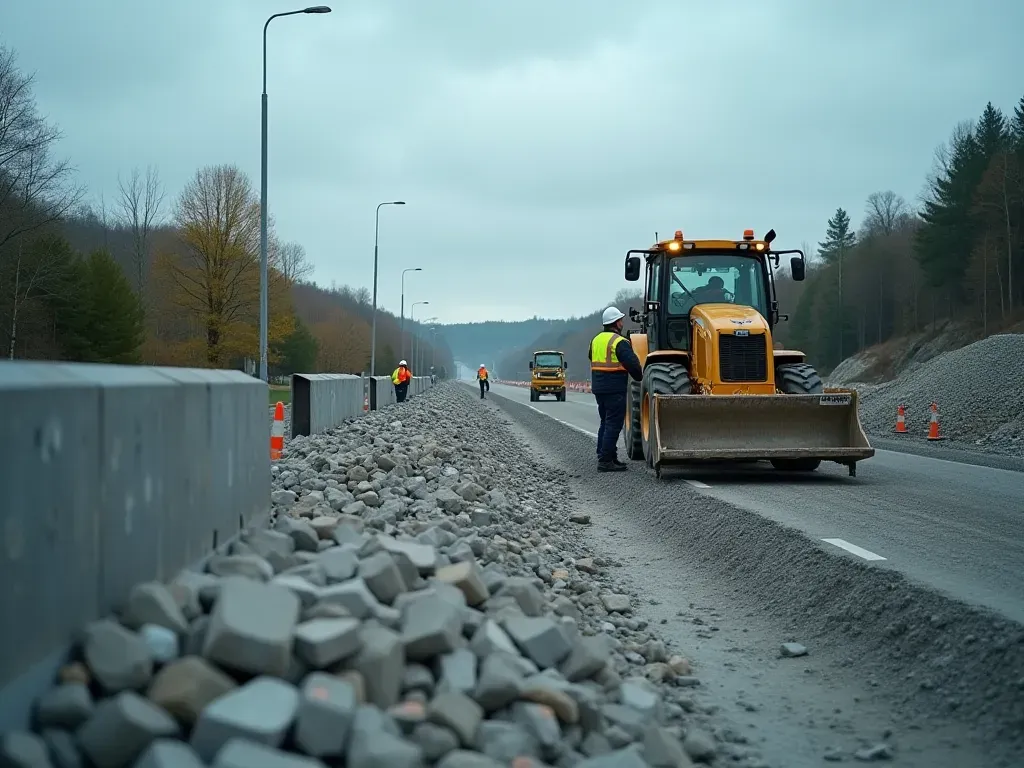
Ready-mix concrete has a shelf life of about ninety minutes. After that, it hardens in the truck. Logistics is everything.
Suprea now operates plants in Mandaue, Toledo, and Cagayan de Oro. But Compostela fills a critical gap for northern projects.
If you are managing a project in the north of Cebu, this new plant reduces your transit time significantly. That saves money and prevents waste.
The company has twenty-five brand-new transit mixers. These aren't old trucks rattling down the road; they are precision tools for delivery.
Who Wins and Who Loses in This Shift
Large government projects are the primary clients. High-rise buildings and major bridges need consistent quality that small local mixers can't guarantee.
Small independent suppliers in Compostela will feel the pressure. They cannot match the scale or the quality control of a corporate subsidiary like Suprea.
This is where the real tension lies. Efficiency wins here, but local livelihoods may shrink as consolidation accelerates.
The Technology Gap in Regional Batching
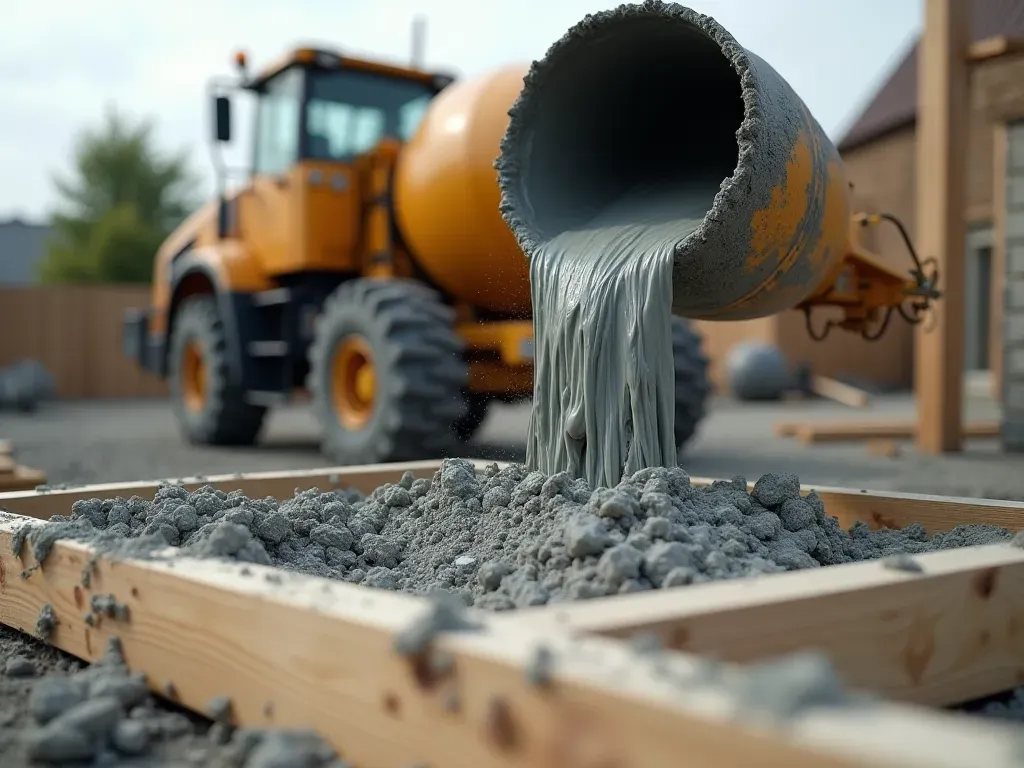
Many regional plants still use manual batching methods. This leads to inconsistent strength and wasted materials.
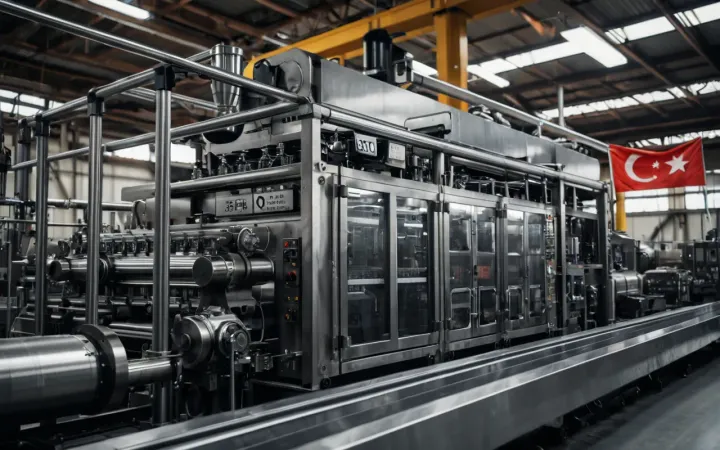
Suprea uses automated systems. This ensures every batch meets the exact specification required by structural engineers.
I have seen projects fail because of inconsistent mix strength. It is invisible until the structure cracks under load.
The new plant likely includes digital monitoring for these parameters. This is a quiet revolution in quality control.
What This Means for Your Next Project
If you are building in Cebu this year, your options have just expanded. You now have a high-capacity supplier within reach.
This means better negotiation leverage. You can demand tighter delivery windows and higher quality guarantees.
The market is shifting from scarcity to abundance. This benefits the buyer but pressures the producer to maintain excellence.
We are seeing a maturation of the local industry. It is no longer about finding concrete; it is about selecting the right partner.
The Bigger Picture of Philippine Infrastructure
The Department of Finance sees the economy regaining five to six percent growth in the second half. This forecast relies on construction output.
Every peso spent on building roads or bridges stimulates local economies. Suprea's expansion is a piece of that national engine.
It is not just about one plant. It is about the network of suppliers that supports it. The whole ecosystem grows together.
This trend is visible in other regions too. The shift toward efficient batching is a global pattern, not just local.
Sustainability and the Concrete Paradox
Concrete production is carbon intensive. But building more also means building better and longer lasting structures.
Suprea claims high quality. Quality concrete lasts decades without major repair. That is a form of sustainability often overlooked.
The industry needs to balance output with environmental responsibility. This new plant is a test case for that balance.
I believe the focus on efficiency is a step in the right direction. Less waste means less environmental burden per unit of output.
Lessons for Industry Leaders Worldwide
This case study offers insights for manufacturers everywhere. Local expansion drives national stability.
Companies that invest in regional hubs gain loyalty and reliability. They become part of the community's identity.
The power of dry concrete batching lies in its scalability and precision. It is a critical tool for modern development.
We can learn from Suprea's approach. They did not just build a plant; they built a partnership with the local government.
This alignment of interests creates stability. It reduces political risk and ensures smoother operations.
Final Thoughts on the Concrete Future
The story of Suprea's new plant is more than a business update. It is a snapshot of how infrastructure evolves.
It highlights the hidden mechanics that keep cities moving. It shows how local decisions have national consequences.
As we look ahead to the end of this year, watch for more expansions like this. The construction sector is waking up.
The concrete we build with defines our future. It is time to pay closer attention to where it comes from.
The next wave of development is already pouring. Are you ready to build on solid ground?
Comments ()