Why Construction Simulator Games Fail to Teach Real Batching Plant Operations

The Virtual Concrete Myth
You fire up a popular construction simulator game. The graphics look incredible. You control a massive batching plant with a few simple button presses. Concrete flows out perfectly every single time. It feels satisfying. And honestly, it is a great way to unwind after a long day of work.
But here is the problem. That virtual experience is a complete lie. Real dry concrete batching plants do not just 'flow'. They demand precise control over aggregate ratios, moisture levels, and mixing times. In a game, you hit a button and the job is done. In reality, missing a single parameter ruins the entire batch. We see this disconnect all the time in the industry.
I have visited dozens of batch plants across different continents. The stress is palpable. Operators monitor screens with intense focus. A slight deviation in sand moisture content can alter the final slump of the concrete. Games ignore these nuances completely. They strip away the friction that defines real construction work. And that friction is exactly where the skill lies.

Why Games Simplify the Process
Game developers have a job to do. They need to keep players engaged. If they included every variable of real concrete production, the game would become unplayable. Imagine having to calculate aggregate absorption rates before every single batch. Most players would quit within minutes. So they simplify. They remove the complexity.
This simplification creates a dangerous misconception. New engineers sometimes watch these games and think real batching is just as straightforward. It is not. Real mixing involves intricate timing. The drum must rotate at specific speeds. Cement hydration begins the moment water touches the powder. You cannot pause that process like a video game.
The Cost of Getting It Wrong
In a virtual world, a failed batch means you restart the level. In the real world, it means thousands of dollars in wasted material. And potentially compromised structural integrity. I remember a project in 2024 where a minor calibration error led to a 15% strength reduction in a foundation slab. The entire section had to be demolished. That is the stakes you face daily.
Games never show you the financial pressure. They hide the supply chain logistics. They ignore the weather variables that change moisture content by the hour. Real operators deal with all of this simultaneously. And they have to make split-second decisions. There is no save file. There is no undo button. Just the reality of the job.

The Reality of Dry Batching Operations
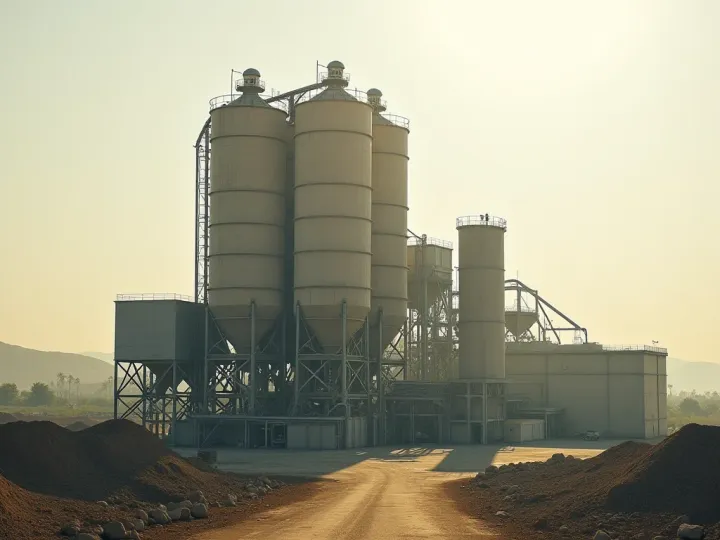
Let us look at what actually happens in a dry concrete batching plant. The process starts with precise weighing. Aggregates are measured by weight, not volume. This is crucial for consistency. Then cement and admixtures are added. The mixer drum rotates to blend everything thoroughly. Only then is water introduced during transit or at the point of use.
This method offers incredible flexibility. It allows for longer transit times without the risk of premature setting. It reduces waste significantly. But it requires highly skilled operators. They must understand the chemistry of the mix. They need to anticipate changes in material properties. A game cannot simulate this depth of knowledge.
Automation Does Not Mean Simplicity
Some might argue that modern automation makes batching easy. You just press a button on a computer screen. And sure, the machine does the heavy lifting. But automation requires constant oversight. Sensors can drift. Weighing modules need regular calibration. If you ignore these maintenance tasks, the entire system fails. Games do not simulate maintenance cycles.
We manufacture dry concrete batching plants for all over the world. We see how different environments affect operations. Humidity in tropical regions changes everything. Dust in arid zones clogs filters rapidly. Temperature swings freeze water lines in winter. These are real challenges that demand real solutions. A simulator simply cannot account for global variability.

What Simulators Get Right
I am not saying these games are worthless. They do capture the scale of construction. They show the massive machinery involved. Crane operations are often simulated with surprising accuracy. The logistics of moving materials around a site can be genuinely complex. And for beginners, they provide a safe space to learn basic workflow concepts.
But they stop at the surface. They never touch the material science. They ignore the chemical reactions that create concrete. They do not show the tension of meeting a strict delivery schedule. Real batching is a race against time. Once the truck leaves the plant, the clock starts ticking. You cannot let the concrete set on the road. That pressure is missing from virtual worlds.
The Learning Gap
Engineering schools sometimes use simulations for training. This is helpful for general project management. But for specific technical skills, they fall short. You cannot learn to troubleshoot a jammed screw conveyor through a video game. You need hands-on experience. You need to feel the vibration of the machine. You need to smell the dust. These sensory details matter.
And let us be clear about this. We are not criticizing the gaming industry. They are entertainers first. Their goal is fun. Our goal is structural integrity. We supply plants that build bridges, highways, and skyscrapers. The responsibility is huge. If a simulation teaches bad habits, it could have real-world consequences. We need better educational tools for this sector.

Bridging the Virtual and Real Worlds
Could we ever see a truly realistic construction simulator? Maybe. Technology is advancing fast. Virtual reality headsets are becoming more immersive. Haptic feedback suits are being developed. Perhaps in the future, we will have simulators that replicate the exact feel of operating a batch plant. Until then, we must rely on traditional training methods.
We believe in combining digital tools with physical mentorship. New operators should spend time on the floor. They should watch experienced staff handle emergencies. They should learn to read the machine sounds. A high-pitched whine means a bearing is failing. A change in drum speed indicates a viscosity issue. These are lessons you only gain through presence.
The construction industry needs respect for its complexity. It is not just about stacking blocks or mixing powder. It is about precision engineering. It is about material science. It is about logistics and safety. Games will always be a simplified version of reality. And that is fine. But we must not confuse the map with the territory.
Why Precision Matters in Global Projects
Consider a major infrastructure project in a remote location. Transporting materials is expensive. Every batch counts. If a mix is too wet, it loses strength. If it is too dry, it cannot be placed properly. The margin for error is razor-thin. Operators must be trained to handle these variations without hesitation. This level of competence cannot be gamified.
We have seen projects succeed because of disciplined batching practices. We have also seen them fail due to negligence. The difference is often the training of the staff. If they understand the science behind the mix, they can adapt to changing conditions. They can adjust water content based on humidity. They can tweak admixture ratios for temperature shifts. That is real skill.
The Human Element
Technology helps, but humans lead. The best batch plants in the world are run by teams who care about their output. They take pride in consistency. They check their equipment daily. They communicate clearly with truck drivers and site supervisors. This culture of quality is something no game can replicate. It is built on shared values and rigorous standards.
So next time you play a construction simulator, enjoy the experience. It is entertaining. But remember that the real thing is far more demanding. It requires focus, knowledge, and dedication. If you are considering a career in this field, look for hands-on training programs. Seek out mentors who have decades of experience. The virtual world will not teach you everything you need to know.

Frequently Asked Questions
Can construction simulator games accurately teach batch plant operations?
No, they cannot. Construction simulators simplify complex processes for entertainment purposes. They ignore critical variables like moisture content, chemical reactions, and equipment maintenance. Real batch plant operations require precise technical knowledge and hands-on experience that games cannot provide. Players may learn basic workflows, but not the detailed skills needed for actual production.
What is the main difference between dry and wet concrete batching?
In dry batching, aggregates and cement are mixed first without water. Water is added later during transit or at the site. Wet batching mixes all ingredients including water at the plant. Dry batching offers greater flexibility for long transit times and reduces the risk of premature setting. It is often preferred for large-scale or remote projects.
How do environmental factors affect concrete mixing methods?
Environmental factors significantly impact concrete quality. High humidity increases moisture in aggregates, requiring less water in the mix. Extreme heat accelerates hydration, potentially causing rapid setting. Cold temperatures slow down the chemical reaction. Operators must adjust mix designs daily based on weather conditions to maintain consistent strength and workability.
Why is calibration important for batching plant equipment?
Calibration ensures accurate measurement of materials. Weighing modules drift over time due to wear and tear. If sensors are not calibrated, the mix ratio becomes incorrect. This leads to structural weaknesses or wasted resources. Regular calibration checks are essential for maintaining quality control and meeting engineering specifications in every batch produced.
What skills are required to operate a dry concrete batching plant?
Operators need strong technical knowledge of concrete chemistry. They must understand aggregate properties and admixture functions. Attention to detail is critical for monitoring screens and adjusting parameters. Problem-solving skills are necessary for troubleshooting equipment issues. Effective communication with drivers and site teams ensures smooth logistics and timely delivery.


Comments ()