How Rising Automation in Dry Concrete Batching Plants Could Reshape Global Construction Power Dynamics
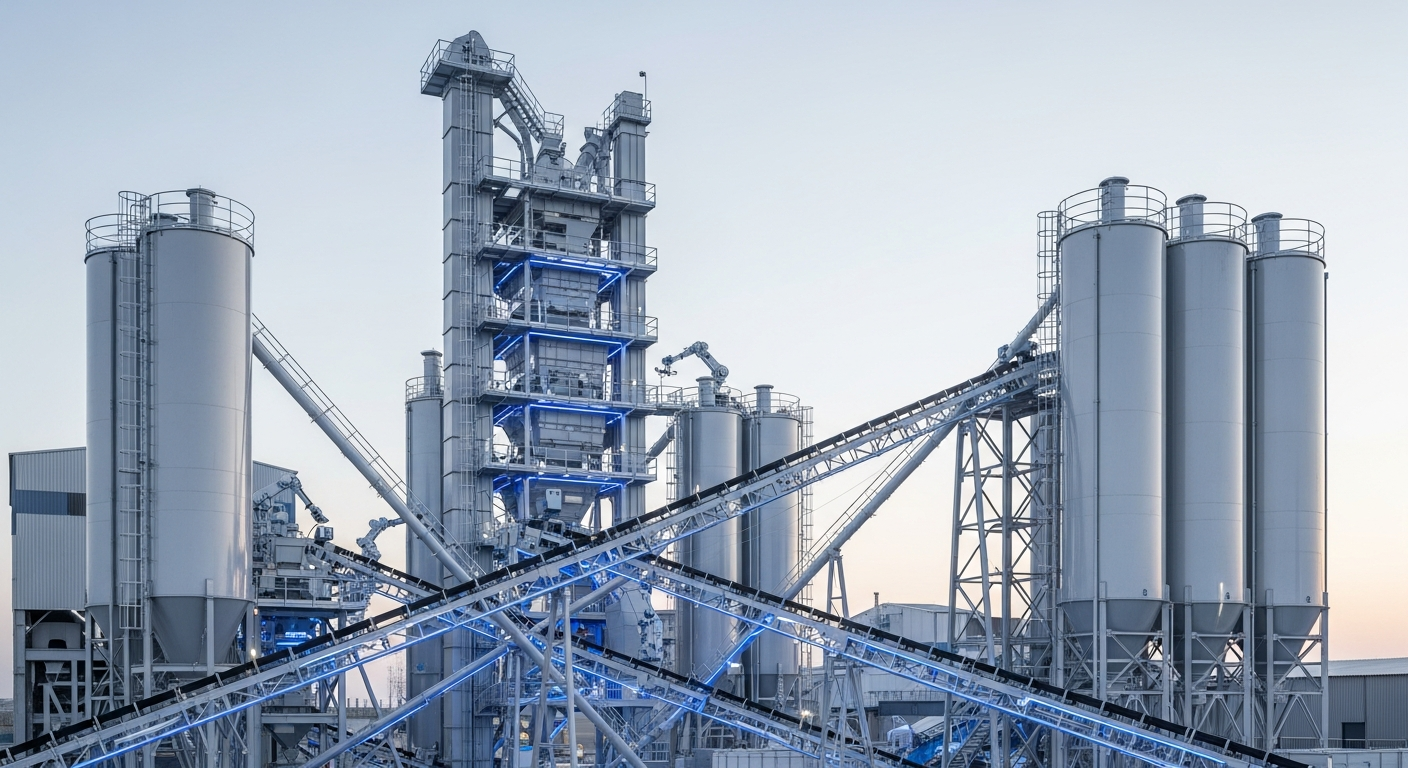
The Automation Boom Unexpectedly Shaking the Foundations of Construction Industry Power
Underreported Market Shift Could Trigger a Global Reshuffle in Construction Power
What many analysts and industry commentators are missing is how profound the influence of automation will be on the distribution of market power. As dry concrete batching plants become smarter, their capabilities extend far beyond simple mixing—and into realms that influence project timelines, quality control, and environmental compliance. Companies with early access to these advanced systems stand to dominate local and international markets, not solely because of equipment efficiency but through data-driven decision-making and predictive analytics. This shift could marginalize traditional manufacturers who rely heavily on regional presence and extensive manual operations, potentially creating a new competitive frontier where technological agility becomes the key to domination. Furthermore, as global infrastructure projects accelerate—driven by urbanization in developing countries and infrastructure investments in wealthier nations—the companies that can deploy these smarter plants quickly and at scale will gain strategic leverage. The underreported aspect is how this technological evolution could lead to unprecedented market consolidation or even destabilize existing industry giants, forcing a re-evaluation of what constitutes industry power in a future dominated by digital transformation.
The Hidden Cost and Opportunity of Early Adoption in Automated Batching Technology
While automation promises a revolution in efficiency, those who leap early into adopting these technologies face both significant opportunities and risks. Smaller firms or new entrants investing in cutting-edge dry batching plants with integrated AI and IoT control systems can drastically reduce operational costs and increase project flexibility, thus gaining a competitive edge. Yet, the initial capital investment remains high, and navigating rapidly evolving technology standards can be daunting. Those who hesitate risk falling behind, stuck with outdated equipment or manual processes that cannot meet the efficiency and compliance demands of future projects. This early adoption dilemma underscores an often-overlooked strategic dimension of technological innovation: the winners are not necessarily the largest or most established players, but those who adapt agilely and understand the significant long-term cost savings and productivity gains. For international contractors and investors, recognizing this trend could mean the difference between leading the next construction wave or being marginalized as rivals innovate past traditional standards. Simply put, the early movers could redefine global industry leadership in ways that are only just beginning to emerge.
Implications for Construction Economies and Industry Power Structures
The broader implication of automation in dry concrete batching plants extends beyond individual companies. As the industry shifts toward highly efficient, AI-integrated operations, entire national and regional economies could see significant impacts. Countries or regions that lead in adopting these advanced solutions may gain a strategic competitive advantage in global construction markets, attracting more investments and establishing themselves as innovation hubs. Conversely, traditional manufacturing powerhouses that fail to quickly adapt risk losing their influence and market share altogether. This dynamic mirrors other high-tech sectors where early technological leadership correlates directly with economic and geopolitical influence. Furthermore, as automation reduces the dependency on manual labor—especially in developing markets—there could be social and economic ripple effects, including job displacements and new skill requirements. This complex interplay highlights a pivotal turning point: technological innovation, particularly in dry batching plants, is becoming a new battleground for global economic power and influence within the booming infrastructure sector.



Comments ()