The Hidden Power Dynamics Among Global Batch Plant Manufacturers Reshaping Construction Innovation

Unveiling the Power Play Within the International Construction Manufacturing Arena
While the global construction landscape appears fractured into regional markets, a closer look reveals an intricate web of influence centered around key manufacturers of dry concrete batching plants. These companies, often overshadowed by architectural firms or engineering giants, wield immense power in setting standards, pushing technological boundaries, and indirectly shaping urban development trends worldwide. The leading names—such as Asian Construction Equipment Group, BHS-Sonthofen, and Putzmeister—operate as silent architects of modern infrastructure. They determine not just what equipment is available but also how construction projects are designed for efficiency, durability, and sustainability. Yet, amidst the roaring growth of emerging markets and colossal infrastructure projects, little attention is paid to how these manufacturing giants continuously adapt to, or even dictate, the evolving demands of construction technology, environmental regulations, and global competition.
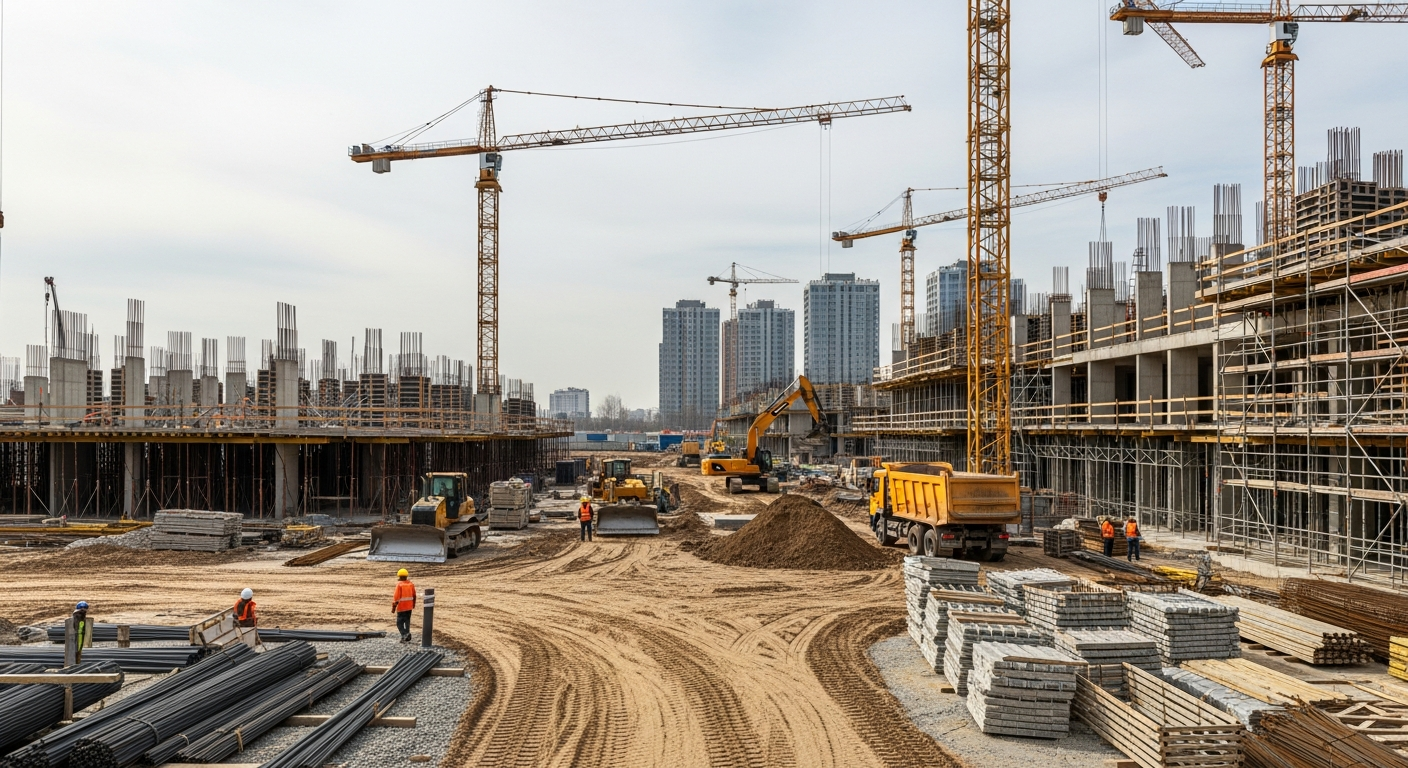
Why the Quiet Dominance of Certain Brands Could Determine the Future of Construction
Most industry players focus on project bids, materials, or labor costs, but behind the scenes, manufacturers like Camelway Machinery and Ammann Group are shaping the very tools that define project efficiency and scope. Their innovations—ranging from hybrid concrete machinery to mobile batching solutions—are not just technical upgrades but strategic moves that influence how fast or large projects can be executed. This quiet dominance becomes especially pivotal when considering sustainability commitments, as manufacturers increasingly incorporate eco-friendly materials and automation into their designs. When industry insiders assess future prospects, they often overlook how tightly these manufacturing titans control the supply chain of construction equipment, effectively influencing which construction methods become standard or outdated. The dominance of these firms also fuels a competitive race for technological innovation, which could reinforce or challenge existing market leaders and regional players alike.

The Underreported Impact of Technological Leadership in Construction Equipment Manufacturing
While headlines frequently highlight project volume or policy changes, what remains underreported is how technological leadership among certain manufacturing firms accelerates the adoption of sustainable practices and efficiency improvements. For example, companies like CIFA, known for its hybrid systems and innovative pumps, are setting new standards whereby construction sites are more energy-efficient and environmentally friendly than ever before. This leadership trickles down, prompting local manufacturers and regional markets to embrace cutting-edge solutions—often outpacing regulatory deadlines or international standards. In essence, these manufacturing companies serve as catalysts, shifting industry paradigms much faster than public policy can keep up. Their innovations not only influence current projects but lay the foundation for emerging construction techniques that could radically redefine urban development worldwide.

Who Really Wins and Who Loses When Manufacturing Giants Decide Industry Standards
The consolidation of manufacturing power within a handful of global firms raises critical questions about industry resilience and innovation diversity. On one hand, their resource pool and R&D capabilities drive rapid technological advances that benefit the entire construction ecosystem, supporting larger and more complex projects. On the other hand, this concentration can stifle competition, marginalize local manufacturers, and inadvertently create vulnerabilities—where a disruption in a dominant firm's supply chain could stall global construction activities. The race to dominate is further complicated by geopolitical factors, trade policies, and environmental standards, which influence these companies' strategies and market access. As a result, the industry risks becoming overly centralized, where a few key players hold sway over the future landscape, potentially leading to less innovation diversity and higher costs for consumers. Recognizing these dynamics is essential for stakeholders aiming to foster a balanced, resilient construction ecosystem.

The Future: How Emerging Manufacturing Trends Will Define Construction in the Next Decade
Looking ahead, the trajectory of the construction industry hinges heavily on the evolution of manufacturing innovation. Smaller firms leveraging advanced manufacturing techniques—such as 3D printing of concrete or modular factory-produced batching systems—are poised to disrupt traditional supply chains and project timelines. As industry leaders invest heavily in automation, artificial intelligence, and eco-friendly materials, the entire construction process could become more streamlined, cost-effective, and environmentally sustainable. The rise of digital twins and real-time automation in batching plants may enable unprecedented precision and flexibility, allowing projects to adapt dynamically to changing conditions. This technological evolution promises to redefine efficiency, safety, and sustainability in construction—shifting power ever more towards manufacturing innovators who set the standards of tomorrow.

Comments ()