Why Most Concrete Batching Plant Operators Never Actually See The Working Principle
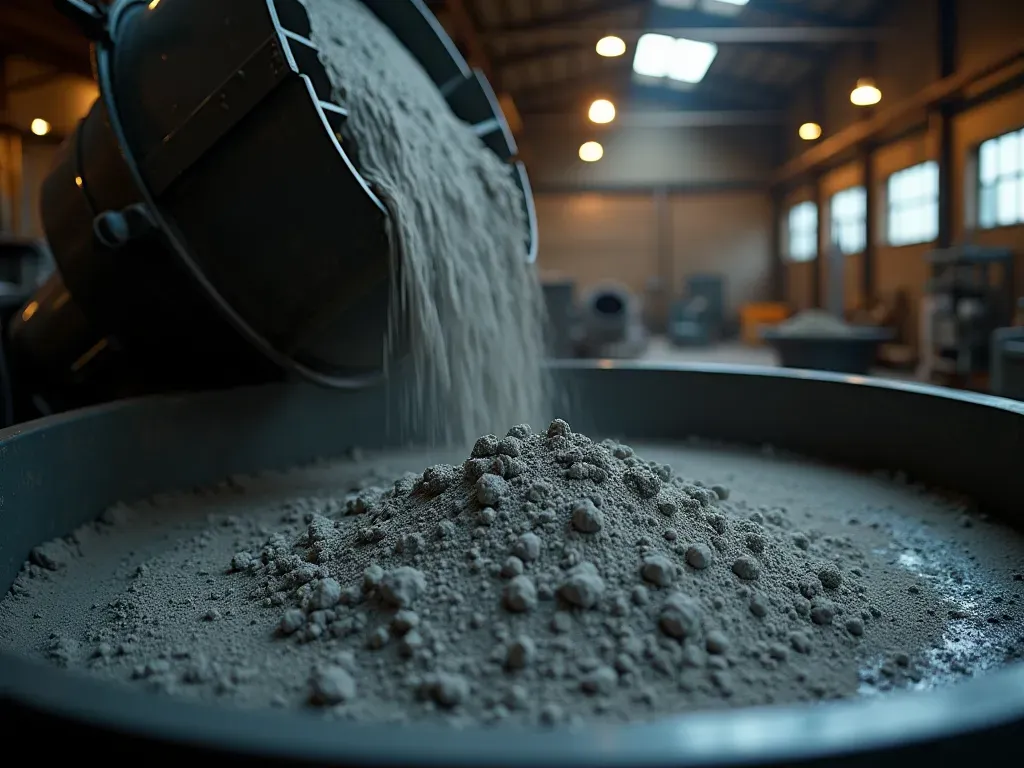
The machine you run is not the one you think it is
I've walked into plenty of plants where the operator can start and stop a batch with one finger. But ask them to explain how that aggregate actually got weighed, or why the cement silo is venting at AM, and you will see their eyes glaze over.
That disconnect between the control screen and the physical reality of the plant is where money leaks out. It is also why your batching plant is likely wasting 15% of its daily output right now without anyone noticing until the invoice hits.
The working principle is not a textbook diagram. It is a choreography of hoppers, gates, conveyors, and scales that happens in seconds you never see.
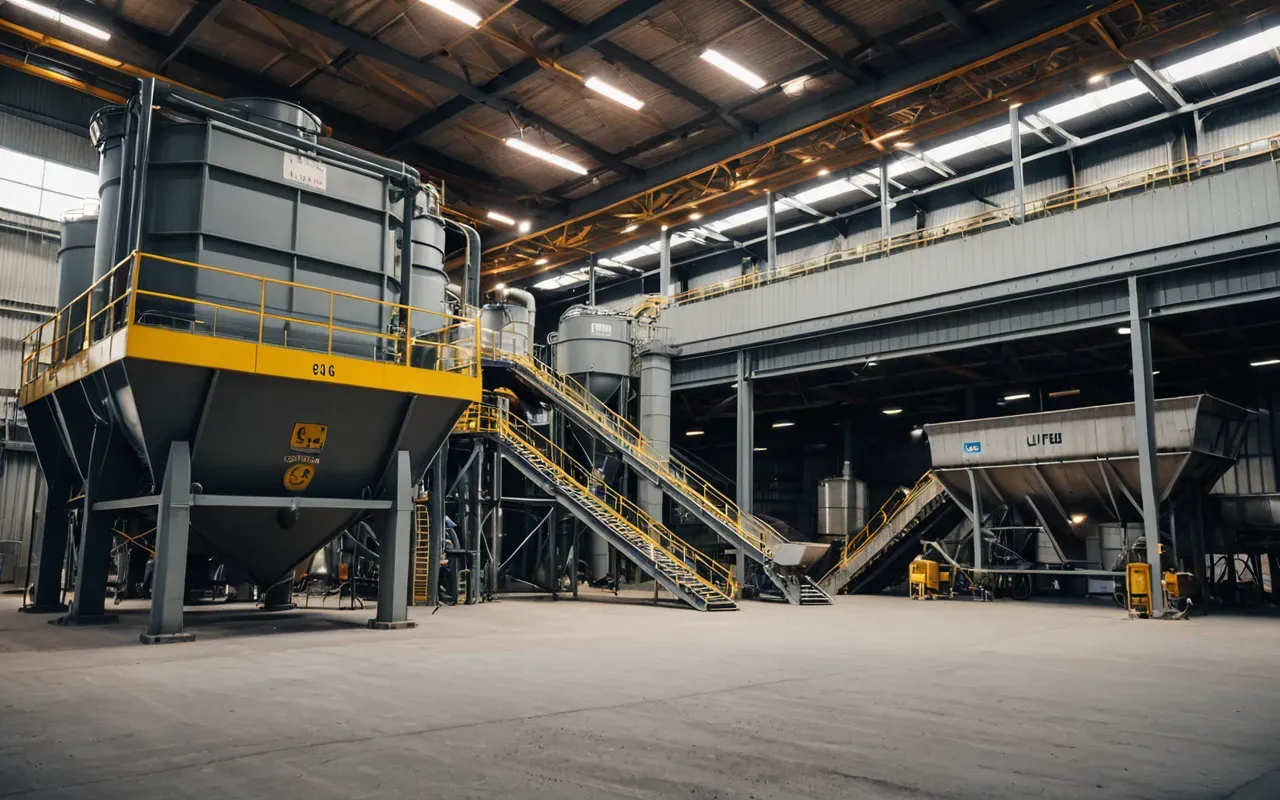
Step one is feeding the aggregates and it happens faster than you think
In a dry batching setup, the aggregate bins are usually at ground level. A conveyor belt or bucket elevator pulls sand and gravel up to elevated hoppers.
Here is the thing. Most operators assume gravity does all the work once the material reaches the top bin.
But in a dry plant, there is no water to lubricate the flow. The aggregate has to fall freely into the weighing hopper.
If that material bridges or sticks to the walls of the chute, your scale reads a number you will trust. And then your mix is wrong.
Why flow consistency matters more than scale precision
I once audited a plant in a coastal region where the humidity was killing their aggregate flow. The scale was calibrated perfectly to within one percent.
But because the sand clumped in the transfer chute, they were actually putting three percent less fine aggregate into every batch.
The concrete looked wetter than it should have been. The slumps were off by ten millimeters on average.
The operator blamed the cement supplier. The engineer blamed the aggregate batch. No one looked at the hopper geometry.
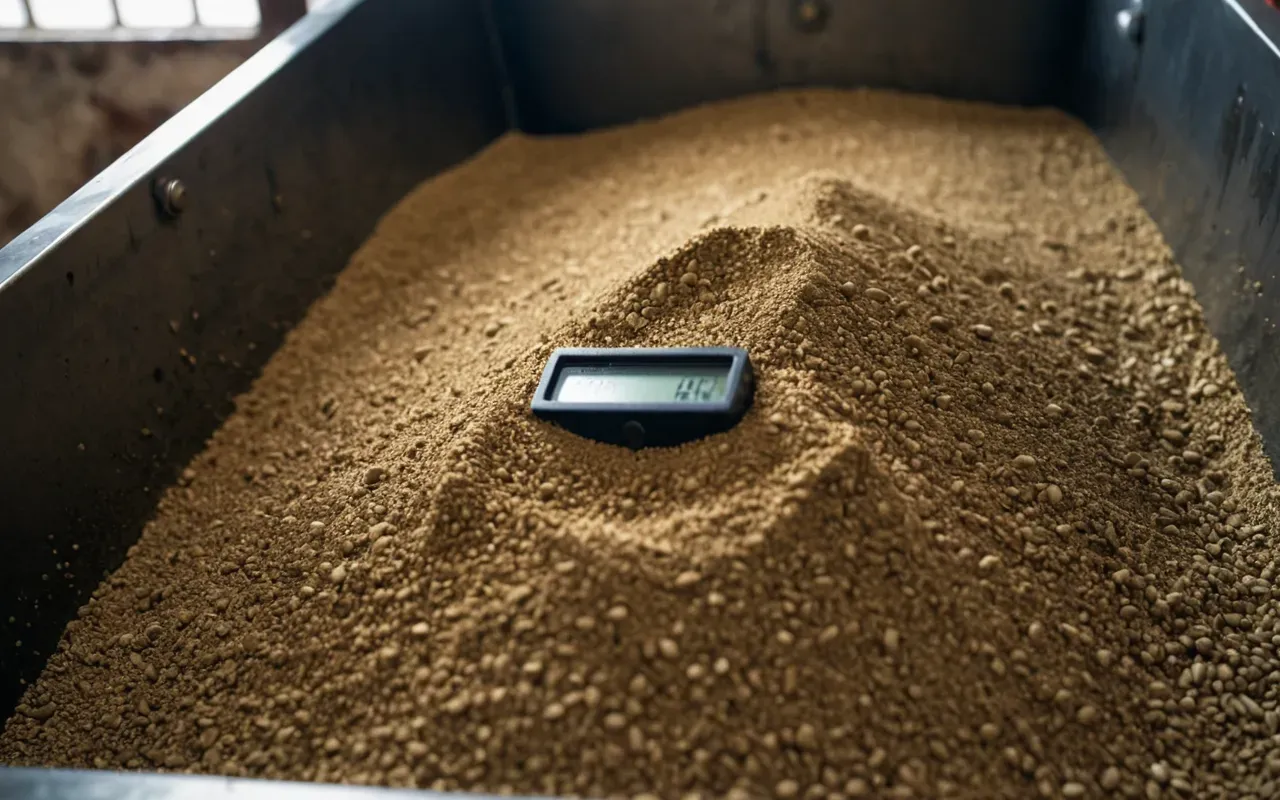
The cement dosing is where the real precision lives and most plants ignore it
Cement is the expensive ingredient. It is also the one where a tiny error compounds into big structural risks.
In dry batching plants, cement is usually stored in silos and then metered by a loss-in-weight scale or a volumetric feeder.
Loss-in-weight systems track how much cement leaves the hopper by measuring the change in total weight.
Volumetric feeders measure speed and assume a constant density. That assumption breaks down the moment your cement brand changes or humidity shifts.
The hidden variable is material density drift
We found that plants switching between two cement suppliers with similar names but different particle sizes saw a four percent swing in effective dosing.
They were using the same volumetric setting. The scale said it was accurate. But the actual mass of cement in each batch varied wildly.
This is a classic example of why the specific sensor error costing you thousands in dry concrete output often hides behind good-looking control screens.
If you are running a volumetric system, I would not trust it without monthly density checks. It is cheap insurance.
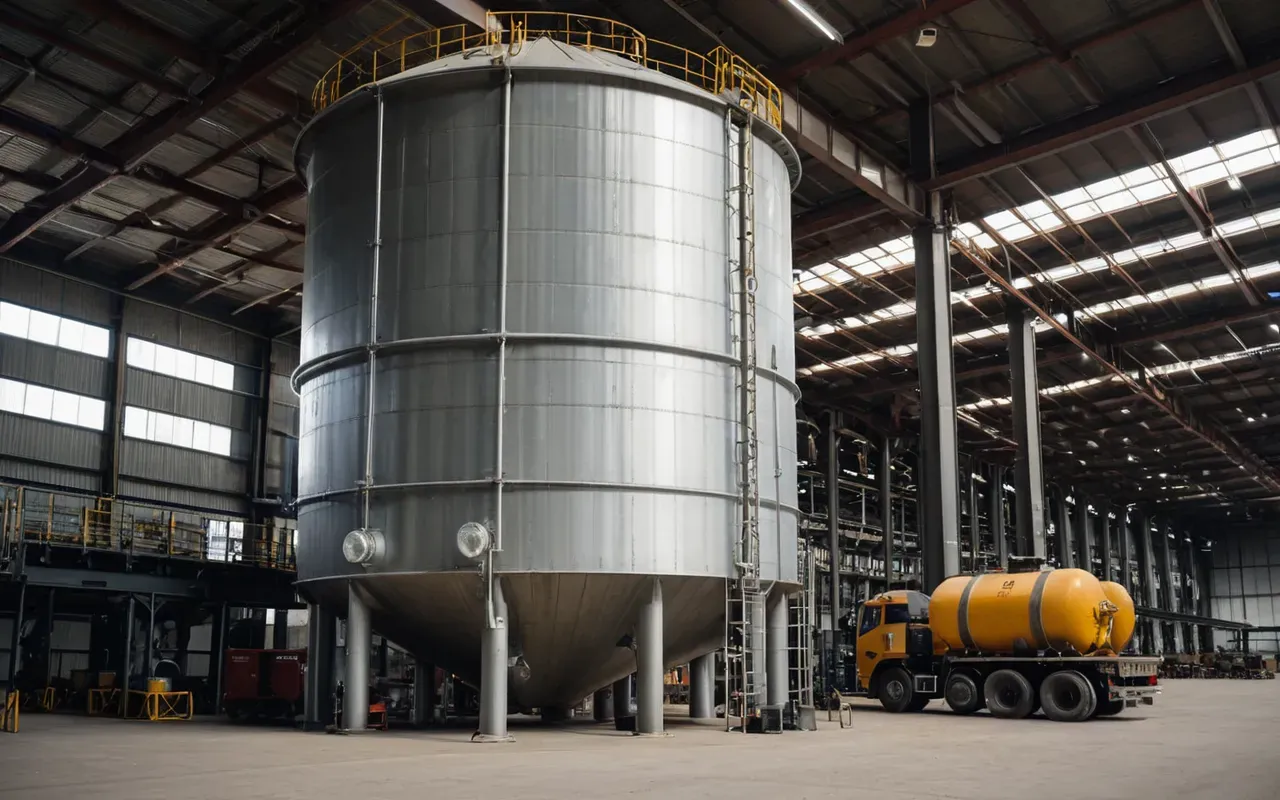
The mixing chamber is where dry and wet batching diverge completely
In a conventional plant, water goes in early. The mixer becomes a wet slurry environment.
In dry batching, the cement and aggregates are blended while still dry. Water is added at the very last moment or even later in transit.
This changes everything about how you clean the mixer and how long it can sit between batches.
Why dry mixing creates different homogeneity challenges
Cement is light and fluffy. Aggregates are heavy and dense.
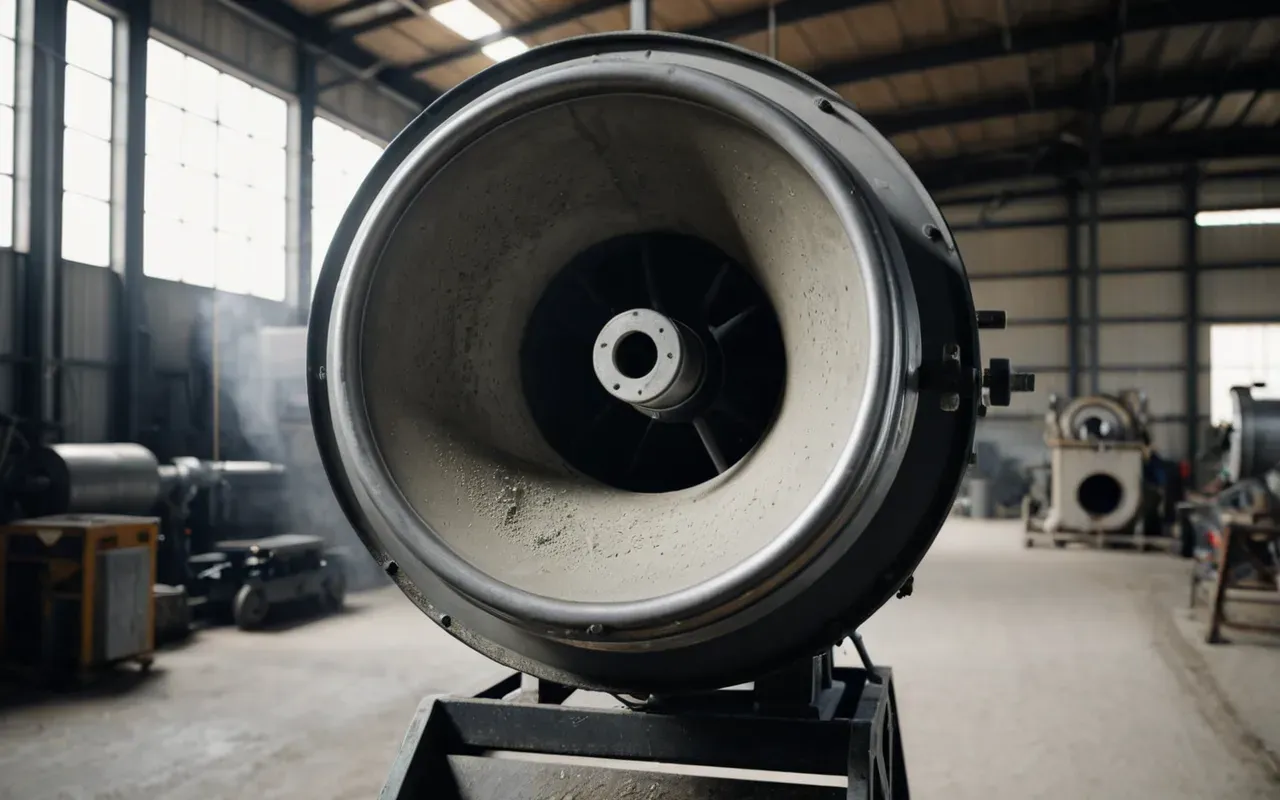
If your mixer shafts do not create enough turbulence, the cement will stay near the top while gravel settles to the bottom.
You end up with a batch that looks uniform in the drum but is actually stratified by density.
When water finally hits this mix at the jobsite, you get streaks of high-cement paste and pockets of lean aggregate.
This is not a theoretical risk. It happens on site when the truck driver waits too long before adding water.
The control system is the brain but it only knows what you tell it to sense
A modern batching plant runs on a PLC or an HMI panel. The operator sees buttons and numbers.
But the controller is just executing a sequence based on sensor inputs. If an input is wrong, the output will be confidently wrong.
I have seen plants where a single stuck limit switch caused the conveyor to run for an extra two seconds on every batch.
Two seconds. Over a hundred batches a day that is a lot of extra aggregate and wasted energy.
How to test if your control logic matches reality
Do a manual timing run. Stop the automatic sequence and time each gate opening with a stopwatch.
Compare those times to what your HMI screen says. If there is more than half a second of drift, you have a problem.
This kind of audit takes an afternoon. It has saved several clients over fifty thousand dollars in material waste per year.

The discharge process is where most quality complaints actually start
You mix the batch. It looks perfect in the drum.
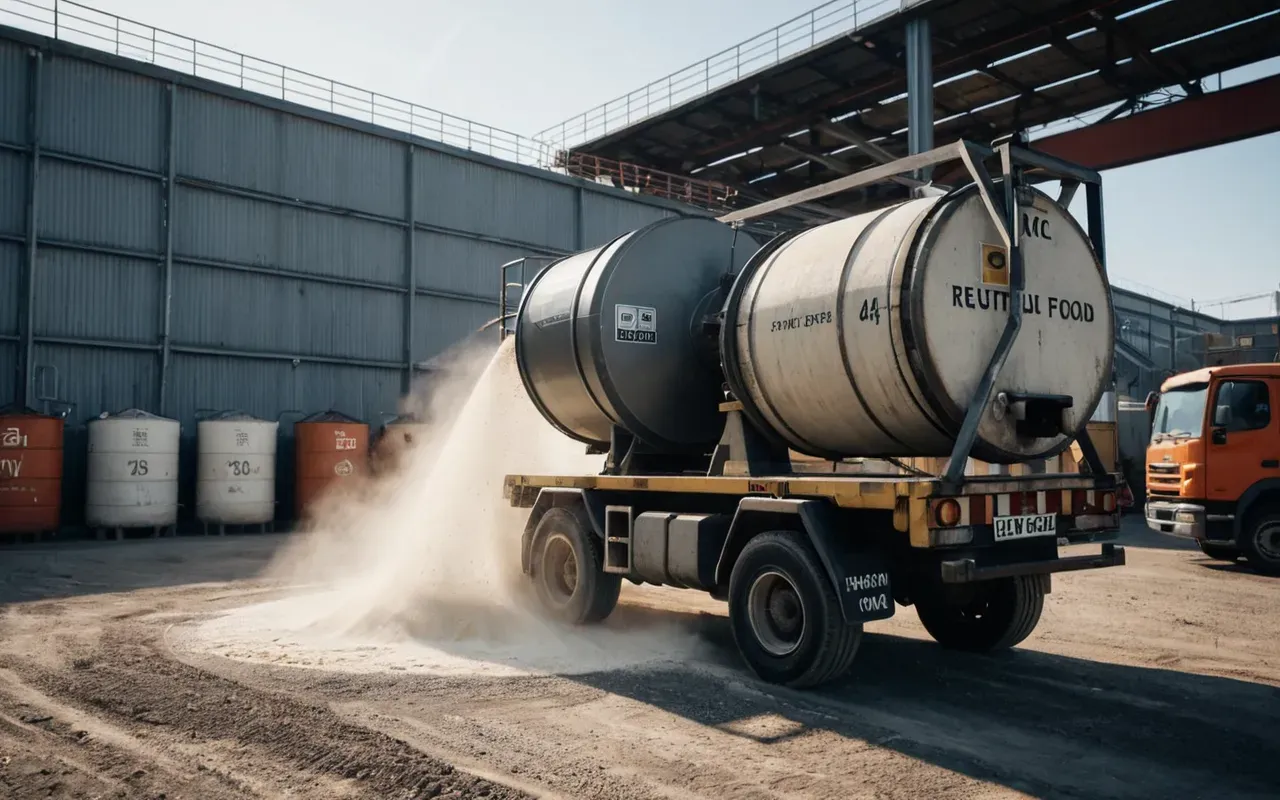
Then you discharge it into a truck or a bagging system. And suddenly some of that dry cement is sticking to the chute walls.
That leftover material will mix with your next batch. It changes the ratio without you knowing it.
Why chute design is an underrated factor in mix consistency
Sharp angles trap powder. Smooth, sloped chutes let material flow freely.
If your chute has a radius of less than thirty degrees at the bottom bend, you are inviting segregation.
I recommend inspecting your discharge path every shift. Look for cement dust buildup on the inner surfaces.
If you see a thick layer of powder that does not fall off when you tap the steel, your geometry is fighting against flow.
The maintenance blind spots that quietly break the working principle every day
Most plants have a checklist. Check oil levels. Grease bearings.
But few checklists include testing the actual weighing accuracy under real load conditions every week.
The zero drift problem in aggregate scales
Load cells have memory. If you slam a hopper full of gravel into position and then wait ten minutes for the reading to stabilize, your zero point has shifted.
The scale thinks it is at zero. But physically there is residual stress in the frame.
This can cause a consistent under-dose of two to three percent. Over time that is significant material loss.
Why cleaning the mixer does not equal resetting the batch
In dry batching, residual cement is less of a problem than in wet mixing. But it still adds to the next charge.
If you do not purge the system properly after a shutdown, that old dust mixes with fresh cement. The particle size distribution changes.
Your dosing equipment is calibrated for new powder. It is not calibrated for a blend of old and new.
Frequently Asked Questions
What is the main difference between dry and wet concrete batching plants
Dry batching mixes cement and aggregates without water until the very end. Wet batching adds water during the mixing process in a drum or pan mixer. Dry systems produce powder that is stored or transported, while wet systems produce ready-to-use concrete slurry.
How does the weighing system in a batching plant ensure accuracy
Load cells measure the weight of materials as they are added to hoppers. The control system compares this measured weight against a preset target value and closes the gate when the limit is reached. Accuracy depends on stable load cell calibration, proper hopper design, and consistent material flow without bridging or sticking.
Why is cement dosing more critical than aggregate weighing in quality control
Cement determines the strength and durability of concrete. A small error in cement quantity can significantly alter compressive strength, whereas aggregate variations have a smaller impact on structural performance. Because cement is also the most expensive component, precise dosing directly affects both safety and cost efficiency.
Can a batching plant operate without an automatic control system
Yes — you can absolutely run it manually. Someone just watches the gates and opens or closes them based on what they see, or on a timed sequence. But here's the catch: that approach can't really match an automated setup running load cells and sensors. Not for precision, not for consistency. And once you're pushing high production volumes, manual batching starts costing you — more human error, more wasted material.
What causes cement dust buildup in the discharge chutes of dry batching plants
Sharp angles are a problem. So is a poorly designed slope, and static electricity. All three make fine cement particles cling to the chute walls. Let that buildup sit long enough and the effective capacity of the channel changes — which means your flow rates start drifting. Regular cleaning helps. So do smooth geometric transitions. Together they keep material from hanging up and keep discharge performance steady.



Comments ()