Your new apprentice is failing because they spent weeks learning to send emails

The Curriculum That Forgot How To Build Things
Thirty hours. That's how long some electrical students spend in a vocational classroom learning how to send an email. Absurd? Sure. Especially when you consider that same time could have gone toward programmable logic controllers.
We live in a digital age where automation drives efficiency. And yet the trade schools producing our next generation of operators are stuck somewhere in the past. That disconnect isn't just annoying — it's costing billions in delayed projects.
Why The Industry Is Bleeding Productivity Now
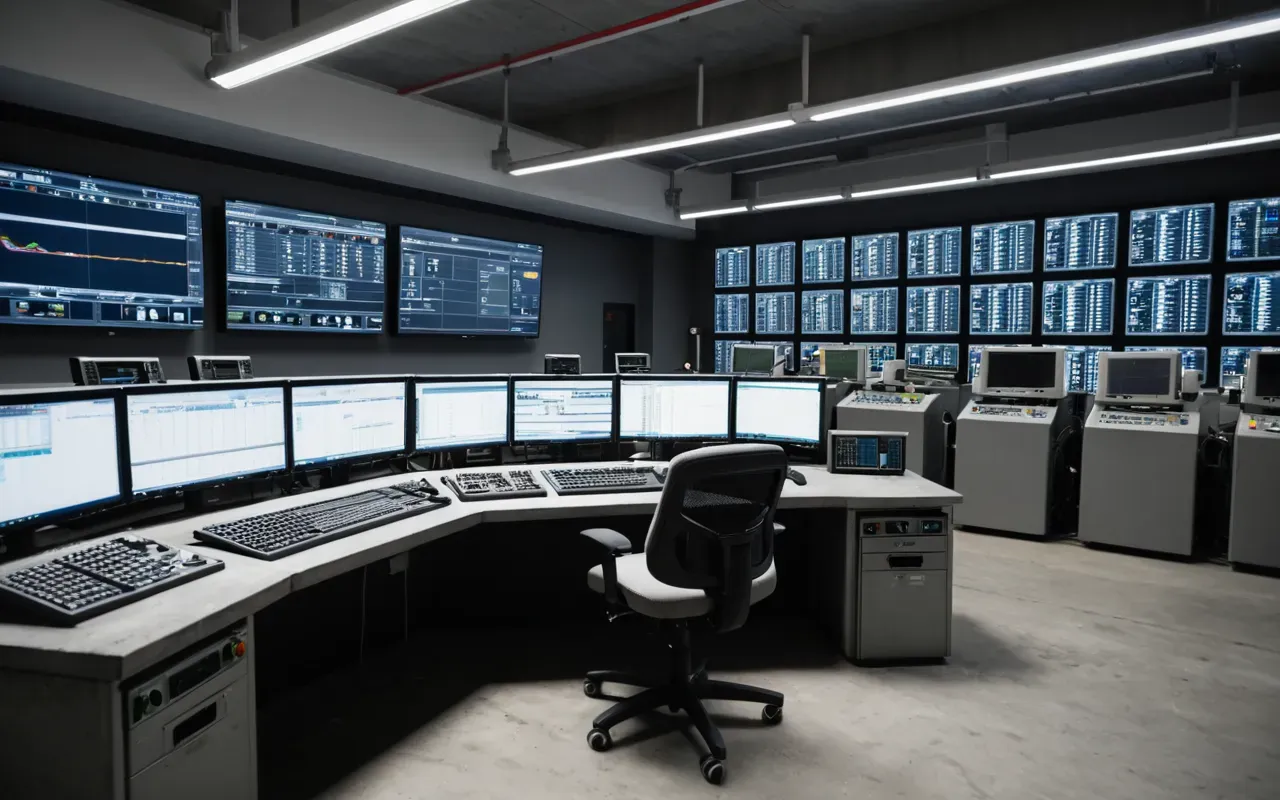
Contractors tell me the same thing over and over: new hires show up without basic competency. They can't handle modern machinery. They can't interpret digital workflows. So experienced crews stop what they're doing and provide informal training on the spot.
The cost is staggering. Every hour spent retraining a novice is an hour lost in production. And for companies relying on precise concrete batching, that delay can cascade into massive supply chain failures.
The Hidden Cost of Unqualified Labor
It's not just about slow work, either. Errors made by untrained staff require costly corrections. Get a concrete mix wrong and you can ruin an entire batch of material — waste and financial loss, all in one go.
We see this pattern repeatedly. Companies are forced to let go of promising hires who simply can't keep up with the pace of modern industrial sites. Frustrating cycle. It harms everyone involved.
The Stakes Are Higher Than You Think
Consider the scale of it. Thousands of workers are needed every year just to replace retiring experts. If their training is flawed from day one, we face a critical talent crisis in the coming decade.
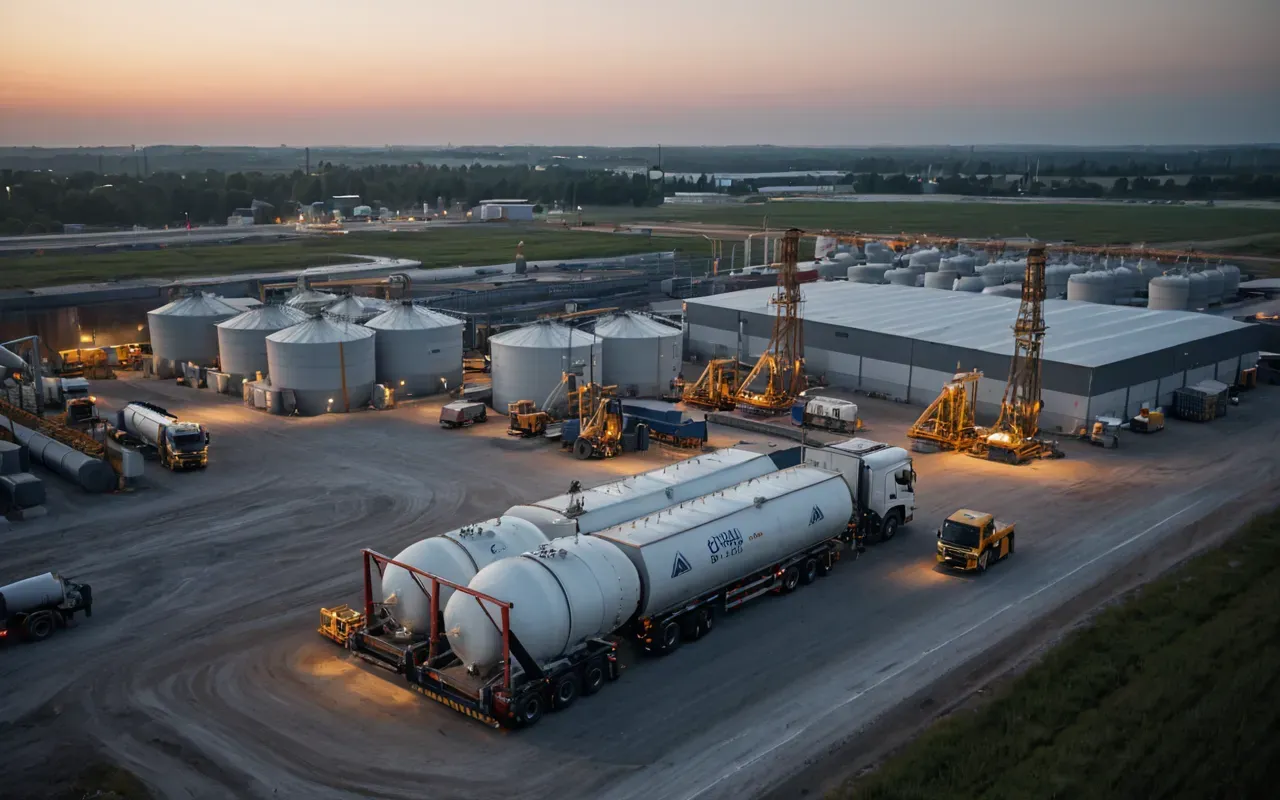
And this isn't a local issue. It affects global supply chains for concrete and building materials. Our inability to train skilled operators quickly hinders the adoption of advanced batching technologies.
Who Wins In This Skill Shortage
The companies that win are the ones investing in their own training programs. They know they can't rely solely on external vocational schools to prepare staff for specific machinery and workflows.
Conversely, firms that ignore this gap will struggle to maintain efficiency. They'll lose out to competitors who can deploy skilled teams faster and with fewer errors on complex projects.
The Role Of Modern Technology In Training
Technology offers a way out. Simulations and virtual reality can bridge the gap between classroom theory and site reality. These tools let students practice operating complex systems without risking real equipment.
Picture a student practicing concrete batching sequences on a digital twin before ever touching the real machine. That builds muscle memory and confidence — and cuts the risk of costly mistakes.

Bridging The Gap With Practical Skills
The key is relevance. Training has to reflect the tools actually used on modern sites. Which means focusing on automation interfaces and digital workflow management, not outdated manual processes.
We need a partnership between educators and industry leaders. Only by aligning curricula with real-world demands can we produce graduates who are truly ready for the job from day one.
What This Means For Concrete Batching Operations
For those in the concrete industry, this skill gap is a direct threat to efficiency. Modern plants rely on precise automation and skilled operators to maintain quality and throughput.
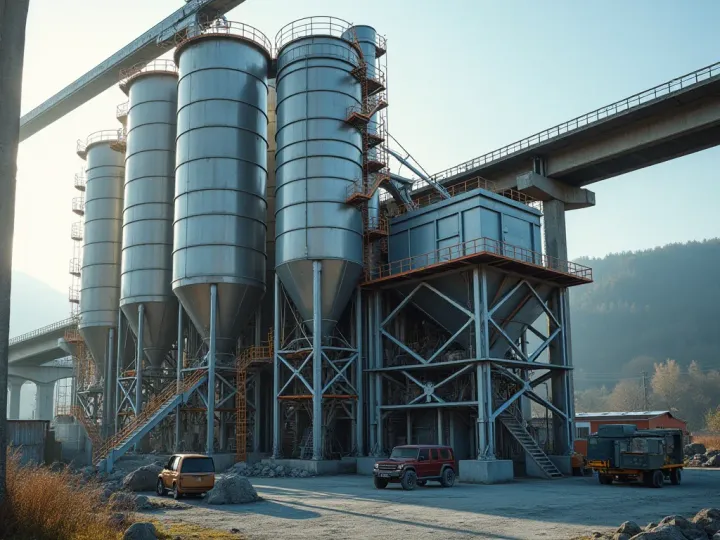
If your staff lacks digital literacy or automation knowledge, you are losing potential capacity. This is a critical issue for anyone managing the complex processes inside modern batching facilities.
The Financial Impact Of Training Gaps
Every hour of downtime due to operator error is a lost revenue opportunity. The cost of retraining far exceeds the investment in proper initial education and simulation tools.
We've seen this pattern before in other industries. When training fails to keep pace with technology, the result is reduced productivity and increased operational risk for all stakeholders.

The Path Forward For A Skilled Workforce
Change is possible — but it requires urgent action. We must update curricula to include digital skills and automation training as core components of vocational education.
Industry leaders must step up and provide real-world context to educators. That collaboration will ensure graduates are prepared for the demands of modern construction sites.
Investing In The Future Of Construction
The return on investment is clear. A skilled workforce reduces errors and increases throughput. Higher profits, more reliable project delivery — for all parties.
We cannot afford to ignore this gap any longer. The future of construction depends on our ability to train workers for the technology we actually use today.
Conclusion And The Way Ahead
The evidence is overwhelming. Current training programs are not keeping pace with industry needs. That creates a significant bottleneck in the construction sector and beyond.
We must act now. By investing in modern training methods and industry collaboration, we can build a workforce that is truly ready for the challenges ahead.



Comments ()