Your concrete plant is about to become a data center
The silent shift happening on your factory floor
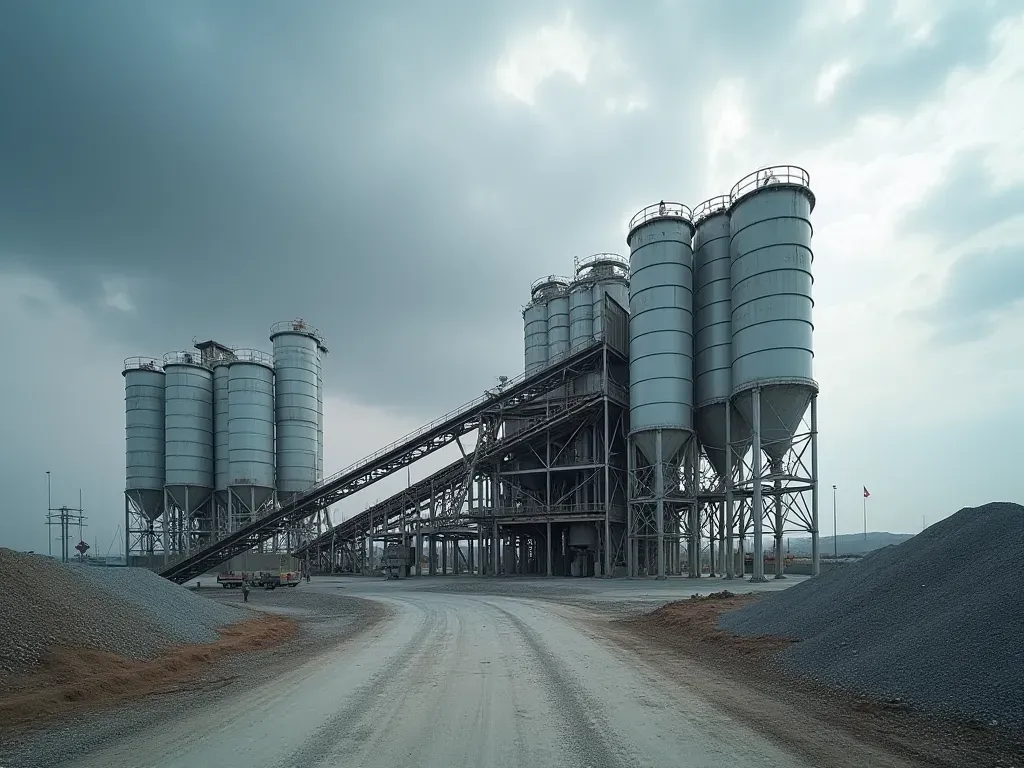
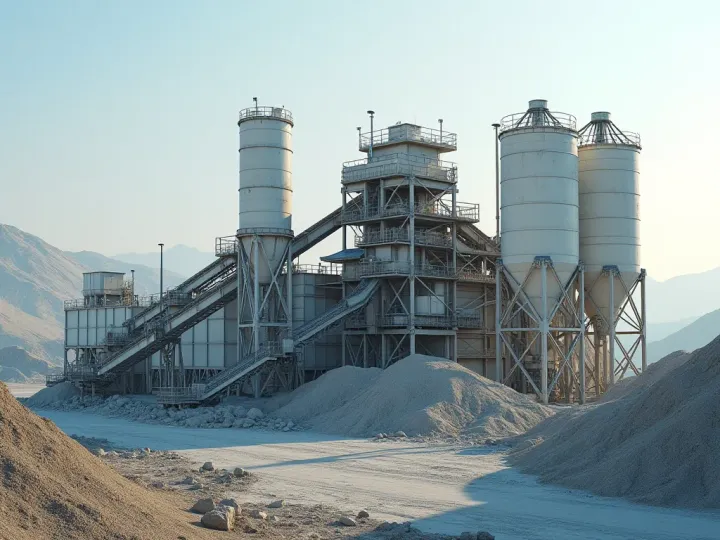
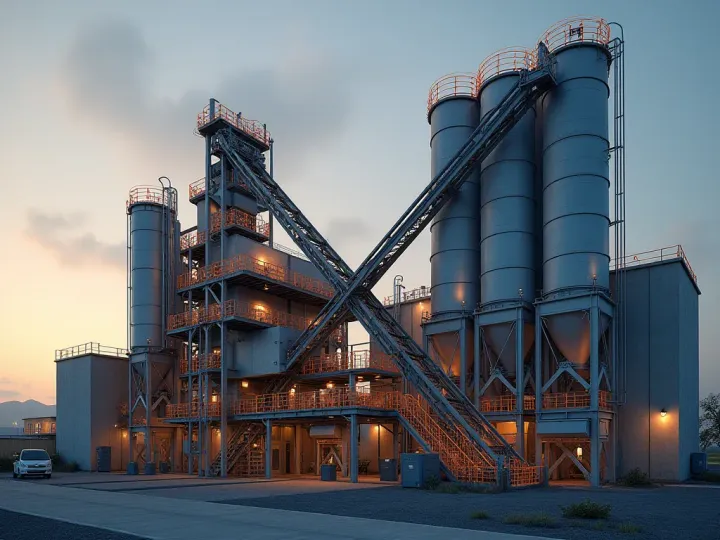
Most people picture a concrete batching plant as a pile of steel hoppers and dusty silos. They see brute force — heavy machinery grinding cement into slurry. That image is going obsolete, fast. The real action is no longer in the mixing chamber.
It's in the data streams humming quietly behind the control panels. I've spent years watching this industry evolve from pure mechanics to digital logic. Day to day, the change feels small. Over time? Massive. Your plant is becoming a node in a global network of intelligence.
This isn't science fiction. It's the current reality for forward-thinking manufacturers. Hardware now serves the software, not the other way around. And the implications for profitability and survival in this sector are profound.
Why the old model is failing now
For decades we relied on reactive maintenance. A sensor broke, we fixed it. Output dropped, we adjusted manually after the fact. That approach worked when margins were thick and labor was cheaper. Those days are gone.
Competition has tightened globally. Margins have thinned to razor blades. You cannot afford surprises anymore. A single unplanned shutdown can erase weeks of profit. The cost of inaction is no longer a minor inconvenience — it's an existential threat.
I recall talking to a plant manager who lost two days of production due to a simple sensor failure. He could not afford that again. That conversation sparked his decision to integrate predictive analytics into his daily operations.
The shift is about control. It's about knowing what will happen before it happens. This level of foresight was previously reserved for high-end aerospace or automotive sectors. Now it's accessible to concrete manufacturers worldwide.
The invisible layer of intelligence in your equipment
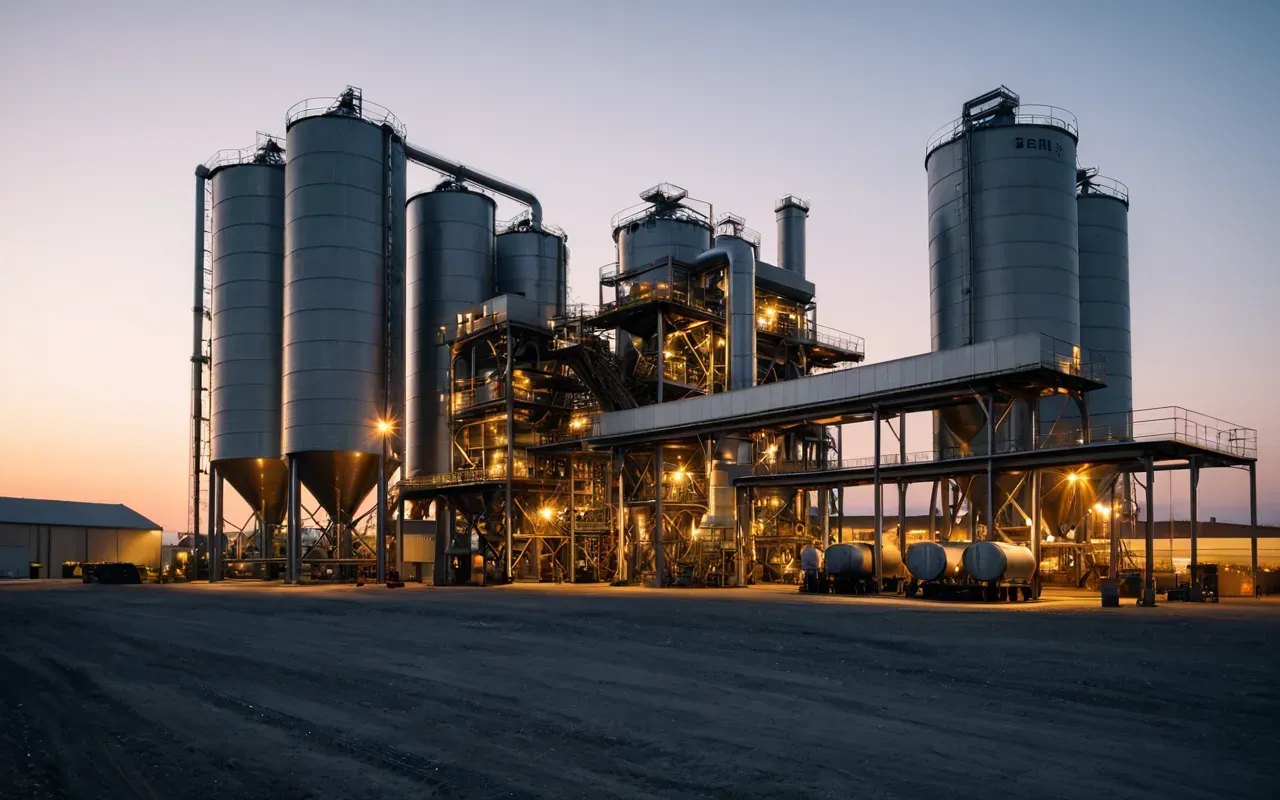
Modern batching plants are riddled with sensors. They measure temperature, vibration, humidity and flow rates continuously. This data used to sit in local logs gathering digital dust. Now algorithms process it in real-time.
These systems learn patterns that human operators cannot see over a single shift. They identify subtle deviations in motor performance or hopper pressure. And those tiny anomalies are the early warning signs of major failures.
Imagine receiving an alert at am that a specific bearing is wearing out. You have until morning to schedule maintenance. This turns a catastrophic failure into a routine service call. That difference defines the new era of manufacturing.

Predictive maintenance is no longer optional
We often discuss the concrete industry losing its memory as skilled workers retire. AI fills that gap by capturing institutional knowledge in code and data points.
It remembers every adjustment ever made. It knows the exact conditions that produce the best dry mortar consistency. This removes human error from critical quality control steps.
The result is consistent product quality regardless of who is operating the machine. This consistency builds trust with clients and reduces waste significantly.
I have seen plants reduce scrap rates by nearly twenty percent through this method alone. The savings are immediate and tangible.
Supply chains become self-optimizing networks
Production does not happen in a vacuum. It depends on raw materials arriving exactly when needed. AI connects your plant to global logistics data.
It predicts demand spikes based on local construction activity and weather patterns. It adjusts production schedules automatically to match incoming cement deliveries.
This eliminates the bullwhip effect that plagues traditional supply chains. Overstocking is reduced while stockouts are prevented entirely.
For manufacturers shipping globally like we do, this capability is a competitive weapon. It ensures reliability in markets where logistics can be unpredictable.
The financial impact is undeniable
Critics argue the upfront cost of smart technology is too high. They say it only pays off over many years. I disagree with that assessment based on current data.
The return on investment often occurs within the first eighteen months. Reduced energy consumption and lower repair costs drive this rapid payoff.
Consider that downtime traps are the biggest silent killers in this industry. Preventing even one major breakdown can cover the cost of full digital integration.
The math is simple. Avoided losses plus efficiency gains equals a massive net positive for the bottom line.
What this means for global manufacturers today
We're at an inflection point. The gap between digital plants and analog ones is widening fast. Leaders in this space are already seeing exponential growth in efficiency metrics.
Laggards will find themselves competing on price alone. That's a race to the bottom few can survive in today's economic climate.
The technology is not just about monitoring. It is about autonomy. Machines are beginning to make decisions without human intervention for routine tasks.
This frees up skilled workers to focus on complex problem solving and client relations. The human role is evolving, not disappearing.
I believe the next decade will look nothing like the last. The plants that embrace this shift will define the future of construction materials globally.
The challenge of implementation remains real
Adopting these systems is not plug and play. It requires a cultural shift within the workforce. Operators must trust the data over their gut instinct.
Training is essential to bridge this gap. Companies that invest in education will see the highest returns.
Resistance to change is natural but dangerous if ignored. The industry cannot afford to leave potential on the table.
We must view technology as a partner, not an enemy. When used correctly it empowers people rather than replacing them.
The future is already here for those who see it
This transformation is not a distant promise. It is happening right now in facilities across the globe.
The question is whether you will be part of it or a spectator. The tools are available and the benefits are proven.
I urge you to look at your own operations with fresh eyes. Ask what data is being ignored today.
The answer might just be the key to your next major breakthrough in efficiency and profit margins.
Comments ()