The Silent Crisis in Your Batching Plant That AI Just Solved
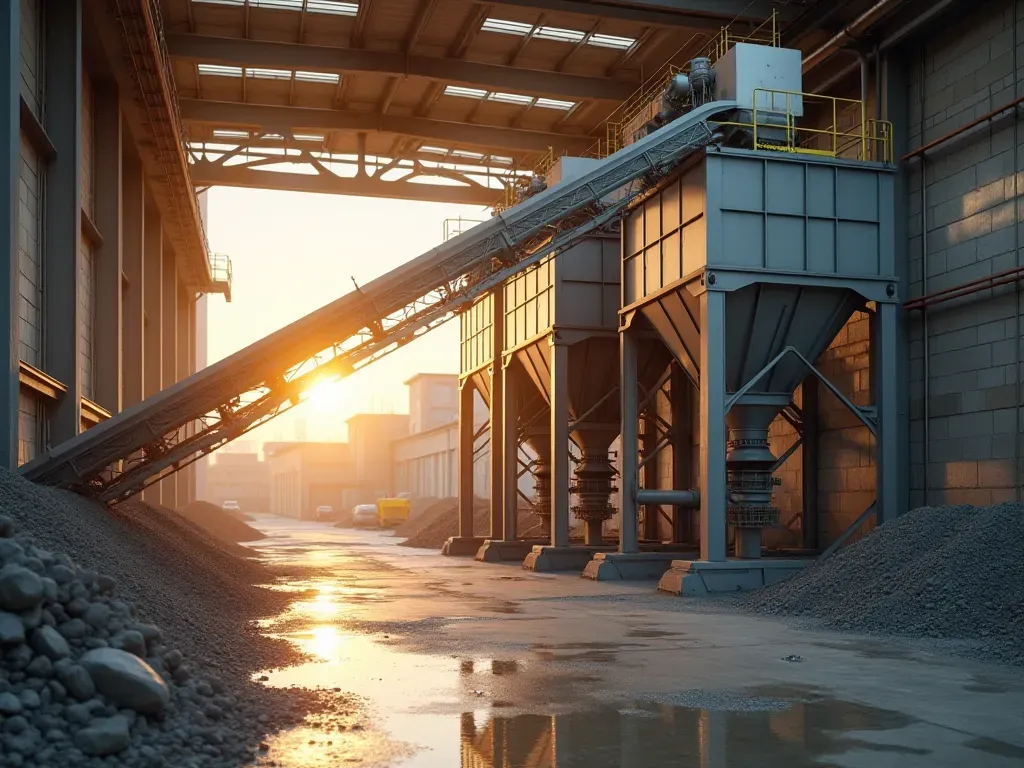
The Invisible Cost of Bad Cement Data
We talk a lot about the visible side of construction. You see the cranes. You hear the drills. But there is an invisible crisis happening inside every cement kiln on earth right now. It has nothing to do with labor strikes or supply chain delays.
It is about data. Or rather the lack of it. For decades we have relied on manual intuition and lagging lab tests to optimize cement production. This approach is fundamentally broken in a world that demands speed and sustainability.
I was struck by the sheer scale of waste I read about recently. A typical plant producing five thousand tons of clinker daily uses energy equivalent to powering one hundred seventy-five thousand homes for a single day. Think about that number.
Most of us assume this energy use is unavoidable physics. But it isn't. It is inefficiency masquerading as necessity. The real problem lies in the gap between when a process error happens and when we actually detect it.
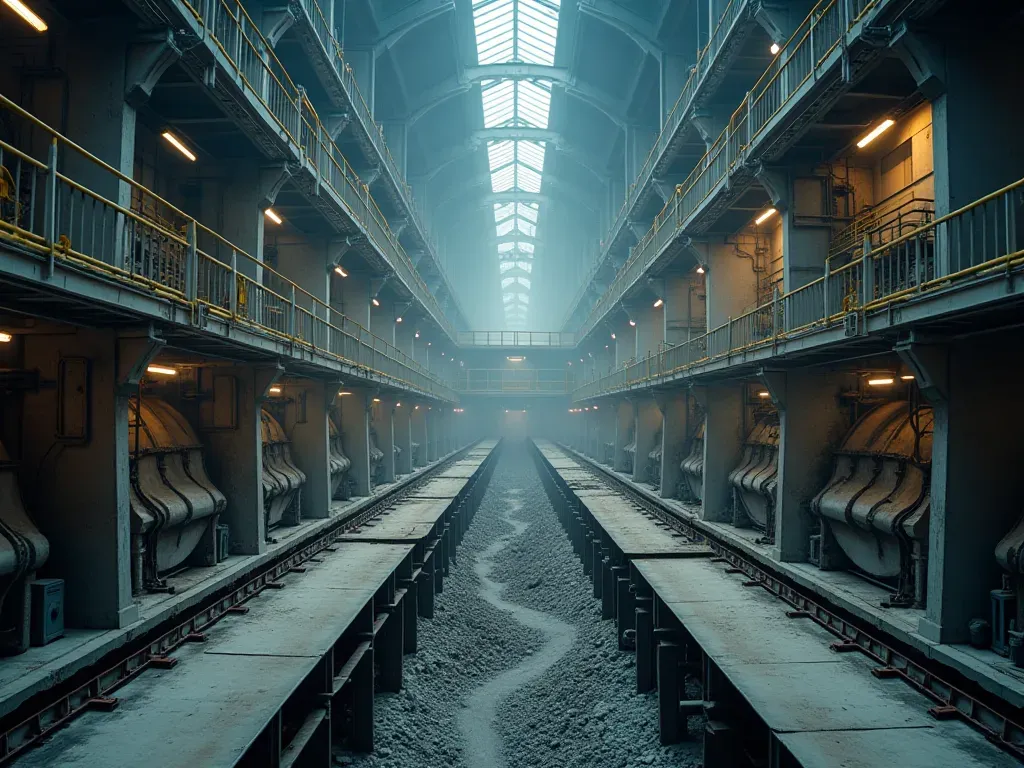
Why Human Intuition Fails at Scale
Traditional methods rely heavily on operator intuition. This sounds romantic but it is dangerous. Operators cannot process hundreds of variables simultaneously in real time. They react to symptoms not causes.
Consider raw material heterogeneity alone. Limestone quality changes based on the quarry layer being mined today versus yesterday. Seasonal temperature shifts alter kiln dynamics overnight. Manual adjustments simply cannot keep up with this volatility.
And then there is the feedback loop problem. Quality control often relies on post-production lab testing. By the time you know your clinker quality was off it is already mixed into concrete and poured into a foundation somewhere.
The Lag Effect in Production Lines
This delay creates a cascade of downstream failures. Inconsistent product quality leads to variability in concrete mix performance on site. Extended curing times frustrate contractors who are already working against tight deadlines.
Rising fuel costs squeeze margins further. When you combine high energy use with low yield due to off-spec batches the economic model becomes fragile. We need a smarter way forward.
AI as the New Quality Control Manager
Enter artificial intelligence. This is not just a buzzword here. AI offers a paradigm shift in how we approach process optimization and quality control. It integrates data across the entire cement manufacturing lifecycle.
Think of AI as a software sensor that never sleeps. It learns from historical data and real-time inputs to optimize production parameters dynamically. This is fundamentally different from simple automation.
The key capability here is prescriptive recommendation. AI does not just diagnose problems it suggests actions. It simulates different operating conditions to guide operators toward optimal settings for quality and cost.

Real-Time Clinker Quality Prediction
Let us look at the rotary kiln. This is the heart of clinker production. Traditionally manufacturers relied on periodic lab testing to ensure product quality. AI transforms this by enabling real-time prediction.
Hybrid models ingest continuous data streams from raw material inputs and equipment sensors. They predict key metrics like free lime content and composition before the clinker even cools down completely.
Free lime levels are crucial for managing energy use and emissions. High free lime indicates wasted resources while low levels can lead to quality issues resulting in lost revenue.
By maintaining a stable kiln process we improve clinker reactivity and uniformity. This reduces costly disruptions. For construction companies relying on predictable cement behavior this ensures stronger structural outcomes.
The Sustainability Bonus Nobody Talks About
Here is the surprising part. AI-driven model predictive control can reduce energy consumption by over ten percent. This happens by adaptively optimizing process setpoints in real time.
The system dynamically predicts emissions parameters like NOx generation based on ammonia dosing rates. It allows precise adjustments to maintain combustion efficiency while minimizing environmental impact.
Predicting Strength Before It Sets
Quality assurance of cement products is conducted to ensure they meet industry standards. Currently sites perform testing after one seven and twenty-eight days of curing.
This timeline is too slow for modern construction demands. Manufacturers want to know if compressive strength requirements will be met much earlier in the process.
Cement hydration is highly dynamic. It depends on mix design raw material quality water-cement ratio and relative humidity. AI can predict final strength much earlier based on early data.
This allows manufacturers to avoid costly over-processing. It also reduces the risk of off-spec cement reaching the job site. When developing new mixes AI predicts outcomes faster than traditional testing cycles.
Why This Matters for Batching Plants
If you operate a dry concrete batching plant consistency is your currency. Unplanned equipment failure or material variability halts production immediately.
Predictive maintenance extends equipment life and reduces downtime. Hybrid models analyze historical data combined with physics-enabled predictions to forecast deviations.
Operators can plan interventions during off-peak hours. This avoids project delays and ensures consistent mix delivery for critical construction timelines.
For global manufacturers this means a competitive advantage. The ability to guarantee quality and sustainability simultaneously is what sets leaders apart from followers.
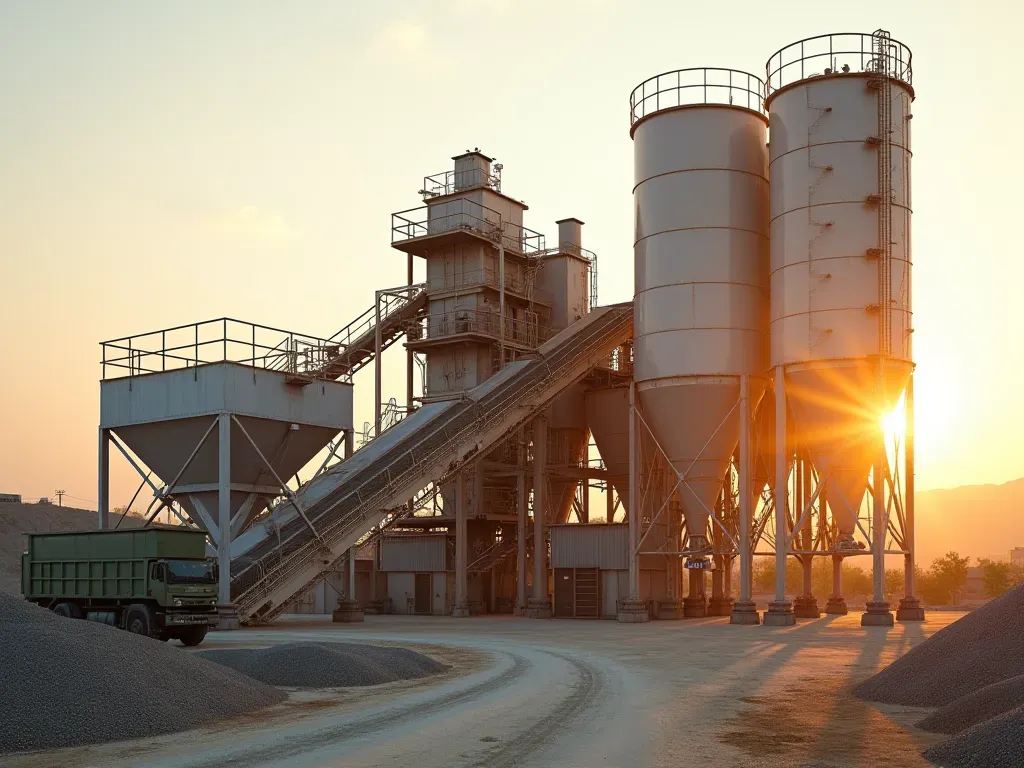
The Hidden Shift in Industry Power
Look at the bigger picture. The cement industry contributes roughly seven percent of global carbon emissions. AI provides a scalable solution to this challenge.
By enabling real-time control we empower manufacturers to build more efficiently. But there is a catch. Companies that ignore this shift will face rising costs and stricter regulations.
Traditional process optimization is no longer sufficient. We are at a crossroads where data literacy becomes as important as mechanical engineering knowledge.
The implication nobody is talking about is workforce adaptation. Operators must learn to trust and interpret AI recommendations rather than relying solely on gut feeling.
Who Wins in the AI Era?
Early adopters win. They gain better margins through reduced waste and lower energy bills. They also deliver higher quality concrete to their customers.
Laggards lose. They struggle with compliance penalties and inconsistent product performance. The gap between these two groups will widen rapidly over the next five years.
For those of us manufacturing dry concrete batching plants this is both a challenge and an opportunity. Integrating AI capabilities into our systems can redefine value for clients.
Looking Beyond the Hype
It is important to be realistic. AI is not magic. It requires clean data and robust infrastructure to function properly.
Implementation costs can be significant upfront. However the return on investment through efficiency gains usually justifies the expense within two to three years.
The real question is not whether AI will transform cement production. It already has. The question is who controls the data driving those decisions.
Final Thoughts on Smart Construction
We stand at the threshold of a new era. One where every kiln adjustment is informed by predictive analytics rather than trial and error.
This shift benefits everyone. Builders get reliable materials faster. Manufacturers reduce their carbon footprint significantly.
And the environment wins too. Lower emissions mean cleaner air for communities near production sites.
If you are curious about how rising automation in dry concrete batching plants could reshape global construction power dynamics the trend is undeniable.
The technology exists today. The data infrastructure is improving daily. What remains is the will to change.
I believe we are seeing only the beginning. As models become more sophisticated their recommendations will grow increasingly precise.
For manufacturers this means staying ahead requires constant learning and adaptation. Static processes will become liabilities.
So ask yourself what your data is telling you right now. Are you listening or just reacting?
The answer determines whether your business thrives in the next decade or struggles to survive.
Let's be honest — this transformation is worth embracing. It's not simply about making better cement, though that matters. It's about laying the groundwork for a future that can actually sustain itself.
And honestly? That's worth every dollar we pour in today to reach it tomorrow.

Comments ()