Why Texas Concrete Plants Are Suddenly Being Treated Like Polluters
The Orange Fence That Changed Everything
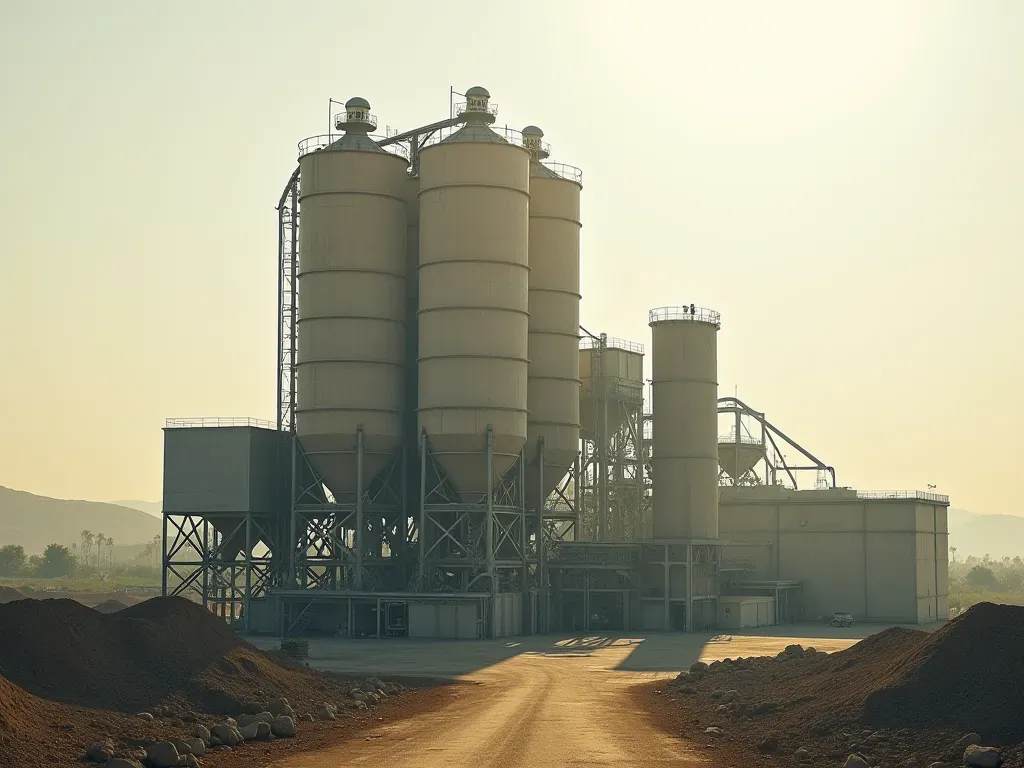
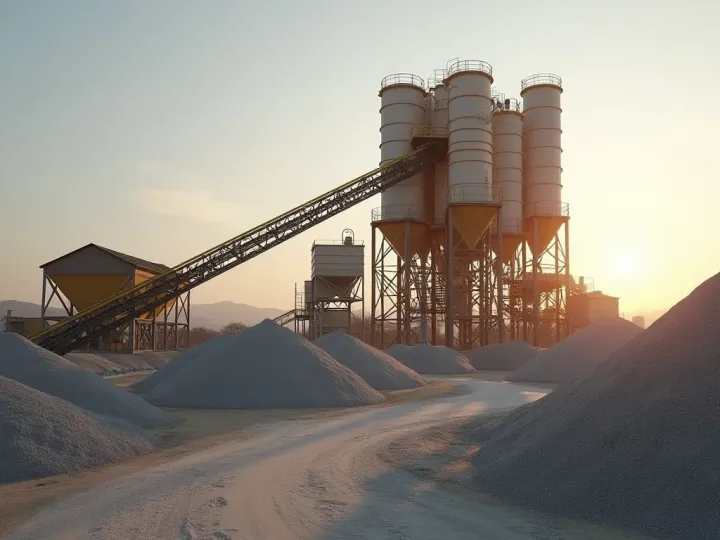
It started with a bright orange barrier. In East Aldine, Texas, residents looked across that line and saw something they never expected next to their community park. A concrete batch plant was moving in.
For Shirley Ronquillo and her neighbors, the shock was real. They had just celebrated a $7 million investment in an all-inclusive park for kids with disabilities. Now they faced heavy trucks and dust.
This specific clash sparked a legislative firestorm in Austin. Dozens of bills hit the state capitol this session. All aim to change how and where these facilities operate.
The Hidden Health Cost You Cannot See
You might think concrete is just cement and sand. But the mixing process creates fine dust known as PM 2.5. These particles are smaller than a human hair.
Here is the thing that worries health experts most. PM 2.5 does not just sit in your nose. It travels deep into your lungs and bloodstream.
Jen Hadayia from Air Alliance Houston explains that these particles cling to lung linings and arteries. The result can be asthma attacks or heart issues.
To be fair, the industry argues they follow strict rules. But residents in Houston say the noise and bright lights at night are just as bad as the dust.
Why 24 Hour Operation Is a Problem
Concrete has a short life. It must be poured within thirty minutes of mixing. This forces plants to run around the clock.
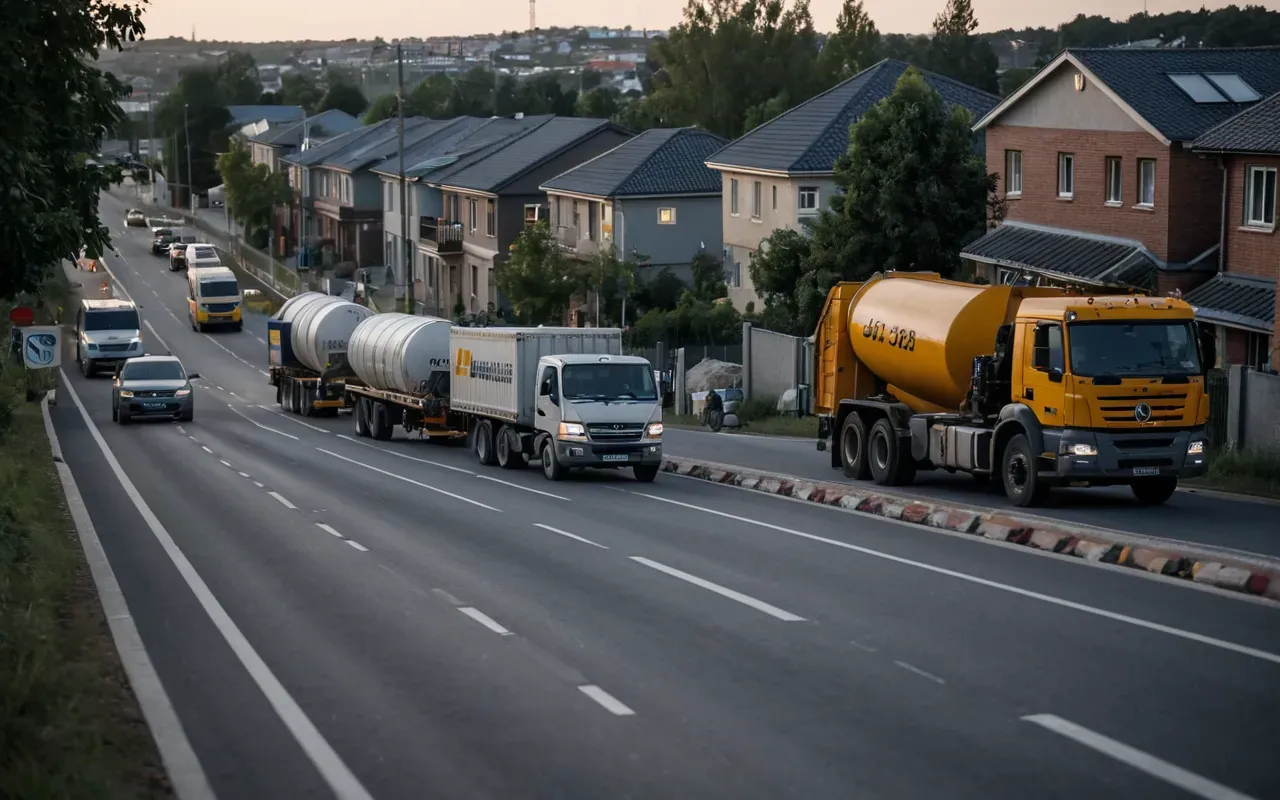
That means trucks roll in and out while families sleep. It creates a constant hum of machinery that never stops.
The Legislative Push for Stricter Rules
State Representative Armando Walle is leading the charge. He filed three bills to give schools and hospitals a voice in permit approvals.
His goal is not to stop construction. He wants to limit where plants can sit relative to homes and parks. It is a zoning battle in disguise.
Representative Jarvis Johnson took a different approach. His bills specifically target Houston because it lacks local zoning power.
Who Wins in This Regulatory Shift
The Texas Aggregates and Concrete Association fears this will hurt growth. They argue that strict rules raise costs for everyone.
But community groups see it as justice. Most of these plants sit in low-income areas with communities of color.
I think the real winner here is technology. Manufacturers who can prove they are clean and quiet will thrive in this new landscape.
The Technology Gap That Matters Most
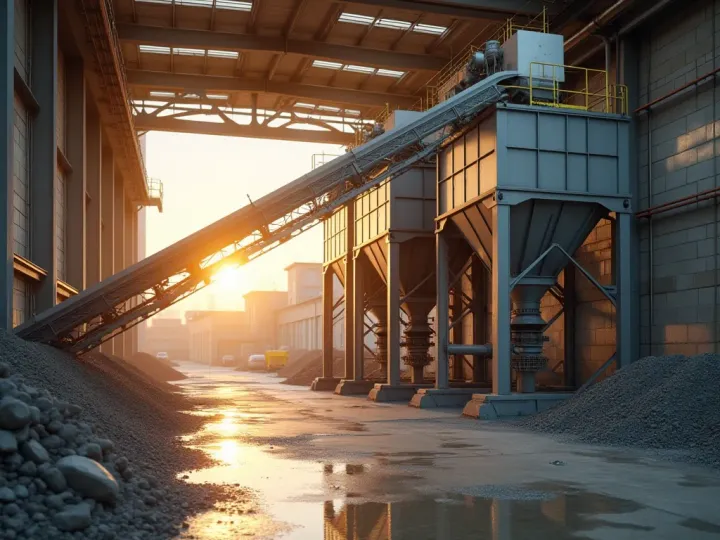
Older wet plants often struggle with dust. Dry batching systems offer a cleaner alternative by mixing ingredients on-site.
If you are looking at how Texas lawmakers forced a change in dust control, this is the key. Efficiency and cleanliness now go hand-in-hand.
What This Means for Global Construction
This is not just a Texas story. Regulations in one major market often set the trend globally.
Manufacturers who ignore this risk being left behind. The demand for sustainable and quiet production is rising fast worldwide.
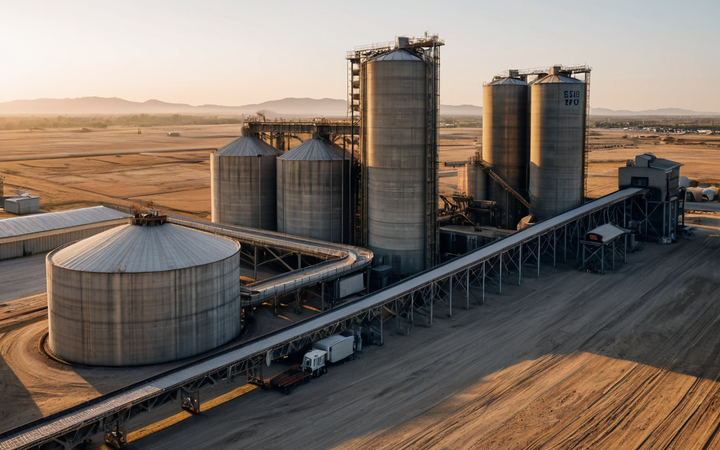
Consider how Accra's new concrete plant signals a massive shift in global batching efficiency. The trend is clear.
The Future of Concrete Production Is Quiet
We are moving away from the noisy, dusty image of old concrete yards. The next generation is precise and controlled.
For manufacturers, this means investing in better seals and filters. It also means proving your value to the neighbors who live nearby.
The bottom line is simple. If you cannot operate without disturbing the community, you will not survive the new regulations.
I believe companies that embrace this shift early will lead the market. They will turn a regulatory headache into their biggest competitive edge.
Stay tuned for more insights on how the hidden power of dry concrete batching plants is transforming modern construction projects everywhere.
Comments ()