Builders Are Rushing Back But The Data Is Hiding A Massive Problem
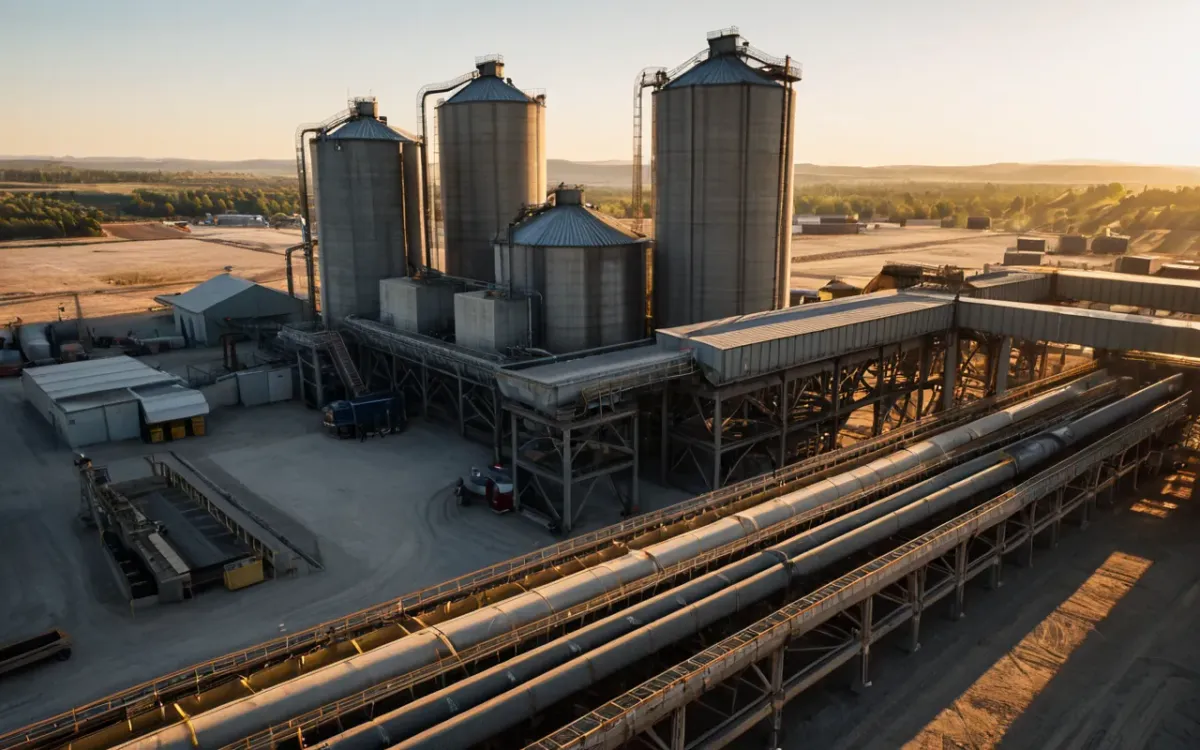
The Construction Boom You Are Not Seeing
Look at the headlines. Builders are supposedly breaking ground at the fastest pace in two years. The Census Bureau data screams optimism. April housing starts might have dipped slightly, but the underlying trend is a robust rebound. It feels like the construction sector is finally shaking off the dust of recent economic pressures. And yet, if you scratch the surface, the story is far more complex than a simple victory lap.
I was struck by the sheer speed of this recovery. We are talking about a 4.6% year-over-year increase in starts. That is not a whisper. It is a shout. But here is the thing that keeps me up at night. The data is hiding a massive structural shift in what is actually being built. Single-family homes, the traditional backbone of the industry, are showing signs of cooling. Meanwhile, multifamily projects are surging forward with relentless momentum. This is not just a blip. It is a fundamental change in how we build.
Think about what this means for the ground beneath your feet. Builders are adapting to uneven demand and affordability pressures with startling agility. The 3-month moving average shows a clear rebound from the long-term lows of last fall. This is not a fleeting trend. It is a recalibration of the entire construction landscape. And if you are not paying attention to the specific segments that are driving this growth, you might miss the forest for the trees. The implications for concrete suppliers and equipment manufacturers are profound.
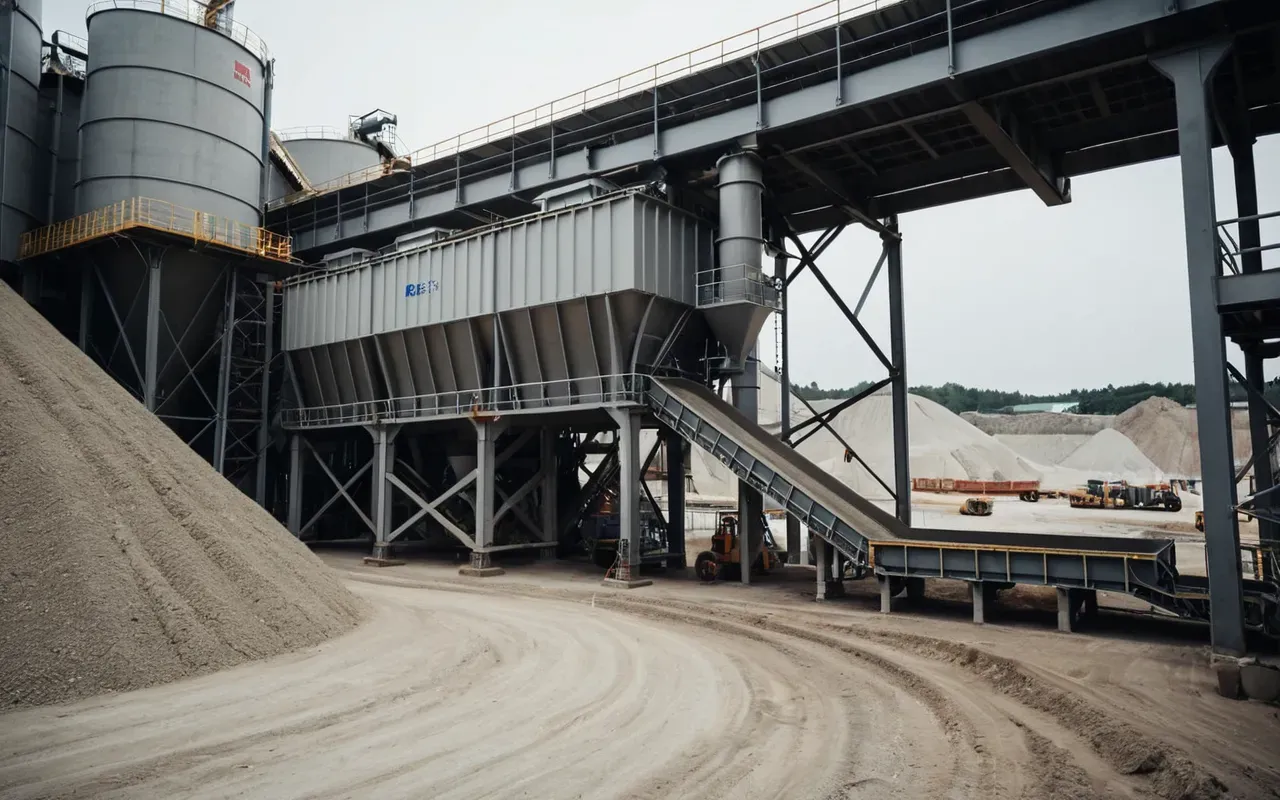
The Multifamily Surge Is Real
Multifamily starts have climbed to 529,000 units. That is a significant number. It represents a clear preference for density and efficiency in the current market. Builders are clearly betting that apartments and condos will drive the next wave of construction. And they might be right. The demand for housing is uneven, but the appetite for multifamily living is undeniable. This shift has massive implications for how concrete is mixed, delivered, and poured. The scale of these projects requires precision and speed that traditional methods struggle to match.
But why is this happening? The answer lies in the economics of construction. Financing costs remain elevated. Affordability challenges are keeping many buyers out of the single-family market. Developers are responding by focusing on projects that offer higher returns per square foot. It is a rational response to the current environment. And it is forcing the entire supply chain to adapt. From mobile batching solutions to advanced mixing technologies, the industry is evolving to meet this new demand. The days of one-size-fits-all construction are over.
Look at the permitting data. Total building permits rose 5.8% to an annual rate of 1.442 million. That is a strong signal of future activity. But again, the breakdown tells a different story. Single-family permits declined 2.6%, while multifamily authorizations climbed to 514,000. This is not a coincidence. It is a coordinated shift in strategy. Builders are preparing for a future where density and efficiency are paramount. And the equipment that supports this shift is becoming increasingly critical to success.
The Single-Family Slowdown
Single-family starts dropped 9.0% to 930,000 units. That is a sharp decline. It reflects the persistent challenges facing the traditional housing market. High mortgage rates, limited inventory, and affordability constraints are creating a perfect storm. Builders are feeling the pressure. And they are adjusting their portfolios accordingly. The shift away from single-family homes is not just a temporary pause. It is a strategic retreat from a segment that is currently struggling to gain traction. This has significant implications for the types of concrete and batching equipment that are in demand.
But is this a bad thing? Not necessarily. The construction sector is navigating uneven demand with remarkable resilience. The overall number of starts is still higher than last year. The industry is adapting. And that is what matters most. The shift towards multifamily construction is not a failure. It is a response to market realities. And it is driving innovation in areas like on-site pre-mixing and sustainable concrete production. The future of construction is not just about building more homes. It is about building smarter homes.
Think about the logistics. Multifamily projects require large volumes of concrete to be delivered quickly and consistently. Any delay can cost thousands of dollars. This is where advanced batching technology comes into play. The ability to mix concrete on-site, with precise control over water content and ingredient ratios, is becoming a competitive advantage. It is not just about speed. It is about quality and reliability. And these are factors that can make or break a project. The builders who understand this will thrive. The ones who do not will struggle.
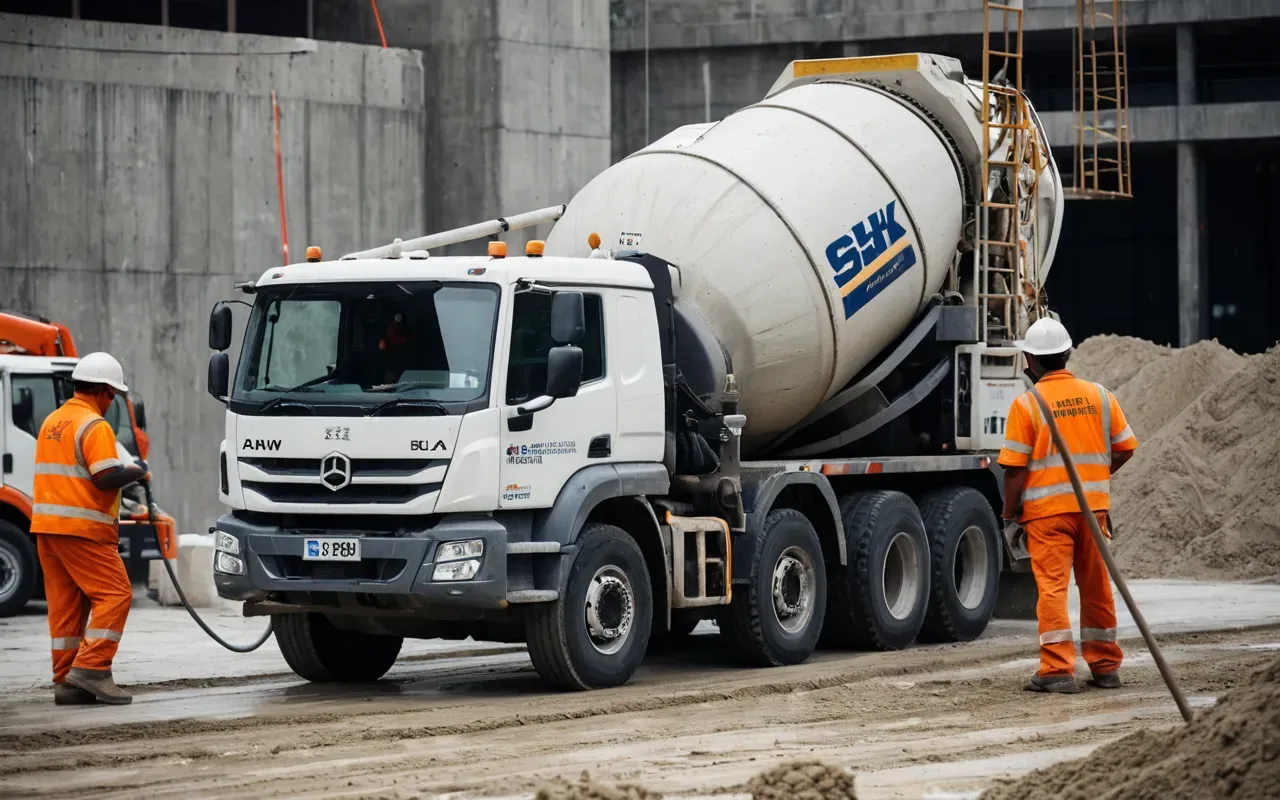
The Hidden Risks In The Data
Here is the thing that nobody is talking about. The data is smoothing over some serious underlying issues. The 3-month moving average shows a rebound, but the month-to-month swings are volatile. April starts fell 2.8%. March was revised down. This volatility is a red flag. It suggests that the recovery is not as stable as it appears. Builders are operating in a highly uncertain environment. And that uncertainty is driving them to prioritize projects with lower risk profiles. Multifamily construction fits that bill. Single-family homes do not.
And then there is the issue of completions. Housing completions increased 4.8% to 1.449 million units. That sounds positive. But it was still 2.0% lower than the same time last year. This lag is significant. It means that the pipeline of finished homes is shrinking. And that could lead to inventory shortages in the future. The imbalance between starts and completions is a ticking time bomb. If demand suddenly spikes, the industry may not have enough finished homes to meet it. This is a risk that builders and policymakers need to address.
But why is the completion rate lagging? The answer is complex. Labor shortages, material delays, and financing constraints are all contributing factors. Builders are struggling to keep up with the pace of starts. And that is creating a bottleneck in the supply chain. The solution is not just to build more. It is to build more efficiently. This is where advancements in dry concrete batching plants and automated mixing systems can make a real difference. By reducing waste and improving consistency, these technologies can help builders complete projects faster and more reliably.
The Role of Technology
Technology is not just a buzzword. It is a necessity. The construction industry is facing unprecedented challenges. From rising material costs to environmental regulations, the pressure is mounting. Builders who embrace technology will have a significant advantage. They will be able to produce concrete faster, with less waste, and with greater consistency. This is not just about saving money. It is about ensuring quality and meeting deadlines. The future of construction belongs to those who can leverage these tools effectively.
Consider what automation actually does on a jobsite. Automated batching systems slash labor costs and cut out a ton of human error. Plus, they can pivot to match shifting demand way faster than any old-school method ever could. That kind of flexibility? Absolutely critical in a volatile market. It lets builders ramp up or pull back without ever dropping the ball on quality. And honestly, it dramatically lowers the chances of delays and cost blowouts. These aren't just nice little perks. They're fundamental shifts in how projects get planned and actually built.
But let's be real — technology isn't some magic fix. It takes serious investment and real expertise to pull off. Builders have to be willing to adopt whole new systems and actually train their people. For smaller firms, that's a huge barrier. And it risks creating a real split between the tech-savvy operators and everyone else. The whole industry needs to help bridge that gap. Governments, schools, and equipment makers — they all have a part to play here. If they work together, they can make sure the advantages of tech don't just stay with the big players but reach everyone in the market.
The Future of Concrete
Concrete holds up the modern world. But it's got plenty of problems too. Environmental concerns, durability headaches, and supply chain messes are all threatening its dominance. The industry isn't just sitting still, though. New materials — like nano-enhanced concrete — are being developed to boost both strength and sustainability. Advanced mixing techniques are being tested to cut water use and carbon emissions. These aren't just tiny tweaks. They're fundamental shifts in how we think about concrete entirely.
And the role of batching plants is changing fast. Traditional wet batching is now getting challenged by dry mixing systems. These setups offer way more flexibility and efficiency. They give you precise control over the mixing process, which means better quality in the final product. They also cut down on waste and lower transportation costs. In a competitive market, that's a massive edge. And it's driving a real shift in how concrete gets made and delivered. The future of concrete? It's dry, efficient, and sustainable.
But the transition isn't exactly a breeze. It demands new equipment, new workflows, and new skills. Builders have to be willing to put money into this change. And they need real confidence that the benefits will actually outweigh the costs. That's where education and demonstration projects come in. By showing the real-world wins of dry batching and advanced mixing, the industry can speed up adoption of these systems. And it can make sure the construction sector is actually ready for what's coming.
Who Wins And Who Loses
So who comes out on top in this new construction landscape? The builders who are agile and tech-savvy are going to thrive. They'll adapt to shifting market conditions and use new technologies to grab a competitive edge. They'll deliver projects faster and with better quality. And they'll capture a bigger slice of the market. Those are the winners. And they're setting a whole new standard for the industry. The real question is whether the rest of the sector can keep up.
Who gets left behind? The builders who are slow to adapt. The ones who cling to outdated methods and resist any kind of change. They'll find themselves struggling just to compete. They'll face higher costs, lower quality, and longer project timelines. And they'll lose market share to nimbler competitors. That's a harsh reality. But it's one the industry has to face head-on. Construction is evolving. And anyone who doesn't evolve with it will get left in the dust. The stakes are high. And the time to act is right now.
And what about the buyers? They'll benefit from the increased efficiency and quality that tech brings. They'll get access to more affordable and sustainable housing options. And they'll see fewer construction delays and cost overruns. But they'll face challenges too. The shift toward multifamily construction might limit their choices. And the move to new technologies could cause temporary disruptions in the market. Overall, the impact will be positive — but the road there is going to be bumpy.
The Bottom Line
The construction sector is standing at a crossroads. The data shows a rebound, sure, but it also reveals deep structural shifts. The rise of multifamily construction and the decline of single-family homes aren't just passing trends. They're signals of a market that's changing fast. And they're driving innovation in concrete production and batching technology. The builders who get this will succeed. The ones who ignore it will fail. The future of construction is already here. And it's time to adapt.
We're entering a new era of construction. One defined by efficiency, sustainability, and real technological advancement. The challenges are real. But so are the opportunities. By embracing change and leveraging innovation, the industry can overcome its current difficulties and build something stronger for the future. This isn't just about putting up buildings. It's about building a better world. And the foundation for that world is being laid right now. The question is whether you're ready to join the movement.
Comments ()