The concrete industry is quietly abandoning wet delivery and you are probably losing money because of it
The Billion Dollar Mistake Hiding in Your Supply Chain
Look at the numbers. Credence Research just dropped a report showing the global ready mix concrete market hitting $. billion by . That is not a small bump in sales.
But here is the part most industry newsletters missed. The report highlights a massive preference for centralized batching over site-mixed alternatives. Why? Because wet delivery is breaking.
We keep seeing contractors lose sleep over traffic congestion and delayed site readiness. Concrete has a short shelf life. If the truck sits for ten minutes, you have a problem.
Why Asia Pacific Is Eating the World Concrete Market Alive
Asia Pacific took a whopping .% of global revenue in . That is nearly half the entire pie. The driver? Massive infrastructure pipelines and rapid urbanization.
I was struck by the scale of this. China India and Southeast Asia are not just building houses. They are weaving entire transport networks into dense urban fabrics.
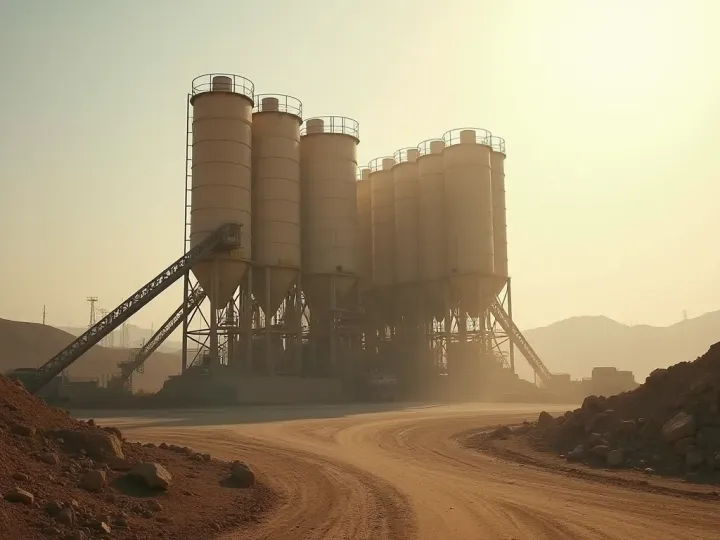
Stationary batching plant systems hold a .% share of the market. This is not accidental. High-volume projects need stable output and lower unit costs.
The Hidden Cost of Wet Concrete Delivery Nobody Talks About
Let's be honest. Wet mix is convenient but it is a logistical nightmare. You are paying for fuel drivers and time while the concrete sets.
If you have ever watched a mixer truck stuck in traffic while the clock ticks down on its usable life you know this pain. It is expensive and it stresses teams out.
This pressure forces producers to raise prices just to cover the inefficiency. But customers are price sensitive. So margins get squeezed from both sides.
How Dry Batching Changes the Economics of Construction
Dry concrete batching plants solve this by delivering dry ingredients to the site. You mix it when you need it not hours ago.
This eliminates the clock. You can stockpile materials without worrying about them setting in a truck. It frees up labor and reduces waste significantly.
The Sustainability Shift That Is Reshaping Procurement Strategies
Low-carbon concrete is no longer a niche product. It is becoming the standard for major developers and public sector projects.
Cemex recently partnered with RMB ReadyMix in the UAE to integrate Vertua cement. This move aims to cut CO emissions by thousands of tonnes.
Lafarge Africa launched EcoCrete in Nigeria offering a % reduction in emissions. This shows the global push for greener building materials is real and fast.
Who Wins When the Industry Moves to Centralized Dry Systems
Integrated players with their own cement and aggregate sources are winning big. They control the supply chain from mine to mix.
But local specialists are not sitting still. They compete on service responsiveness and deep relationships with contractors in metro areas.
If you are a developer or contractor the question is simple. Are you still paying for wet delivery inefficiencies? The market data says no.
What This Means for Your Next Project and Budget Planning
The forecast period runs through . That is a long runway for change. Companies that adapt now will have a massive cost advantage later.
I recommend looking at your current concrete sourcing strategy. If you rely heavily on wet mix ask yourself if the flexibility is worth the premium.
Consider how a shift away from wet delivery reliance could stabilize your monthly cash flow. The math is hard to ignore.
The Role of Digital Controls in Modern Batching Plants
Digital batching systems are becoming standard. They improve mix consistency and reduce human error during high-pressure production runs.
These systems also provide detailed data on material usage. This helps you track costs and identify waste patterns that manual tracking would miss.
The Real Reason Infrastructure Spending Is Surging Globally
Governments are pouring money into roads rail and utilities. This creates a steady demand for reliable concrete supply chains.
North America accounted for .% of revenue in . The US and Canada are upgrading transport networks and building data centers.
This demand is not just for residential housing. It is for the backbone of modern society which requires durable and high-performance materials.
How to Evaluate Your Current Concrete Plant Setup Today
Start by auditing your delivery times. If trucks are frequently late or returns are high you have a structural problem.
Next look at your mix consistency. Are there frequent complaints from site engineers? That points to batching control issues.
Finally check your carbon footprint. Clients are asking for lower emission materials and you need to be ready with a solution.
The Impact of Raw Material Volatility on Plant Costs
Cement aggregate and diesel prices fluctuate wildly. This makes budgeting difficult for any concrete producer.
Dry batching plants can help mitigate this by allowing you to buy materials in bulk during low price periods and store them safely.
The Future of Construction Materials Is Drier and Smarter
The trend is clear. The industry is moving toward systems that offer better control lower waste and higher sustainability.
Producers who combine plant density dispatch efficiency and technical support will capture the most growth in this shifting market.
If you want to stay ahead of the curve consider how a modern batching plant solution could transform your operational efficiency.
Why You Should Not Ignore This Market Shift Anymore
Waiting is risky. The competitors who adapt first will lock in contracts and build long-term relationships with major developers.
The data from Credence Research is not just a forecast. It is a signal that the old way of doing things is becoming obsolete.
I have seen too many companies lose out because they ignored early signals of change. Do not make that mistake with your concrete supply strategy.
Final Thoughts on the Evolving Ready Mix Concrete Landscape
The market is growing but the rules are changing. Success now depends on efficiency sustainability and technological integration.
If you are still relying entirely on wet delivery it is time to look at the numbers and ask hard questions about your costs.
The future belongs to those who can deliver consistent quality without the logistical headaches. That is where dry batching shines.
Start the conversation with your supply chain team today. The next decade of construction will be built on smarter foundations.

Comments ()