Your concrete plant is secretly making buildings hotter and more expensive
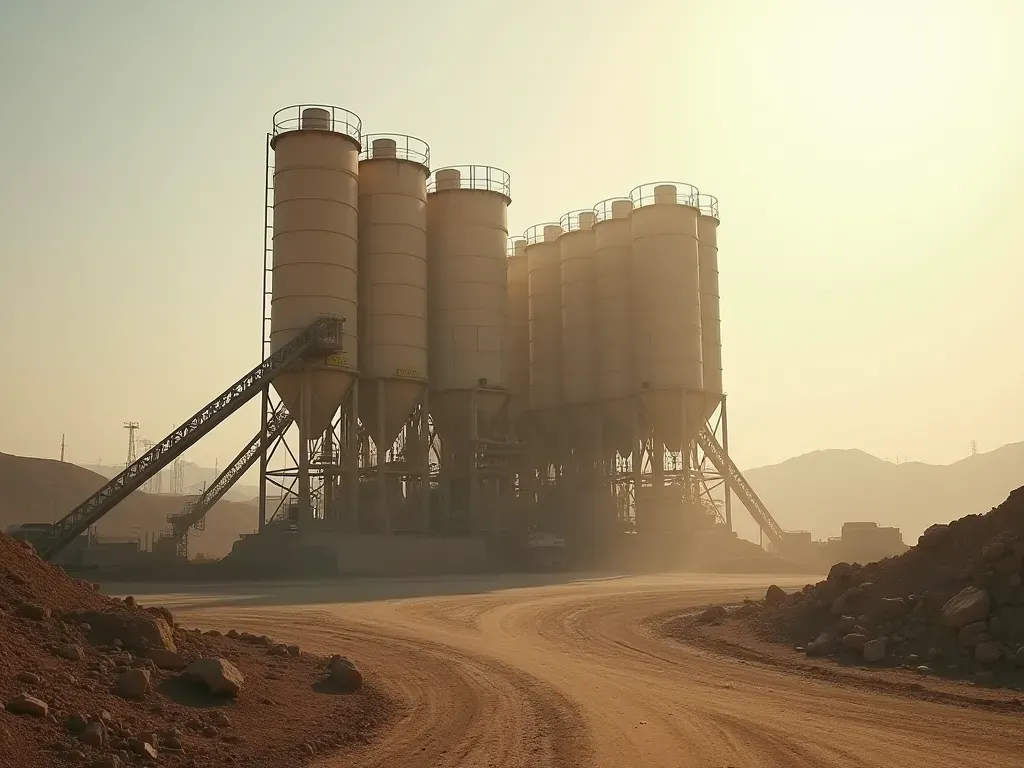
The Hidden Heat Trap Hiding In Your Supply Chain
I was looking at a recent energy audit for a mid-size residential complex and the numbers stopped me cold. The building looked beautiful from the outside. Sleek lines. Large glass windows. But inside, the air conditioning system worked double-time just to keep occupants comfortable.
It is not the glass that causes this problem. It is not the insulation. The root cause lies deep in the foundation of how we produce our structural materials.
We are building faster than ever. The global construction sector is booming with millions of new units going up every year. But this speed comes at a cost that rarely appears on the invoice until months later.
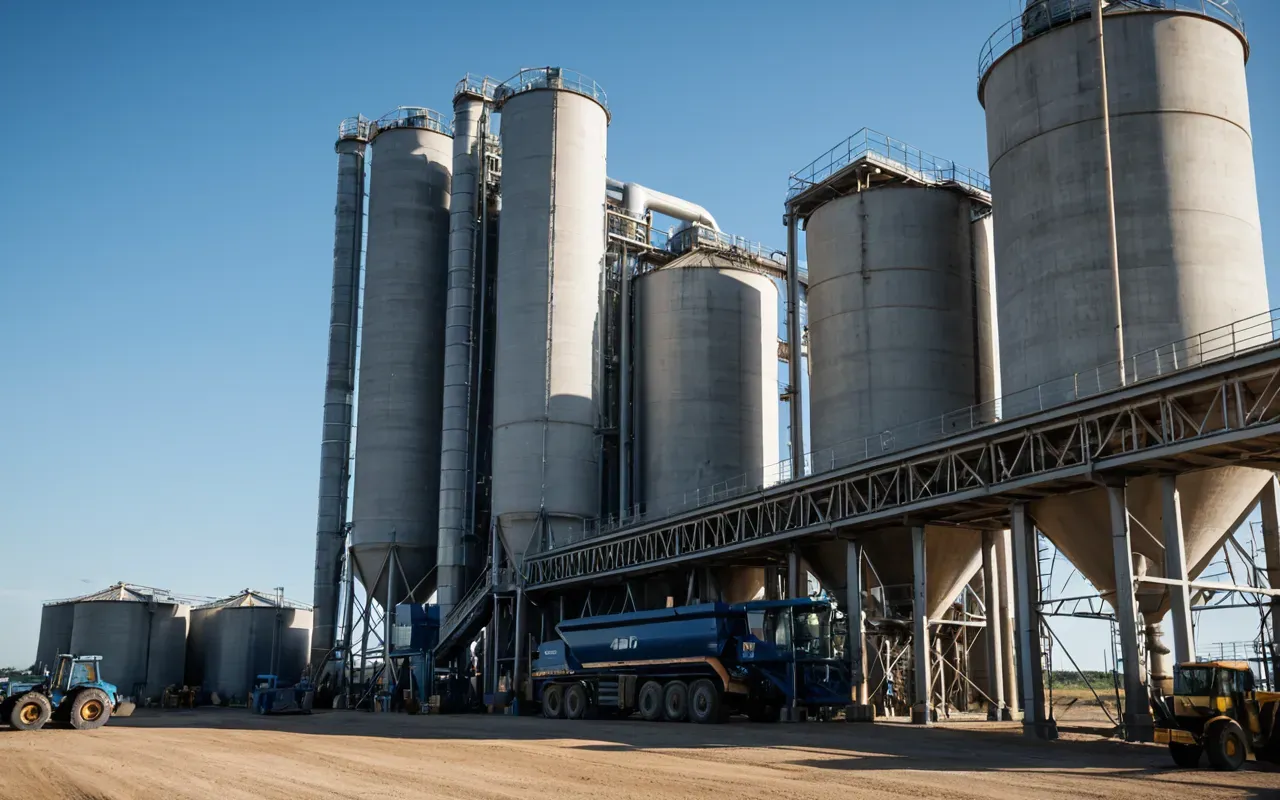
Why Standard Wet Mix Is Becoming A Liability
Most people assume concrete is just a commodity. Buy it, pour it, done. But the method of delivery changes everything about how that material performs over time.
Traditional wet concrete requires water to be mixed at the plant and transported in trucks. This creates a strict time limit before the mix begins to set.
This pressure forces crews to work in short bursts. They pour quickly and then move on. There is little room for precision or adjustments once the truck arrives at the site.
I have seen this happen on projects where the timeline was tight. The result is often a structure that looks fine but has hidden weaknesses in its thermal mass.
The Embodied Energy Problem No One Talks About
Embodied energy is the total amount of energy used to extract raw materials and process them into a finished product. For standard concrete this number is shockingly high.
Cement production alone accounts for a massive chunk of global industrial carbon emissions. It is one of the dirtiest steps in modern construction.
When we use dry batching methods we reduce the water content significantly. This changes how the material cures and bonds over time.
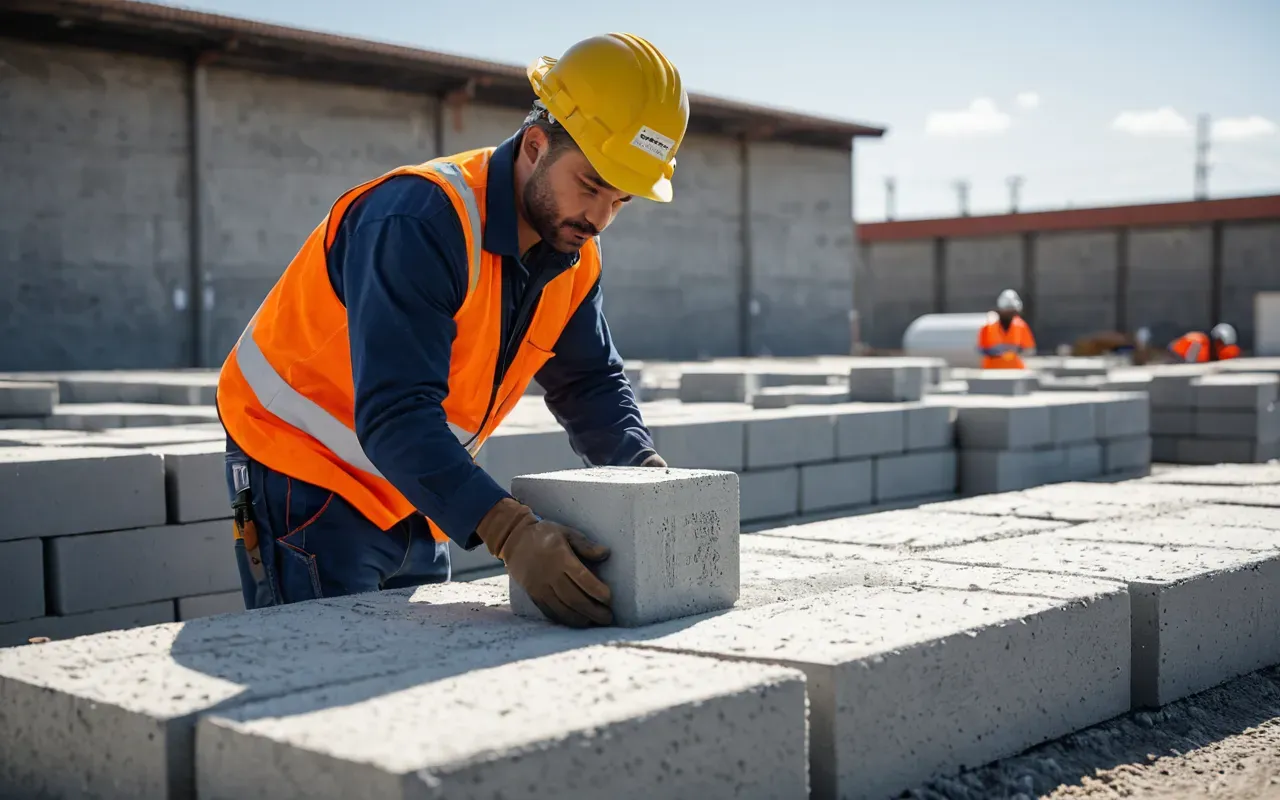
The Shift Toward Dry Batching Solutions
This is where the conversation gets interesting. Many forward-thinking manufacturers are moving away from standard wet plants entirely.
Dry concrete batching allows for more precise control over the mix ratios. You can adjust the aggregate size and cement content to suit specific thermal needs.
If you are curious about the hidden costs of relying on wet concrete delivery, the data is starting to show a clear break in traditional supply chains.
The flexibility of dry systems means that on-site mixing can happen right when the crew is ready. This eliminates waste and reduces the energy used in transport.
How Thermal Mass Affects Your Monthly Bills
Think about a house in a hot climate. The walls absorb heat during the day and release it at night. If that material is too light or poorly insulated this cycle accelerates.
Standard concrete has high thermal mass but low insulation value. It holds heat well which sounds good until you realize it also traps that heat inside the living space.
This is why metrics like Residential Envelope Transmittance Value or RETV have become so important. A lower number means less heat transfer through the building shell.
Experts recommend keeping RETV values below fifteen watts per square meter for optimal efficiency. Most standard concrete buildings struggle to meet this target without extensive retrofits.
The Material That Changes The Math Entirely
Autoclaved Aerated Concrete or AAC blocks are emerging as a serious alternative. They contain trapped air bubbles that provide natural insulation.
These blocks are lightweight and easy to cut. They require less energy to produce than standard fired bricks or heavy concrete panels.
The construction speed is also a major factor. AAC blocks can be laid much faster than traditional masonry units which reduces labor costs and project timelines.
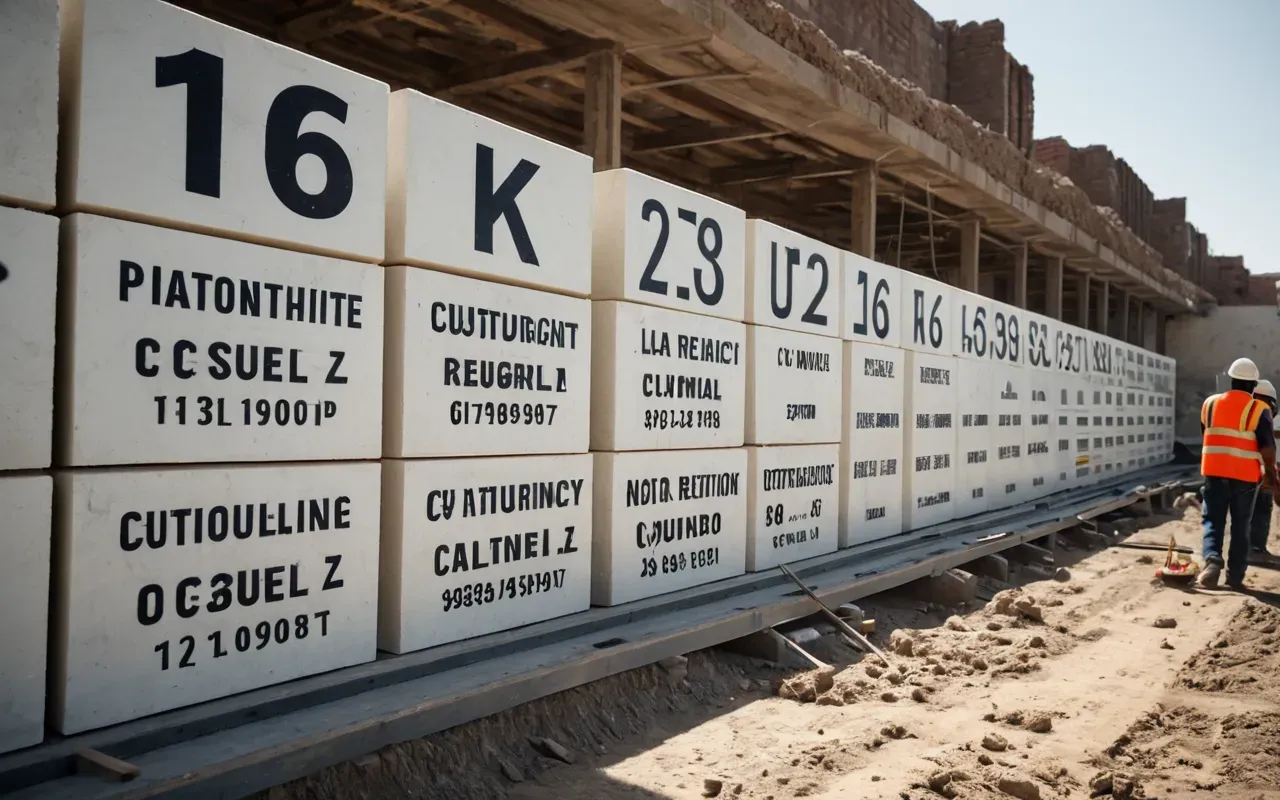
Who Wins And Who Loses In This Transition
The clear winner here is the end consumer. Homeowners who choose buildings designed with low RETV values will see their utility bills drop significantly.
They also get better indoor comfort without relying on constant air conditioning. This matters more as extreme heat events become more common.
The loser is the old model of fast and dirty construction. Companies that rely solely on standard wet mix plants may find themselves priced out of future government contracts.
Regulations are tightening. Many regions now mandate energy performance standards for new builds. If your material strategy does not align with these rules you will face penalties or rejection.
The Economic Pressure On Traditional Suppliers
I have spoken with several plant operators who are struggling to adapt. Their equipment was designed for high volume wet mix production.
Switching to dry batching requires different machinery and a new understanding of material flow. It is not just buying a new machine; it is changing the entire operational mindset.
Those who make this transition early will capture a growing market segment. The demand for energy efficient materials is only going to increase as climate awareness spreads.
What This Means For Your Next Project
If you are planning a new build or retrofit do not just look at the upfront cost of materials. Look at the lifecycle energy costs.
A slightly more expensive wall system that saves you twenty percent on cooling bills over ten years is a no-brainer. The math works out in the occupant's favor.
We need to stop thinking of construction materials as static objects. They are active participants in the energy ecosystem of a building.
The choice between wet and dry batching is not just about logistics. It is about the thermal performance of the finished structure.
Checking Your Plant Configuration Now
Take a look at your current setup. Are you able to produce mixes that meet low RETV standards? If not it is time to start planning an upgrade.
There are tools available that can help you simulate the thermal performance of different material combinations before you even break ground.
If you want to see the twelve hour render that exposes your concrete batching plant design flaws, this is a good place to start understanding the hidden inefficiencies in your process.
The data is clear. The old way of building is becoming a liability. Smart operators are already moving to more efficient and sustainable production methods.
The Future Is Dry And Efficient
We are standing at a crossroads. We can continue to build energy hungry structures that cost more and pollute more or we can adapt our methods.
The technology for dry batching is mature and available. The barrier is no longer technical; it is economic perception.
Once the true cost of energy inefficiency becomes visible to buyers and regulators the market will shift rapidly. Those who wait may find they have missed the window.
I believe we will see a major consolidation in the industry over the next five years. Only those who prioritize efficiency and sustainability will remain competitive.
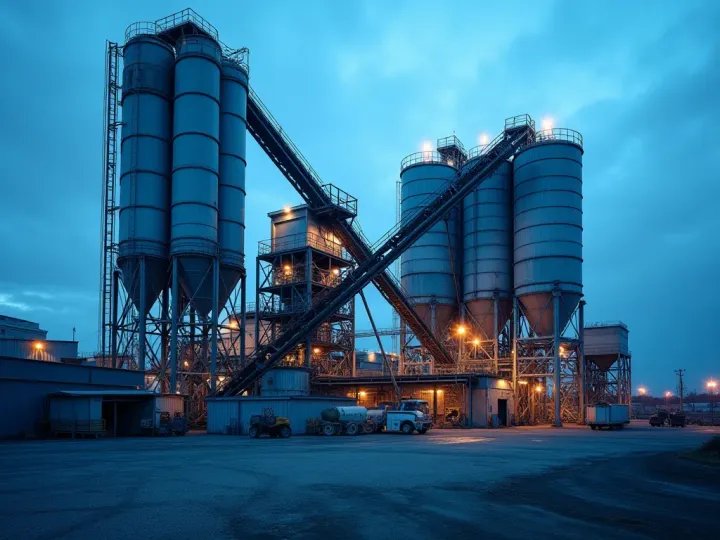
The next time you look at a concrete plant do not just see the size of the silos. See the thermal footprint it leaves on every building it supplies.
The choice is simple. Build for the next century or keep paying for yesterday's mistakes with today's energy bills.
Comments ()